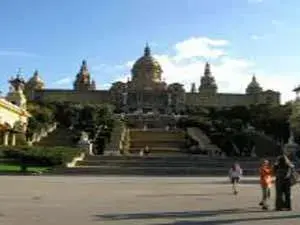
The Museu Nacional d'Art de Catalunya is housed in the Palau Nacional, a magnificent showcase of paintings and sculptures from Catalan.

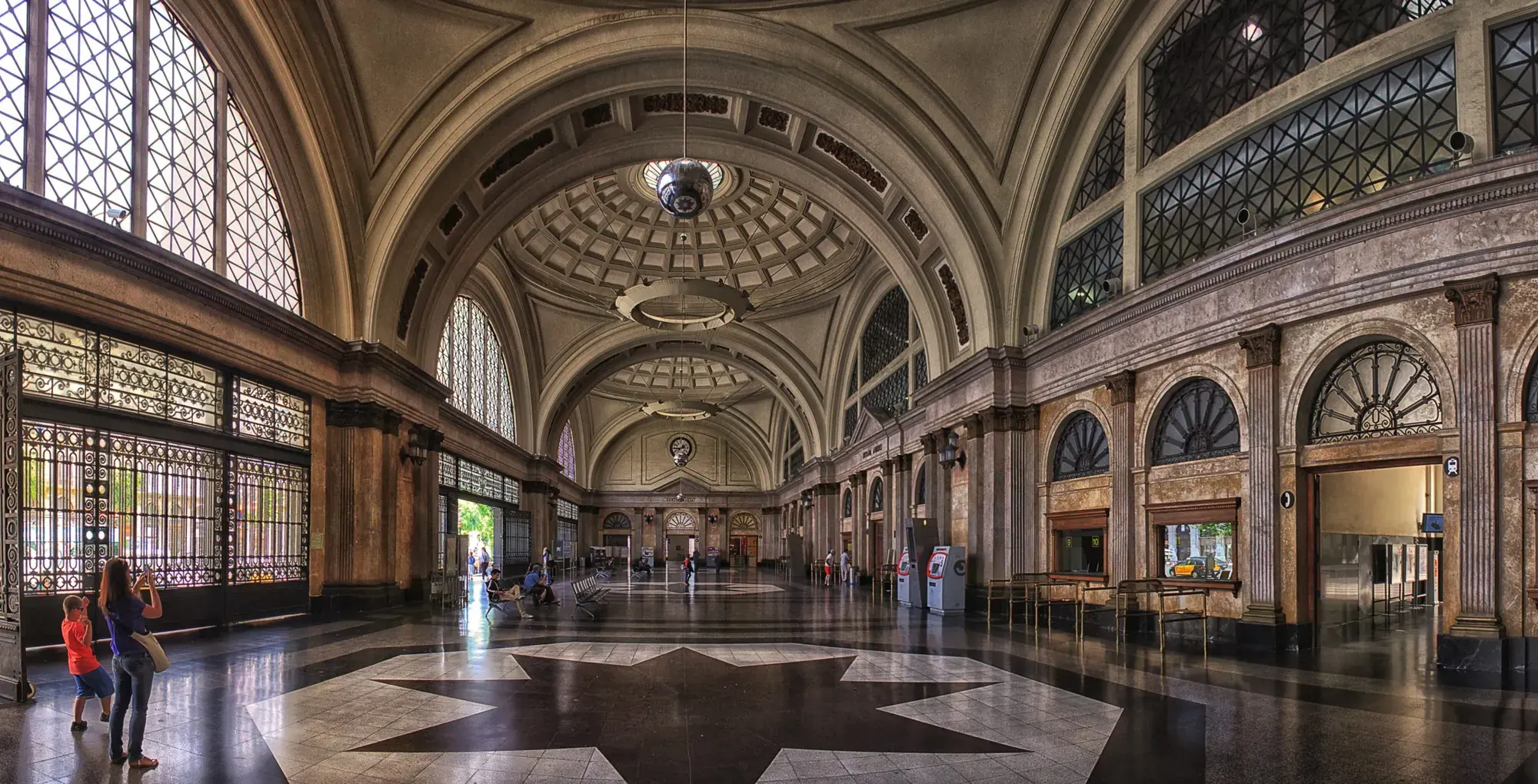
It is one of the most famous palaces of the city and has been declared a World Heritage Site by UNESCO. Another must-visit site in the French capital.
26 results
City overviewThe Museu Nacional d'Art de Catalunya is housed in the Palau Nacional, a magnificent showcase of paintings and sculptures from Catalan.
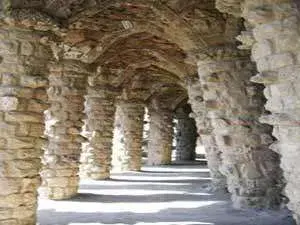
is a wide garden complex with a structure on the hill of el Carmel designed by Gaudy.
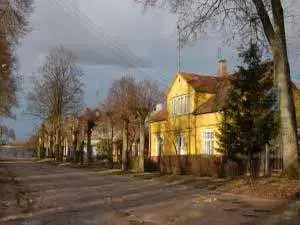
A small village in the middle of Barcelona with narrow streets and lovely olden style houses.
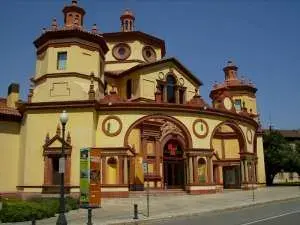
One of the most prestigious theaters of the country, it is distinguished for producing some of the best contemporary dance and music pieces of the world.
Tibidabo Funfair "The Magic Mountain" A superb funfair with several rides, it is an absolute gem for kids and is a great place to have some quality family time. Address: On Tibidabo Mountain Admission: Adults 15Euro, children under 110cms in height, 4Euro. Prices allow unlimited use of the attractions and rides. Open: weekends and fiestas only until June, then daily in July and August.
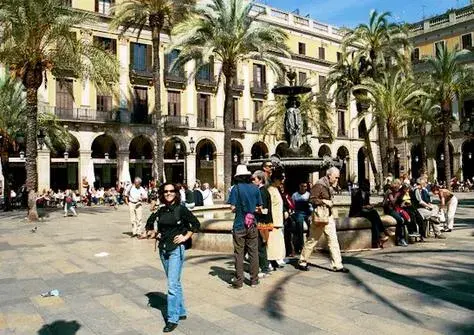
Barri Gottic (or The Gothic Quarter) is Barcelona's old town. The area is home to winding streets, hidden squares and gothic old buildings. Tourists can visit the Cathedral of Santa Eulalia, the Church of Santa Maria del Pi, the Basilica of Santa Maria del Mar, and the Picasso Museum within the Barri Gottic compound. Visitors will enjoy the trip back in time to old Barcelona.
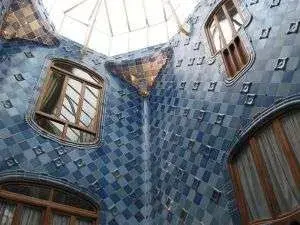
Another design by Antoni Gaud and Josep Maria Jujol, built in 1905-1907. It is located at 43, Passeig de Gracia.
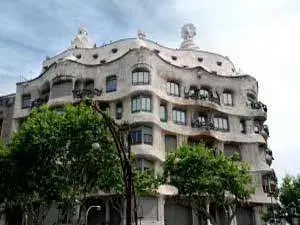
Better known as La Pedrera or 'The Quarry', it was designed by the Catalan architect Antoni Gaud and built in 1905-1907 and has been declared a UNESCO World Heritage Site. You can see it at 92, Passeig de Gracia.
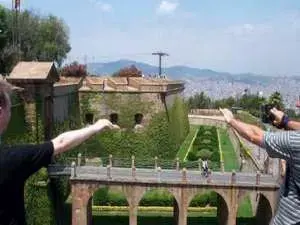
A fortress built in the 17th century with additions in the 18th, which was used as a prison where several political prisoners were executed. It is now used as a Communication Tower for the Anella Olafampica.
This is a cemetery where several famous personalities from Barcelona such as Lluas Companys, Frencesc Macia, Joan Mia, and Carmen Amaya lie buried.
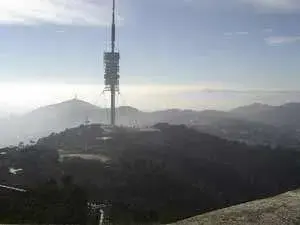
The place near Tibidabo or Observatori Fabra is a popular place for biking or walking.
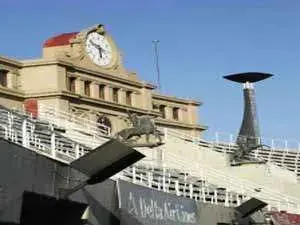
The Olympic Stadium was constructed in opposition to the 1936 Berlin Olympics; however, the plans were cancelled due to the Spanish Civil War. The stadium is home to the Espanyol football team. However, it was used in the 1992 Summer Olympics after being renamed Estadi Olympic Lluys Companys.
A museum of modern art that showcases a large collection of the works of Joan Mira.
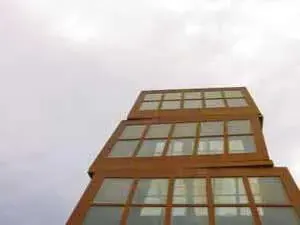
This neighborhood is shaped roughly like a triangle and is known for its sandy beaches and the numerous nightclubs and restaurants lined along the boardwalk.
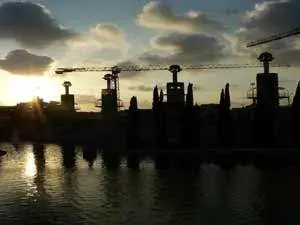
Situated in the Sants neighborhood, it was a heavily industrial area at the end of the 19th century and was home to some of the most important textile factories of Spain.
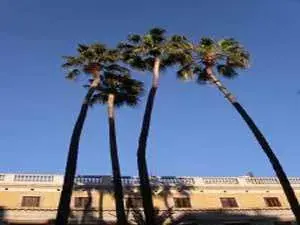
It is located next to La Rambla in the Ciutat Vella and is one of the most beautiful squares in the world. A number of streetlights designed by Antoni Gaudi grace this square.
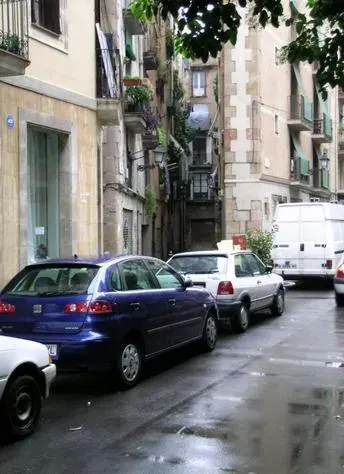
The La Ribera Neighborhood is home to many notable buildings from the medieval times such as the Basilica de Santa Maria del Mar and the Palaces along the career de Montcada.
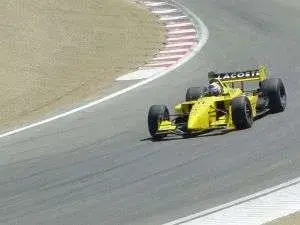
The circuit was used to host four Spanish Grand Prix but after an accident in 1975, was never used for the Grand Prix again.

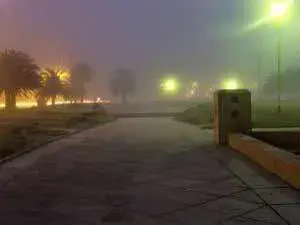
La Rambla is Barcelona's most prominent landmark. La Rambla Boulevard stretches from the harbour to the Palace of Catalonia and is arguably the busiest place in Barcelona. The street is decorated with flowers, and the sight of people makes La Rambla an exciting and enjoyable place to spend time. The area is full of restaurants, cafés and bars, making it a place frequented by tourists and locals alike. All the night parties and dance bars keep the place active throughout the night, usually leaving every tourist wondering whether the people of this city ever sleep..!
The National Council for Catalan Arts is located inside the Palau Nacional and presents a splendid display of Catalan paintings and sculptures.
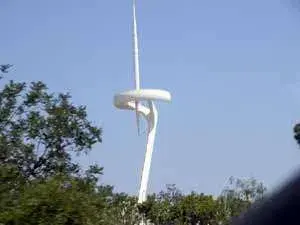
The "Olympic Ring" is a group of sports stadiums around the Estadi Olímpic, containing a number of facilities for diving and swimming competitions.