
Visa Information
General Visa Information

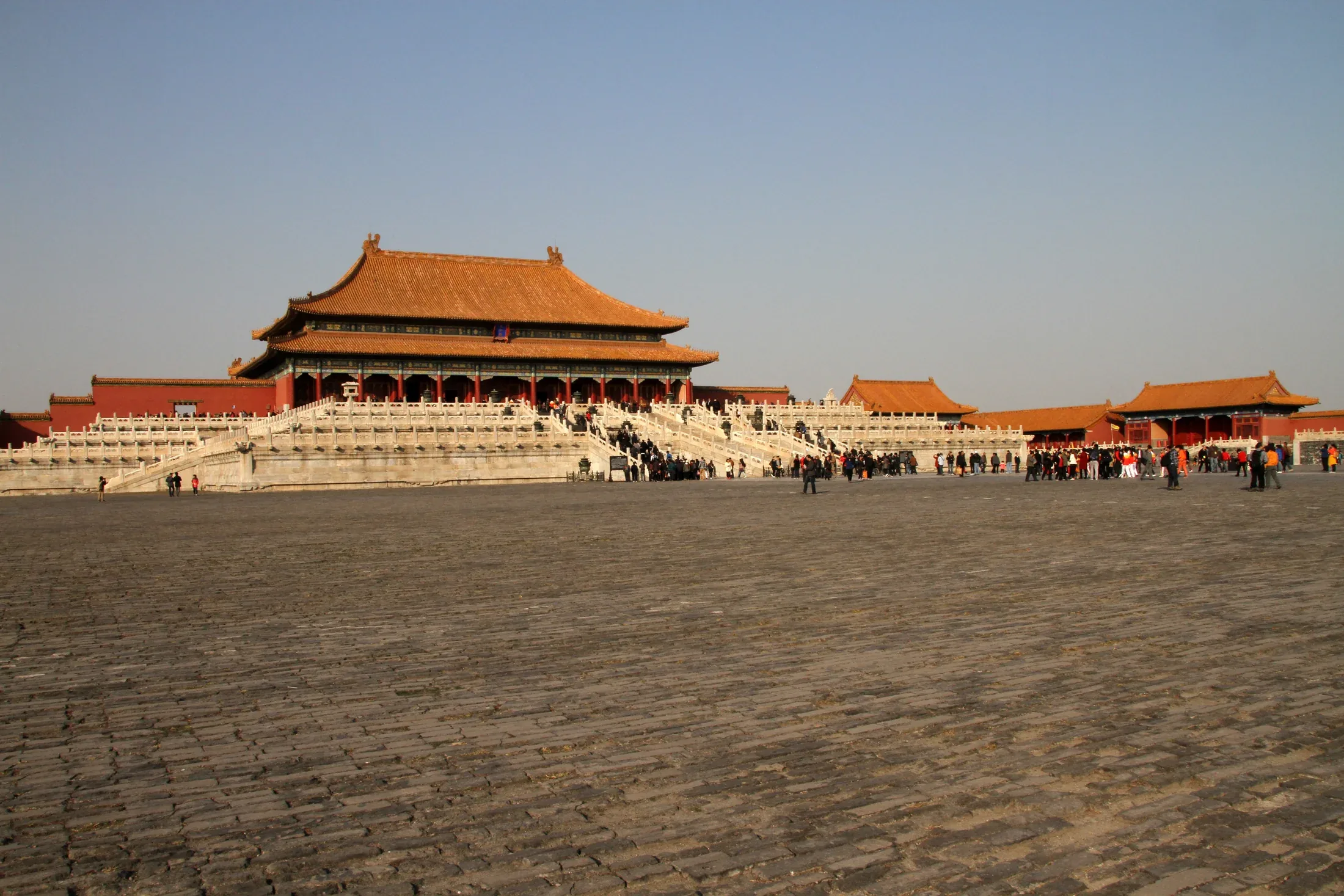
Explore city history, fast facts, climate and practical visitor information for Beijing.
9 results
City overviewGeneral Visa Information

The best times of the year to visit Beijing are the months of April, May, September and October. The weather is wonderful in these months with cool days and nights. Winter season is characterized by fierce cold winds and freezing temperatures and it is not at all advisable to visit Beijing then.
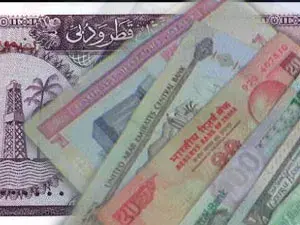
The currency used in China is the China Yuan Renminbi (CNY).
January 1:: New Year's Day; February 7-9:: Chinese Spring Festival; March 8:: International Women's Day
Beijing has a population of over 19 million people. Over 95 percent of these residents belong to the Han ethnic community; the remainder belongs to minority ethnic communities such as the Manchu, Hui and Mongolian ethnic groups.
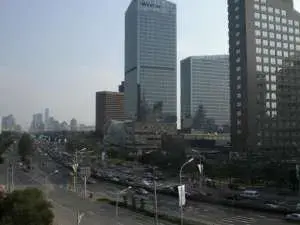
Beijing, capital to the People's Republic of China is one of the largest metropolises in the world with an ever-growing population. Beijing is a place where life is constantly on the move- a fact which is reflected in the constant construction- the building and the rebuilding of restaurants, offices and shopping malls ever so often. It is a perfect fusion of ancient meets modern. Juxtaposed with the temples and royal halls built as early as the 8th Century and other historic structures such as the Museums and the Royal grounds, are other recently built modern structures such as the numerous skyscrapers and high-rise buildings. Beijing is quite simply the historical, cultural and political capital of China.
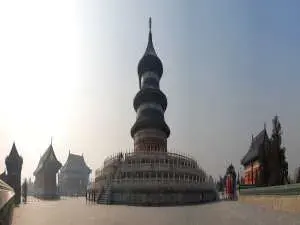
Historically Beijing has always been an important city of China- it has always played the role of 'capital' on and off since hundreds of years ago. It was in the 1260s that it became renowned as the 'Great Capital' during the reign of Kublai Khan the Mongol invader. Beijing also known as Peking thus attained great importance as the seat of power of the Mongolian Empire. After the fall of the Mongolian Empire, however, Beijing lost its status as capital city not to be attained again until the early 1400s when the Ming Emperor restored this position to it. Beijing once again lost its status as capital in the early 1900s but regained it with the Communist take over in 1949. Beijing has, thus, grown in importance and in size throughout the last 1000 years. China is famous for its dynasties and during the Yuan, Ming and Qing dynasties Beijing was a significant city and many of its attractions date back to this period- these include the Forbidden City primarily, the Temple of Heaven and many other Taoist temples. Beijing also grew with the Communist takeover and it owes much of its colorful history to this period. Tiananmen Square was built during this period.

January: high 1°C, low -8°C February: high 3°C, low -4°C March: high 11°C, low 0°C April: high 19°C, low 8°C May: high 25°C, low 13°C June: high 29°C, low 18°C July: high 30°C, low 22°C August: high 29°C, low 20°C September: high 25°C, low 15°C October: high 18°C, low 8°C November: high 9°C, low 0°C December: high 2°C, low -5°C
Location:: Beijing is located in the North China plain- it is surrounded by mountains to the North, Northwest and West; Area:: 16,800 sq km; Dialing code:: +86/010
Featured highlights in Irhal’s Beijing guide include Visa Information, When to go, Exchange Rates, Public Holidays, Beijing Residents.