Skip to content
Irhal · Your guide to the world
Irhal
العربية

Search for a city, hotel or experience

City guide article

Buenos Aires Residents

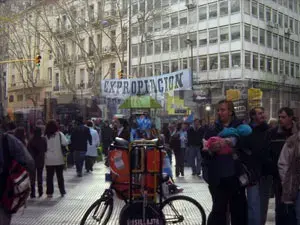
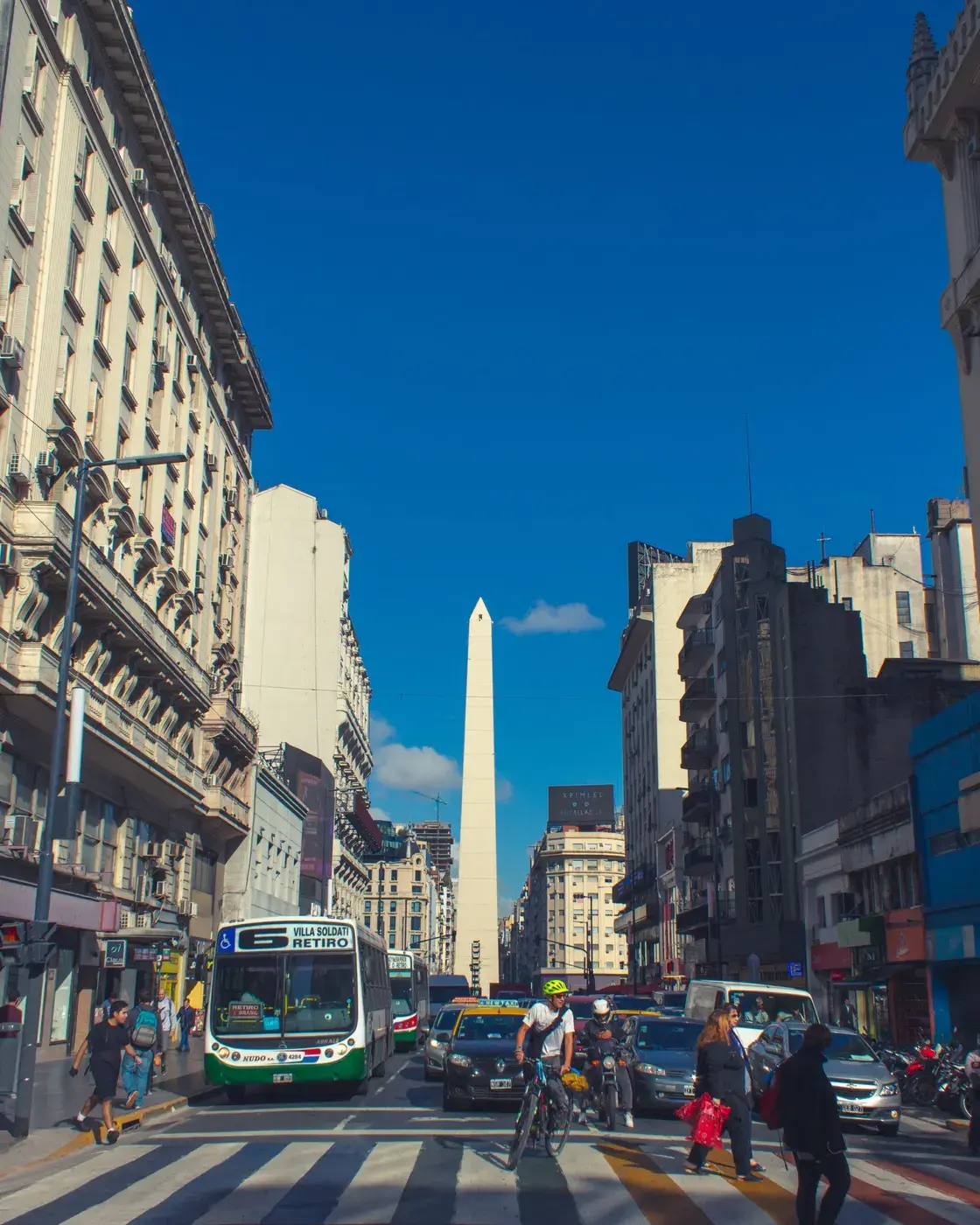
If you are travelling to other parts of Argentina, you’ll quickly find out that Buenos Aires is almost in a separate realm to the rest of the country. Argentines tend to resent or talk down about the porteños, because they are seen to be ‘upper-class’. In truth, Buenos Aires has received far more European immigrants than any of the other cities and the culture is proportionately different.

Overview

Buenos Aires Residents

If you are travelling to other parts of Argentina, you’ll quickly find out that Buenos Aires is almost in a separate realm to the rest of the country. Argentines tend to resent or talk down about the porteños, because they are seen to be ‘upper-class’. In truth, Buenos Aires has received far more European immigrants than any of the other cities and the culture is proportionately different.

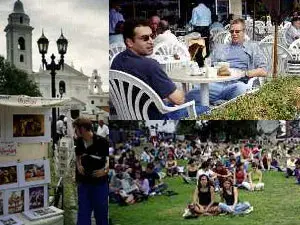
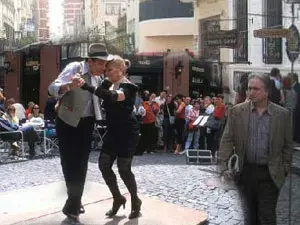
Porteños love their food, their sport and their dancing. You will find this no matter who you talk to; easy conversations are about what you ate the other day, who won yesterday’s match and the Tango bars you frequent. They are a friendly folk, but business-minded. The turbulent political conflicts in the city have given rise to skeptics and cynics, as well as mourning the needless violence. Try not to bring up subject around politics or the ‘Dirty War’ as many porteños are still bitter, but it depends on who you are talking to.

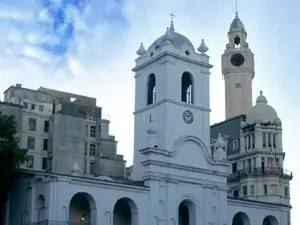
Most residents of Buenos Aires, as mentioned before, have Italian or Spanish origins, with a small amount of German, Swedish, Dutch, and Greek peoples. South American indigenous people are also residents there, mostly immigrants from neighboring countries. Recently there has been a rise in the Arab community as well, notably from Syria, Lebanon and Armenia. The Jewish peoples also have a presence and Buenos Aires has the largest Jewish population in Latin America. Over 90% of porteños are Roman Catholic, though less than 20% are active practitioners. Some of the beautiful colonial church structures are still standing in the city and the metropolitan cathedral remains one of the biggest tourist attractions in the city. There is religious freedom in Buenos Aires with minorities of Protestant and Orthodox Christians, Muslims and Jews.

No matter what situation you’re in, you’ll find most porteños ready for a chat and sincerely interested in you. The life of Buenos Aires, you will find, is in its people.
Continue reading

More from City Information

When to go

City Information

When to go

City Information

Fast Facts

-Location: Buenos Aires (literally ‘fair winds’) is located on the southeastern coast of the South American continent. It is the capital and largest city of Argentina, which is the second largest country in South America and the eighth largest in the world. Argentina (from the Latin word for silver, ‘argentum’) shares land borders with Paraguay, Brazil, Uruguay, Bolivia and Chile, and is surrounded on the east and south by the Atlantic Ocean. Buenos Aires city is located inside the province of Buenos Aires, but is an autonomous federal district. It consists of 48 barrios or neighbourhoods. It is situated in what is called the Rio de la Plata (River of silver), where the Uruguay and Parana rivers combine and join the Atlantic Ocean. The large historic port gives the people of Buenos Aires their name: porteños -Dialing code: country +54 city: 11, then an eight digit subscriber number. To call other districts from Buenos Aires, dial 0, the district code, then the 8-digit number. Cell phones are more expensive to call than landlines and normally begin with a 15, followed by the 8-digit number. Calling a cell phone in another area (i.e. not Buenos Aires) would require you to dial that district code, then 15, then the 8-digit number
Read full article

City Information

Currency and Exchange Rates

The currency in Argentina is the Argentina Peso (ARS)

Read full article

City Information

Public Holidays

The weekend in Buenos Aires is Saturday-Sunday. Public Holidays are: January 1 (New Year's Day) Good Friday May 1 (Labor Day) May 25 (First Argentine Government) June 10 (National Sovereignty Day) June 20 (Flag Day) July 9 (Independence Day) August 17 (Anniversary of the Death of General San Martín) October 12 (Día de la Raza) December 8 (Immaculate Conception Day), and December 25 (Christmas). Most tourist businesses and restaurants, however, will remain open during all but Christmas Eve, Christmas day and New Year's. Christmas Eve (24th December) tends to be a bigger celebration than Christmas day and family gatherings generally happen that night.

Read full article