Skip to content
Irhal · Your guide to the world
Irhal
العربية

Search for a city, hotel or experience

City guide article

Buenos Aires Today

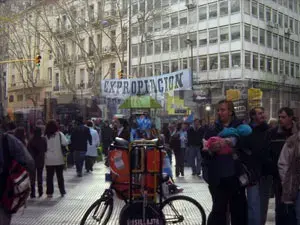
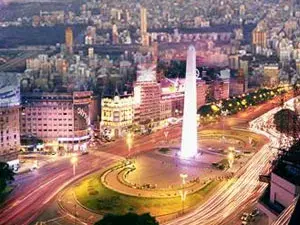
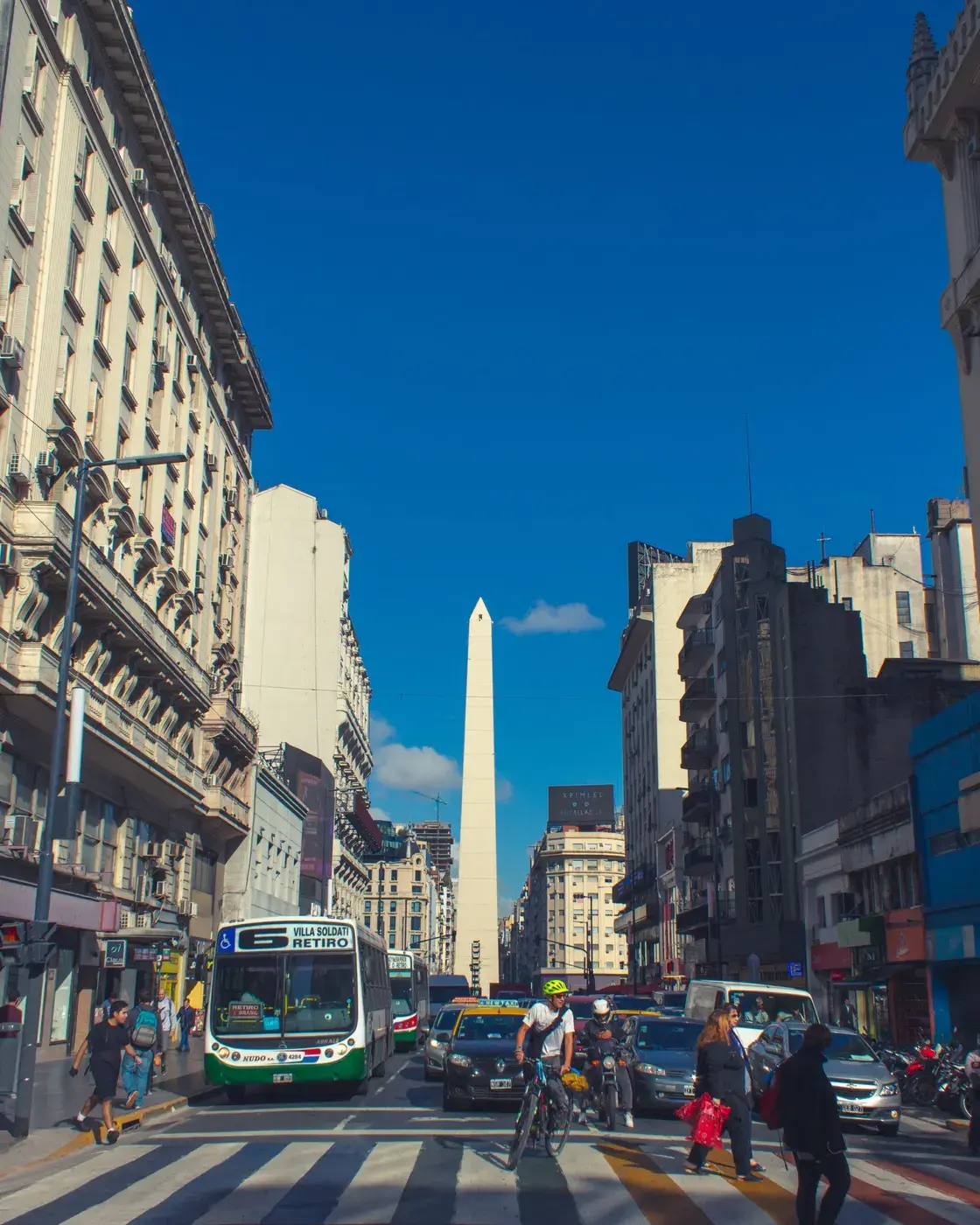
Buenos Aires is a hotbed of everything you can imagine in a city. Although it covers a vast area, most of the tourist destinations are concentrated within 5 inner barrios and these are therefore the most crowded. On weekdays, business people are everywhere, with their expensive leather cases and shoes, walking past beggars on the streets without a second glance. The city is trade hub, being a large political power in Latin America and the world.

Overview

Buenos Aires Today

Buenos Aires is a hotbed of everything you can imagine in a city. Although it covers a vast area, most of the tourist destinations are concentrated within 5 inner barrios and these are therefore the most crowded. On weekdays, business people are everywhere, with their expensive leather cases and shoes, walking past beggars on the streets without a second glance. The city is trade hub, being a large political power in Latin America and the world.

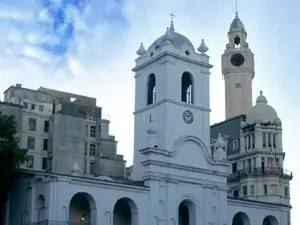
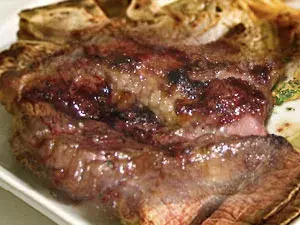
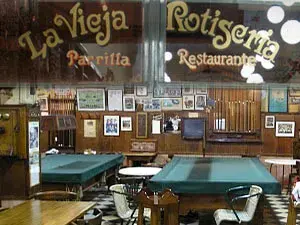
Food is given a lot of importance and you will see rich and poor alike congregate for a good meal, particularly if it is parilla. Strong cultural ties bind Buenos Aires firmly to its indigenous Argentine roots but immigrant culture is more pervasive. The city has been planned in a French style on top of the Spanish grid of roads. The squares and monuments are a testament to this. Italian immigrants have been so pervasive in fact, that the vernacular of Spanish spoken in the city has distinct Italian pronunciation. It even has its own dialect name: Castellano; or officially castellano rioplatense.

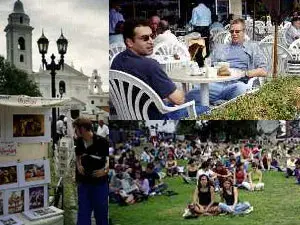
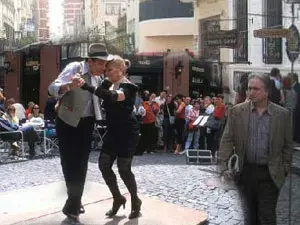
Buenos Aires is also a very sensual city. Art, music, theatre and any sort of creativity is encouraged. Tango bars are on every street corner and the markets showcase the value placed on expression. It can be a smart, well behaved city if you only explore the upper-class areas, but in the more working-class barrios, it can be a dirty, messy, fragrant explosions of life. Tall skyscrapers taper down to meet quiet, tree-lined streets with comfortable residences, which meet rows and rows of squashed-together houses with colourful paintjobs and laundry hung out on the balconies.

One of the most alluring of its aspects is Buenos Aires’ entertainment and nightlife scenes. Theaters, Tango shows, bars, and clubs all exhibit the great South American flair. Unique and dissimilar from the other cities of Argentina, the city is has something for everyone

Continue reading

More from City Information

When to go

City Information

When to go

City Information

Fast Facts

-Location: Buenos Aires (literally ‘fair winds’) is located on the southeastern coast of the South American continent. It is the capital and largest city of Argentina, which is the second largest country in South America and the eighth largest in the world. Argentina (from the Latin word for silver, ‘argentum’) shares land borders with Paraguay, Brazil, Uruguay, Bolivia and Chile, and is surrounded on the east and south by the Atlantic Ocean. Buenos Aires city is located inside the province of Buenos Aires, but is an autonomous federal district. It consists of 48 barrios or neighbourhoods. It is situated in what is called the Rio de la Plata (River of silver), where the Uruguay and Parana rivers combine and join the Atlantic Ocean. The large historic port gives the people of Buenos Aires their name: porteños -Dialing code: country +54 city: 11, then an eight digit subscriber number. To call other districts from Buenos Aires, dial 0, the district code, then the 8-digit number. Cell phones are more expensive to call than landlines and normally begin with a 15, followed by the 8-digit number. Calling a cell phone in another area (i.e. not Buenos Aires) would require you to dial that district code, then 15, then the 8-digit number
Read full article

City Information

Currency and Exchange Rates

The currency in Argentina is the Argentina Peso (ARS)

Read full article

City Information

Public Holidays

The weekend in Buenos Aires is Saturday-Sunday. Public Holidays are: January 1 (New Year's Day) Good Friday May 1 (Labor Day) May 25 (First Argentine Government) June 10 (National Sovereignty Day) June 20 (Flag Day) July 9 (Independence Day) August 17 (Anniversary of the Death of General San Martín) October 12 (Día de la Raza) December 8 (Immaculate Conception Day), and December 25 (Christmas). Most tourist businesses and restaurants, however, will remain open during all but Christmas Eve, Christmas day and New Year's. Christmas Eve (24th December) tends to be a bigger celebration than Christmas day and family gatherings generally happen that night.


Read full article