City Information
Explore city history, fast facts, climate and practical visitor information for Buenos Aires.
City Information
When to go
City Information
Fast Facts
-Location: Buenos Aires (literally ‘fair winds’) is located on the southeastern coast of the South American continent. It is the capital and largest city of Argentina, which is the second largest country in South America and the eighth largest in the world. Argentina (from the Latin word for silver, ‘argentum’) shares land borders with Paraguay, Brazil, Uruguay, Bolivia and Chile, and is surrounded on the east and south by the Atlantic Ocean. Buenos Aires city is located inside the province of Buenos Aires, but is an autonomous federal district. It consists of 48 barrios or neighbourhoods. It is situated in what is called the Rio de la Plata (River of silver), where the Uruguay and Parana rivers combine and join the Atlantic Ocean. The large historic port gives the people of Buenos Aires their name: porteños -Dialing code: country +54 city: 11, then an eight digit subscriber number. To call other districts from Buenos Aires, dial 0, the district code, then the 8-digit number. Cell phones are more expensive to call than landlines and normally begin with a 15, followed by the 8-digit number. Calling a cell phone in another area (i.e. not Buenos Aires) would require you to dial that district code, then 15, then the 8-digit number
Read full articleCity Information
Currency and Exchange Rates
The currency in Argentina is the Argentina Peso (ARS)
Read full articleCity Information
Public Holidays
The weekend in Buenos Aires is Saturday-Sunday. Public Holidays are: January 1 (New Year's Day) Good Friday May 1 (Labor Day) May 25 (First Argentine Government) June 10 (National Sovereignty Day) June 20 (Flag Day) July 9 (Independence Day) August 17 (Anniversary of the Death of General San Martín) October 12 (Día de la Raza) December 8 (Immaculate Conception Day), and December 25 (Christmas). Most tourist businesses and restaurants, however, will remain open during all but Christmas Eve, Christmas day and New Year's. Christmas Eve (24th December) tends to be a bigger celebration than Christmas day and family gatherings generally happen that night.
Read full articleCity Information
Buenos Aires Residents
If you are travelling to other parts of Argentina, you’ll quickly find out that Buenos Aires is almost in a separate realm to the rest of the country. Argentines tend to resent or talk down about the porteños, because they are seen to be ‘upper-class’. In truth, Buenos Aires has received far more European immigrants than any of the other cities and the culture is proportionately different.
Read full articleCity Information
Annual Temperature
Month High (°C) Low(°C) January 30.4 20.4 February 28.7 19.4 March 26.4 16.6 April 22.3 12.7 May 18.7 9.5 June 15.1 7.2 July 13.8 6.7 August 14.3 7.8 September 17.9 9.9 October 22.5 13.1 November 28.8 19.2 December 22.4 13.5
Read full articleCity Information
Buenos Aires Today
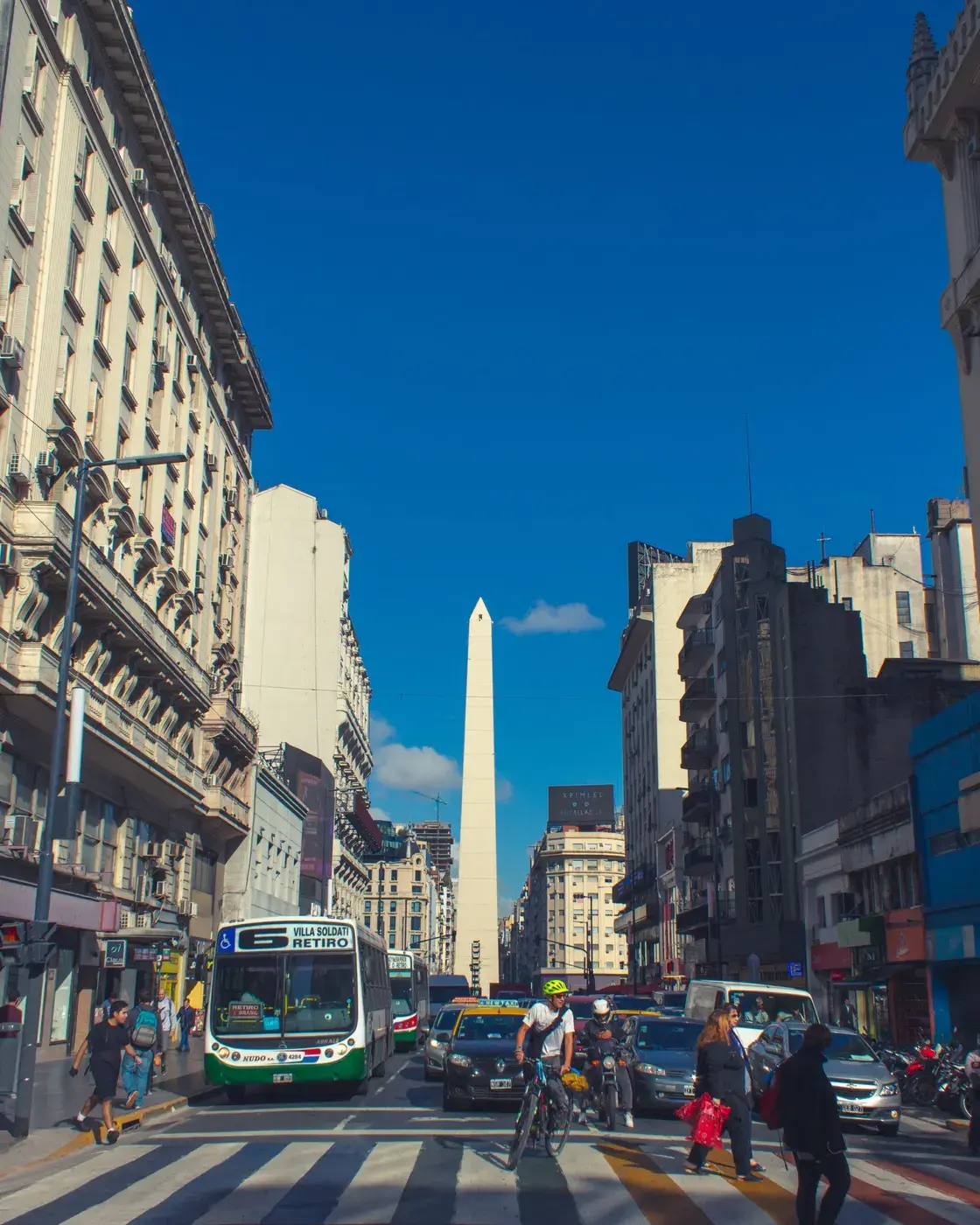
Buenos Aires is a hotbed of everything you can imagine in a city. Although it covers a vast area, most of the tourist destinations are concentrated within 5 inner barrios and these are therefore the most crowded. On weekdays, business people are everywhere, with their expensive leather cases and shoes, walking past beggars on the streets without a second glance. The city is trade hub, being a large political power in Latin America and the world.
Read full articleCity Information
Buenos Aires History
Buenos Aires was not the first city to be established in Argentina, it was not used by the indigenous hunter-gatherer peoples as a settlement either. In 1535 however, Pedro Medoza a, Spanish aristocrat set up a port in the natural harbor created by the river delta. The Spanish then steadily colonized the area and Buenos Aires grew as a farming and trading community. However, Salta, Tucumán, Córdoba, and other Argentinian settlements were of more importance until the late 1700s.
Read full articleCity Information
From the airport
There are two airports in Buenos Aires, Ezeiza International (called Aeropuerto Internacional Ministro Pistarini) and the domestic Jorge Newbery Airport (called Aeroparque). They are fairly close to the city, about a half hour drive by highways.
Read full articleKeep exploring Buenos Aires
More places in Buenos Aires
Keep exploring Buenos Aires and add more stops to your plan.





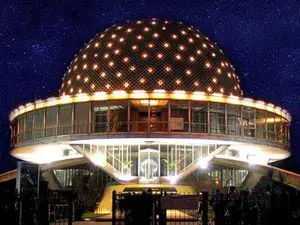
More restaurants in Buenos Aires
Keep exploring Buenos Aires and add more stops to your plan.



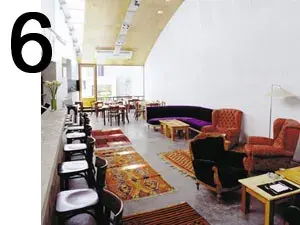

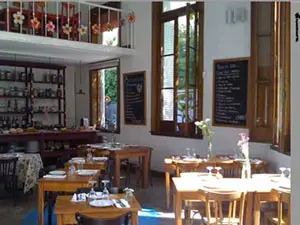


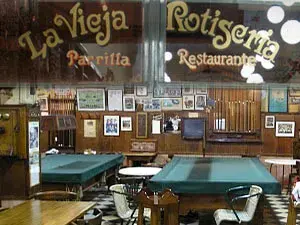

More hotels in Buenos Aires
Keep exploring Buenos Aires and add more stops to your plan.