Skip to content
Buenos Aires
Buenos Aires

Top places to visit

Although it may not seem that way at first, Buenos Aires is an extremely safe and child friendly city. There are many child-friendly eateries and lots of parks to explore. Porteños adore children; you are bound to get into some interesting conversations with the locals that never would have happened if not for your little ones. Keeping the kids busy for hours will not be difficult in Buenos Aires. A few suggestions for what you can do when travelling with the family:
22 results

City overview
alt

Although it may not seem that way at first, Buenos Aires is an extremely safe and child friendly city. There are many child-friendly eateries and lots of parks to explore. Porteños adore children; you are bound to get into some interesting conversations with the locals that never would have happened if not for your little ones. Keeping the kids busy for hours will not be difficult in Buenos Aires. A few suggestions for what you can do when travelling with the family:
alt

The famous Recoleta Cemetery is well worth a visit as it is the resting place of many Argentinian celebrities. It is open daily from 8am-6pm and you may even be able to catch one of the guided tours. Telephone: 4804 7040 Website: www.cementeriorecoleta.com.ar

alt

It is the unofficial ‘centre’ of the city as it holds the Plaza de Mayo, the main square in Buenos Aires. This barrio also has some beautiful French style buildings and is one of the most expensive areas to live. The square is surrounded by the key commercial and shopping areas in Buenos Aires and contains a beautiful park with fountains and statues. The Casa Rosada, the Presidential palace is on one side of it, where many a revolution has begun. There is an attached museum that offers free guided tours and an interesting journey through Buenos Aires’ political history Telephone: 4344 3844 Website: http://www.museo.gov.ar/default.asp Opening Hours: Monday to Thursday 10am-6pm, Sundays 2pm-6pm

alt

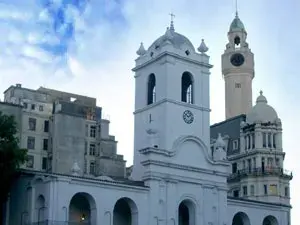
The Cabildo, situated opposite the Casa Rosada is the only surviving government building from colonial times so is worth the exploration, especially if you have an interest in architecture.

alt

Similar in feel to the London docklands, Puerto Madero has a ghostly beauty to it. The antique port of Buenos Aires has been renewed however and now represents the latest architectural and entertainment trends of the city. The old red-brick warehouses now contain galleries, bars and restaurants (ranging from high end eateries to Franchises such as Hooters and TGIF). Old docking cranes and ships sit silently on either side of the dock, and the beautiful bridge 'Puente de la Mujer' (Bridge of the Woman) stands tall across the water. The newly opened Puerto Madero tramway now services the area and there are many high risers being built in the surrounds, which is a testament to the refurbishments happening.

alt

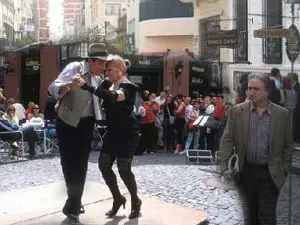
The San Telmo district is a must-visit as it preserves the old Spanish style architecture and streets. The roads tend to be paved with cobblestones, lending a quaint and romantic feel to the area. You seem to be within a little slice of historic Europe. It is however, a very touristy area and don’t be surprised of you are offered ‘authentic’ Argentinian items for sale at sky high prices. There are markets held on the Plaza Dorrego every Sunday, be sure to catch them if you’re in the area, they have a great community feel.

alt

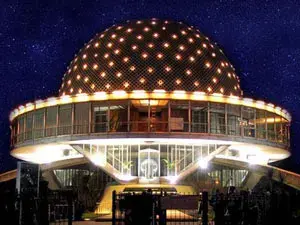
Planetario de Galileo Galilei is a beautiful building that could give you an exciting evening’s outing. There are plays and educational shows that take place there as well as the opportunity to gaze into the inky blackness above through an obscenely large telescope. Shows are normally around ARS10, general admittance is free. The Planetarium is open between 10:00am and 4:00pm Weekdays.

alt

The Buenos Aires Zoo is also located in Palermo and is a good place to visit. Entry is ARS22 and it is open 10:00am to 6:00pm daily.

alt

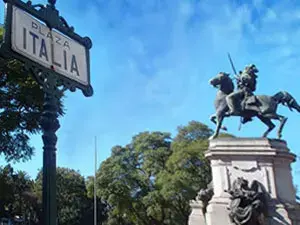
The Plaza Italia is the focal point of the suburb, surrounded by the zoo and the botanic gardens, and holding the monument to Giuseppe Garibaldi As it is the largest barrio in Buenos Aires, there are several sub sections such as Palermo-Viejo, Palermo-Chico, Palermo-SoHo and Palermo-Hollywood.

alt

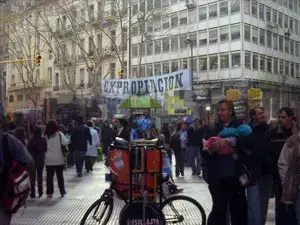
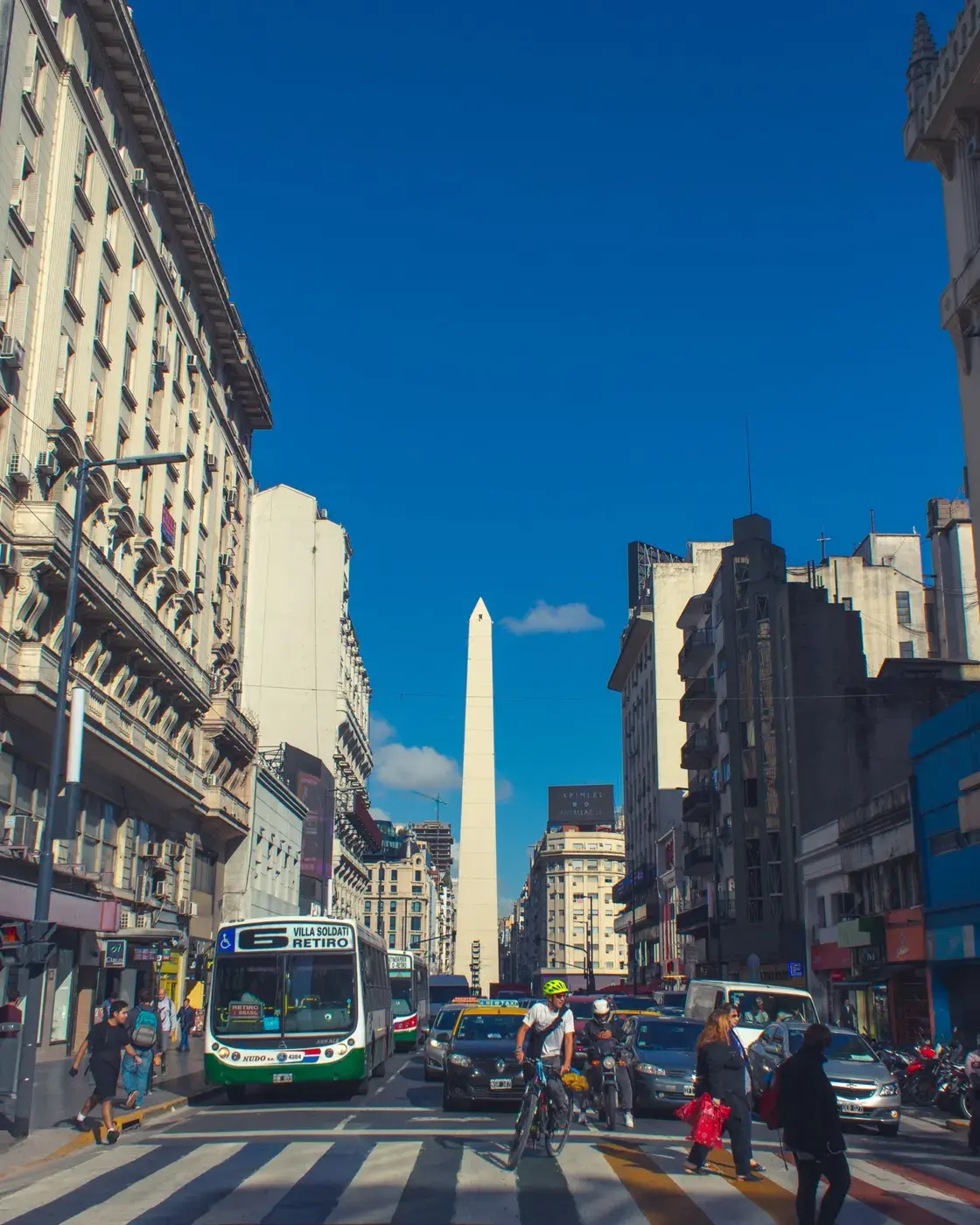
Microcentro is the name used for the central Barrio, downtown, an ideal location for visitors to be near to the main historical spots of the Argentinean capital. The widest street in the world, the monstrous 16-lane Avenida 9 de Julio is part of this neighbourhood. This is also the central financial district so during work hours on weekdays, the place is fairly chaotic. The Obelisco, the main monument in central Buenos Aires is a good vantage point for calmly surveying the melee.

alt

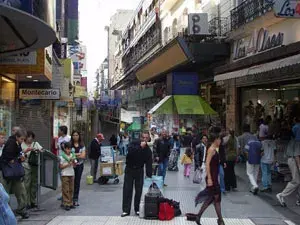
is a must-visit. It is located downtown and is one of the famous pedestrian streets in the city. There are many shops to suit all budgets and this is a good place to practice your Spanish as people are used to tourists. The downside of this though, is that there are plenty of porteños trying to scam you, so be on the lookout for prices that seem exorbitant and “authentic” Argentinian produce. Calles Lavalle is the slightly cheaper counterpart where you can find ARS5 meals of massive steaks and smoky milonga Tango places.

alt

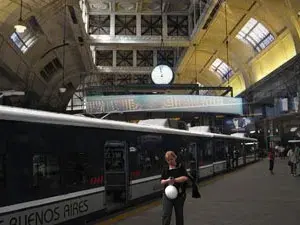
The Retiro barrio nearby hosts the main train station in the city. As you would expect, the place is packed with commuters and travelers any time you go there. There is also a great lifestyle scene here, with high class restaurants, boutique shopping, and clubs. It is home to a wide variety of immigrants. The whole area and its business is quite dizzying, especially for a first time visitor or if you have never lived in a big city so remember to take breaks and give yourself regular sit-downs. Thankfully, there are plenty of cafes and restaurants that are little drops of calm in the bustle of the town.

alt

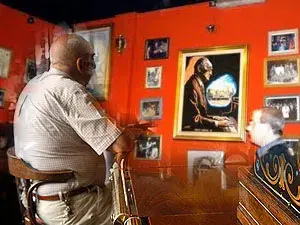
Boedo offers quite a variety of entertainments to the native and the tourist. It is one of the main Tango and historical areas in the city, and has many authentic cafes, theatres and pubs. The cultural centres and Tango houses will prove fascinating. Places that please people from all ages and tastes. It is also a working class neighbourhood so you won’t find too many brand name stores or swanky French cafes here. Explore the streets to find a bargain or a quaint family-owned restaurant or a theatre run by the performers themselves. Boedo has a strong artistic culture, in fact a group of writers in the 1920s called themselves the Boedo Literary group and published magazines with a political twist.

alt

The first things you’ll notice in La Boca are the brightly coloured houses! Many wooden and corrugated iron houses have been painted in primary colours and are a treat for the eyes. The houses were built and painted by Italian immigrant families who liberated materials and paint from the local docks where they worked. The whole area is pretty much a little Italy. Calle Caminito is the most famous of the streets with the colourful houses; it is definitely worth a walk down and normally has arts and craft stalls open. There is also a river cruise you can take from there where you can see a huge picturesque metal structure across the river.

alt

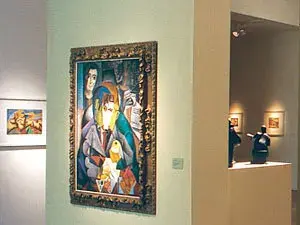
A bit out of the way, but worth the trip is the Museo de Arte Latinoamericano de Buenos Aires (MALBA) in the barrio of Castelar. It showcases works by some of the best Latin American artists around and is a beautiful building in itself. There is an attached library, gift shop and café.

alt

In the San Nicholás barrio stands the majestic Teatro Colòn, the opera house. It is a beautiful building and if you get the chance to see a performance, go for it by all means! The Renaissance-style building, designed by Italian architect Francisco Tamburri, has seen dancers like Vaslov Nijinsky and Anna Pavlova grace the stage. Bernstein, Strauss and Stravinsky have conducted here and Melba, Caruso, Callas, Pavarotti and Domingo have all sung in the 2,500-seater auditorium. The acoustics are highly regardedby these maestros. The central hall, the mirrored Salon Dorado and the beautifully decorated dome-ceilinged auditorium have guided tours running through them most days and they are extremely interesting. There are admission charges for visiting and the guided tours are hourly between 11:00am and 5:00pm. Address: Libertad 621, close to the Plaza Lavalle Phone: 4378 7344 Website: www.teatrocolon.org.ar

alt

As well as places to see, there’s plenty to experience in Buenos Aires. Try some of the following on your trip: -Have a Gaucho Party! Live like the cowboys do in rural areas. -Play golf, polo or football with the locals. All three sports have avid followings in Buenos Aires and excellent facilities. -Learn how to Tango! It’s easy to find places where authentic Tango performances can be watched and you can normally ask for a lesson afterwards. Look for the ‘Milongas’ which is what that type of show is called.