Why visit
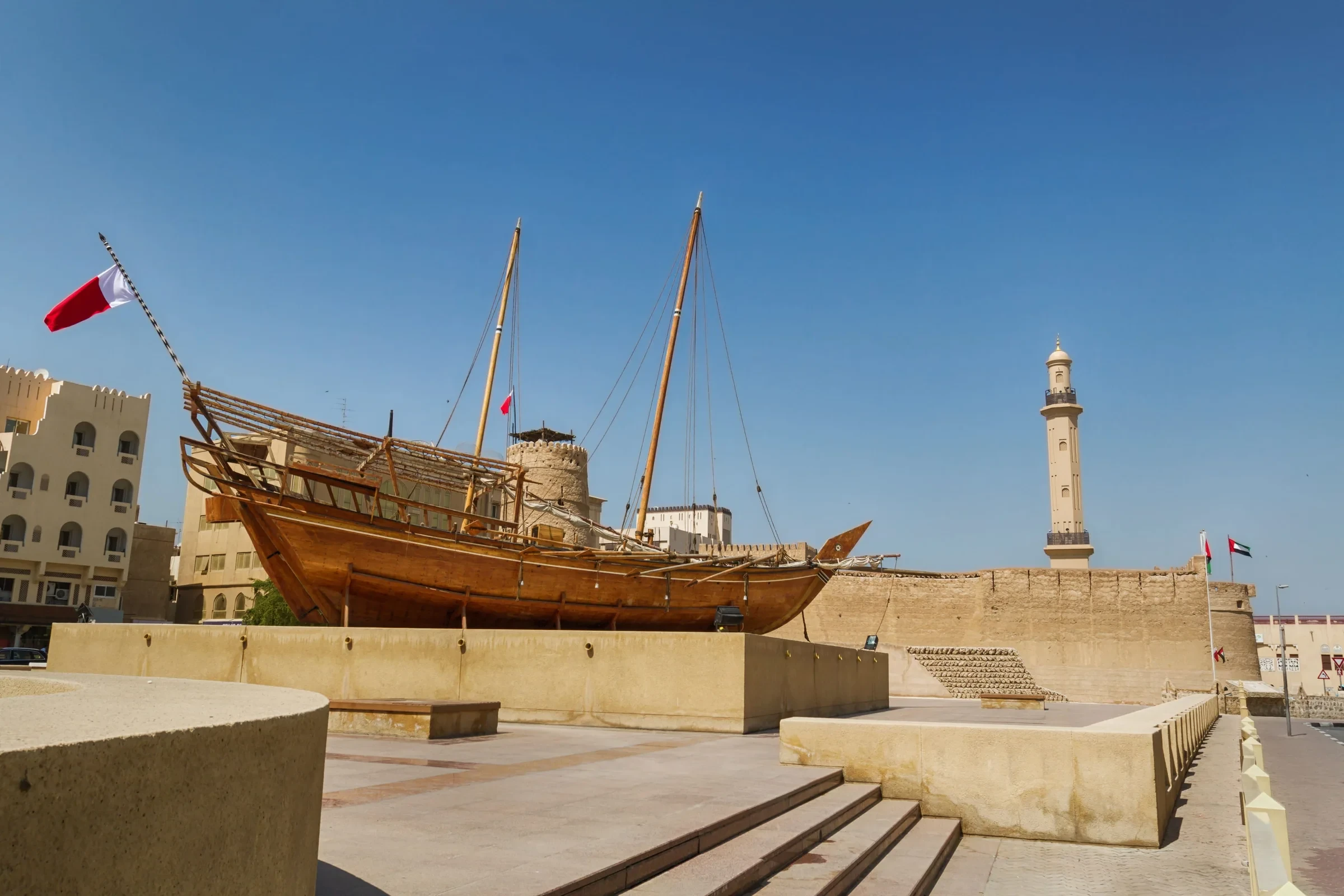
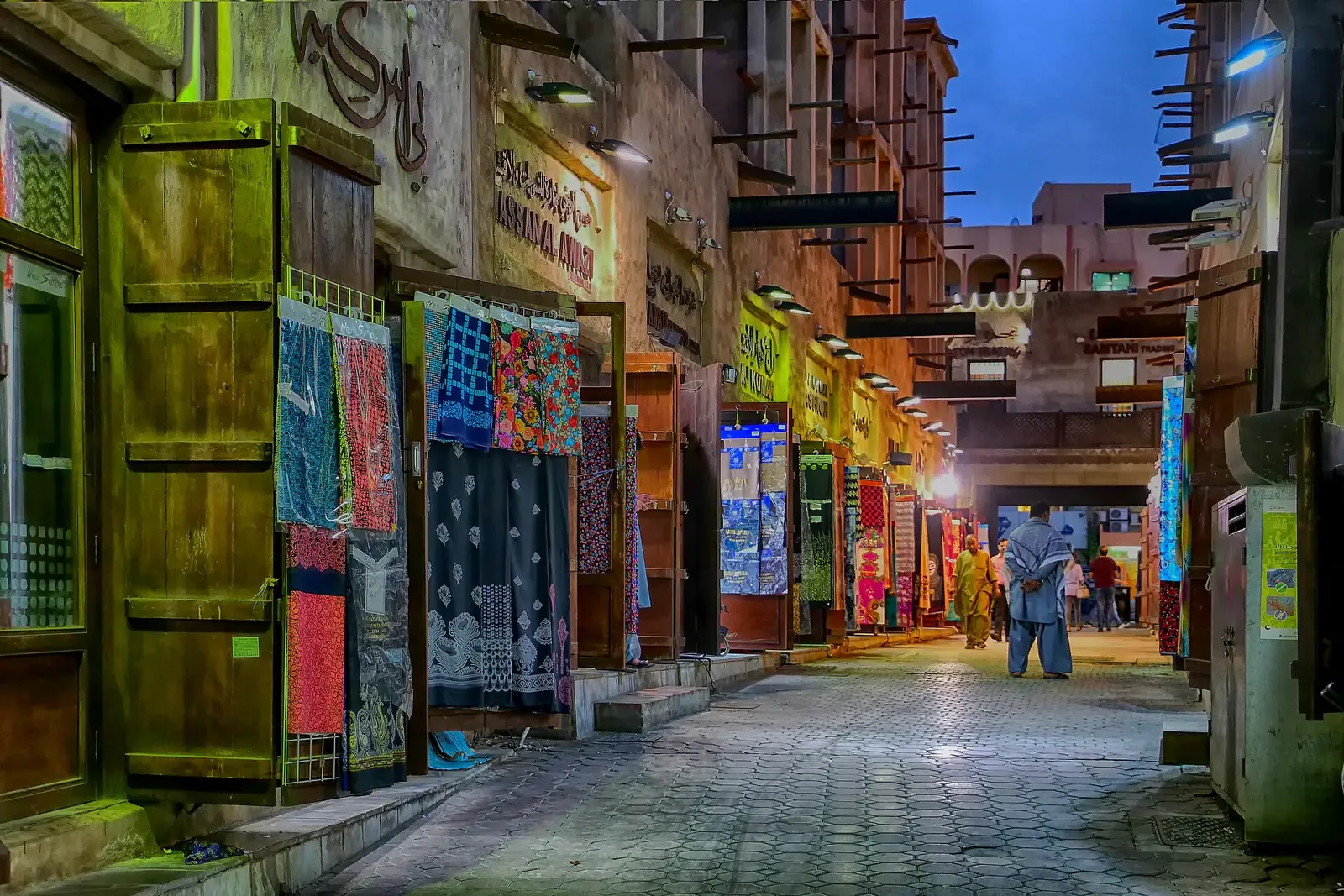
Al Fahidi Historical Neighbourhood is the most convincing place in Dubai to feel the city before the glass towers. Visit Dubai describes it as a key heritage site along Dubai Creek, with much of the original infrastructure preserved, more than 50 houses to explore, and a cluster of museums, galleries, cultural activities and traditional food around its winding lanes.
What to see
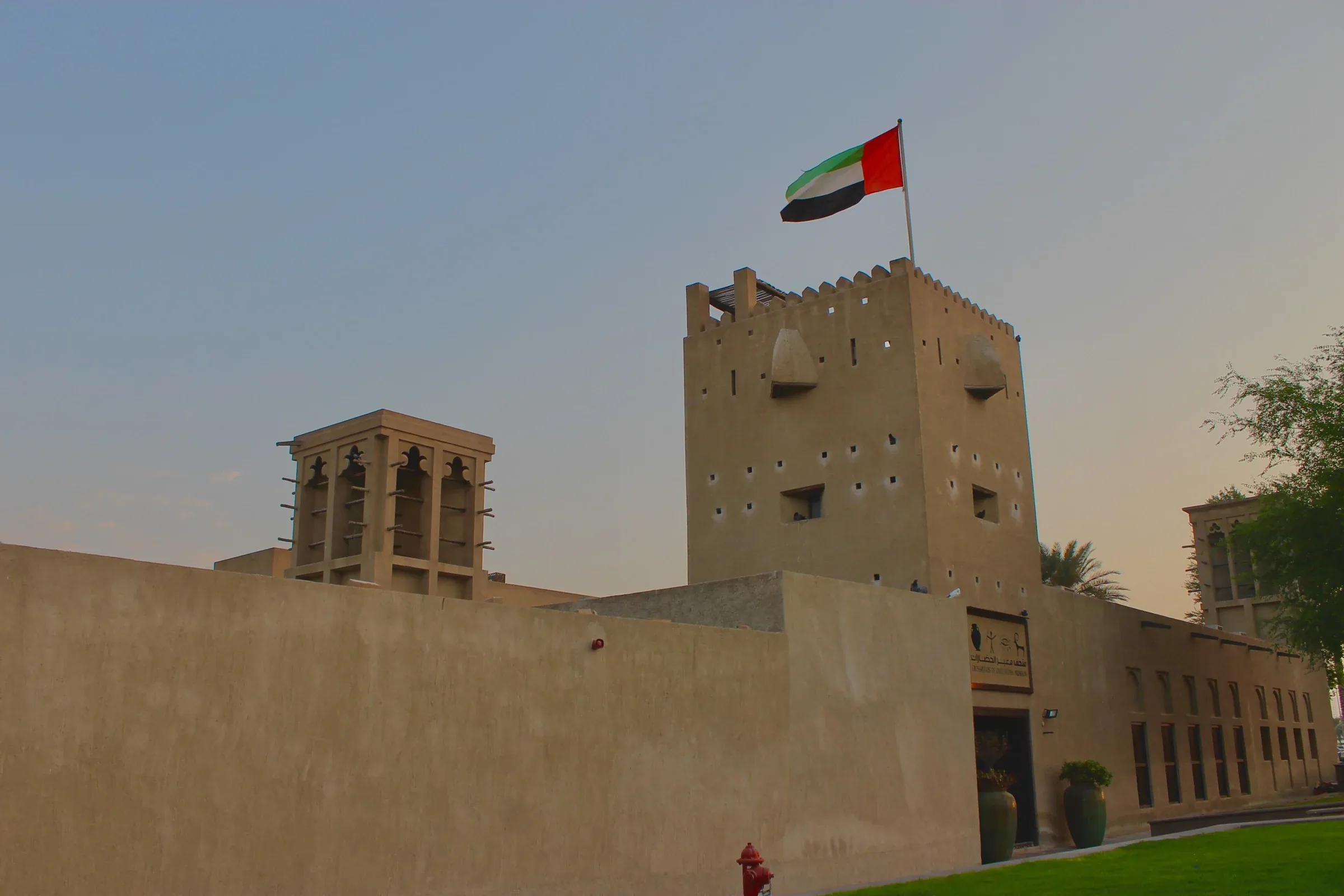
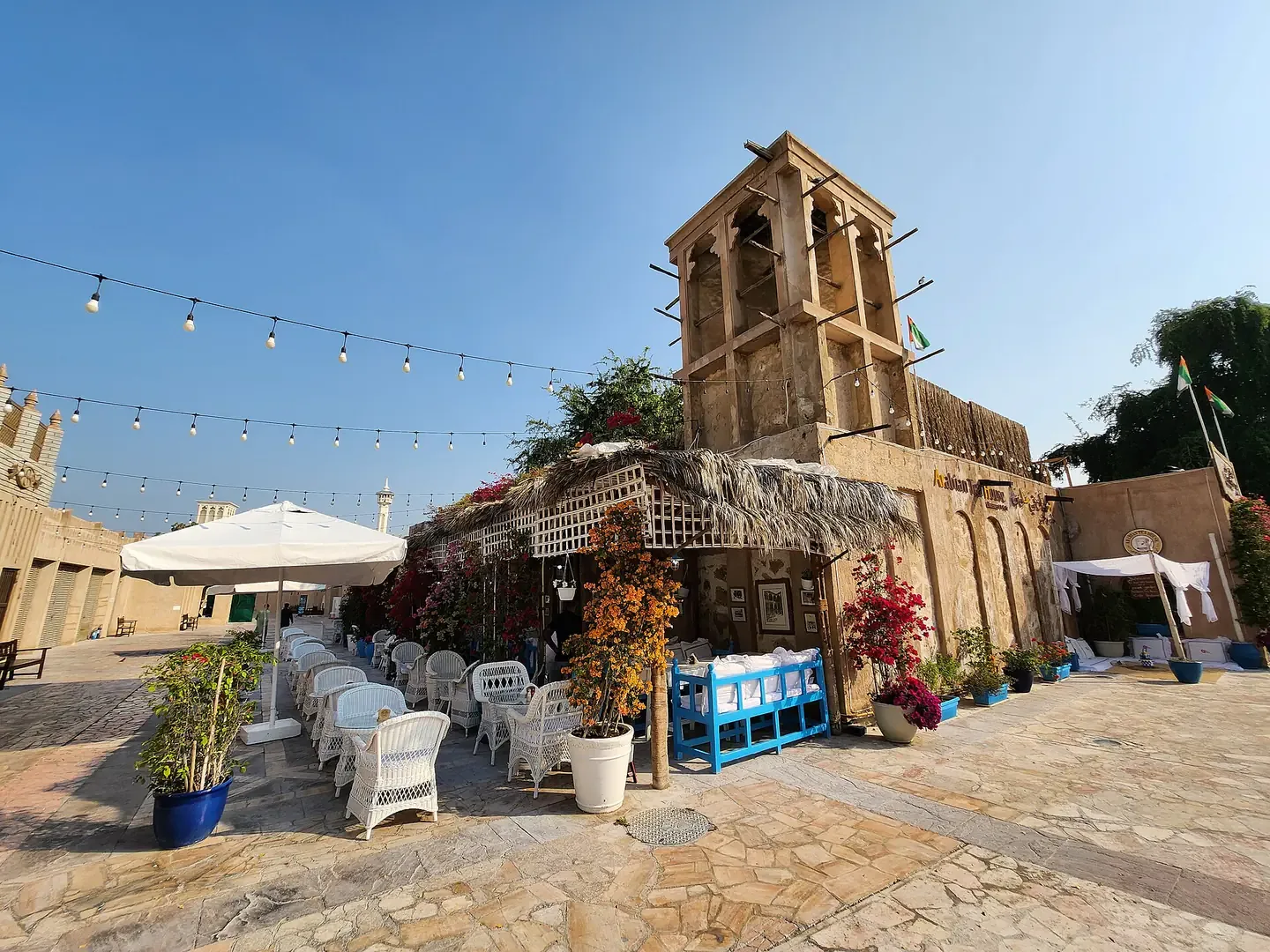
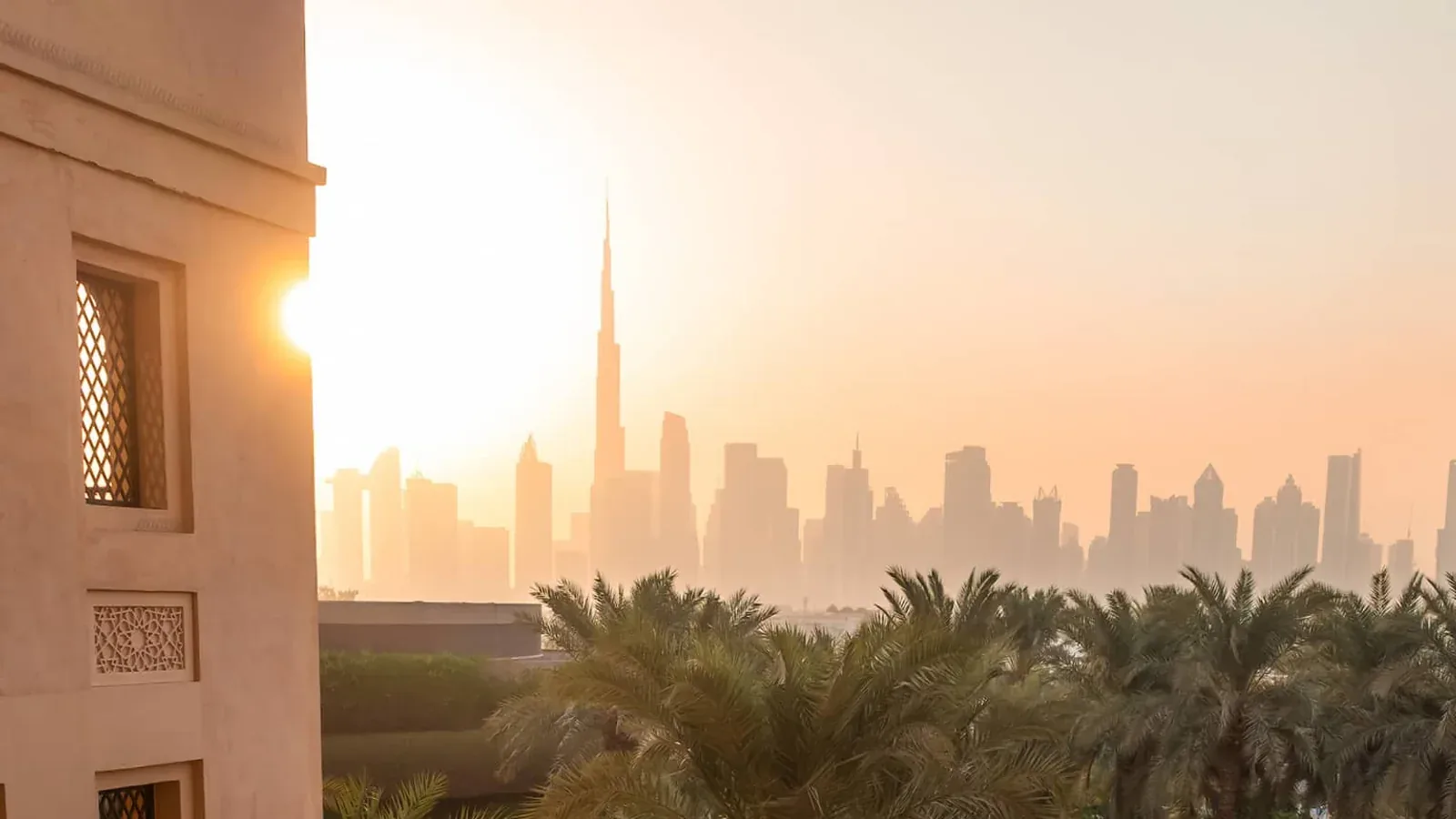
What to notice on site is the urban texture: wind towers, narrow pedestrian passages, shaded courtyards and a slower walking rhythm that is the opposite of Downtown Dubai. The official description highlights how the traditional wind towers were built from coral stone, teak, gypsum, palm wood and sandalwood, which makes this a valuable stop for travelers who want to understand vernacular Gulf architecture rather than just admire a renovated façade.
Plan your visit
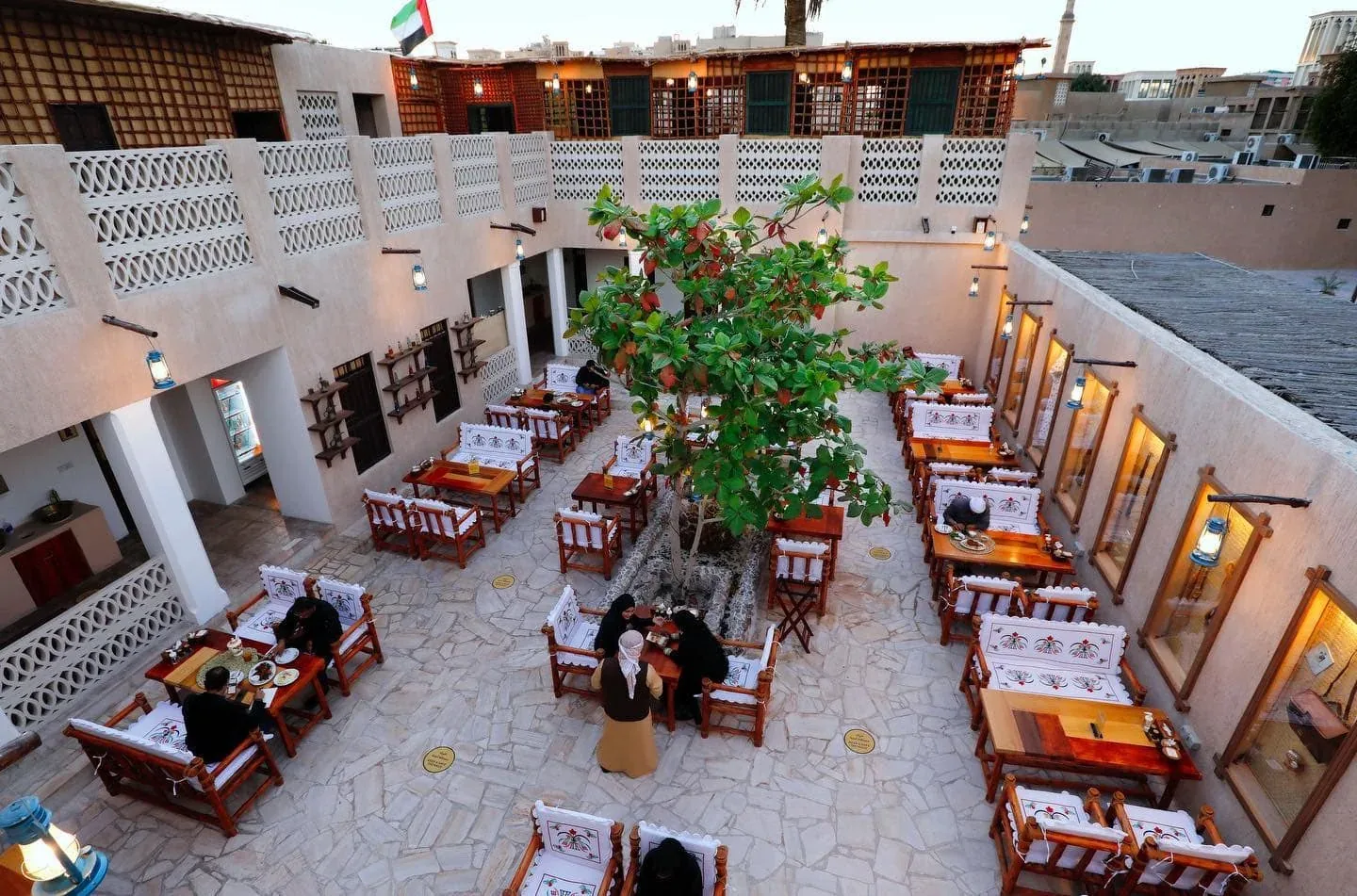
For Muslim travelers, this is one of the easiest and most culturally comfortable districts to spend a morning or late afternoon. The area naturally supports modest dress, family pacing, museum hopping and creek-side meals, and Visit Dubai specifically recommends pairing it with a historic walking route and tea or food breaks in the neighborhood.
Good to know
The best way to visit is to keep it slow: start with the heritage lanes, drop into one or two museums or cultural houses, then continue toward Al Seef or the abra landing stages. That sequencing gives you a richer Old Dubai day than trying to compress the district into a quick photo stop.
Good to know
The best way to use Al Fahidi Historical Neighbourhood in Bur Dubai is to connect it to the surrounding district. Check current timings, ticket or access rules, prayer breaks, transport and the heat before you go, then decide whether it belongs in a morning, sunset or evening block. Dubai rewards visitors who group nearby stops intelligently; this place becomes stronger when it helps the day flow instead of sitting alone on a checklist.