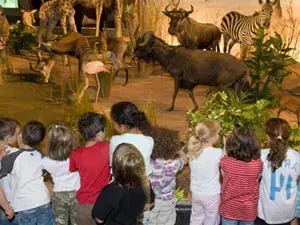
Geneva is a city for the young and the old alike, and it offers unlimited hours of fun for children aged 1 to 101, or a little underage or a little overage. Some of the major attractions for children of all ages include:

The Swiss Museum of Ceramics and Glass, also known as the Ariana Museum, is dedicated to the ceramic arts. It is located in the front yard of the Palais des Nations in the Parc de l'Ariana. The building was constructed between 1877 and 1884 by Gustave Revilliod to house his prodigious art collection. It was named after his mother, Ariane de la Rive. The museum was eventually bequeathed to the city of Geneva and became part of Geneva's Museum of Art and History in 1934. More than 20,000 pieces are in the collection.
22 results
City overviewGeneva is a city for the young and the old alike, and it offers unlimited hours of fun for children aged 1 to 101, or a little underage or a little overage. Some of the major attractions for children of all ages include:
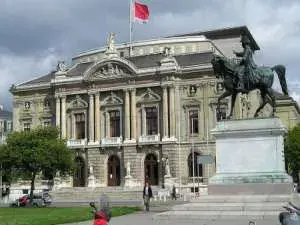
The Rath Museum is the first ever museum to be dedicated wholly to the fine arts in Geneva, in 1826. The building on its own is a masterpiece of architecture. It is located near the city's only remaining ancient rampart walls. The museum contains classical examples from Swiss art and design. Recent ongoing exhibitions from around Europe are also held here.
The Conservatory of Music is a relic from the Byzantine Empire. Decorated with muses of civilizations long gone by, the Conservatory hosts a modern academy of music consisting of several classrooms, in addition to a spacious hall for concerts and performances.
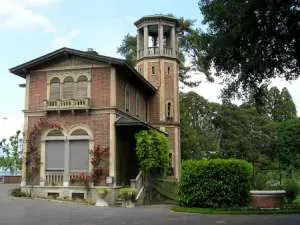
This is the largest park in Geneva. It has a total land area of about 12000 square meters, and is situated alongside the Lake. The park houses the biggest and most splendid rose garden in all of Geneva. A theater inside the park, the Verdure Theatre, has free concerts and performances every Wednesday and Friday night during summers.
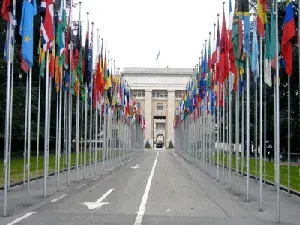
The Palais des Nations was built between 1929 and 1938 to act as headquarters for the League of Nations. The design is a collaboration of five contest winners. It is built in the Neoclassical style. In 1946, the Palais des Nations became the European headquarters for the newly minted United Nations. Over the next thirty years, the palace expanded to its present shape.
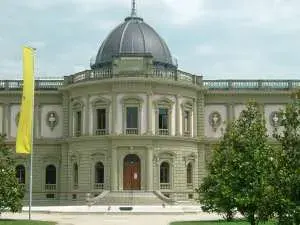
The Ariana Museum, also known as The Swiss Museum of Ceramics and Glass, is dedicated to the ceramic arts. It is located in the front yard of the Palais des Nations in the Parc de l'Ariana. The building was constructed between 1877 and 1884 by Gustave Revilliod to house his prodigious art collection. It was named after his mother, Ariane de la Rive. The museum was eventually bequeathed to the city of Geneva and became part of Geneva's Museum of Art and History in 1934. More than 20,000 pieces are in the collection.
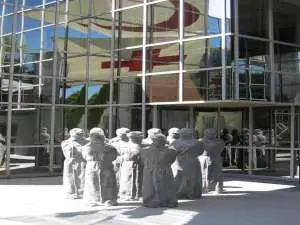
This is reputed as being one of the most visited museums in all of Geneva. This museum features the constant struggle of the world's humanitarian organizations, from their initial primitive stages to the modern, well-developed movements of today. The museum also offers a multi-media experience that is quite unique and informative, providing news and video footage of current issues.
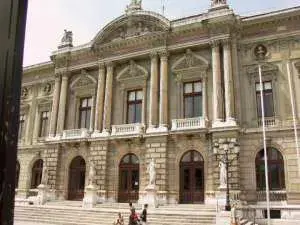
This theatre is very similar to the Garnier Opera House located in Paris. It was constructed in 1879, but later had to be restored in 1961 after a fire damaged the theater. The theater provides a varying yet pleasing mix of classic, opera, and chamber music featuring works of some of the most prominent composers of the past as well as contemporary times.
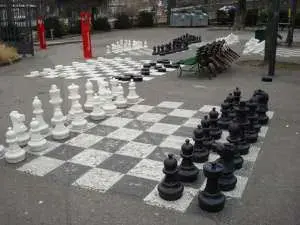
This was formerly a botanical garden, and a site for the first university in Geneva. The tree lined walkways and broad avenues inside the park make it popular for romantic evening walks. The park is buzzing with people almost all day. In one corner of the park is a set of life size chess boards, where aspiring chess players of all ages test their skills. The Reformation Wall on the east side along the ramparts of the old city wall is a landmark, paying tribute to the Reformation founders and leaders. Finally, the Pavilion Cafe offers relaxation when you have finally exhausted yourself.
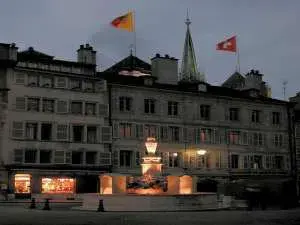
The Bourg-de-Four, an ancient Roman market, is one of the oldest public squares in the city, and still is a central attraction in the area. It is surrounded by cafes, bars, coffee shops, and other such outlets.
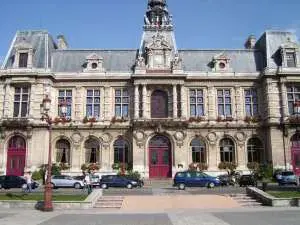
The Hotel de Ville, a glory from the 15th century, is located along the Rue de l'Hotel-de-Ville in the Old Town district. It has witnessed many important political decisions, including the first convening of the Geneva Covention in 1864, and the founding of the League of Nations in 1920.
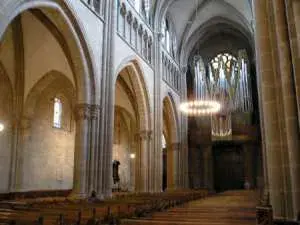
Located right in the center of the city, and dominating the buildings of the old town, the Cathedral is Geneva's oldest and most marvelous architectural heritage. Construction began around 1160, and took over four centuries to complete. Climbing the 157 steps of the north tower gives you breathtaking panoramic views of the entire city. The basement contains an Archaeological Museum that contains artifacts dating back to the 4th century AD.
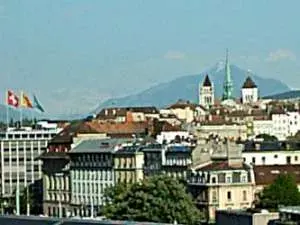
This is an old residential building in Geneva that was destroyed by a massive fire in the early 14th century, but has been restored and converted into a cultural museum. It has on display articles of daily use in Geneva, dating back from the Middle Ages to the late 19th century. The attic has a miniature model of an ancient Geneva when the rampart walls were still in place around the city.
This museum is larger than any other museum in Geneva. The Art and History Museum chronicles and catalogues a comprehensive study of western culture, from ancient to modern times, including current issues. It contains in its collection over one million pieces, classified into three separate wings of the buildings. The Archeology wing houses relics from ancient Egyptian, Greek and Roman civilizations. The Fine Arts wing is home to paintings from the Renaissance era onwards, including works by renowned artists like Van Gogh and Renoir. The third wing, the Applied Arts wing displays weapons, household items, including furniture, cutlery, decorative elements, and other objects of daily life from the medieval times.
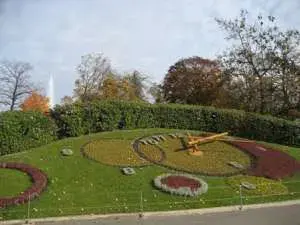
Located near the Jet d’Eau, this garden houses the famous “Flower Clock,” the largest flower clock in the world, symbolizing Geneva’s dedication to living harmoniously with nature. The dial is made up of around 6,500 flowers that are replaced with new arrangements several times in a year. The park also contains several notable works of art, including benches, fountains, and the popular ‘Monument National’.
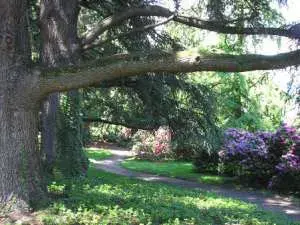
Adjacent to the Parc la Grange on a smoothly sloping hillside, Eaux Vives Park offes a relaxing escape into serenity. The park contains the headquarters of the Geneva Sports Association. An ancient 18th century castle that stood on the site has been conveniently converted into a fancy restaurant.
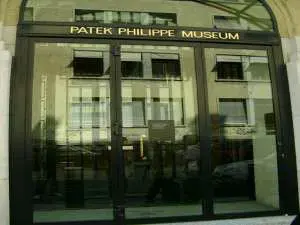
The Patek Philippe Museum chronicles the history and evolution of the art of watch making in Geneva, from its humble beginnings to its modern status as the world leader in horology. The museum contains a marvellous collection of timepieces, including watches, clocks, pendulum clocks, and sundials, dating back to the early 1500's. Modern masterpieces are also up for display, spanning the four floors of the museum.
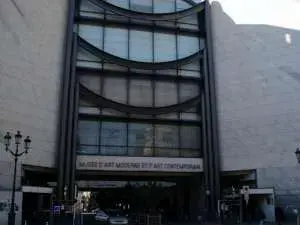
The Museum of Modern and Contemporary Art is a brilliant museum on modern European art. Supported by a team of hardworking artists from the Centre of Contemporary Art, MAMCO has a constantly changing atmosphere all year round. Not only are the exhibits constantly updated, but also the interior construction of the museum is altered thrice annually.
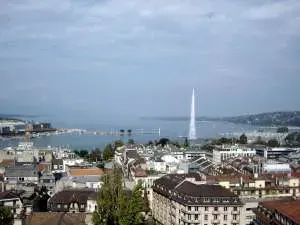
The Jet d'eau in Lake Geneva spouting 140 meters into the air is regarded as the world's tallest water fountain, symbolizing Geneva's position as a leader in harnessing hydraulic power.
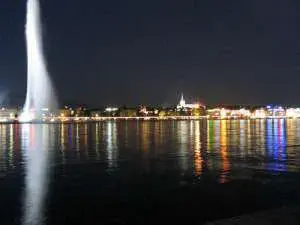
Geneva's world famous Lake Leman, often referred to as Lake Geneva, is the largest body of fresh water in Switzerland, and is the central attraction of the city. It offers a tranquil ambience for relaxation and recreational activities all year round. The Promenades built along the right and left banks of the lake contain cafes, street markets, parks, amusement rides, and other attractions.
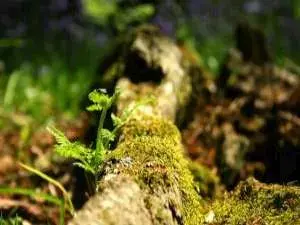
Batie Woods is a wildlife refuge spanning about 20 hectares. Joggers and hikers enjoy the hiking trails that run through the park. There is also a small zoo inside the woods.
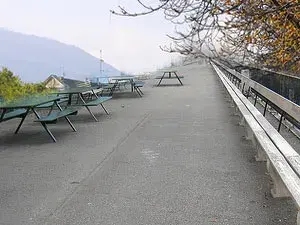
The Treille Promenade, near the southern part of the Old Town, offers scenic views of the city from a breathtaking height.