City Information
Explore city history, fast facts, climate and practical visitor information for Hanoi.
City Information
Hanoi Residents
City Information
When to Go
The ideal time to visit Hanoi is in spring or autumn. The ‘Tet’ holiday which is the celebration of the Lunar New Year is in the spring; flowers are at their most beautiful during this time of the year and the city becomes even more magical as locals celebrate what is an important part of the year for them. The weather starts to warm up with occasional light rain which the citizens of Hanoi believe brings prosperity and luck for the New Year. Autumn is also a unique time of the year in Hanoi. The temperature drops and the humidity of the summer months dissipates, and the foliage is beautiful, as it is in the spring. It is not advisable to visit Hanoi in the summer months due to the intolerable heat and humidity, and winters are generally cold, and made even colder by an absence of central heating systems.
Read full articleCity Information
Fast Facts
The city is located on the right bank of the Red River. Hanoi is located at 1,760 km north of Ho Chi Minh City and is the capital of Vietnam.
Read full articleCity Information
Exchange Rates
Currency in Vietnam is: Vietnamese Dong (VND)
Read full articleCity Information
Public Holidays
New Year's Day - 1st January Lunar New Year - varies annually Hung Kings Commemorations - 23rd April Liberation Day - 30th April Labor Day - 1st May National Day - 2nd September
Read full articleCity Information
Annual Temperatures
Month Average Minimum Average Maximum January 13 20 February 15 20 March 18 23 April 21 27 May 24 32 June 25 33 July 26 33 August 25 32 September 24 31 October 22 29 November 18 25 December 15 22
Read full articleCity Information
Hanoi Today
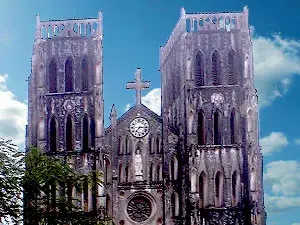
Hanoi today is the leading center of scientific study and research in the country and has always been a centre for education and the arts. Retaining much of its older colonial charm, a fairly significant side effect of conflict has been to make Hanoi largely oblivious to modern architecture, except of course in select cases. The Old Quarter is famous for uninterrupted stretches of colonial and pre-colonial architecture, and it trades the commercial boom and modern sprawl of Ho Chi Minh City in the South for a more understated charm, worth enjoying for an extra day or two, and with countless transport options and travel agents, it makes a perfect base for exploration of the North.
Read full articleCity Information
Hanoi History
Hanoi has made a fine capital for more than a thousand years; through several invasions, occupations, restorations, and name changes. The Nguyen Dynasty gave the city its modern name of Ha Noi in 1831, and in 1887, the French colonists made Hanoi the capital of all Indochina. It changed hands again in 1954 and, when it was ceded to Ho Chi Minh and the Viet Minh after almost a decade of fighting, it became the capital of North Vietnam. Upon reunification in 1975, it assumed that title for the entire country. Its post reunification history has been one of growth and progress and till today it retains the most unique feel of all the cities in Vietnam.
Read full articleKeep exploring Hanoi
More places in Hanoi
Keep exploring Hanoi and add more stops to your plan.






More restaurants in Hanoi
Keep exploring Hanoi and add more stops to your plan.





More hotels in Hanoi
Keep exploring Hanoi and add more stops to your plan.