Skip to content
Hanoi
Hanoi

Top places to visit

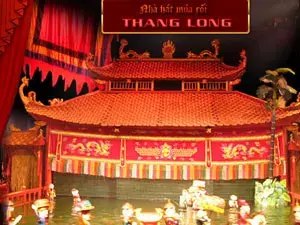
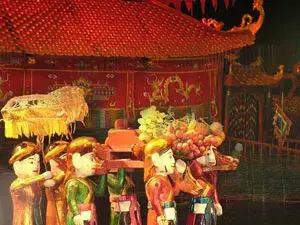
Water puppet theatre is an ancient art form in Vietnam which appeals to all ages. These shows are colorful, entertaining and accompanied by traditional Vietnamese music. It’s advisable to book tickets in advance for the best seats. The show is performed throughout the week, three times on a Sunday and twice Monday through Saturday.

35 results

City overview
alt

Water puppet theatre is an ancient art form in Vietnam which appeals to all ages. These shows are colorful, entertaining and accompanied by traditional Vietnamese music. It’s advisable to book tickets in advance for the best seats. The show is performed throughout the week, three times on a Sunday and twice Monday through Saturday.

alt

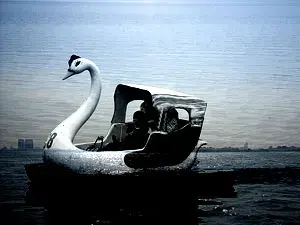
The paddleboats can be found at the boat launches along Thanh Nien and with a little work you can sail out onto Truc Bach or West Lake in your own private plastic goose. Children have to be accompanied by an adult.

alt

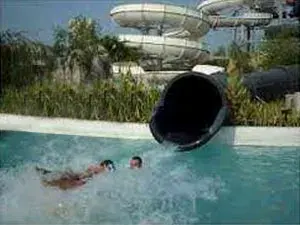
Five kilometers north of the city centre, this is an excellent day out with children on a hot day. The park opens early and stays open till 9pm. Water slides and refreshing pools are enjoyed by all ages, while the adjacent Moon Park offers roller coasters and other exciting activities for when it gets cooler in the evenings. The park is open for eight months of the year from April to November.

alt

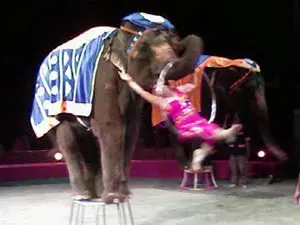
The huge tent, which is a permanent fixture at the northern end of Lenin Park, is home to Hanoi's Central Circus. Shows are held Wednesday through Saturday at 8pm and on Sunday mornings at 9am. The Sunday morning show is held with children in mind, and is a popular Sunday activity with residents of Hanoi.

alt

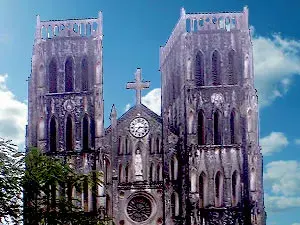
St Joseph's Cathedral, also known as Nha Tha Lon, is the oldest Roman Catholic Church in Hanoi and was consecrated on the night of Christmas in 1886. Built by the French on the site of a demolished pagoda; St Joseph's Cathedral is known simply as the "Big Church" among the Vietnamese of Hanoi and is designed to resemble the Notre Dame in Paris.

alt

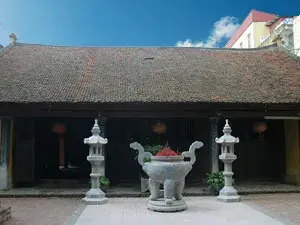
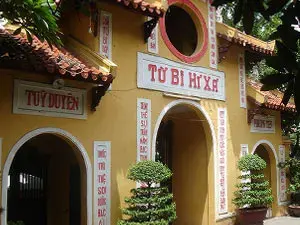
Ba Da Pagoda was originally called Sung Khanh Pagoda and was built in 1056 AD, during the Ly Thanh Ton Dynasty. The original temple has long disappeared and has been called many names throughout its history. It is located at the end of a narrow alley off a street that runs between the Ho Hoan Kiem Lake and St Joseph's Cathedral.

alt

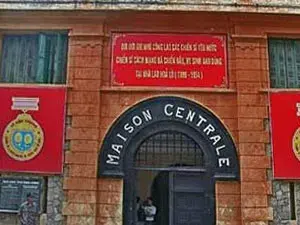
Constructed by the French in 1896; mainly to house political prisoners it was taken over by the Vietnamese in 1954. From 1964 to 1973 it was a major POW detention facility with some of the famous inmates including U.S. Sen. John McCain, Pete Peterson, the ambassador to Vietnam, and Lt. Everett Alvarez, officially the first American pilot to be shot down over Vietnam. To the west of the main complex is the guillotine room, still with its original equipment, and the female and Vietnamese political prisoners' quarters. The courtyard linking the two has parts of original tunnels once used by a hundred Vietnamese revolutionaries who escaped the jail in 1945. Visiting hours are from 8am – 5pm, and an admission fee has to be paid.

alt

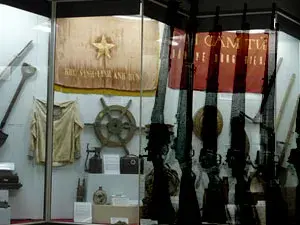
Popular among war buffs and historians, the revolutionary museum chronicles the rise of the Communist Party and its leader Ho Chi Minh. Although a little neglected, this museum is a treasure trove of old oil paintings, photographs and memorabilia chronicling the life of Ho Chi Minh and the early revolutions. There is an admission fee and visiting hours are between 8am and 11.45am and 2pm to 4.15pm.

alt

Constructed in the 15th century the pagoda became the headquarters of the Tonkin Buddhist Association in 1934, and today it is headquarters for the Vietnam Central Buddhist Congregation.

alt

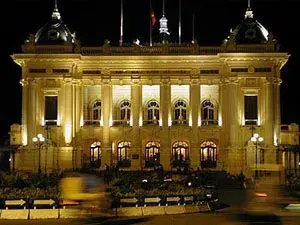
The Hanoi Opera House, also called Nha Hat Lon Ha Noi or Hanoi Municipal Theatre, is a landmark of the French Quarter of Hanoi. Unfortunately, to get inside, visitors have to attend a performance, which are usually enjoyable but few and far between.

alt

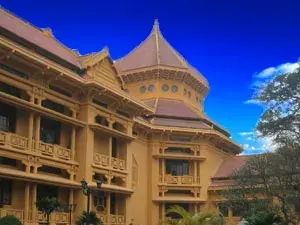
Housed in a building that was the French consulate until 1910, it is now a museum in varying degrees; the collection includes prehistoric artifacts and carvings to funerary jars and some very fine examples of traditional drums from the north. The collection also contains items obtained from excavations of Han tombs, artifacts from the Buddhist statuary, and everyday items of early history.

alt

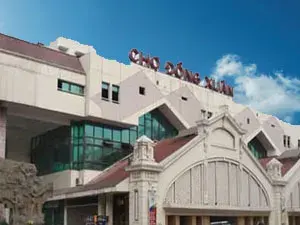
This large three-story market is slightly to the north of Hanoi's Old Quarter and offers a varied selection of merchandise. Hundreds of stalls are located in the market, employing thousands of workers, trading extremely fresh produce, dried foods, household goods, appliances and more. The market is historically significant as well as it witnessed fierce fighting between Vietnamese resistance units and the French.

alt

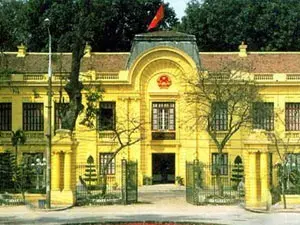
The Museum of Vietnamese Revolution documents the country's various struggles for independence and the history of the Communist Party. The rustic museum houses objects on display offer a creative and multi-dimensional insight; from a Japanese Buddhist drum used to rally the party in the 1960s to Vietnam’s first sewing machine.

alt

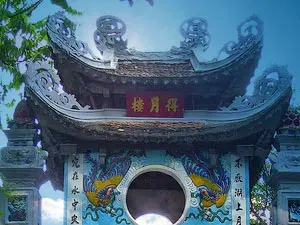
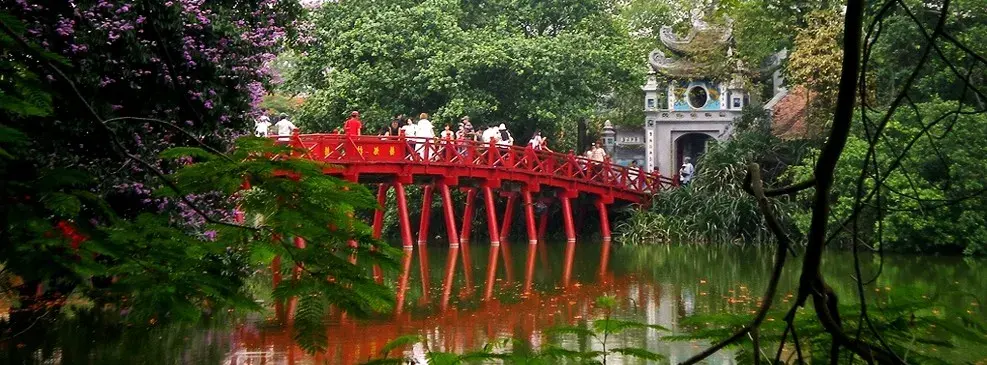
Also known as the Temple of the Jade Mound; Den Ngoc Son is a small temple on an islet in the middle of Hoan Kiem Lake. The temple is open daily from 8am to 6pm, and there is an admission charge. The patron of Den Ngoc Son is believed to be Tran Hung Dao, a legendary general. Within the temple is a sculpture of a fabled tortoise from the legend of the lake. The temple grounds offer great views of the surrounding lake, and the little lakeside park on the island is a popular place for elderly men to enjoy a game of Chinese chess.

alt

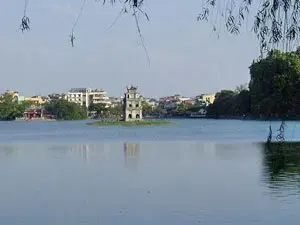
Hoan Kiem Lake is the center of the city both literally and figuratively. The lake is the city's most popular strolling ground and large groups can be seen in the mornings walking or jogging along the lake or taking part in tai chi exercises. In the middle of the lake is Thap Rua, or Tortoise Tower a three-storey pagoda built in the 18th century. Turtles can be seen basking at the temple's base; with some estimated to be up to 500 years old.

alt

Located on Hang Duong Street in the Old Quarter, the communal house dates back to the 13th century and still functions as a temple, with altars to deities and small shrines in niches on the wall.

alt

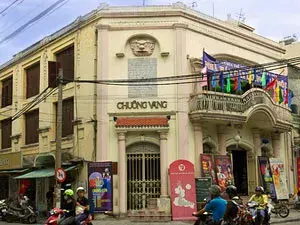
The Golden Bell Theatre is a heritage building located on Silver Street, one of the oldest streets in Hanoi. The theatre has the Vietnamese revolution closely interwoven into its history. During the revolution it served as the headquarters of the Hanoi Guards. In 1947, freedom fighters pledged their allegiance to the revolution from its steps. Often overlooked by hurried tourists, it remains a symbolic piece of Vietnam’s heritage.

alt

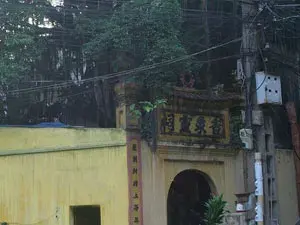
Huong Tuong Temple is a small temple located on Hang Buom or Sail Street. The temple is said to be over a thousand years old, having been founded in the 9th century, and it still stands as one of the grandest temples in Hanoi's Old Quarter. Classified as a Vietnam National Heritage Site in 2000, further restoration and documentation has returned Den Huong Tuong to its original architecture.

alt

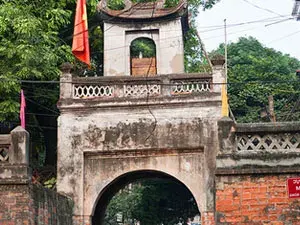
Cua O Quan Chong, or the Old East Gate, is the only one of the original sixteen gates that provided access to the old city still standing. The Old East Gate is located within the Old Quarters of Hanoi; and dates back from the time when Hanoi was a medieval city.

alt

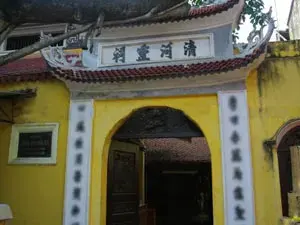
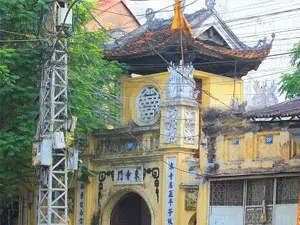
Also known as Chua Cau Dong; this magnificent, elaborately ornate temple is said to be nearly a thousand years old with some of its statues and dating back 400 years.

alt

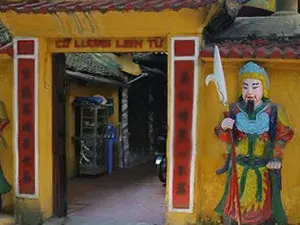
A small temple; it is located at the end of a small and is recognizable by the two colorfully garbed door guards flanking its entrance.

alt

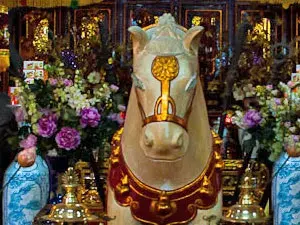
Den Bach Ma, or Temple of the White Horse, is over a thousand years old, having been founded in the 9th century; although nothing remains today from its founding days. The temple itself dates back to its 18th and 19th century reconstruction, and still stands as one of the grandest temples in Hanoi's Old Quarters.

alt

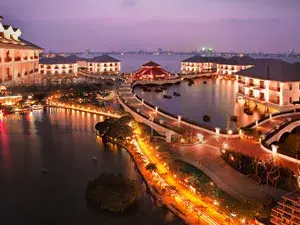
Ho Tay, or West Lake, is the largest lake in Hanoi and is popularly known as the Lake of Mists. During medieval times, kings as well as warlords had their palaces built on its banks while in more recent times the lakeside has seen the sprouting of villas, hotels and restaurants; and is now a trendy locale which many expatriates and young Hanoians call home. The lake is also steeped in legend and is bordered by several significant pagodas.