Why it is worth attending
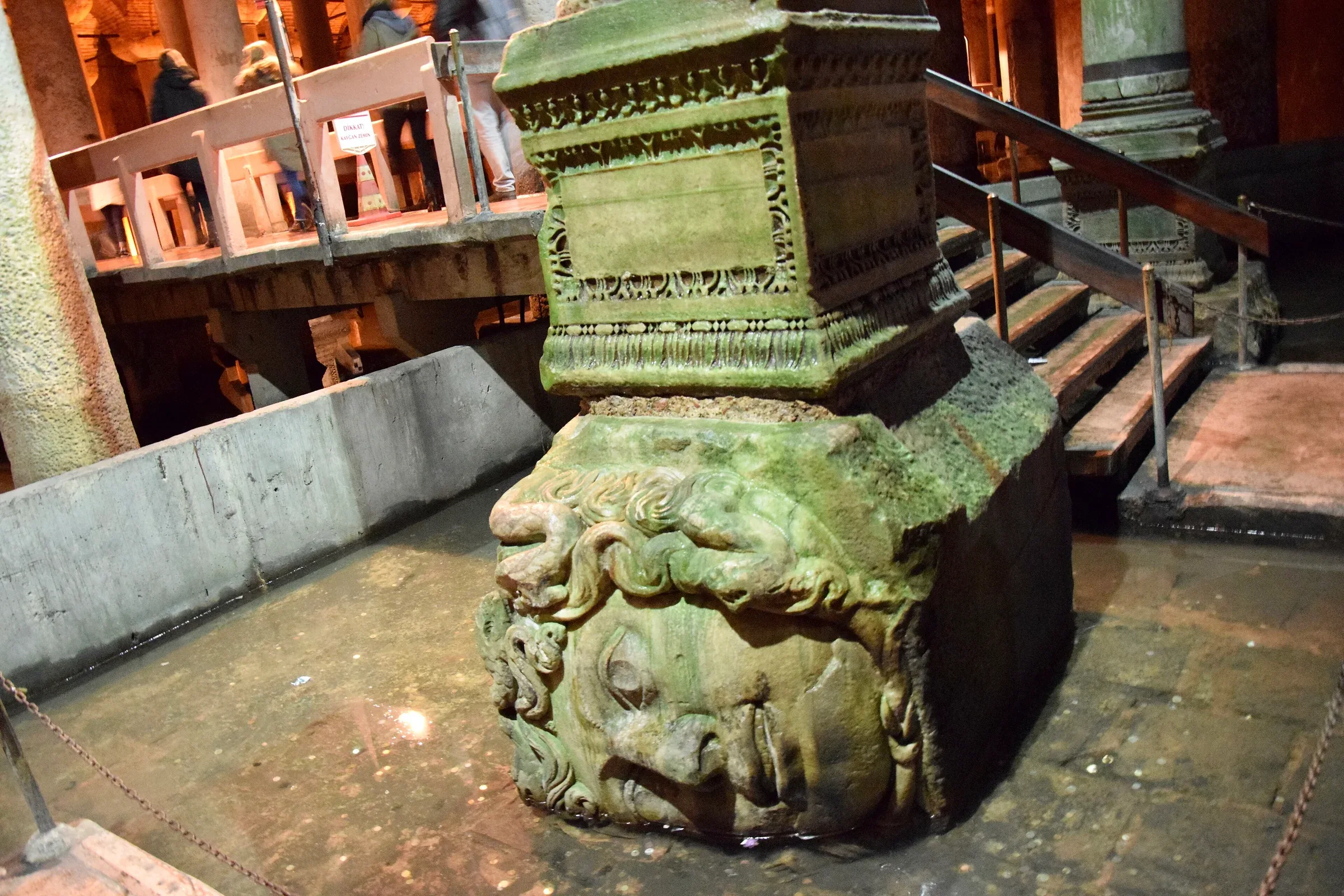
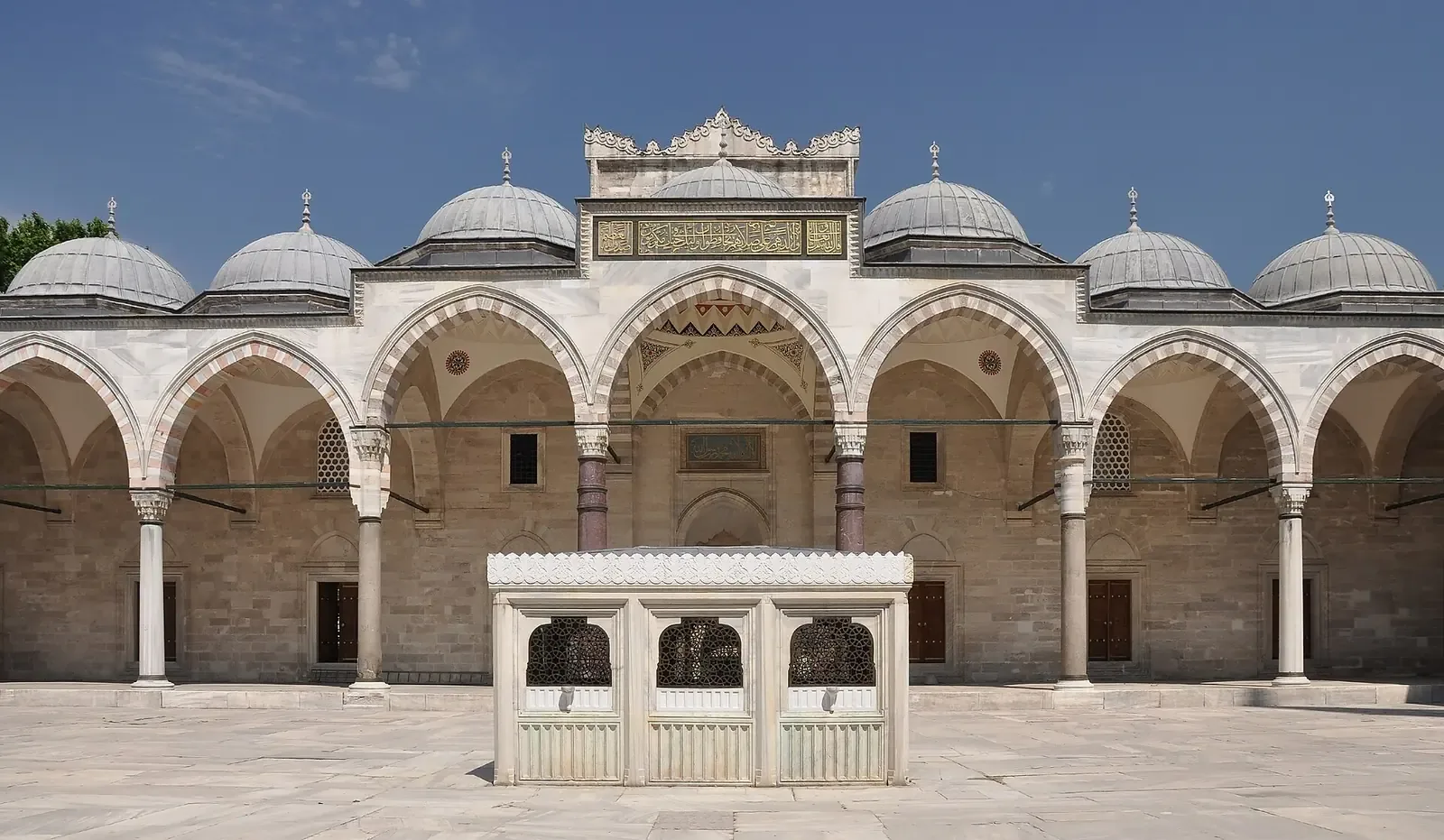
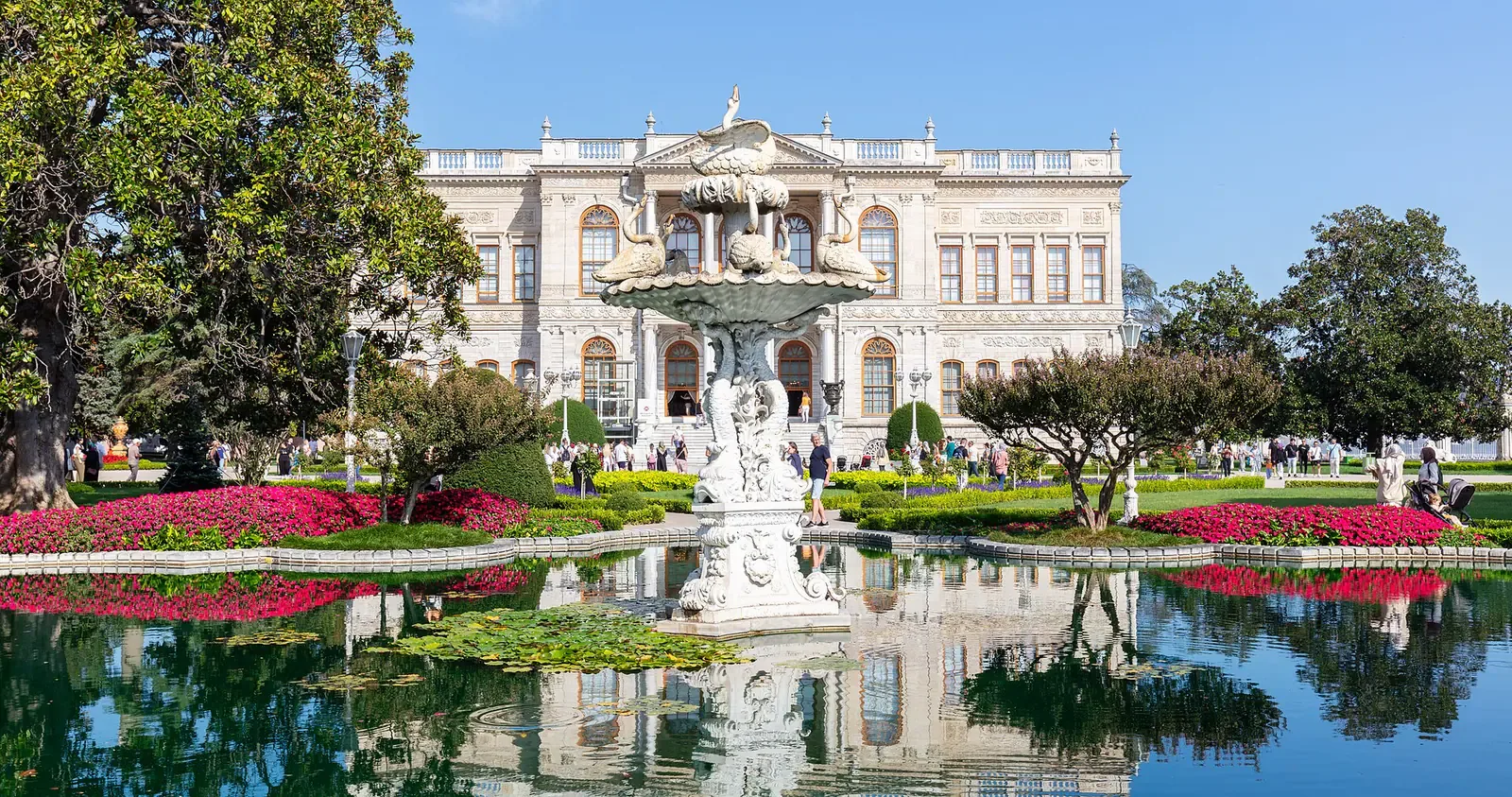
The 18th Istanbul Biennial unfolds in phases through 2025–2027, with dedicated public programs and academy-style activities continuing into 2026. It occupies eight or more venues citywide, transforming historic buildings, warehouses, and public spaces into temporary exhibition sites. The format encourages repeated visits as new installations open.
What to expect
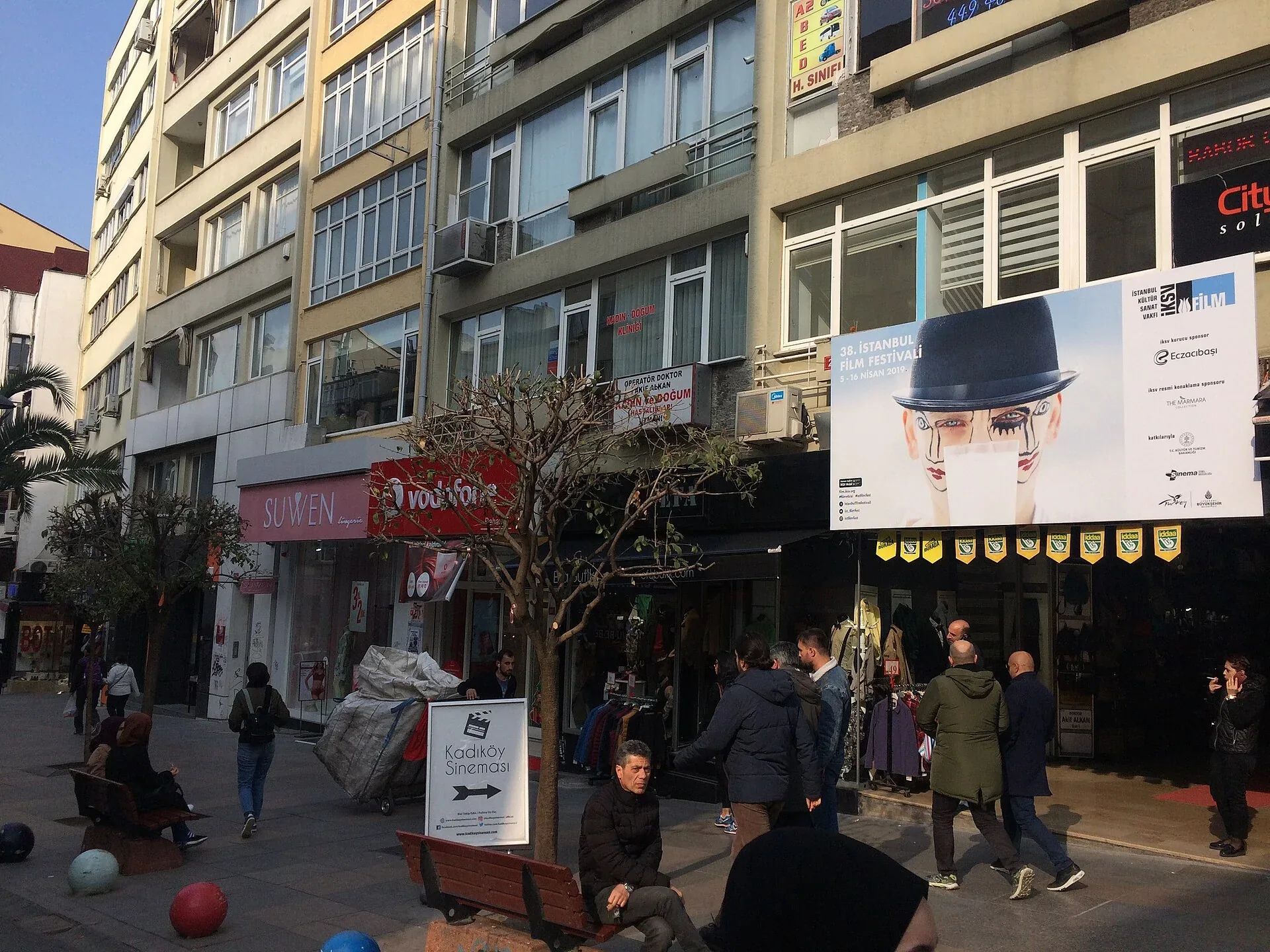
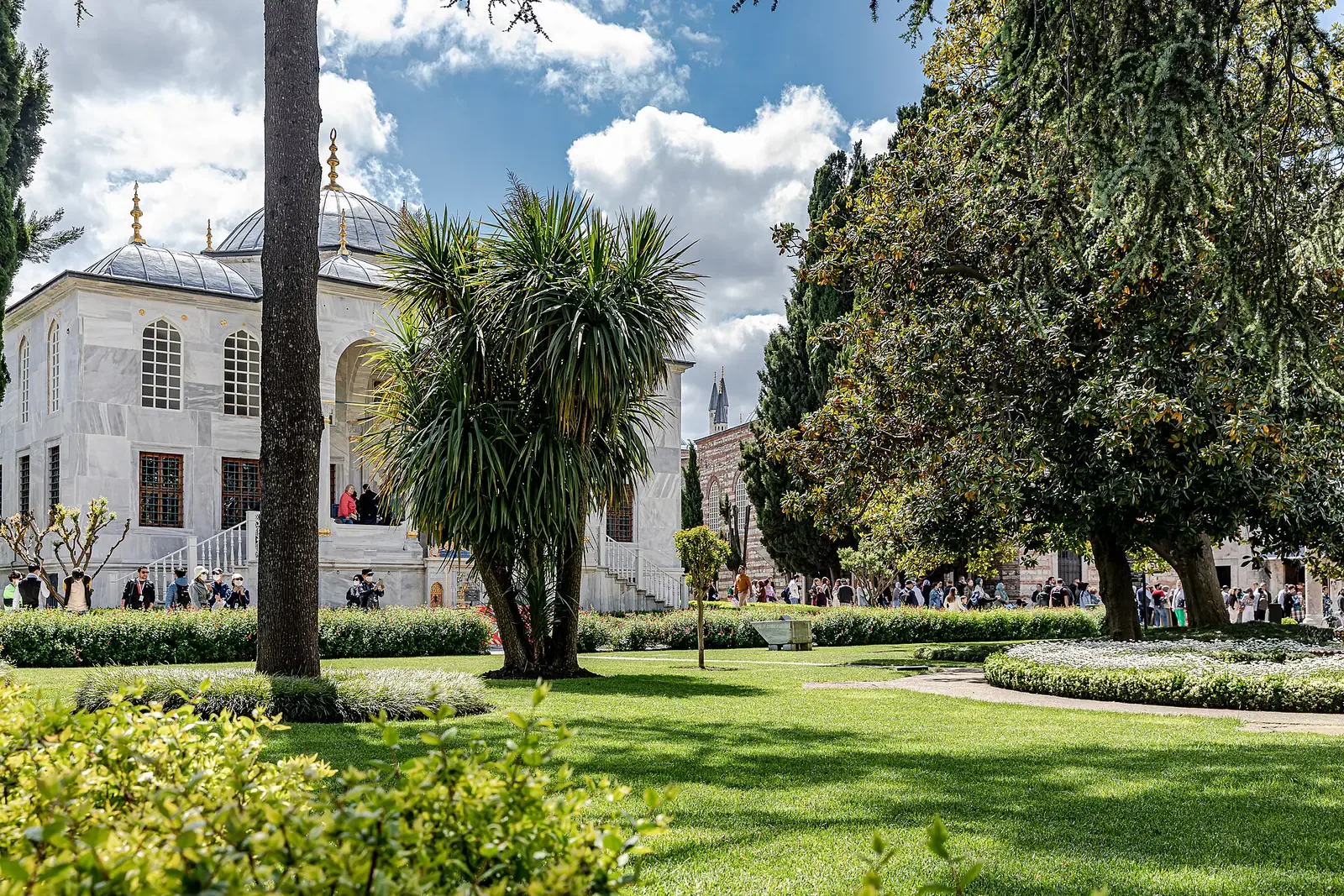
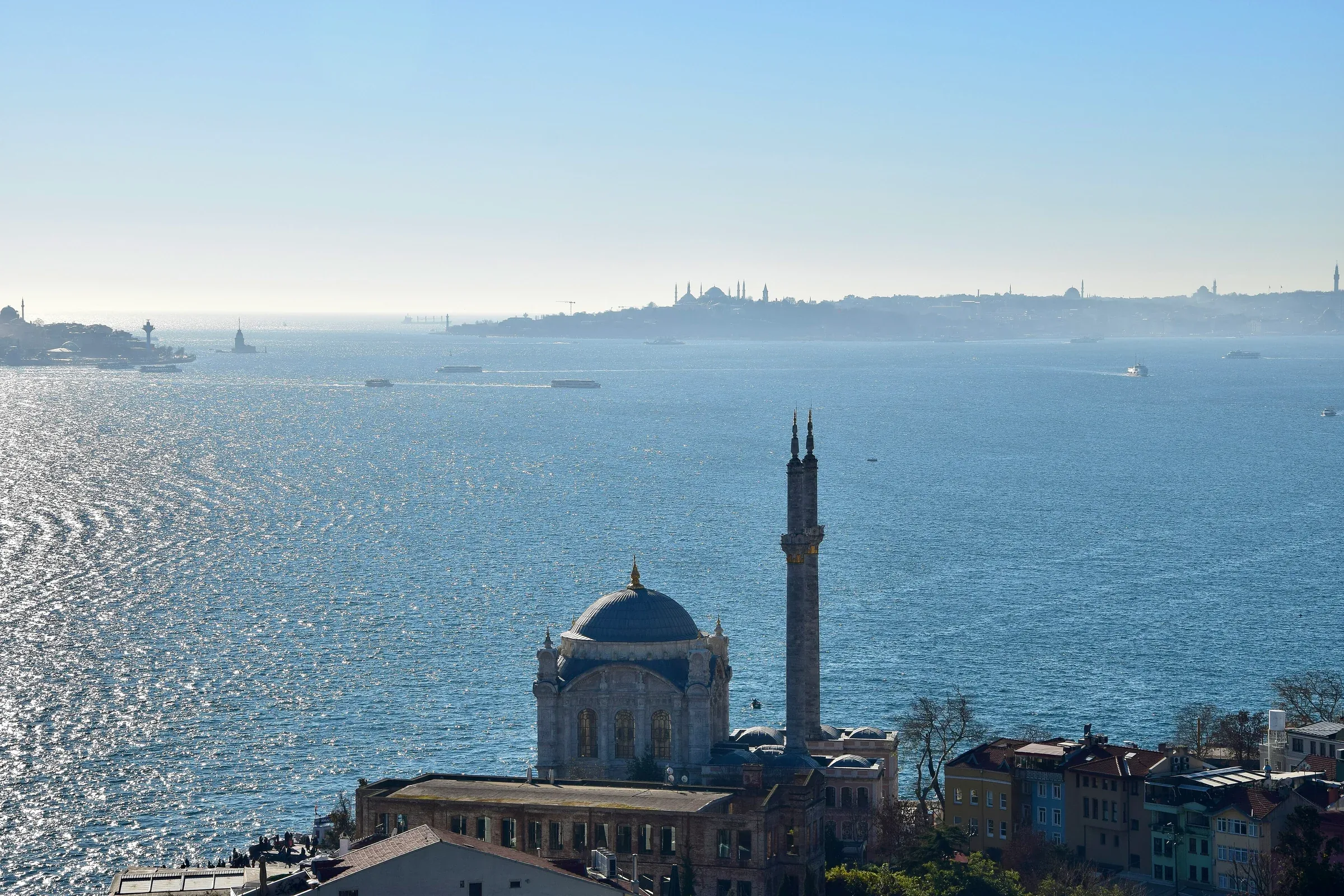
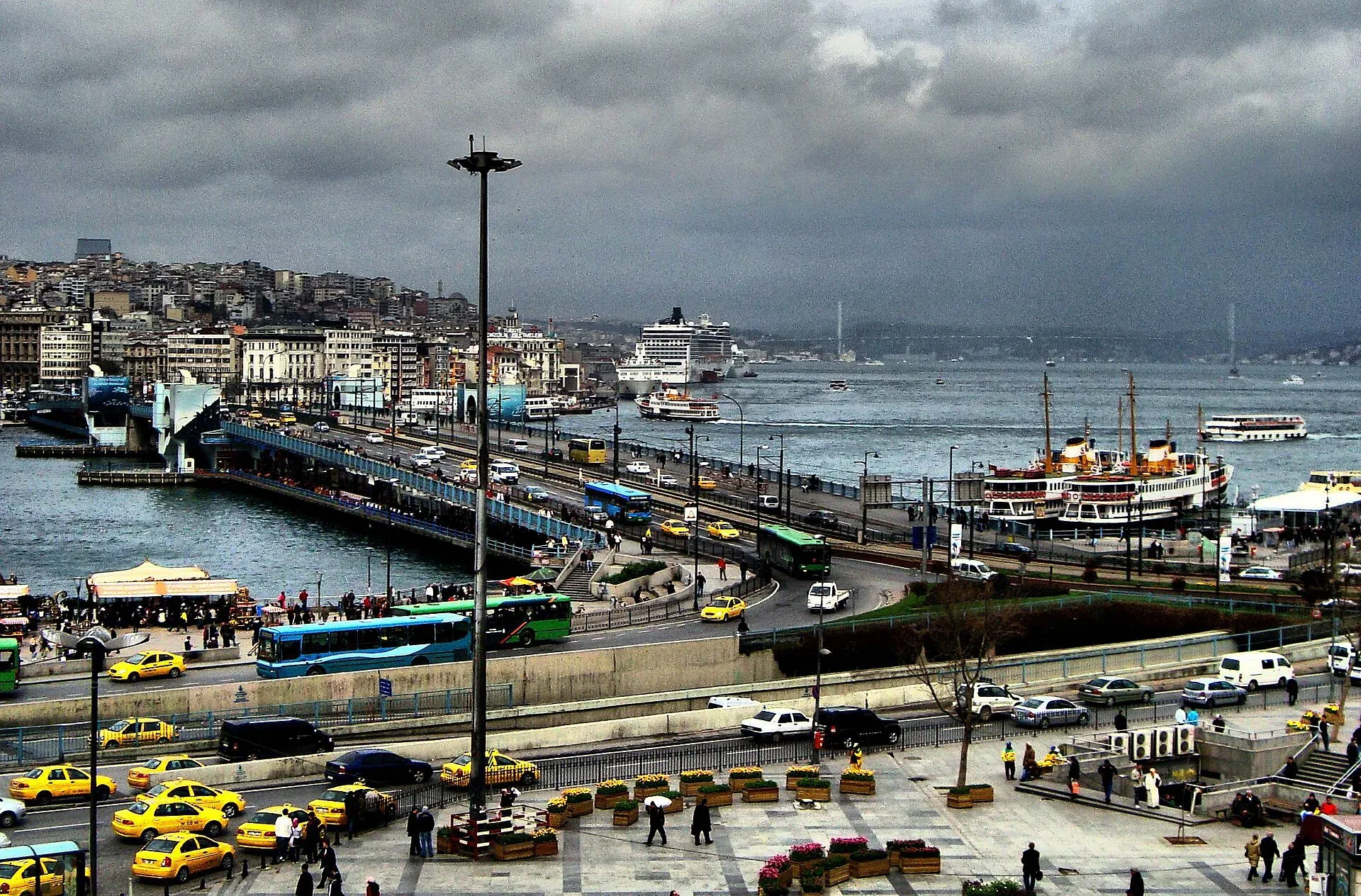
Visitors explore on foot or by ferry between European and Asian locations, often combining art viewing with neighborhood walks in Balat, Karaköy, or Kadıköy. Free or low-cost entry for many public programs makes it accessible for families and longer-stay travelers.
Before you go
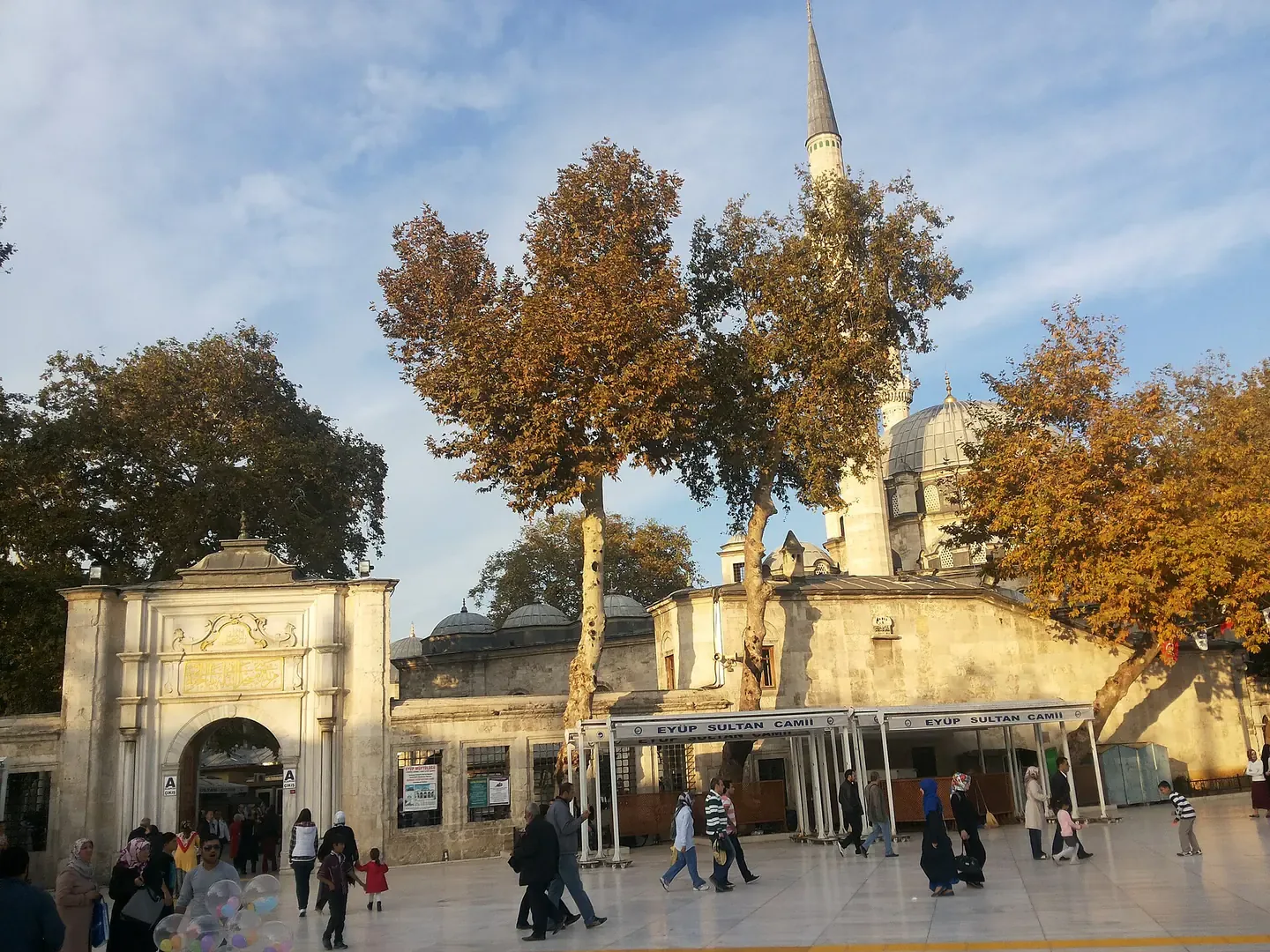
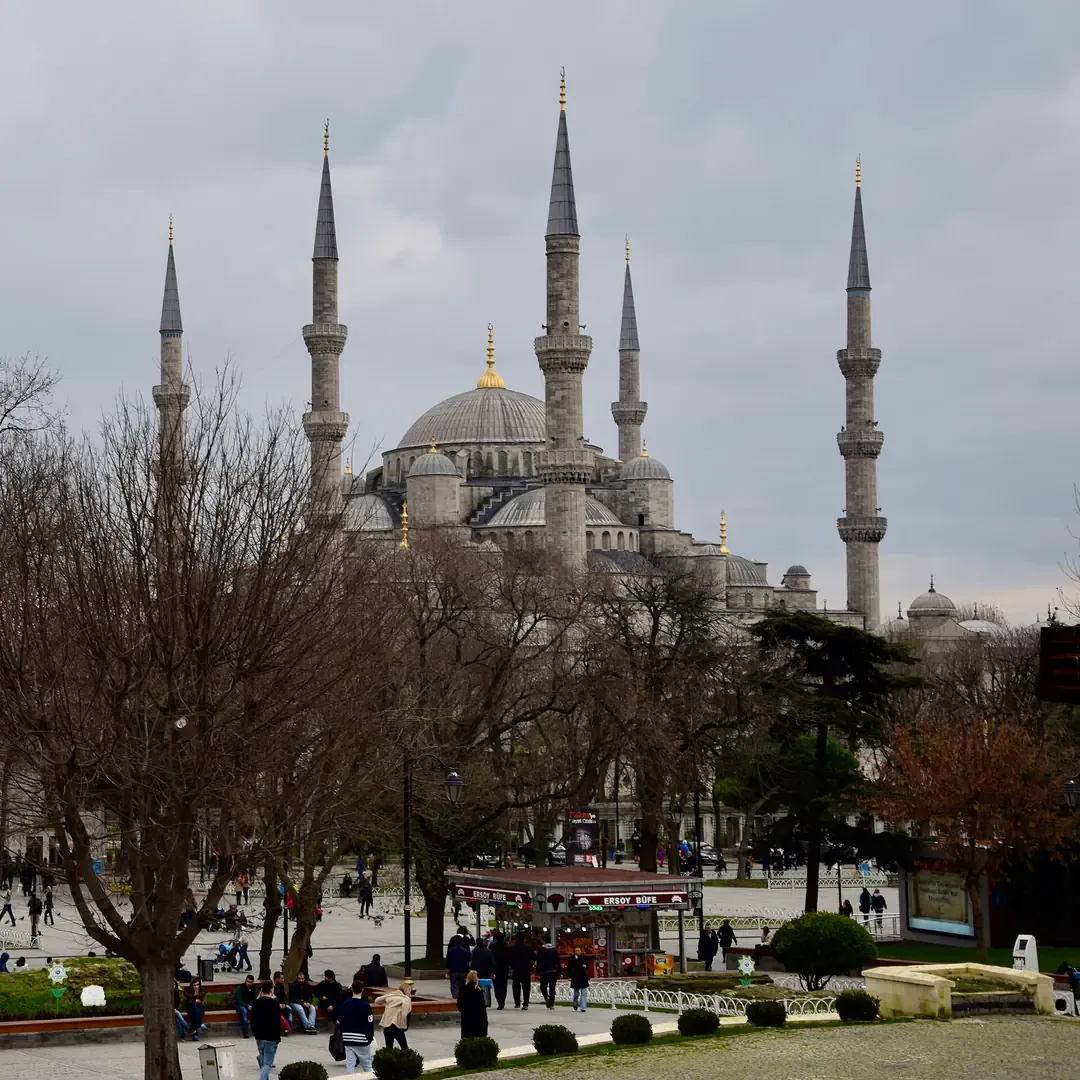
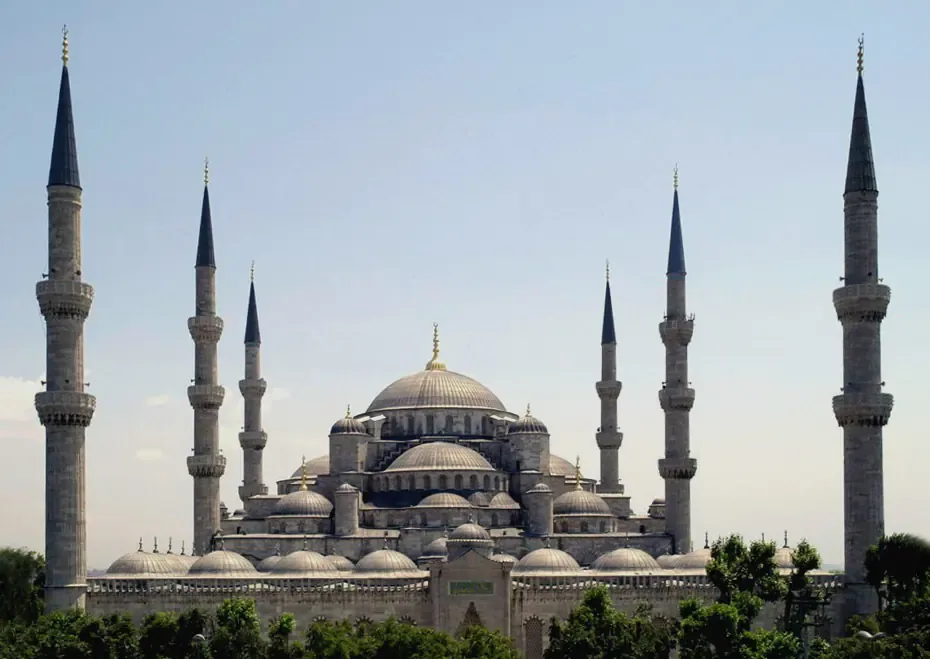
Muslim travelers note the sober, reflective atmosphere typical of contemporary art settings; alcohol service remains minimal in exhibition spaces. Prayer access follows the standard Muslim-majority baseline with mosques nearby most central venues. Modest dress is expected and comfortable for extended walking.
Good to know
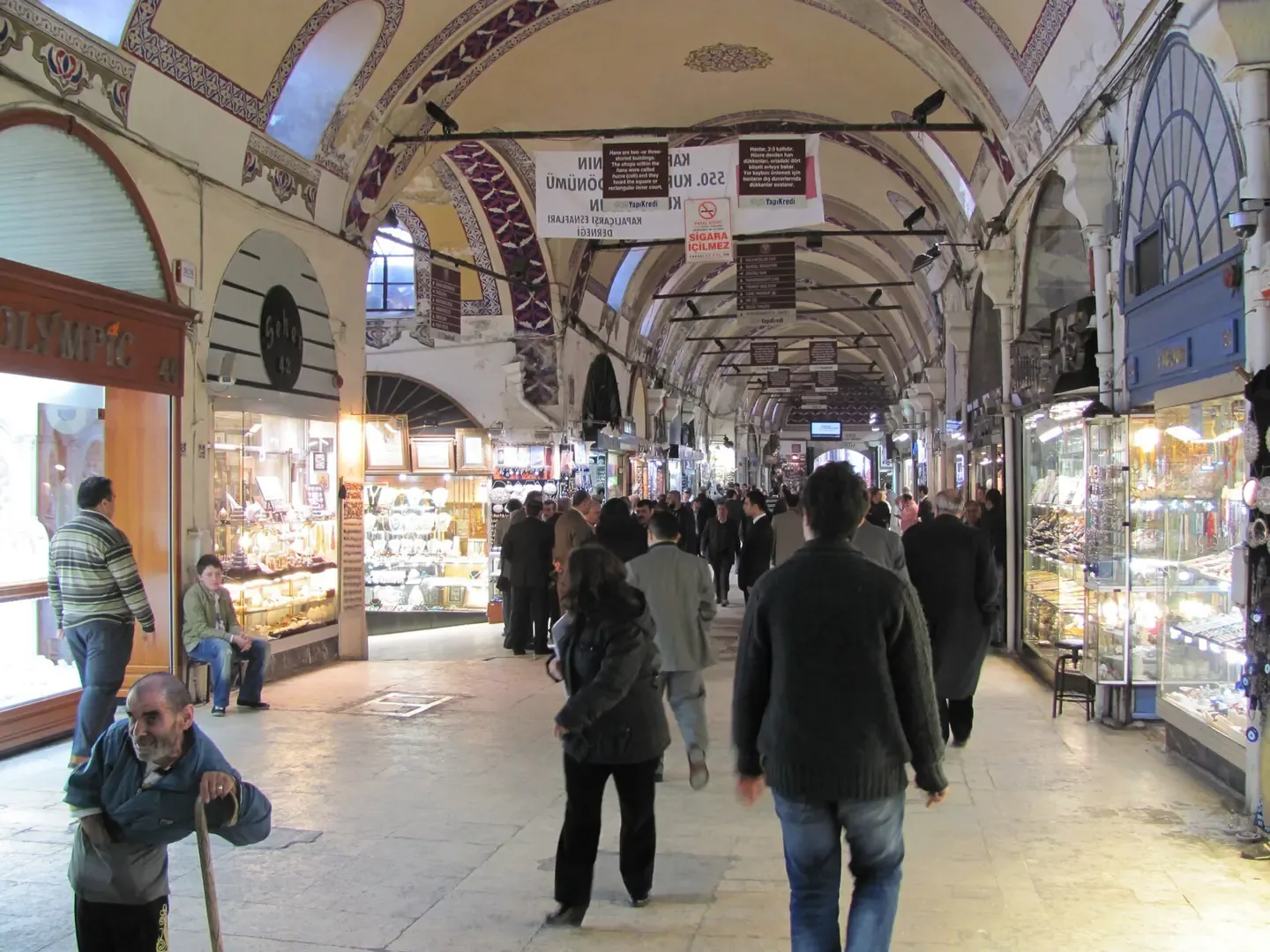
Limitation: The multi-year structure means not every installation is open simultaneously; check current schedules before planning. It enriches repeat-visitor and photography itineraries by highlighting lesser-known neighborhoods and pairs naturally with modest shopping districts.
Good to know
Istanbul Biennial in multiple venues citywide should be read as a recommended planning stop in Irhal's Istanbul guide, with art biennial festival value tied to neighborhood logic, visitor effort and whether it helps a traveller build a cleaner day. The strongest use is to decide why this stop belongs in the route, what kind of traveller it suits, and what should be verified before committing time or budget.