Why visit
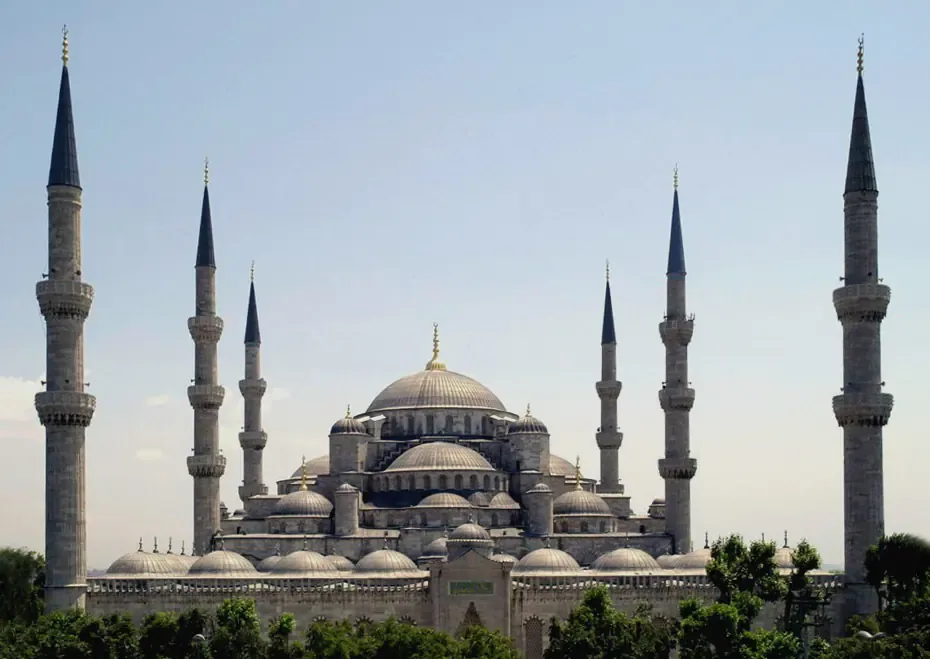
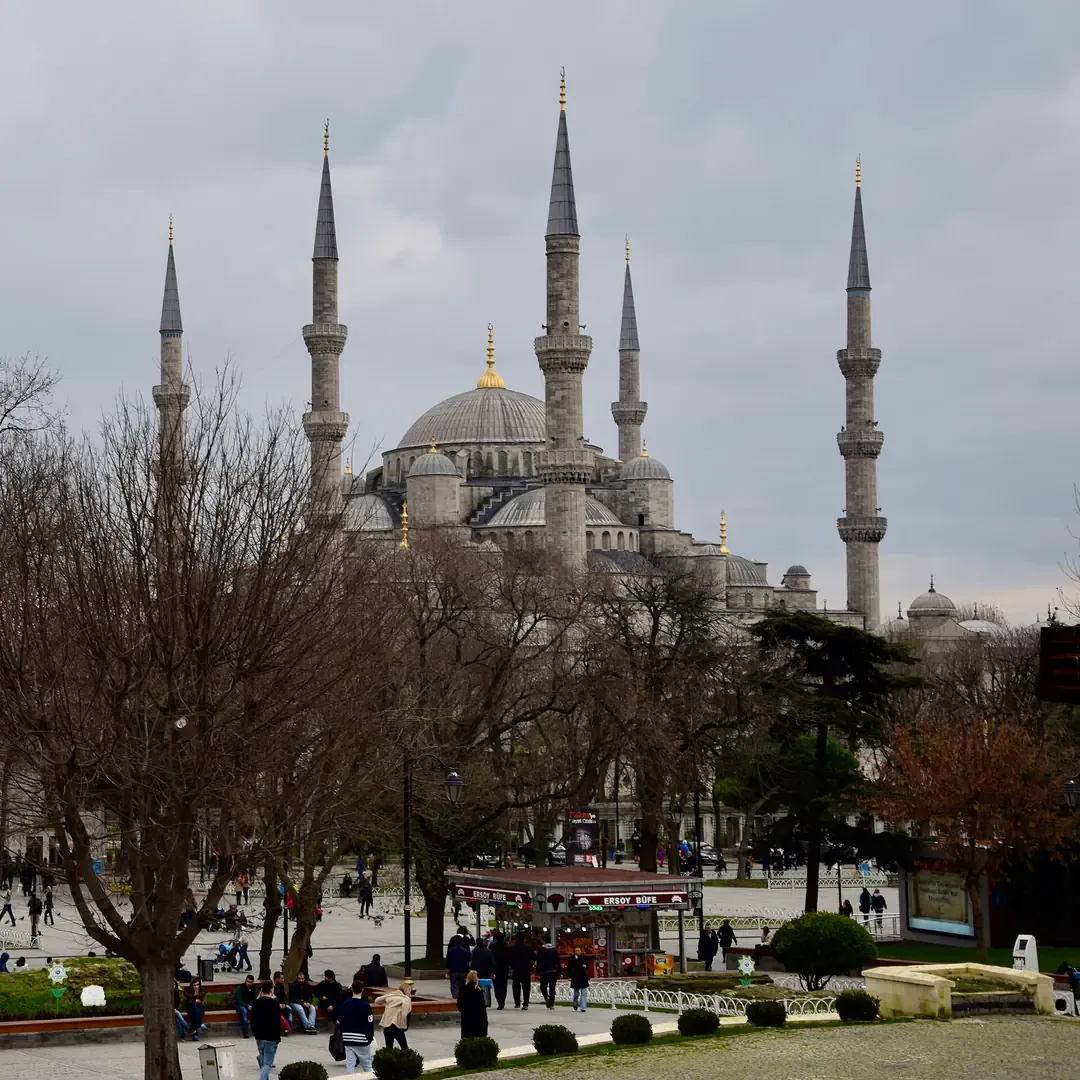
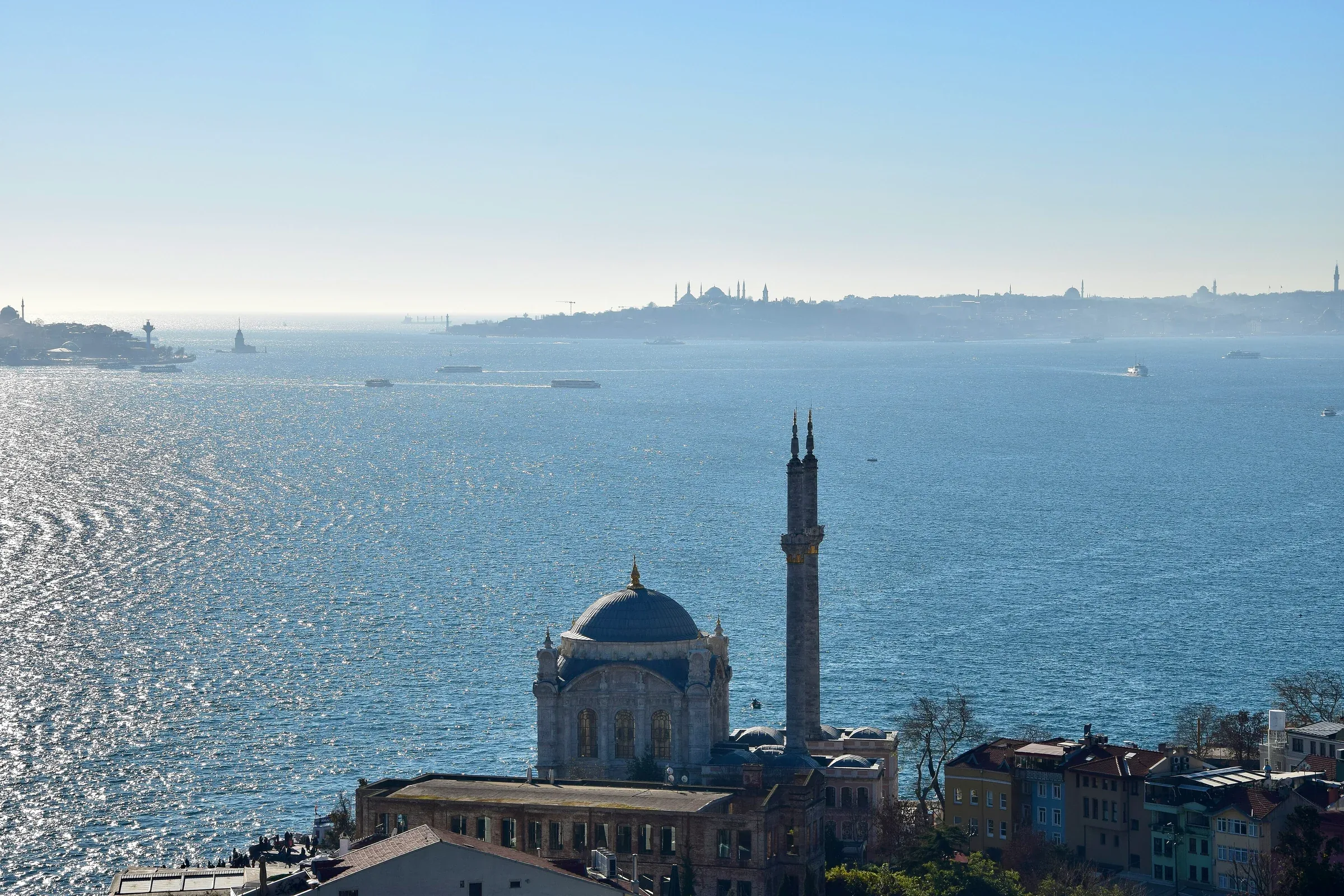
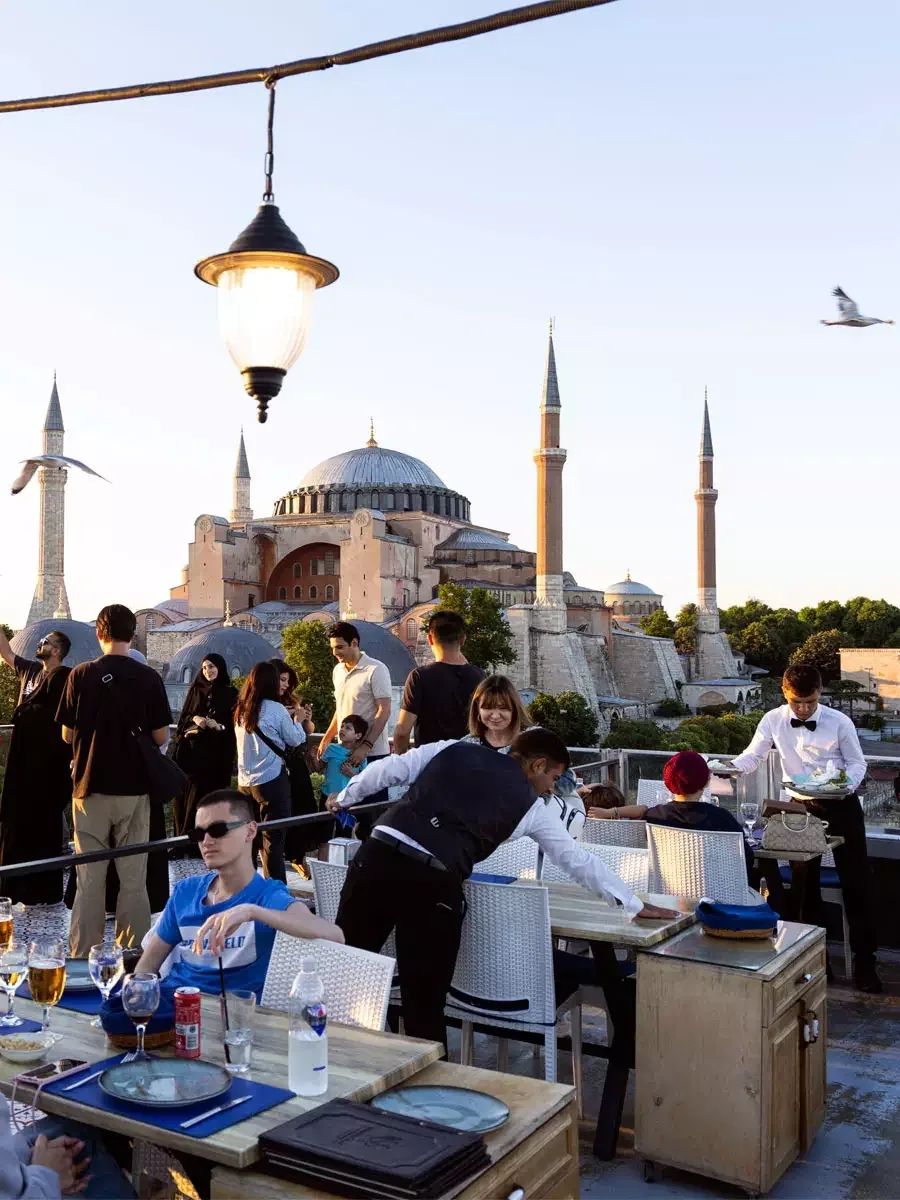
The Blue Mosque takes its name from the thousands of blue Iznik tiles that cover its interior walls and domes. Built in the early 17th century, it sits directly across from Hagia Sophia and completes the classic Sultanahmet skyline.
What to see
Visitors enter through a side gate and must remove shoes. The main prayer hall features a central dome supported by four massive pillars, with the mihrab and minbar visible at the far end. Women pray on the upper gallery level; men use the main floor.
Plan your visit
Tourist access pauses for each of the five daily prayers, with longer closures on Fridays. Arrive between 9am and 11:30am or after 2:30pm on weekdays for the best flow. The mosque is free to enter but requests modest dress and quiet behavior.
Good to know
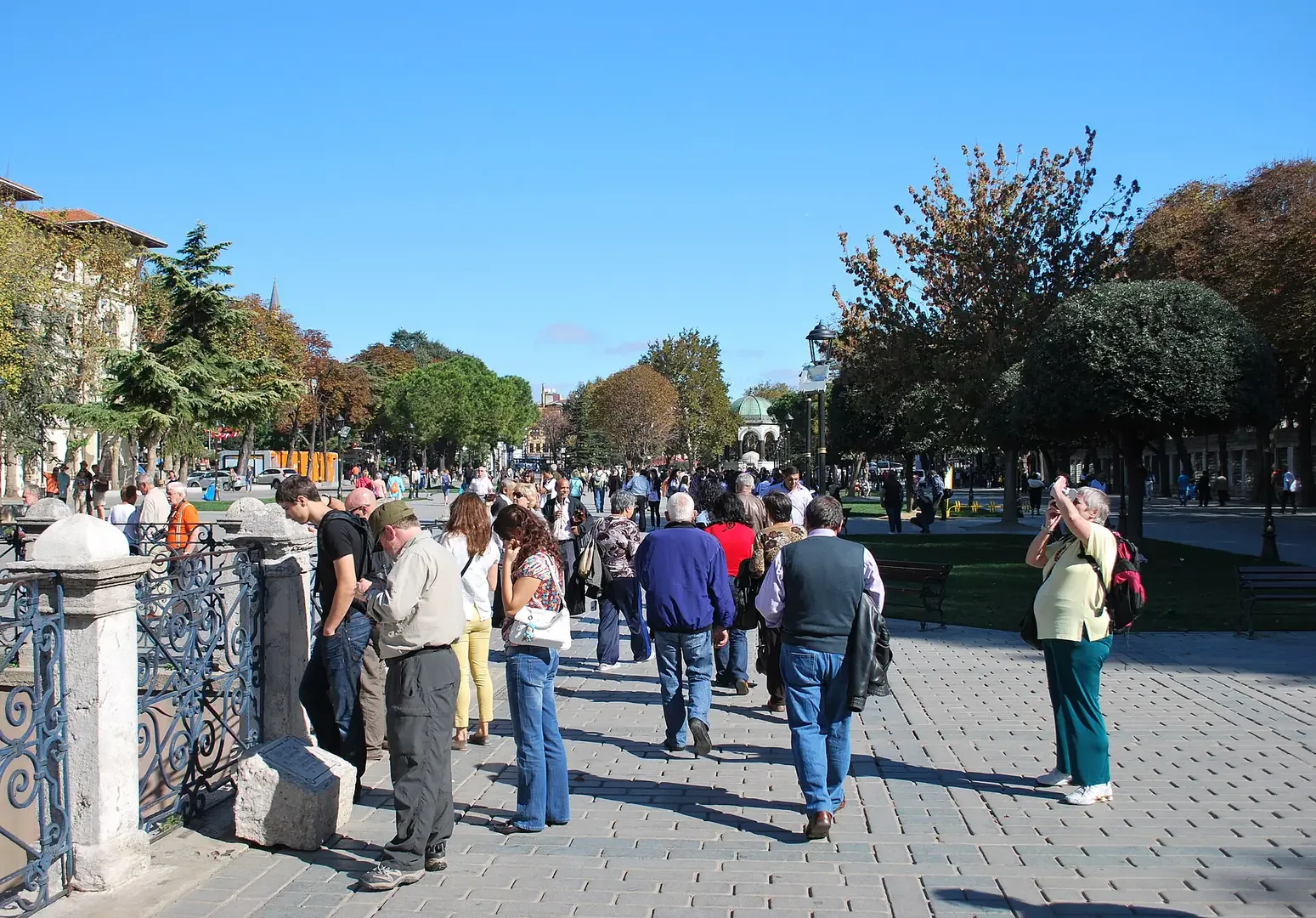
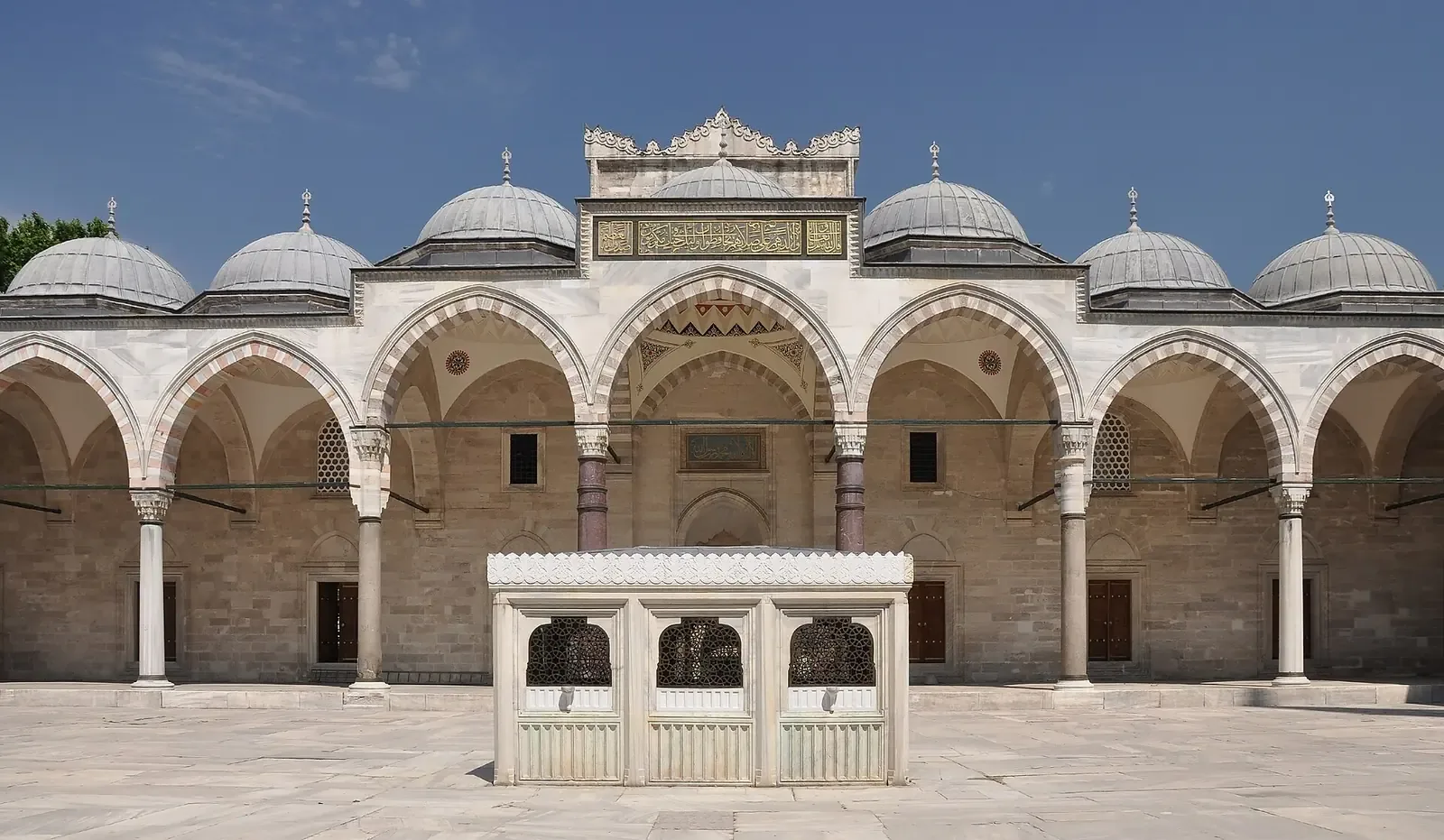
Muslim travelers find full prayer facilities and a large courtyard for ablutions. The adjacent Hippodrome square offers space to rest and view both the mosque and obelisks before moving to nearby sites.
Good to know
Sultan Ahmed Mosque (Blue Mosque) in sultanahmet should be read as a flagship stop in Irhal's Istanbul guide, with religious-site place value tied to neighborhood logic, visitor effort and whether it helps a traveller build a cleaner day. The strongest use is to decide why this stop belongs in the route, what kind of traveller it suits, and what should be verified before committing time or budget.
Good to know
For practical planning, current timing guidance is Daily from 08:30 with pauses for prayers; Friday access from approx 13:30, the budget signal is free, there is a public website to check before visiting. These details should still be checked close to travel dates, especially during Ramadan, Turkish public holidays, school breaks and peak summer visitor periods.
Good to know
For Muslim travellers, the listing is most useful when it connects sightseeing with prayer access, modest pacing, halal meal planning and neighborhood geography rather than treating the stop as an isolated photo opportunity.