Why visit
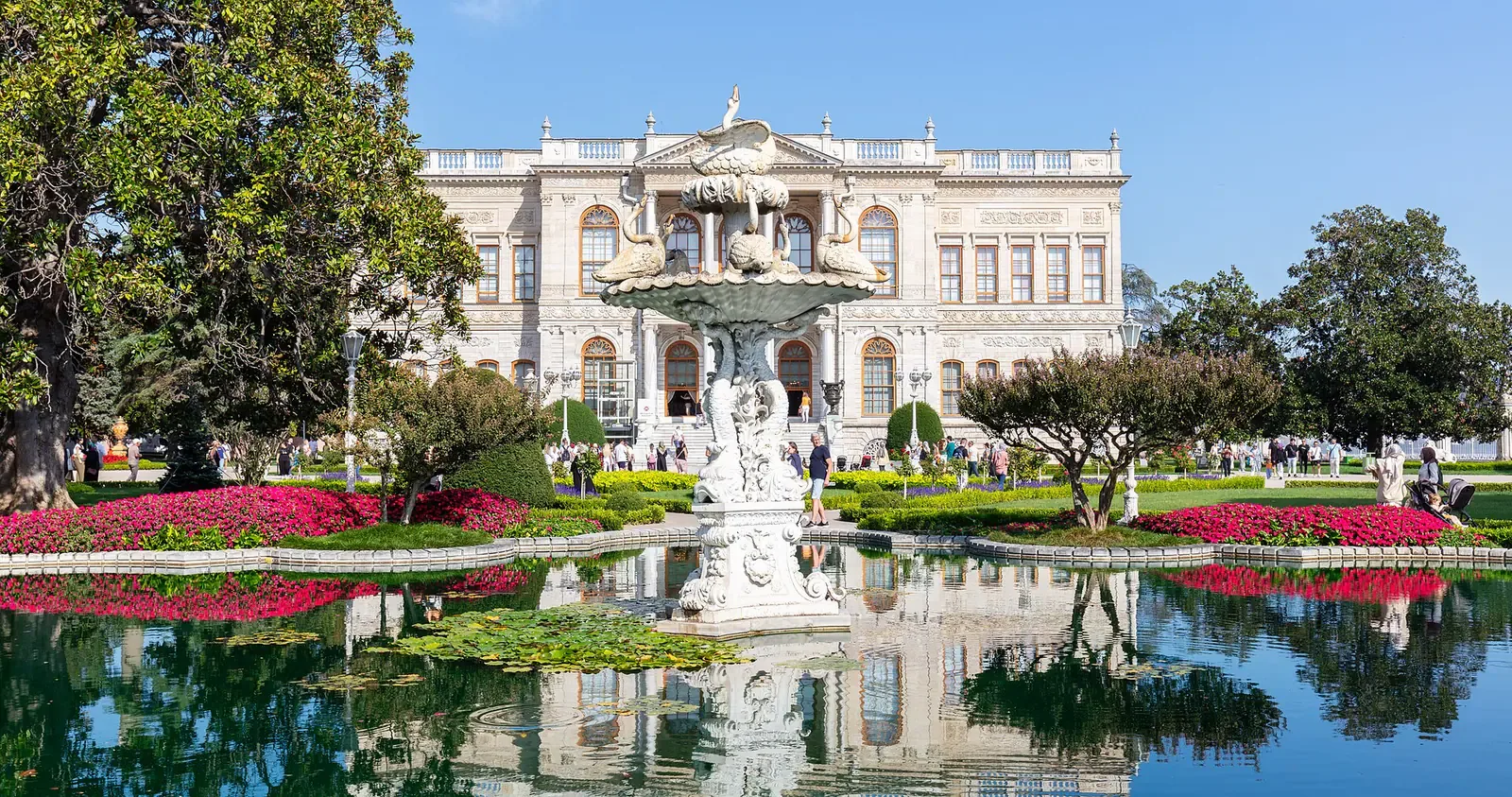
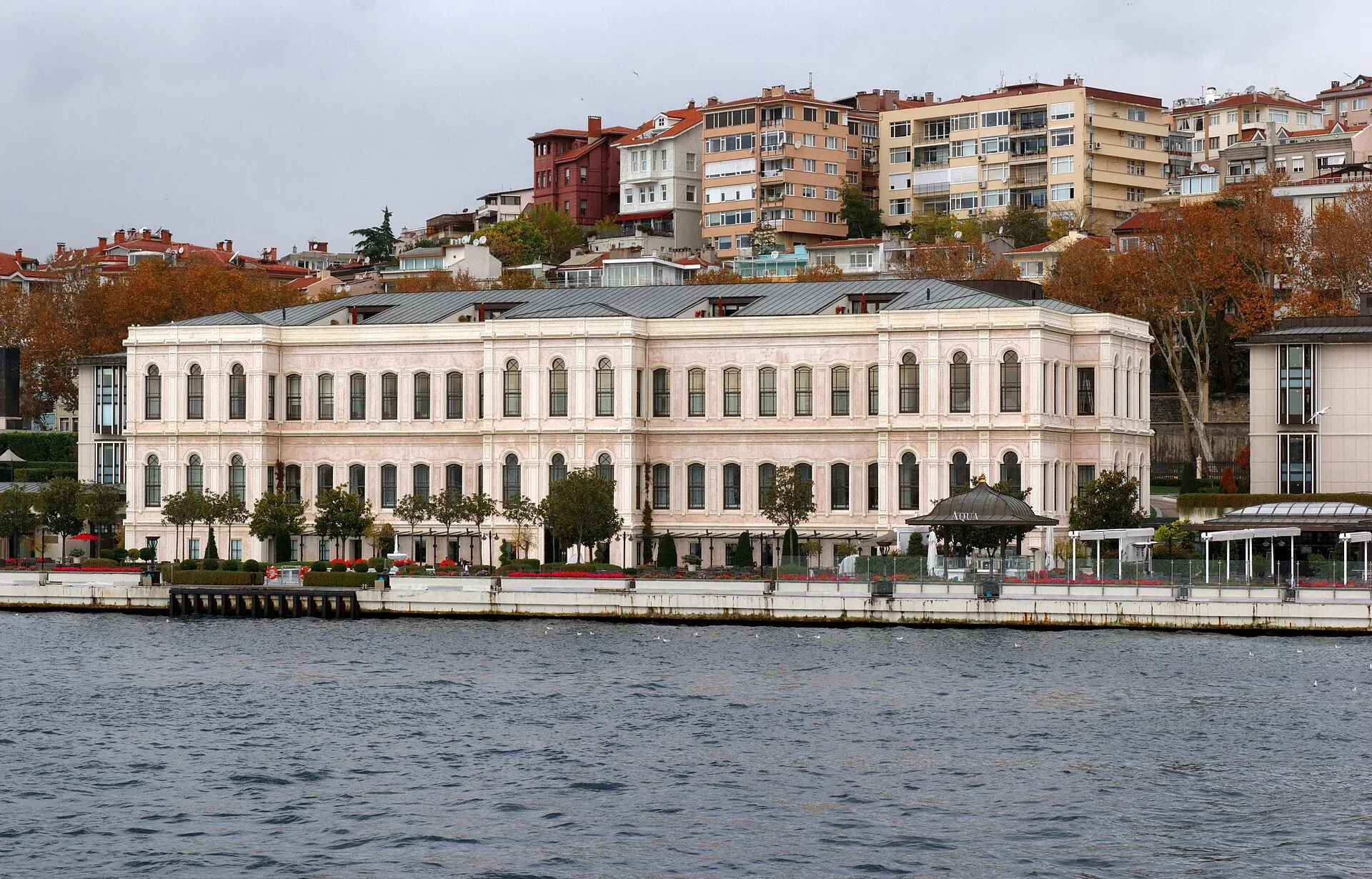
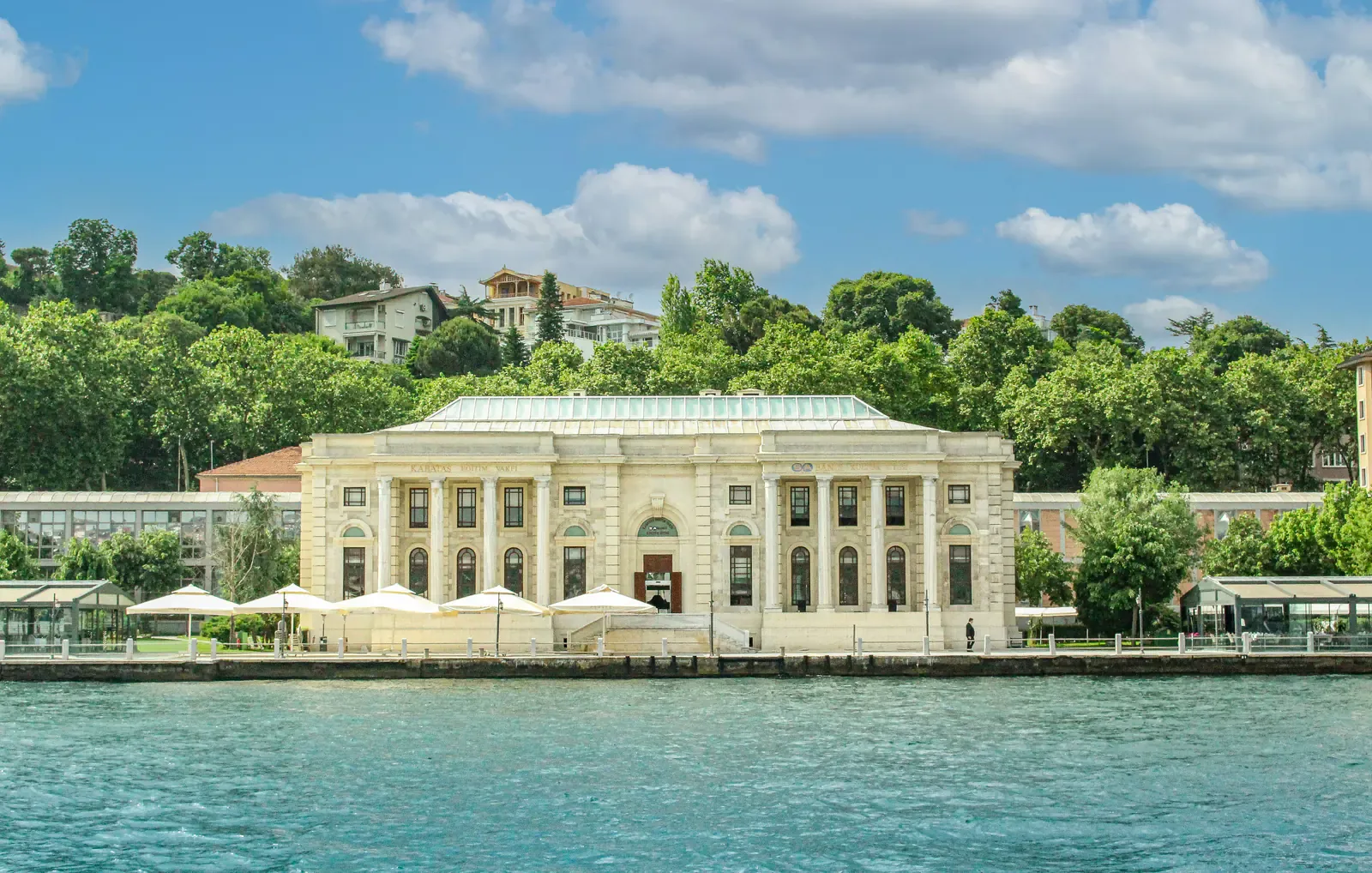
Dolmabahçe Palace stretches along the European shore of the Bosphorus and served as the main administrative center of the Ottoman Empire from 1856 until the end of the monarchy. Its 285 rooms, 46 halls, and six terraces reflect a fusion of Ottoman and European tastes that marks the later period of the empire.
What to see
The palace is best known for its 4.5-ton crystal chandelier in the Ceremonial Hall and the world’s largest collection of Bohemian and Baccarat crystal. The clock room still displays the clock stopped at 9:05 on 10 November 1938, the moment Atatürk died.
Plan your visit
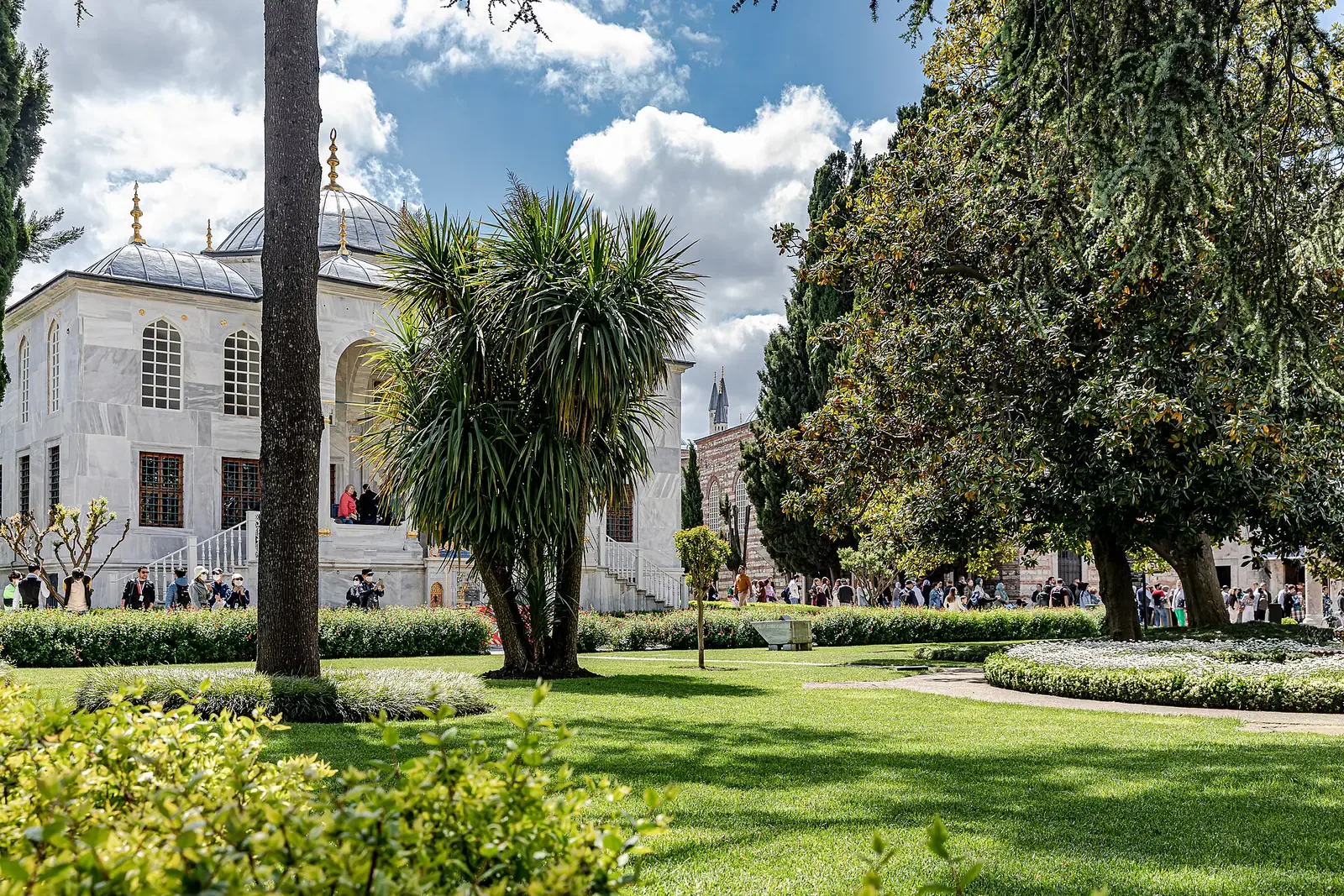
Guided tours are mandatory and last about 90 minutes; separate tickets cover the palace, clock tower, and harem. Photography is prohibited inside. The palace gardens offer excellent Bosphorus views and are free to enter. Arrive early to avoid queues, especially on weekends.
Good to know
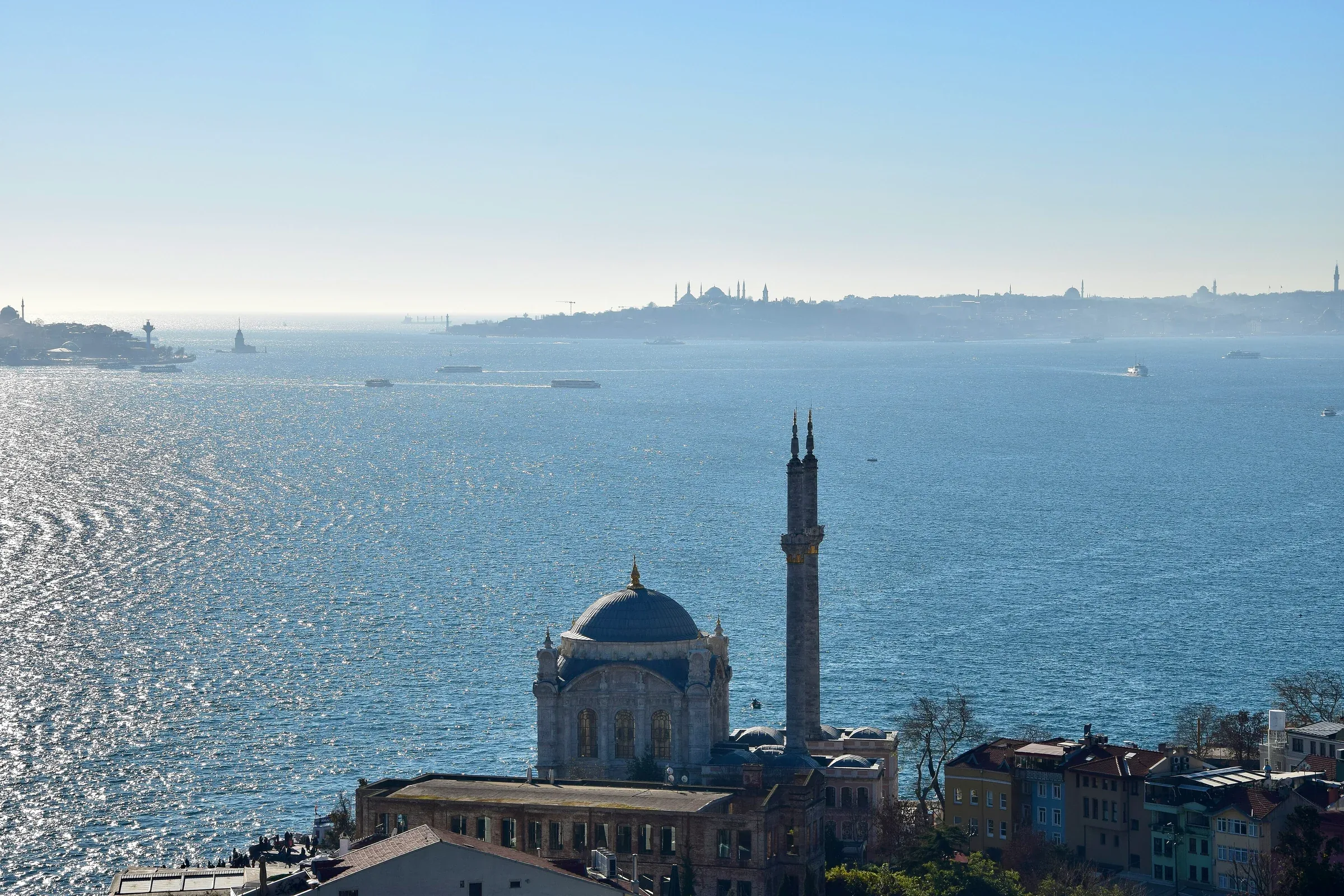
Muslim travelers will find the site historically significant as the final seat of the caliphate. Nearby Ortaköy Mosque provides a convenient prayer stop before or after the visit. The area is well served by ferries and tram lines.
Good to know
Dolmabahçe Palace in besiktas-and-ortakoy should be read as a flagship stop in Irhal's Istanbul guide, with palace place value tied to neighborhood logic, visitor effort and whether it helps a traveller build a cleaner day. The strongest use is to decide why this stop belongs in the route, what kind of traveller it suits, and what should be verified before committing time or budget.
Good to know
For practical planning, current timing guidance is Tue–Sun 09:00–16:00 (last tour 15:00); closed Mondays and some holidays, there is a public website to check before visiting, there is a public phone contact for last-mile confirmation. These details should still be checked close to travel dates, especially during Ramadan, Turkish public holidays, school breaks and peak summer visitor periods.