Why visit
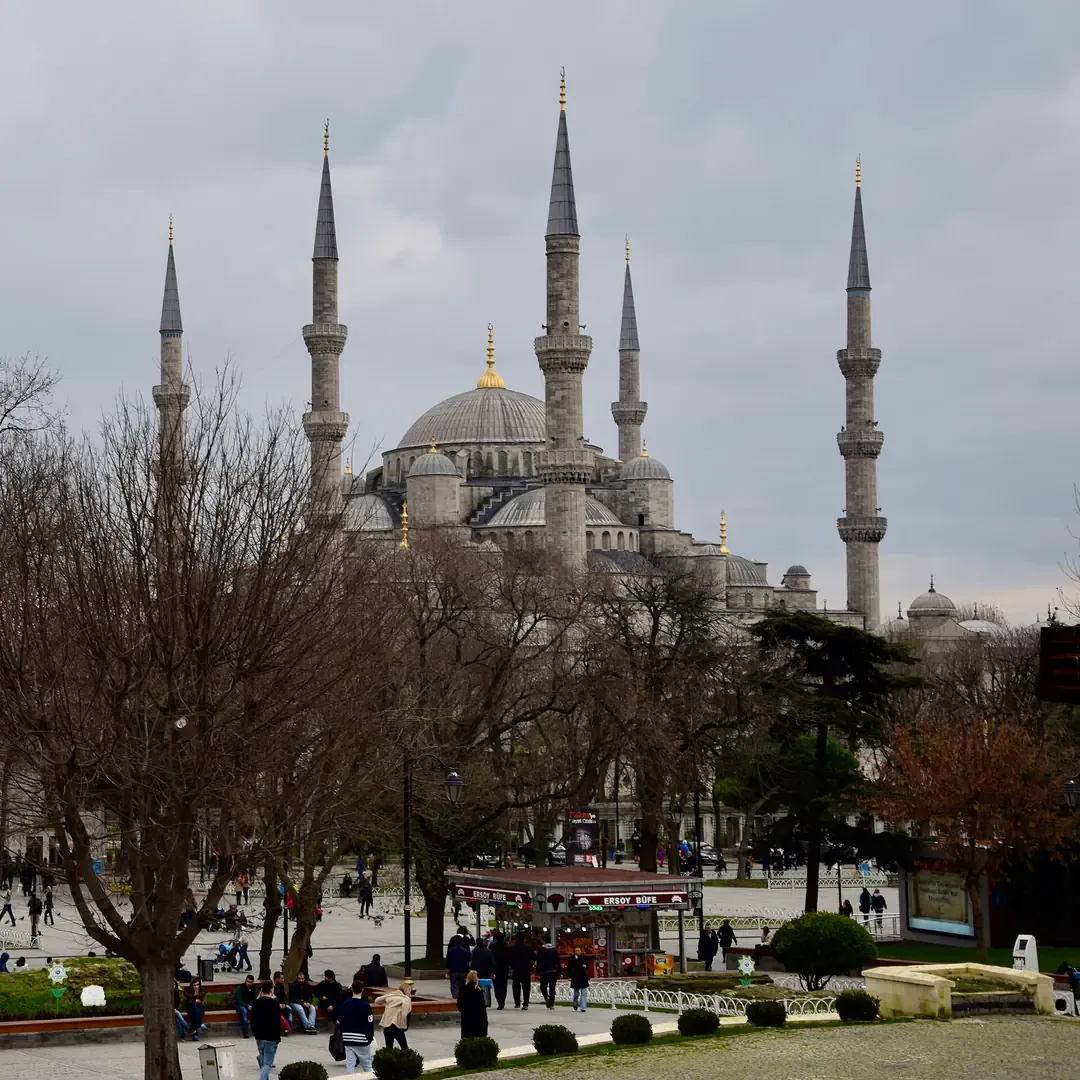
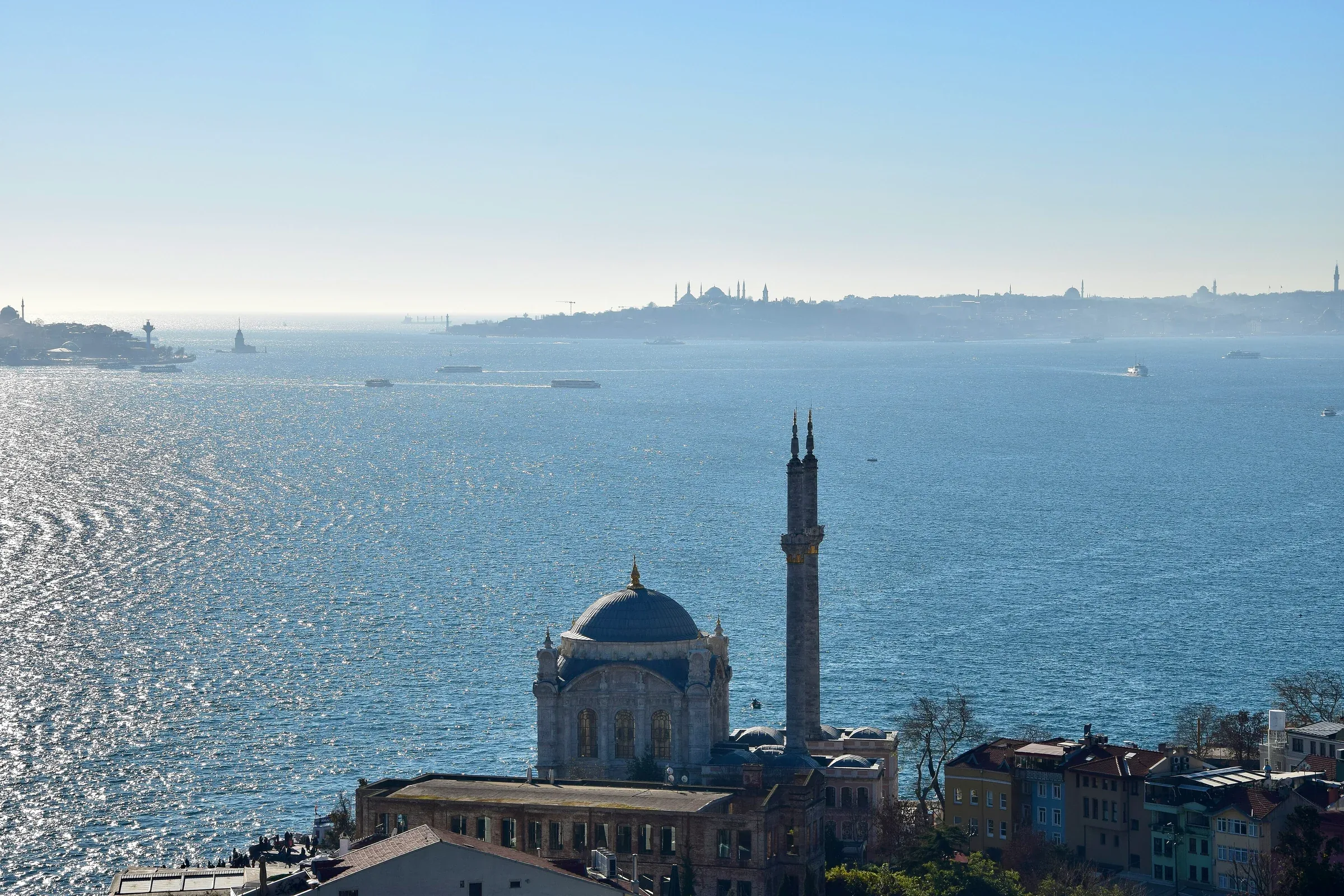
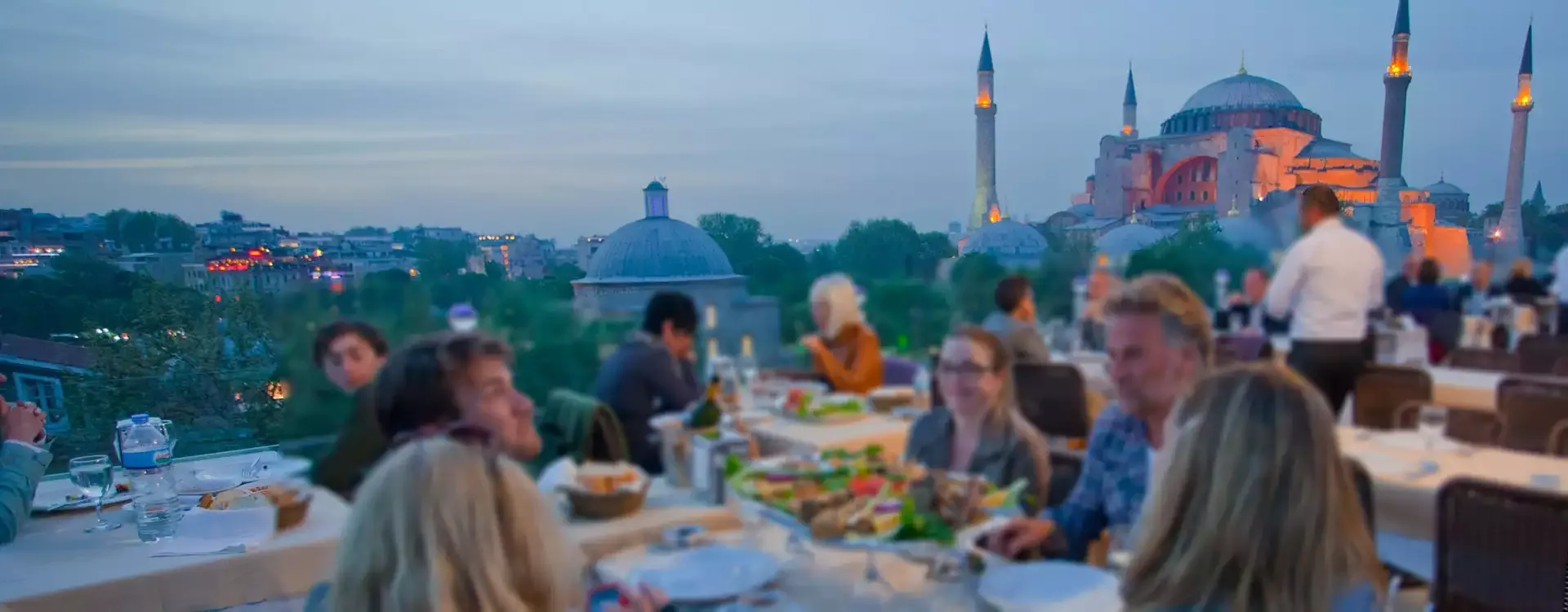
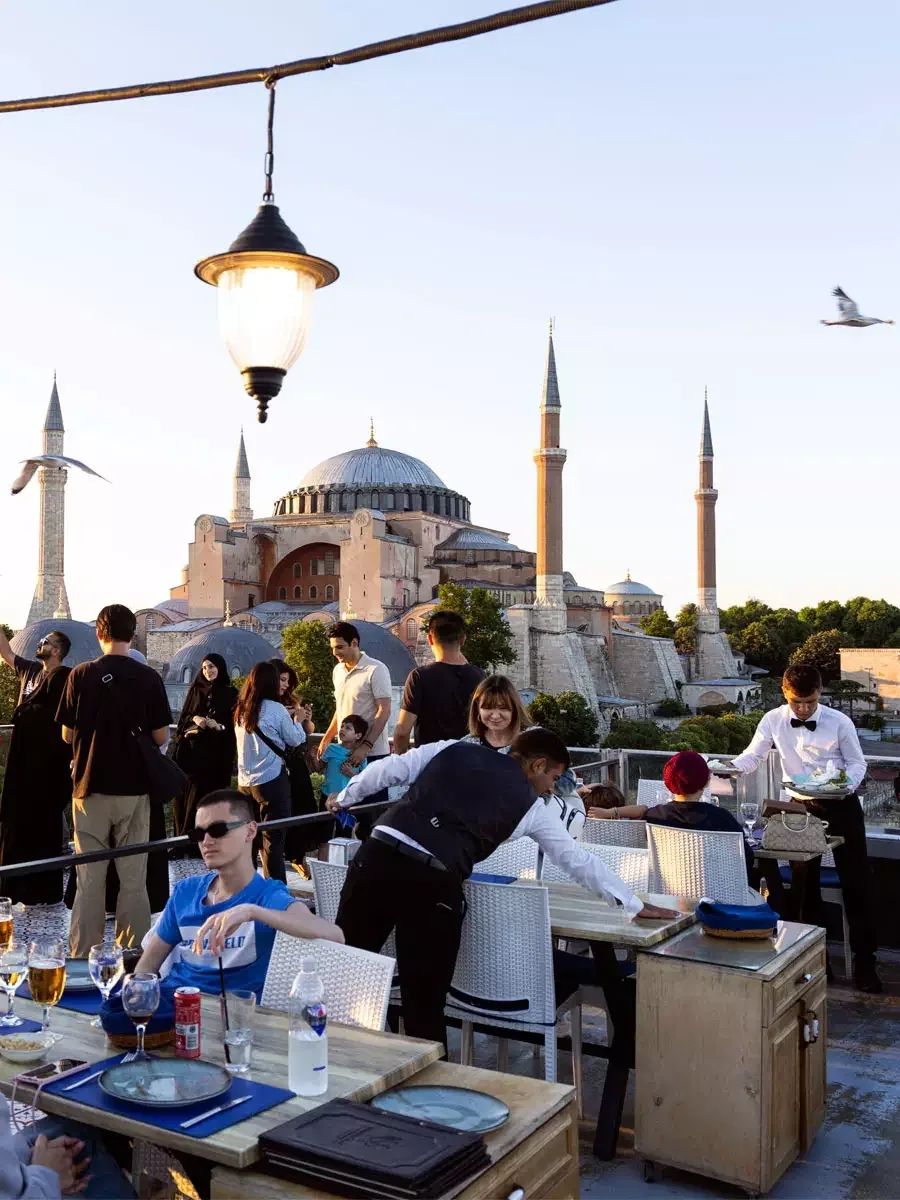
Hagia Sophia stands as Istanbul’s defining monument for first-time visitors. Its massive dome and minarets dominate the Sultanahmet skyline. The interior mixes Christian mosaics with Islamic calligraphy in a way few buildings achieve.
What to see
Inside, visitors notice the sheer scale of the 6th-century structure, the marble columns recycled from earlier temples, and the surviving Byzantine mosaics high on the walls. The central space remains an active prayer hall, so non-Muslim visitors move respectfully around the edges during services.
Plan your visit
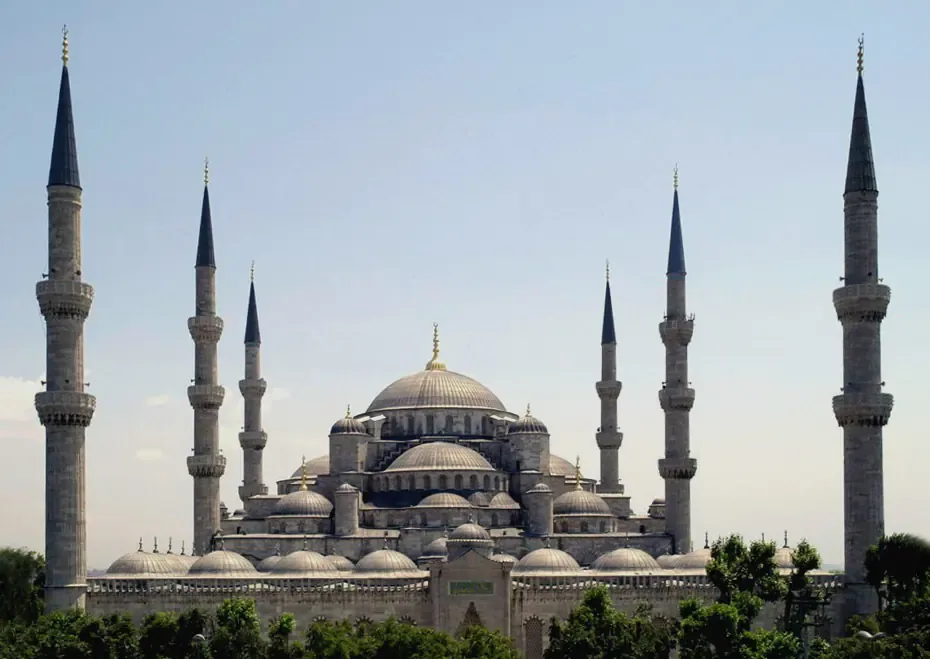
Plan visits for early morning or mid-afternoon between prayers. Entry costs around 25 euros for foreign adults; Turkish citizens enter free. The site closes briefly for each of the five daily prayers. Pair it with the adjacent Blue Mosque for a two-mosque morning that shows both Ottoman and Byzantine layers.
Good to know
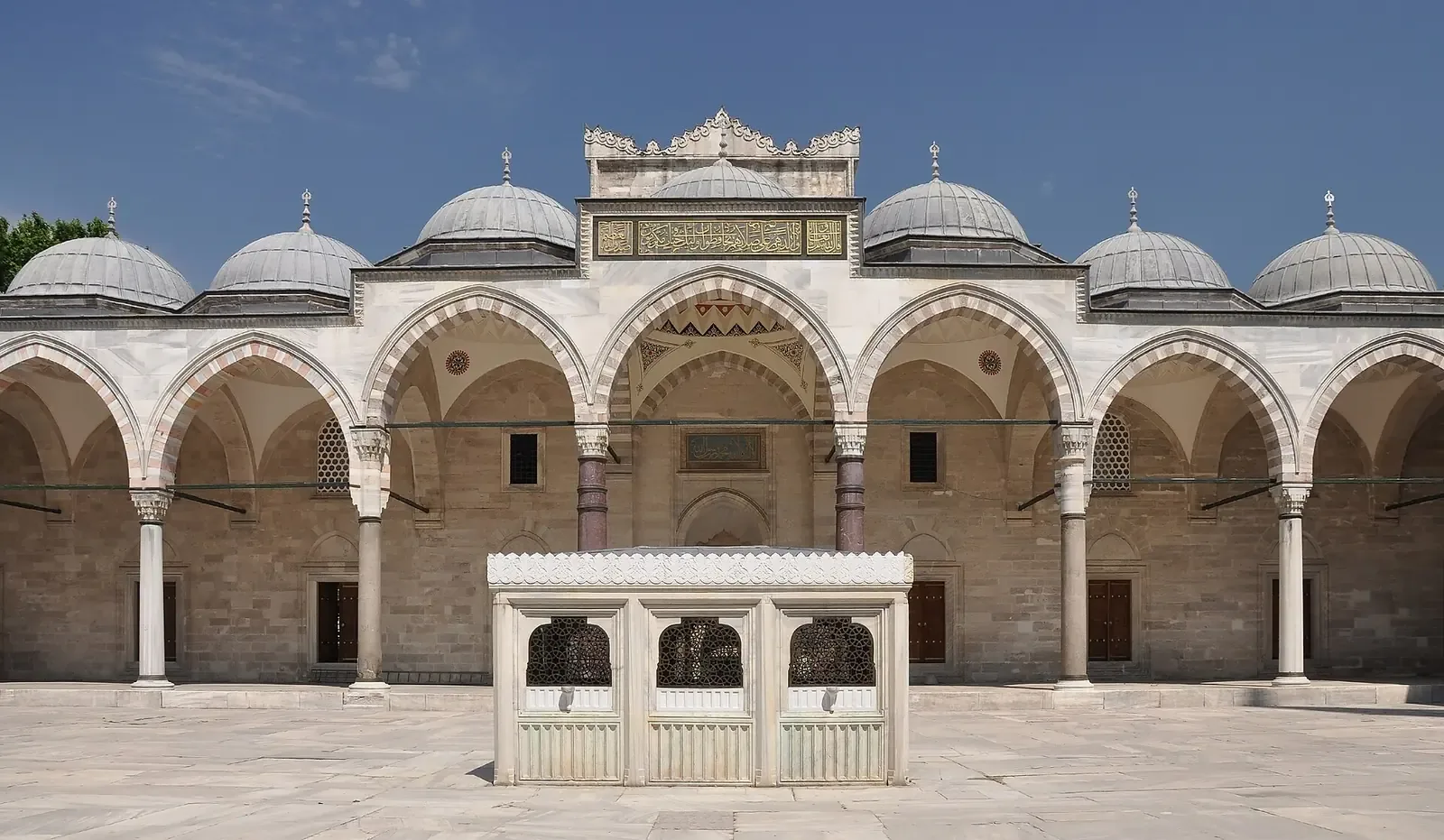
Muslim travelers appreciate the functioning mosque status and easy ablution facilities in the surrounding courtyards. The surrounding square offers good photo angles of both Hagia Sophia and the Blue Mosque minarets at golden hour.
Good to know
Hagia Sophia Grand Mosque in sultanahmet should be read as a flagship stop in Irhal's Istanbul guide, with religious-site place value tied to neighborhood logic, visitor effort and whether it helps a traveller build a cleaner day. The strongest use is to decide why this stop belongs in the route, what kind of traveller it suits, and what should be verified before committing time or budget.
Good to know
For practical planning, current timing guidance is Daily 08:00-19:30 summer (Apr-Oct), 09:00-19:30 winter; closed briefly during prayers, the budget signal is paid, there is a public website to check before visiting, there is a public phone contact for last-mile confirmation. These details should still be checked close to travel dates, especially during Ramadan, Turkish public holidays, school breaks and peak summer visitor periods.