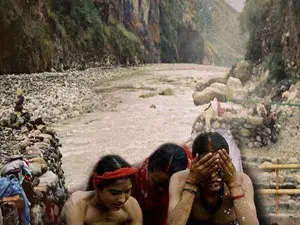
Magh Sankranti
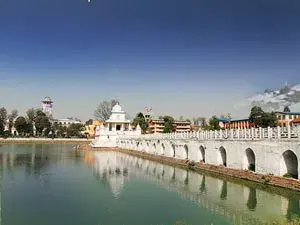
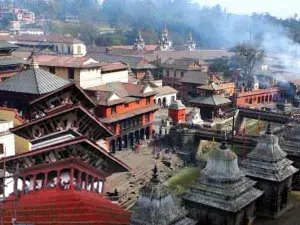
This festival focuses on ritual bathing and is curiously dictated by the movement of the winter sun to the north. On the new moon day, the Tribeni Mela (mela means ‘fair’) kicks off in Devghat and Ridi Bazaar.

Search for a city, hotel or experience
Live suggestions could not load. Press Search to view results.
This festival focuses on ritual bathing and is curiously dictated by the movement of the winter sun to the north. On the new moon day, the Tribeni Mela (mela means ‘fair’) kicks off in Devghat and Ridi Bazaar. Followers can also bathe in the Bagmati River at Patan’s Sankhamul ghat.
City guide section
Showing 1–22 of 22 festivals
Plan around 22 festival seasons, public events, Ramadan/Eid periods, book fairs, art cycles, and winter food activity.
This festival focuses on ritual bathing and is curiously dictated by the movement of the winter sun to the north. On the new moon day, the Tribeni Mela (mela means ‘fair’) kicks off in Devghat and Ridi Bazaar.
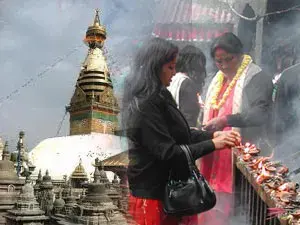
This festival heralds the beginning of spring with the honouring of Saraswati, the goddess of learning; it is held all over Kathmandu but the shrine of Saraswati, located just below the platform at the top of S
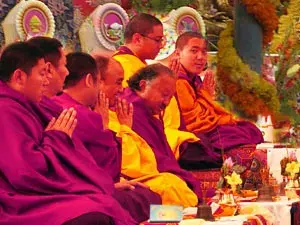
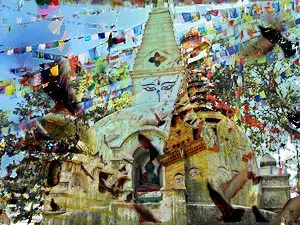
Heralding the Tibetan New Year with the new moon in February, this festival falls in either Magh or Falgun. In the Kathmandu Valley it is welcomed at the great stupa of Bodhnath (Boudha).
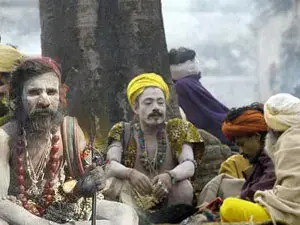
Commemorating the birthday of Shiva which falls on a new moon day in the lunar month of Falgun, this festival takes place at all Shiva temples.
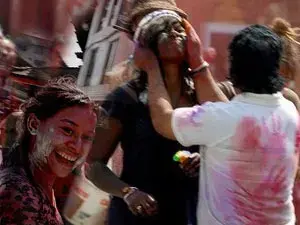
Also known as Fagu or the ‘Festival of Colours’, this festival happens late in the dry season with water being sprayed around to remind people of the cooling monsoon days to come.
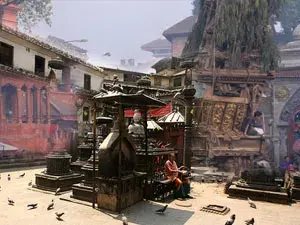
Not as large as the Rato Macchendranath festival in Patan, but still quite impressive, this festival starts with the removal of the Seto Machhendranath image from the temple of Kel Tole in Kathmandu.
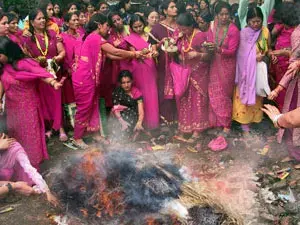
Taking place six months prior to the more important Dasain celebration, both festivals are dedicated to Durga.
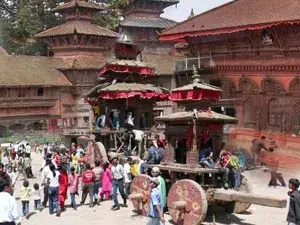
Celebrate Nepali New Year in mid-April which begins at the start of Baisakh. The best place to celebrate this festival is in Bhaktapur which hosts an exciting chariot festival.
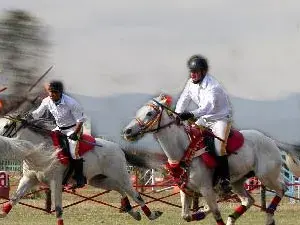
The Nepali Army hosts a horse racing day at the Tundikhel parade ground in Kathmandu. A chance to showcase the army’s equestrian (and motorcycle) skills, the festival also has some myth surrounding its horses:
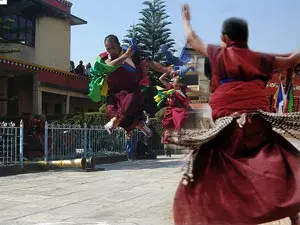
Held in Lumbini (the birthplace of Buddha) on the date of Buddha’s birth, enlightenment and ascension into nirvana (all the same day), this festival is celebrated with a great fair.
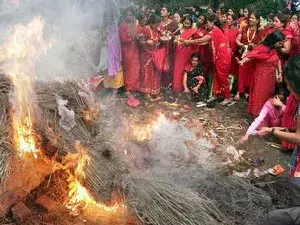
It is named for ‘bell ears’, a nasty demon that was distinguishable by the bell earrings he wore to drown out the name of his sworn enemy, Vishnu.
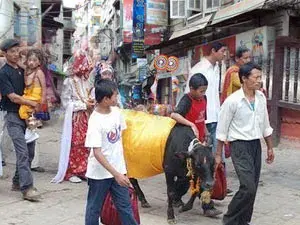
The ‘Cow Festival’ which is dedicated to all those who have died in the previous year, takes place immediately after Janai Purnima.
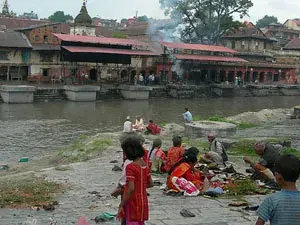
It takes place in August or early September. The ‘Festival of Women’ is held on the second day after the Bhadra new moon and finishes on the fifth; it is celebrated with particular fervour in Pashupatinath.
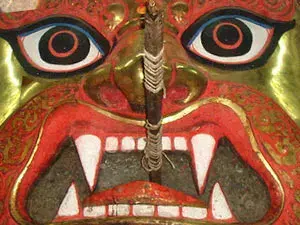
Indra Jatra is a spectacular festival that is held at the end of the month to celebrate the end of the monsoon season. They pay homage to Indra with an appearance by Kathmandu’s Kumari (living goddess).
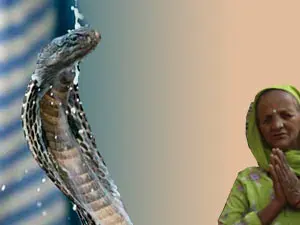
Celebrated on the 5th day after the new moon in Saaun, this festival honours nagas (serpent deities) across the country. Nagas are considered to have magical powers over the monsoon season.
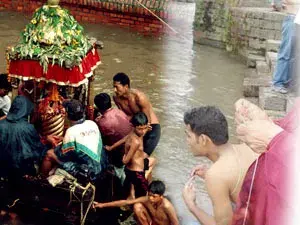
Near the full moon all high-caste men (Chhetri and Brahmin) must change the janai (sacred thread), looped over their left shoulder.
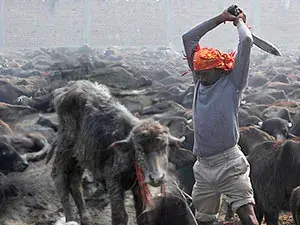
The bloodthirsty figure of Bhairab is honoured in this festival which is held on the fourth day of the bright fortnight in September or October. Animal sacrifices are numerous during this time.
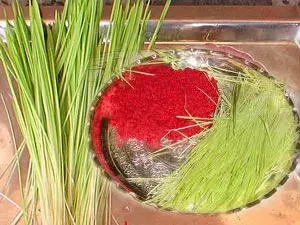
The biggest annual festival in the country, this party lasts for fifteen days, celebrating the victory of the goddess Durga over the evil forces of Mahisasura.
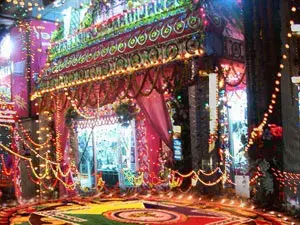
This festival takes place in late October or early November; it is the most important Hindu festival in the Asian world. In Nepal it is second only to Dasain.
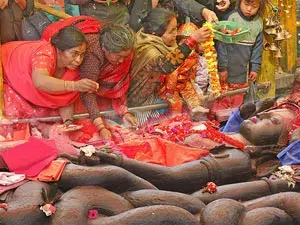
This festival marks an ekadashi (the 11th day after each new and full moon) which occurs twice in every lunar month and is regarded as a propitious day.
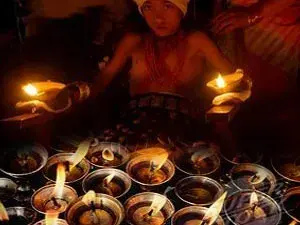
There are two chaturdashis every month and this one falls on the new-moon day in late November or early December. Pilgrims make their way to Pashupatinath, burning oil lamps and scattering grain for the dead.
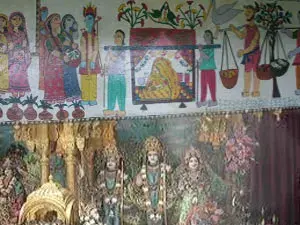
Held on the 5th day of the bright fortnight either in early November or December, this festival commemorates the marriage of Sita to Rama.
Keep exploring Kathmandu
Keep exploring Kathmandu and add more stops to your plan.
Keep exploring Kathmandu and add more stops to your plan.
Keep exploring Kathmandu and add more stops to your plan.