
Sahara Grill Whitechapel
Top pickSteaks, grills and burgers
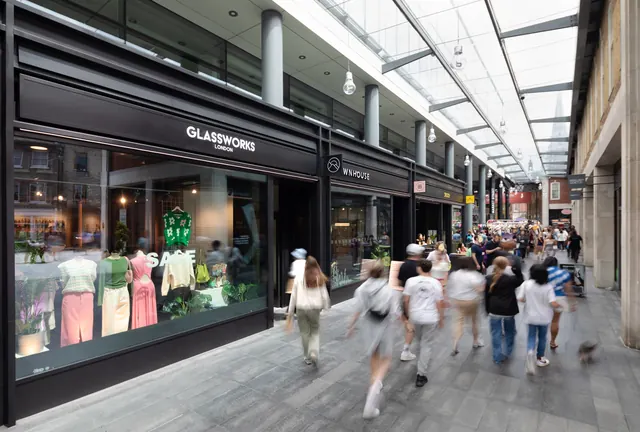
Sahara Grill Whitechapel is a steaks, grills and burgers halal-dining lead in Whitechapel. A long-running East London halal favourite close to the East London Mosque and Whitechapel Road.
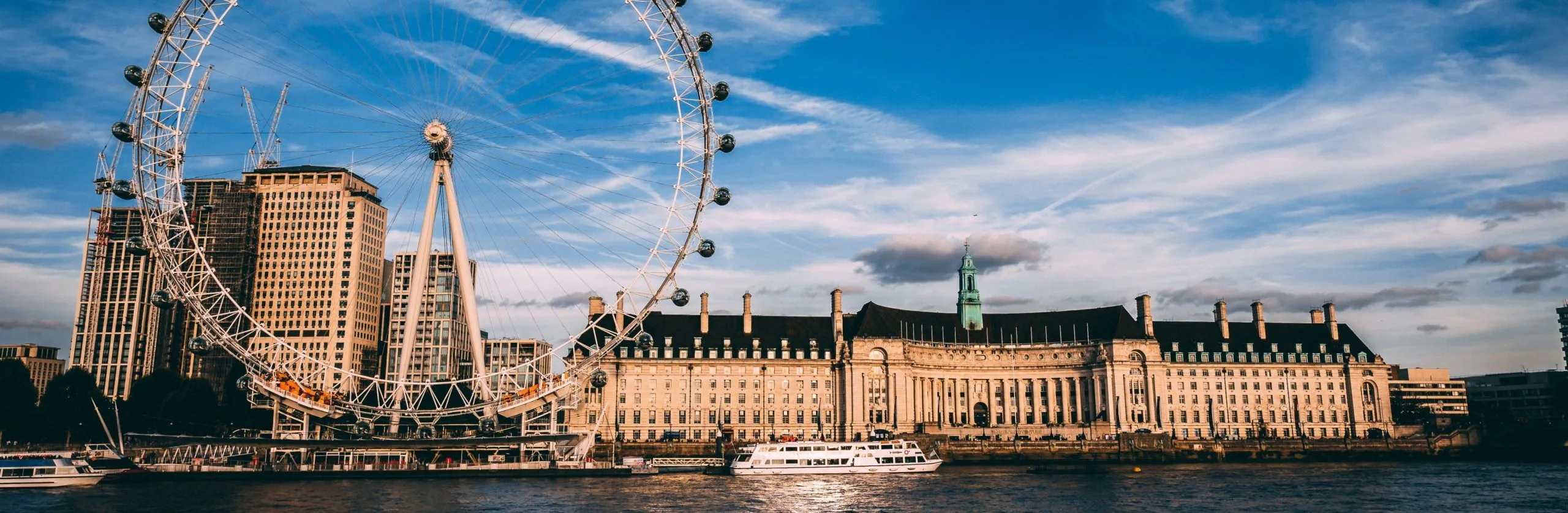
London today, London history, residents, culture, and city character.
Showing 1–2 of 2 places
City guide section
Showing 1–2 of 2 places
Browse the highlights below, then open any place for maps, area notes, and practical details.
Section guidance
London is not only the capital of the United Kingdom, but also one of the world’s financial and cultural capitals. It is a thriving metropolis that symbolizes multiculturalism at its best, with a population of over 8 million and more than 300 different spoken languages. Many of the world’s biggest banks and financial institutions have headquarters in London. The city is also a centre for art, media, fashion, and education. London was also the site for the 2012 Summer Olympics which attracted a large number of tourists to the city.
All of this, in addition to 2000 years of history, is the reason why London is one of the world’s most popular tourist destinations. Few cities have as much to offer. But be aware that London is also one of the most expensive cities in the world.
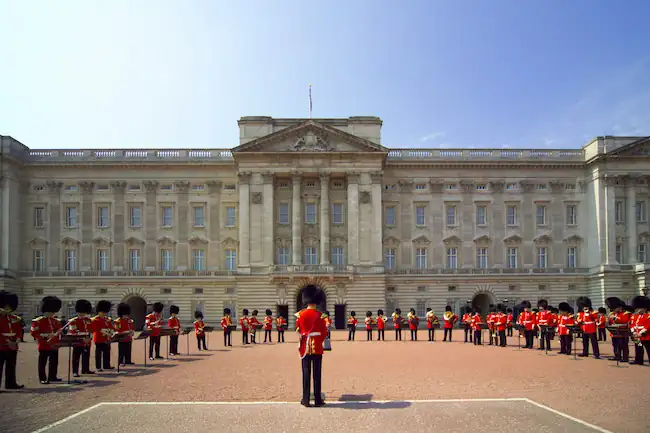
The Romans established the town of Londinium shortly after their invasion of Britain in 43AD. In the second century, the city became capital of Roman Britain as the population reached 60,000. The Romans built the London wall, which was 6m tall and 2.5m thick, and survived for 1,600 years. The Roman occupation of Britain ended in 410, and the city went into a steep decline. Viking raids and occupation persisted until the tenth century, when the Anglo-Saxons took over. After the Norman Conquest William the Conqueror was crowned the King of England in 1066. A fairly stable monarchy followed, that continues to this day.
London
The Romans established the town of Londinium shortly after their invasion of Britain in 43AD. In the second century, the city became capital of Roman Britain as the population reached 60,000. The Romans built the London wall, which was 6m tall and 2.5m thick, and survived for 1,600 years. The Roman occupation of Britain ended in 410, and the city went into a steep decline. Viking raids and occupation persisted until the tenth century, when the Anglo-Saxons took over. After the Norman Conquest William the Conqueror was crowned the King of England in 1066. A fairly stable monarchy followed, that continues to this day.
London
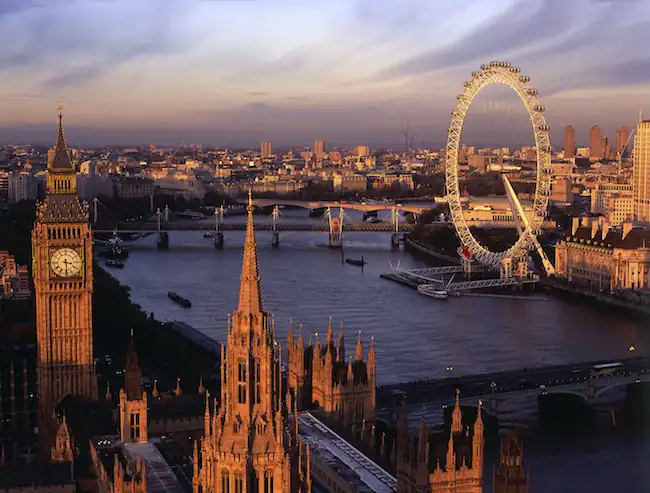
London is not only the capital of the United Kingdom, but also one of the world’s financial and cultural capitals. It is a thriving metropolis that symbolizes multiculturalism at its best, with a population of over 8 million and more than 300 different spoken languages. Many of the world’s biggest banks and financial institutions have headquarters in London. The city is also a centre for art, media, fashion, and education. London was also the site for the 2012 Summer Olympics which attracted a large number of tourists to the city.
Keep exploring London
Keep exploring London and add more stops to your plan.
Keep exploring London and add more stops to your plan.
The Savoy is a luxury heritage hotel in Strand/Covent Garden. A legendary Thames-side hotel associated with theatreland, grand dining and Edwardian glamour. For Irhal readers, the main value is location and practical comfort: Strong for first-time luxury travellers who want Covent Garden, the river and West End access.
Claridge's is a luxury heritage hotel in Mayfair. One of London's classic grand hotels, known for Art Deco interiors, long royal/social history and polished service. For Irhal readers, the main value is location and practical comfort: Ideal for Gulf and Muslim luxury travellers who value Mayfair privacy and shopping proximity.
 Piccadilly/Mayfair
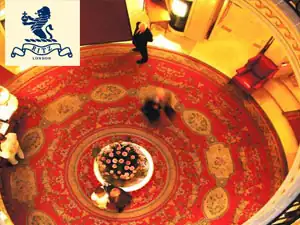
The Ritz London is a luxury heritage hotel in Piccadilly/Mayfair. A London symbol of Edwardian opulence facing Green Park, famous for service, afternoon tea and a ceremonial sense of arrival. For Irhal readers, the main value is location and practical comfort: Useful for visitors who want Buckingham Palace, Regent Street and Bond Street close by.
 Park Lane
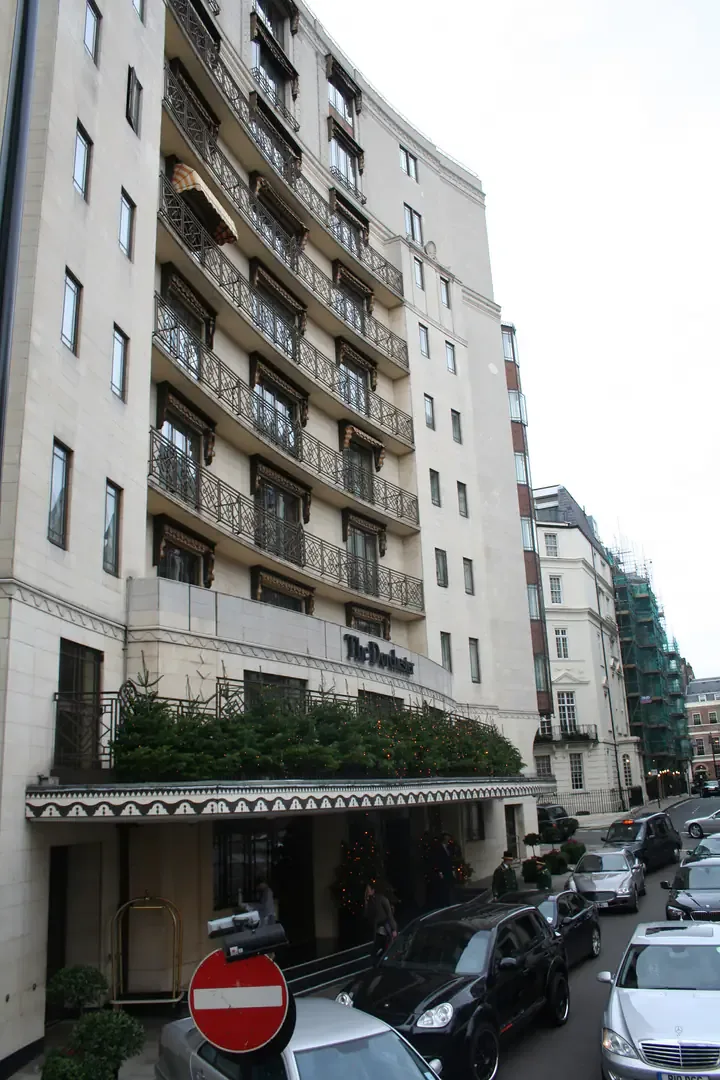
The Dorchester is a luxury hotel in Park Lane. A Park Lane landmark with Hyde Park views and a long association with visiting dignitaries and celebrities. For Irhal readers, the main value is location and practical comfort: Excellent for Mayfair shopping and private-driver itineraries.
Shangri-La The Shard is a luxury skyline hotel in London Bridge. Rooms high in The Shard create dramatic views over the Thames, City and Tower Bridge. For Irhal readers, the main value is location and practical comfort: Best for a modern London experience with easy Borough Market and South Bank access.
The Langham London is a luxury heritage hotel in Marylebone/Oxford Circus. A grand hotel near Regent Street with a long history of hospitality and elegant public rooms. For Irhal readers, the main value is location and practical comfort: Good for shopping, Regent's Park Mosque access and West End theatre.
 Holborn
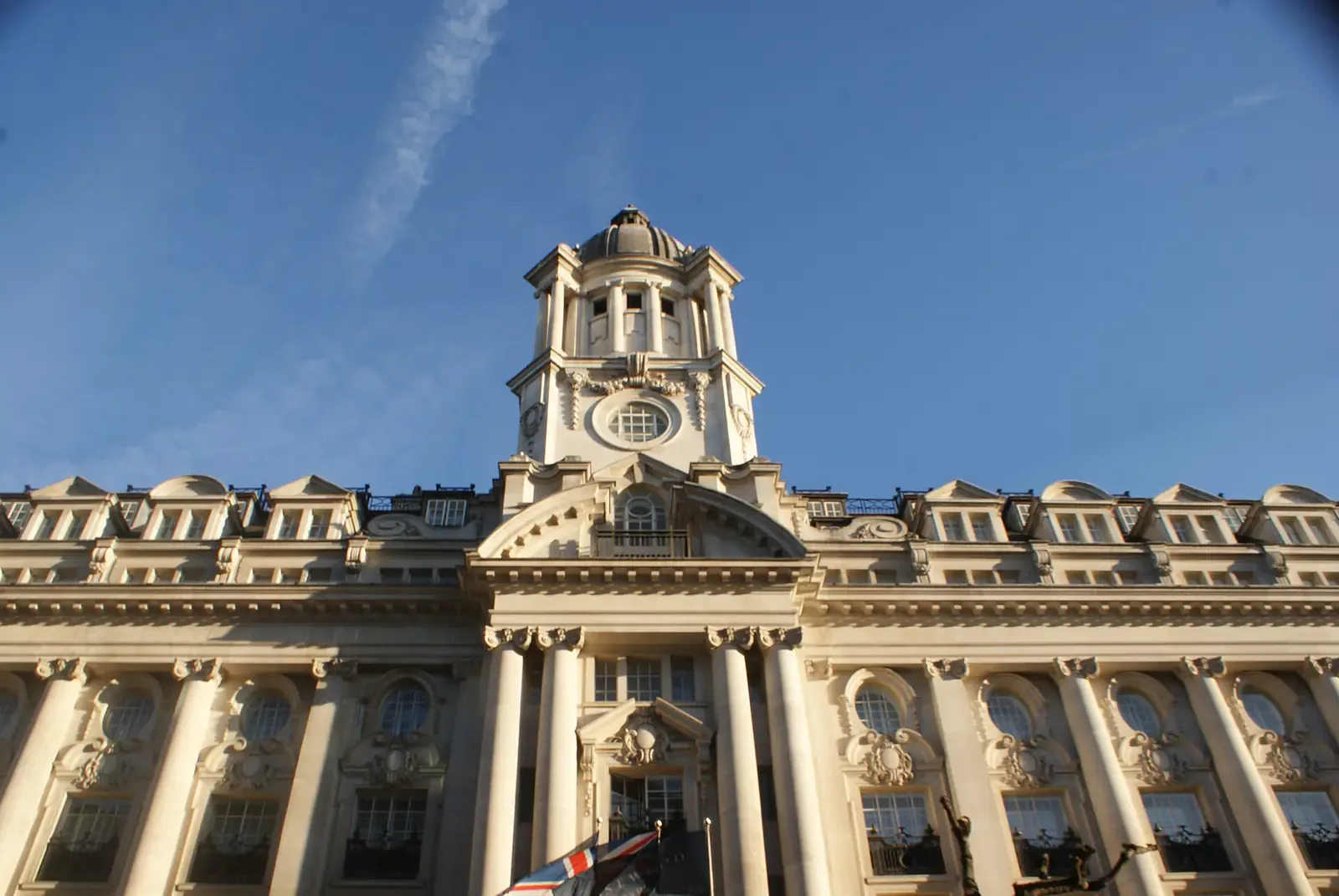
Rosewood London is a luxury hotel in Holborn. Set around a grand courtyard in a Belle Epoque building, Rosewood feels more residential than many central hotels. For Irhal readers, the main value is location and practical comfort: Strong for culture travellers near the British Museum and Covent Garden.
Mandarin Oriental Hyde Park is a luxury hotel in Knightsbridge. A refined Hyde Park and Knightsbridge address linked to royal park views, Harrods and high-end dining. For Irhal readers, the main value is location and practical comfort: Useful for family luxury stays and shopping-focused visitors.
Park Plaza Westminster Bridge is a large upscale hotel in Westminster/South Bank. A high-capacity hotel facing Westminster, useful for sightseeing groups and families. For Irhal readers, the main value is location and practical comfort: Rooms and suites suit families, and the location reduces transport time.
Hilton London Metropole is a large international hotel in Edgware Road/Paddington. A major conference and family hotel near Edgware Road halal dining and Paddington transport. For Irhal readers, the main value is location and practical comfort: Practical for Muslim travellers because Edgware Road restaurants and Regent's Park Mosque are nearby.
Keep exploring London and add more stops to your plan.
Harrods is a luxury department store in Knightsbridge. London's best-known luxury department store is a destination in itself, with food halls, fashion, beauty, homeware and souvenir gifts. Muslim visitors should use it as part of a planned route: Verify halal status at food counters and use nearby Knightsbridge/Hyde Park routes. For shopping pages, keep opening hours, Sunday trading, prayer breaks and halal food nearby updated with live map links.
Selfridges is a luxury department store in Oxford Street. A flagship department store famous for fashion, beauty, accessories, homeware and major window displays. Muslim visitors should use it as part of a planned route: Good for luxury and mainstream shopping in one building. For shopping pages, keep opening hours, Sunday trading, prayer breaks and halal food nearby updated with live map links.
Liberty London is a heritage department store in Regent Street/Carnaby. A Tudor-revival building filled with fashion, fabrics, homeware, beauty and design-led gifts. Muslim visitors should use it as part of a planned route: Excellent for distinctive souvenirs and British design. For shopping pages, keep opening hours, Sunday trading, prayer breaks and halal food nearby updated with live map links.
Fortnum and Mason is a luxury food and gift store in Piccadilly. A historic store known for teas, hampers, biscuits and ceremonial gifting. Muslim visitors should use it as part of a planned route: Check ingredients for halal suitability; ideal for non-meat gifts. For shopping pages, keep opening hours, Sunday trading, prayer breaks and halal food nearby updated with live map links.
Bond Street and New Bond Street is a luxury shopping street in Mayfair. London's highest-end jewellery, fashion and watch boutiques cluster here. Muslim visitors should use it as part of a planned route: Best for luxury travellers seeking global designer brands. For shopping pages, keep opening hours, Sunday trading, prayer breaks and halal food nearby updated with live map links.
Covent Garden Market is a moderate/upscale shopping district in Covent Garden. Boutiques, beauty stores, crafts, street performance and heritage arcades fill the old market area. Muslim visitors should use it as part of a planned route: Excellent for atmosphere and casual browsing. For shopping pages, keep opening hours, Sunday trading, prayer breaks and halal food nearby updated with live map links.
Oxford Street is a mainstream shopping street in West End. A long retail corridor of department stores, high-street fashion and flagship shops. Muslim visitors should use it as part of a planned route: Plan carefully because it is busy and pickpocket-prone. For shopping pages, keep opening hours, Sunday trading, prayer breaks and halal food nearby updated with live map links.
Westfield London White City is a large shopping centre in Shepherd's Bush. A major mall with luxury village, high-street brands, cinema and family facilities. Muslim visitors should use it as part of a planned route: Useful for rainy days and families needing facilities. For shopping pages, keep opening hours, Sunday trading, prayer breaks and halal food nearby updated with live map links.
 Camden
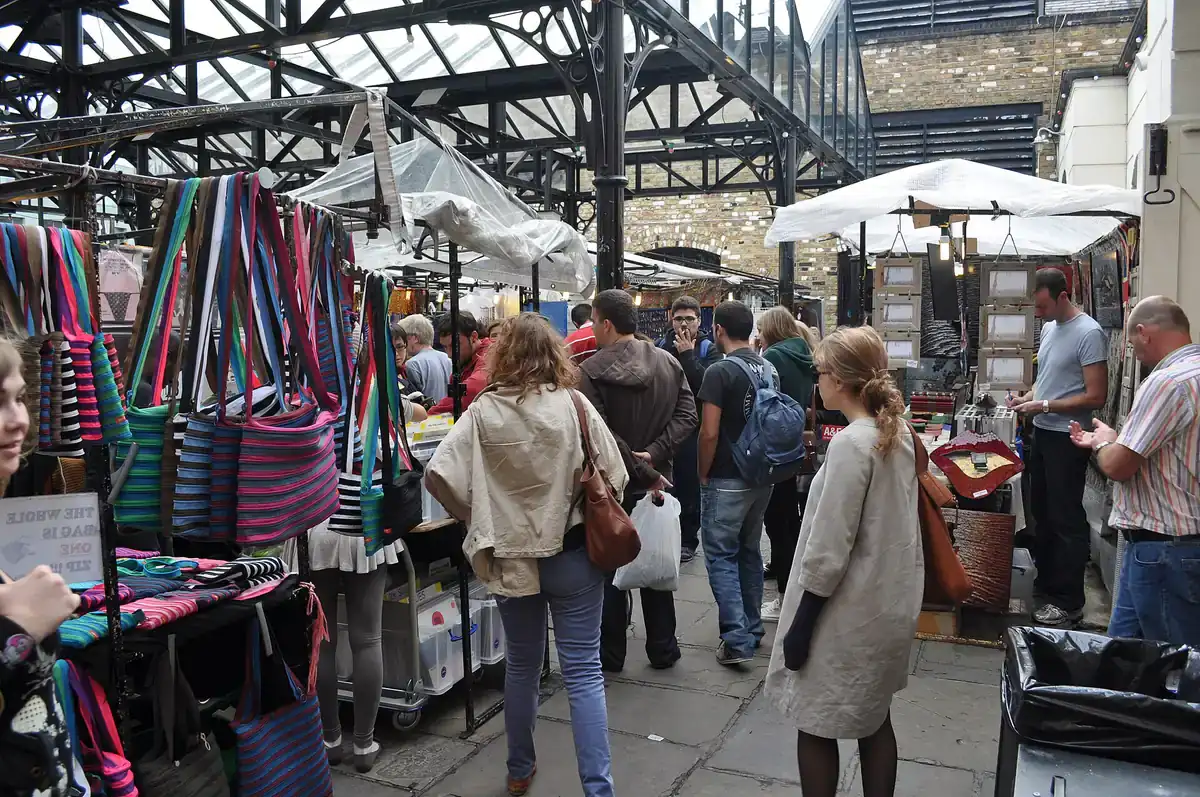
Camden Market is a alternative market in Camden. Street fashion, music culture, souvenirs, global food and canal atmosphere define Camden. Muslim visitors should use it as part of a planned route: Verify halal stalls; visit earlier in the day. For shopping pages, keep opening hours, Sunday trading, prayer breaks and halal food nearby updated with live map links.
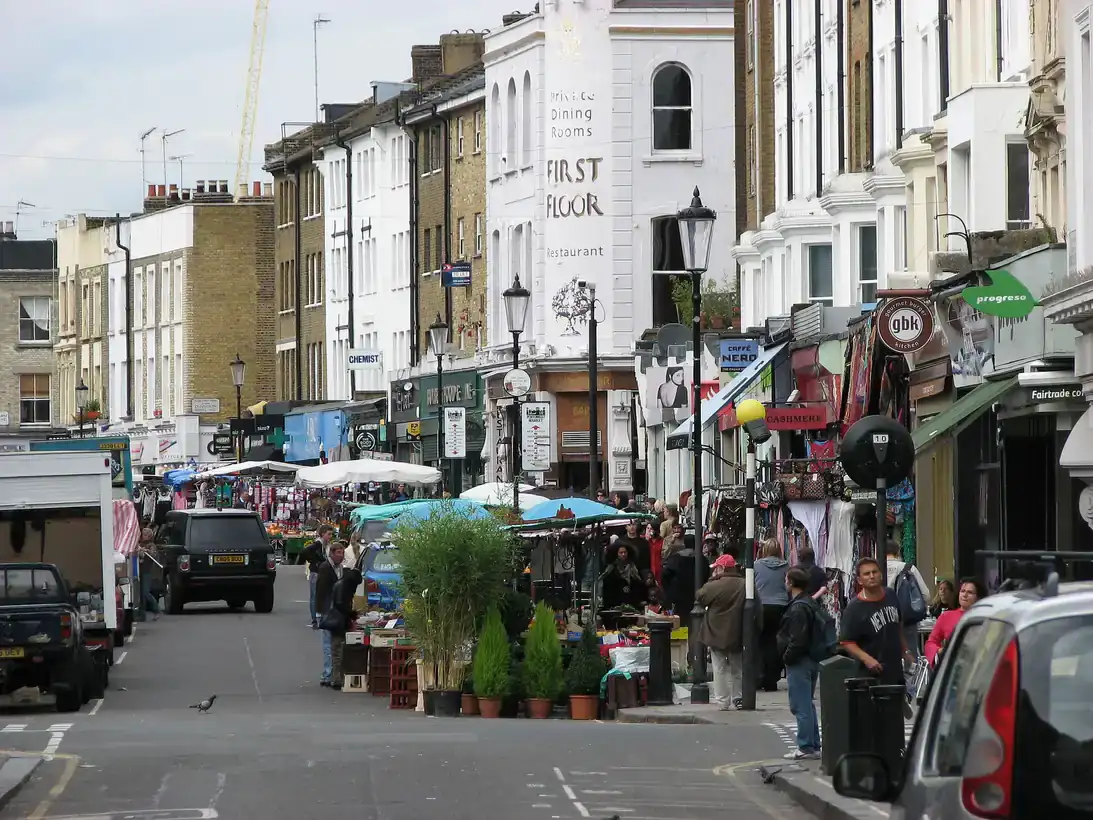 Notting Hill
Portobello Road Market is a antiques and street market in Notting Hill. Famous for antiques, vintage fashion and colourful Notting Hill streets. Muslim visitors should use it as part of a planned route: Saturday is the main day but also busiest. For shopping pages, keep opening hours, Sunday trading, prayer breaks and halal food nearby updated with live map links.