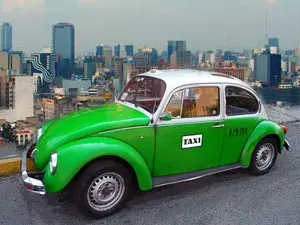
Convenient, easily available, and inexpensive. A 6 pesos base fare, with 0.7 pesos for every additional quarter-kilometer, for rides between 6am to 11pm. Night fares are around 20% higher. Some cabs would not follow the meter but prefer to haggle out the fare with the passenger – if you think the fare is inappropriate, wait and you will soon get another cab.
Mexico City is not really a driver friendly city, especially for tourists, and more so for those who cannot read Spanish, as almost all signs on the road and freeways are in Spanish.

Although driving in a city like Mexico can be quite a chore for amateurs, it might be, for some, the most convenient means of going places. Some of the most popular rental car agencies are:
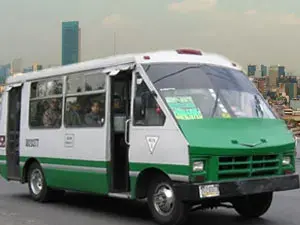
Buses present the most convenient form of public transport within the city due to their easy availability and affordable fares. There are two main kinds of public buses running around the city: the government operated RTP and the Microbuses. RTP buses charge a standard $2 fare (no change, so pay an exact amount) for a journey of any length along their designated route. They are large, comfortable, and are operated by drivers who adhere strictly to traffic rules, and so these buses are a safer means of travelling.
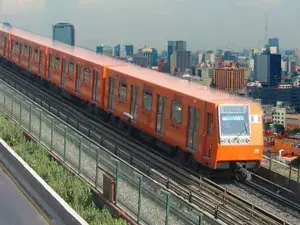
The Metro in Mexico City is one of the most widely used metro systems in the world. It is ideal for a city with a large population and insufficient roads. It is quite popular with the locals, as tickets are very cheap (2 pesos per trip with the facility to transfer from one line to another). The metro is thus usually heavily crowded, which makes it stuffy and uncomfortable at times, but the speed and the effectiveness of the system compensate for the occasional discomfort.
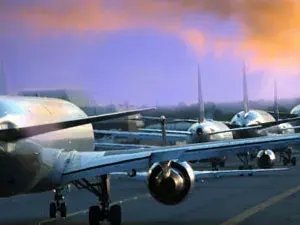
There are three primary ways to find your way into the city after you land at the airport.