City Information
Explore city history, fast facts, climate and practical visitor information for Oslo.
City Information
Visa Information
City Information
When to go
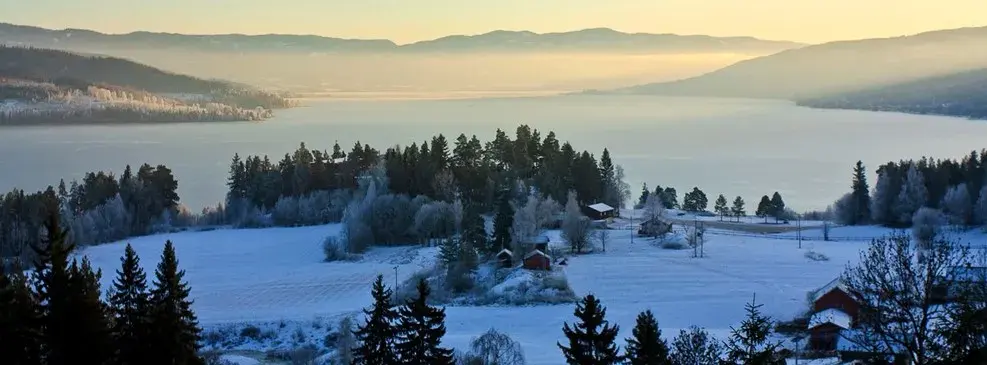
Summer in Oslo is usually the best time to visit. The summers are not too hot, and several music and shopping festivals take place for the benefit of tourists. If you prefer the cold, winters are good too, with snowfall usually occurring during January and February. Winters are also colourful, with a lot of festive cheer making any tourist feel welcome.
Read full articleCity Information
Fast Facts
-Location: Oslo is the capital city of Norway. It is shaped like an amphitheater with the city centre at the bottom, and hills and residences to the top. The North Sea that encloses the city from below also includes the island archipelago of Oslo, which is a popular tourist hotspot in the summer. -Dialing code: +47 -Emergency numbers: - Fire 110 - Police: 112 - Ambulance: 113 -Population: 580,229
Read full articleCity Information
Public Holidays
Thursday 1st January: - New Years Day
Read full articleCity Information
Annual Temperature
January Minimum Temperature: -7 Maximum Temperature: -2
Read full articleCity Information
Oslo Residents
Oslo proper has a population of about 550,000 people, with an additional 850,000 including its extra-municipal suburbs, for a total population of 1.4 million people. Although it is one of Europe’s smaller capitals, Oslo may be one of its most diverse. The population includes over 100,000 immigrants, not to mention many of Norway’s most famous celebrities. Roughly twenty percent of Oslovians hail from another country, making Oslo the melting pot of Norway. The cultural differences have impacted local culture in a variety of ways, ranging from different food served at local restaurants to a wealth in the variety of shops in the city center. The most notable immigrant communities hail from Sweden, Denmark, Pakistan and India, among others. Oslovians are also well known for their love of outdoor activities, which is made easy given Oslo’s expansive forests, mountains, and ports. Generally considered a lively and friendly people, residents of Oslo enjoy life in the city.
Read full articleCity Information
Oslo Today
Oslo’s geographic location at the head of an over one hundred kilometer-wide fjord makes it a naturally stunning city and opens up a number of activities that give the city its lively and culturally aware feel. With most sites easily accessible on foot, Oslo features world-class museums, lively night-life, and a huge range of outdoor activities for the adventurous. Although Oslo is one of Europe’s largest capitals by area, it is one of the continent’s least populated. This setup enables local residents to enjoy cycling, hiking, ice-skating, skiing, kayaking, sailing, and more all within the city limits or a short train ride away. But Oslovians do not settle for the wonders afforded them by one of Europe’s most heavily forested cities. The recent expansion of the city, fuelled largely by the discovery of oil reserves in the North Sea during the 1960s, has resulted in the development of a lively retail and leisure sector centered on increased traffic in the cities docks. Nowadays, Oslo is a thriving and vibrant city with a cosmopolitan feel and lively nightlife and café/bar culture. The influx of oil money has allowed the city to make increased investments in art and culture. Home to a wealth of cultural and musical festivals, especially during the summer months, Oslo is a must-see for anyone interested in Nordic culture. The city is also home to some of the greatest museums in Northern Europe, including the National Gallery, which houses Edvard Munch’s The Scream.
Read full articleCity Information
Oslo History
Oslo is the oldest of the Scandinavian capitals and was founded in 1049 by the Norwegian King Harald Hardrade. Arcahealogical findings have discovered human remains dating before 1000, leading the city to celebrate its millennium in 2000. The look of the city was shaped largely by its founders, which is evident by looking at some of its buildings, among them the imposing fortress Akershus Slott, which was built by Hakon V in the thirteenth century.
Read full articleKeep exploring Oslo
More places in Oslo
Keep exploring Oslo and add more stops to your plan.


More restaurants in Oslo
Keep exploring Oslo and add more stops to your plan.





More hotels in Oslo
Keep exploring Oslo and add more stops to your plan.