Citizens of Saudi Arabia, the United Arab Emirates, Qatar, Kuwait and Bahrain do not need a visa to enter Oman, and Omani citizens are at home. Travel with a passport or, where the crossing allows it, a national identity card, and keep vehicle documents ready if you drive. Family members travelling on other passports follow different rules: citizens of more than 100 countries can stay visa-free for up to 14 days, and eligible GCC residents can use the GCC resident visa through the Royal Oman Police eVisa portal. Rules change, so every non-GCC passport in the car should be checked on that portal before departure.
Citizens of Saudi Arabia, the United Arab Emirates, Qatar, Kuwait and Bahrain do not need a visa to enter Oman, and Omani citizens are at home. Travel with a passport or, where the crossing allows it, a national identity card, and keep vehicle documents ready if you drive. Family members travelling on other passports follow different rules: citizens of more than 100 countries can stay visa-free for up to 14 days, and eligible GCC residents can use the GCC resident visa through the Royal Oman Police eVisa portal. Rules change, so every non-GCC passport in the car should be checked on that portal before departure.
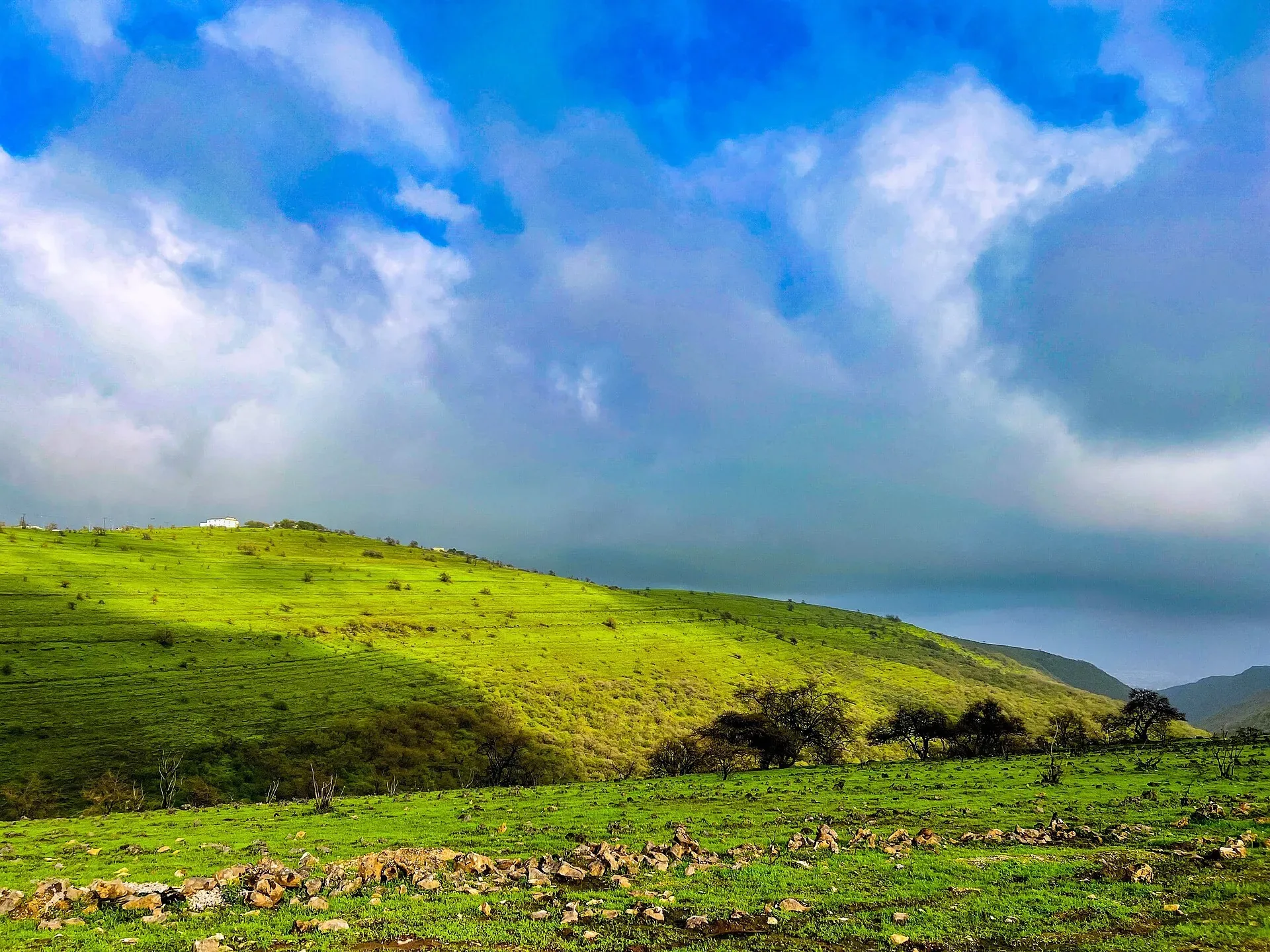
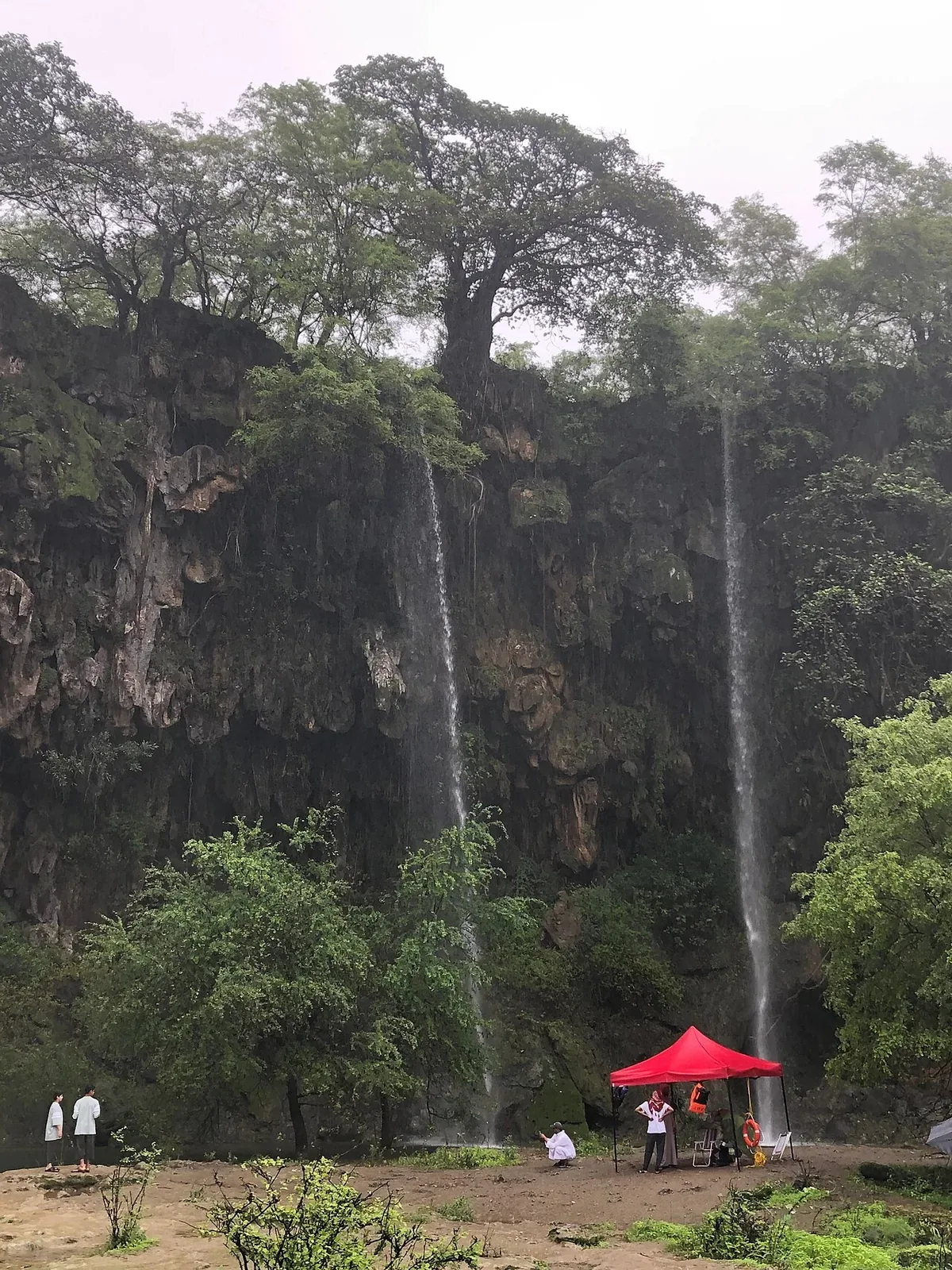
Choose your Salalah by season. For the famous green Khareef, come between 21 June and 21 September, with the fullest green, flowing waterfalls and the Dhofar Khareef programme from mid-July to mid-August — and the biggest crowds, so book flights, hotels and cars months ahead, especially around Gulf school summer holidays. For the same green hills under blue skies, come in the Sarb weeks just after the monsoon, from late September into October. For beaches, boat trips and clear mountain views, October to April is sunny and dry. May and early June are the hottest, driest weeks and suit only travellers who stay near the sea and sightsee early and late.
Averages are climate normals for Salalah (1991–2020). Sea temperatures are typical monthly averages and fall to their lowest in August, when monsoon upwelling cools the water even as the air feels mild. In Khareef the rain is mostly fine drizzle and mist rather than heavy downpours, but mountain roads become slippery and wadis can fill quickly.
The currency is the Omani rial (OMR), divided into 1,000 baisa. Cards are accepted in hotels, malls and larger restaurants; carry cash in rials for souqs, roadside fruit and coconut stalls, small cafés and Khareef-season stalls, where card machines can be unreliable. ATMs are common in the city and at the airport. Exchange Gulf currencies at banks and exchange houses in the city centre and malls.
Arabic is the language of daily life, and Dhofar also has its own heritage languages, including Shehri (Jibbali), spoken in the mountains. English is widely understood in hotels, the airport, car-hire desks and main sights. A few Dhofari courtesies go far: Salaam alaikum for hello, Shukran for thank you, and Qahwa for the cardamom coffee you will be offered with dates.
Omantel and Ooredoo Oman both sell visitor SIM and eSIM options at Salalah Airport and in city malls; bring your passport to register. Coverage is good in the city and along the main coastal roads east and west, and thinner in the mountains and desert interior, so download offline maps for Jebel Samhan, the Empty Quarter fringe and the road to Mirbat before you set out.
Oman uses Type G three-pin plugs — the same as the UAE, Saudi Arabia, Qatar, Kuwait and Bahrain — at 240 volts, so Gulf travellers need no adapter. Salalah keeps Gulf Standard Time (UTC+4), identical to the UAE and Oman and one hour ahead of Saudi Arabia, Qatar, Kuwait and Bahrain, so adjust prayer and flight timings when you cross from those countries.
The weekend in Oman is Friday and Saturday. Government offices close on both days; malls and souqs trade daily, with many souq stalls closing around Friday prayer and reopening in the afternoon. Archaeological parks and castles keep daytime hours and can close earlier in heavy Khareef mist. Tipping is appreciated rather than expected: round up taxi fares, and leave a small tip for good service in restaurants and for hotel porters and guides.
Pack for two climates in Khareef: light layers, a waterproof jacket, shoes with grip for wet mountain paths, and a light sweater for misty evenings in the hills. Outside Khareef, pack summer clothes, sun protection and swimwear for hotel and resort beaches. Oman dresses modestly in public: cover shoulders and knees in souqs, villages and religious sites, and women carry a headscarf for mosque visits. Drivers heading inland in any season should carry water, a phone charger and a full tank — distances are long and services are sparse beyond the coastal plain.