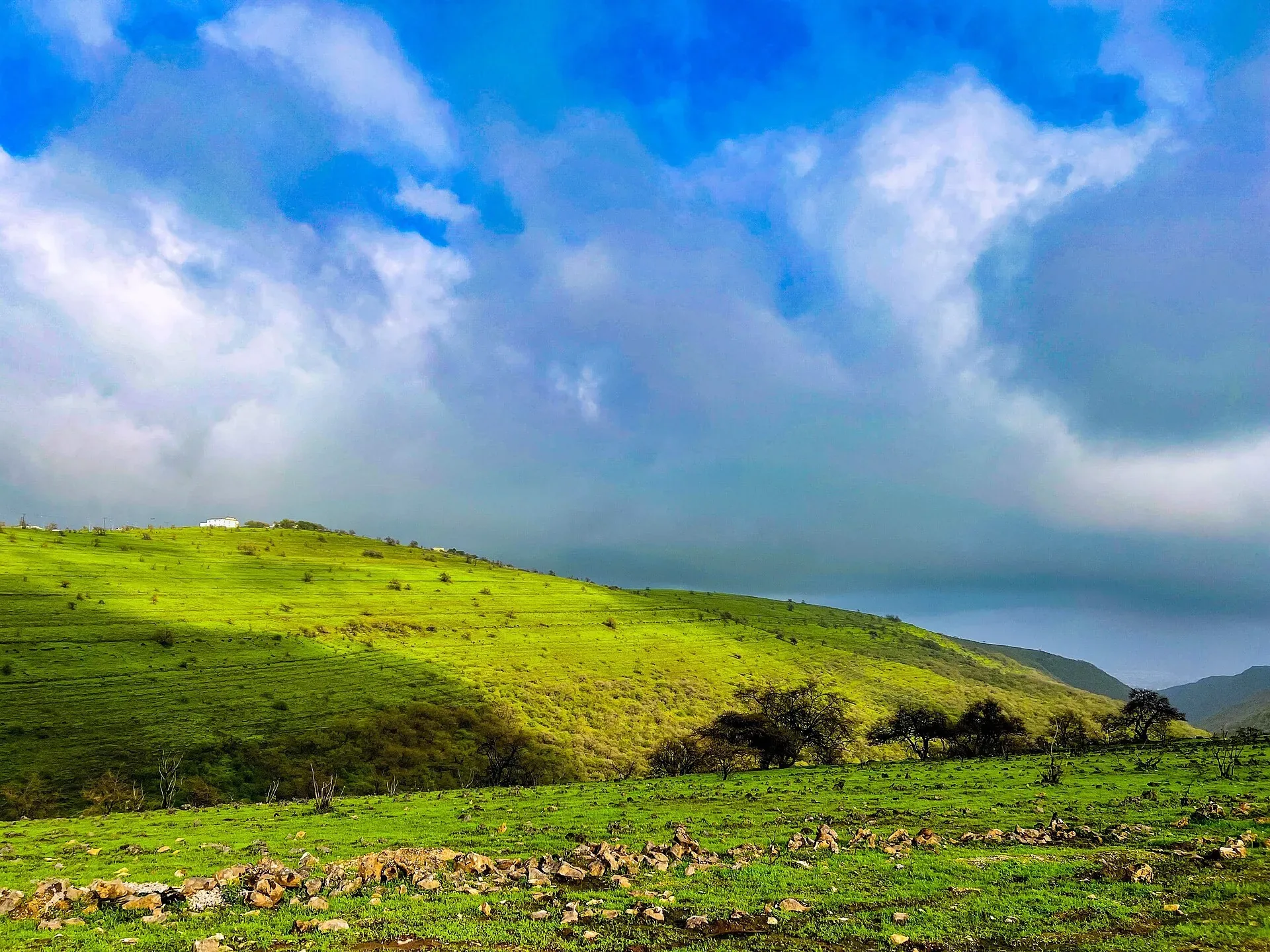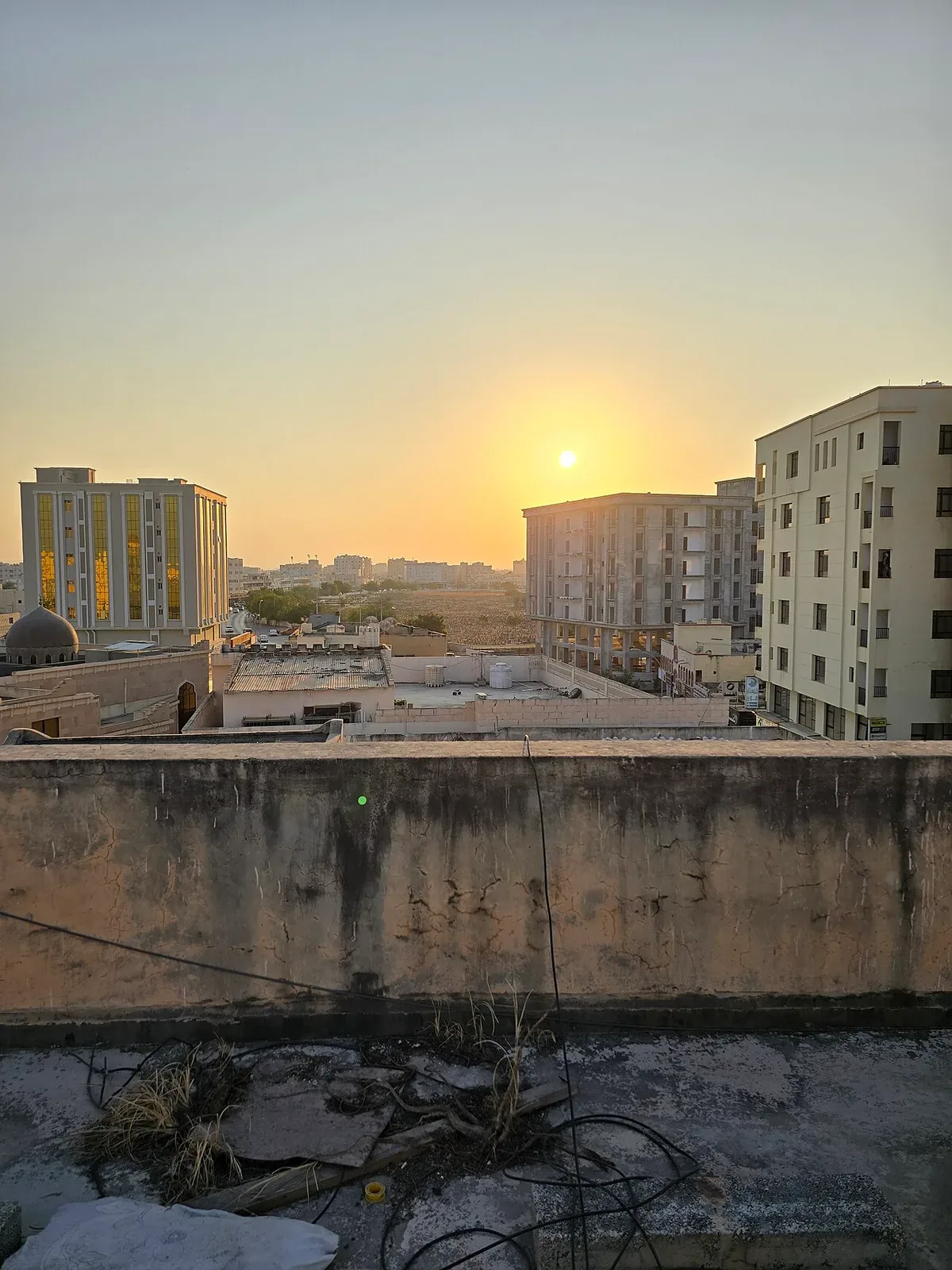
Salalah is the capital of Dhofar, Oman's largest and southernmost governorate, and home to one of Arabia's busiest container ports at Raysut. For visitors it feels like two cities: a calm, low-rise town of mosques, souqs and coconut groves for most of the year, and a festival city of more than a million Khareef visitors each summer. Tourism, the port, agriculture — bananas, coconuts, papaya — and frankincense still shape its economy, and its pace stays unhurried even in peak season.
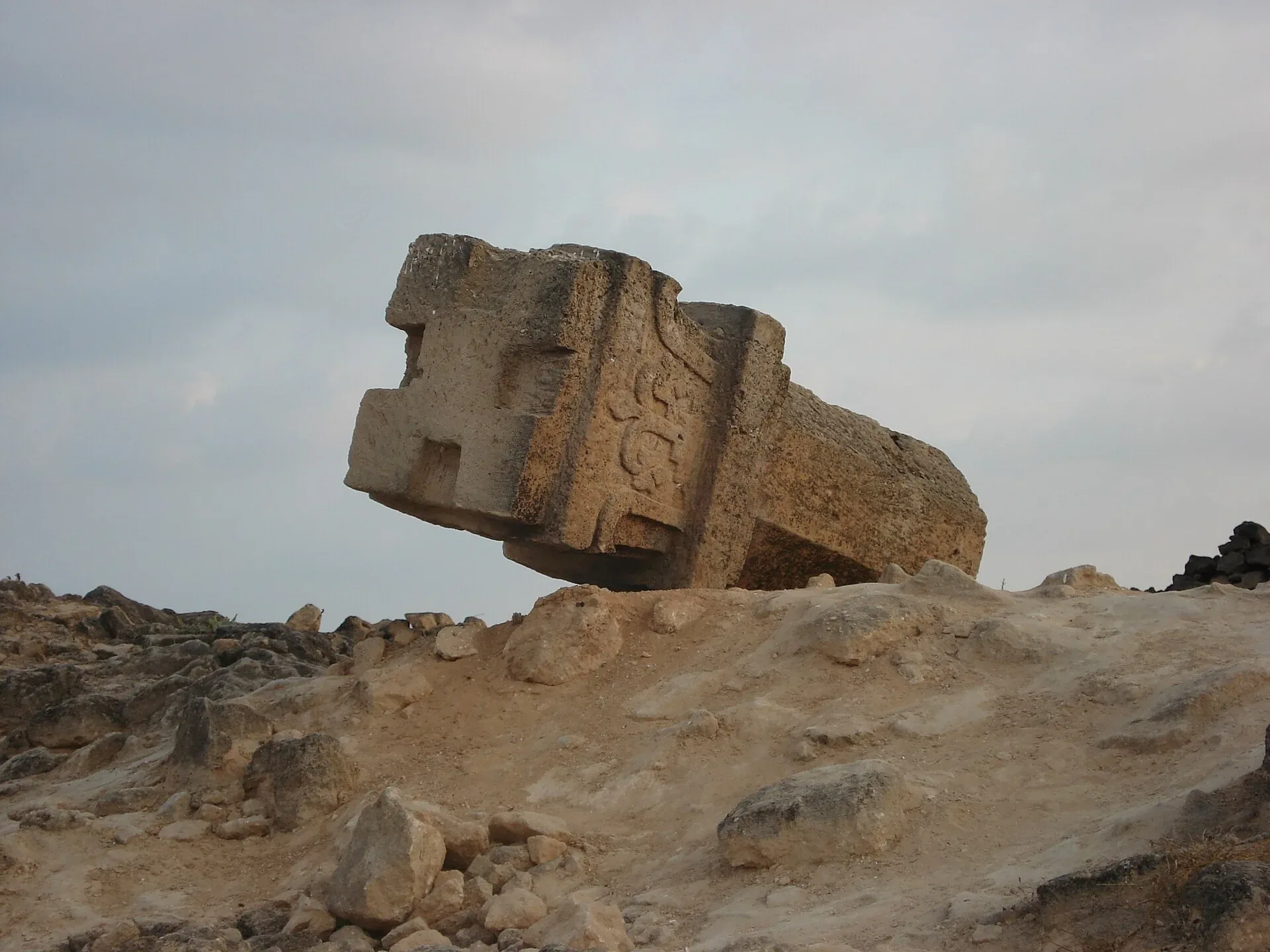
Dhofar's wealth was frankincense. The resin of trees growing in its dry inland wadis was worth more than gold in the ancient world, carried by camel to Arabia's ports and shipped from Sumhuram — founded around the 3rd century BC above Khor Rori lagoon — and later from Zafar, the medieval port whose ruins lie at Al Baleed and which gave Dhofar its name. Marco Polo wrote of the region's incense around 1300. The frankincense lands were inscribed by UNESCO in 2000, and the trade's story is told at the Museum of the Frankincense Land inside Al Baleed park.
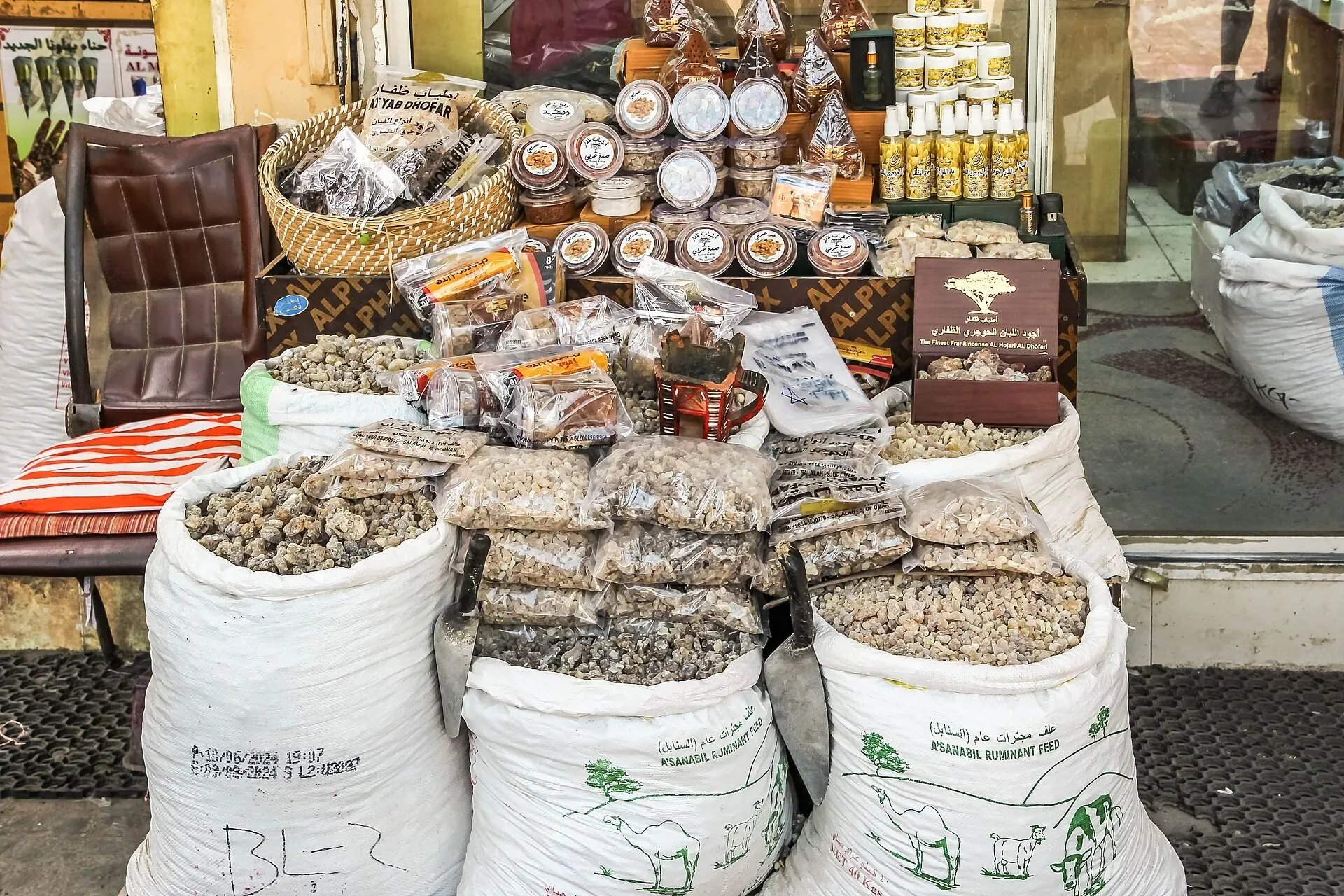
Dhofaris are known across Oman for warmth and for a culture distinct from the north: mountain communities speak Shehri alongside Arabic, herding traditions survive in the Jebel, and the kitchen leans on rice, grilled meats, seafood and coconut. Frankincense still burns in every majlis — you will smell it in souqs, hotels and homes — and the thobe, the embroidered cap and the jambiya at celebrations mark a Dhofari identity worn with quiet pride. Visitors who learn even a few words and accept the coffee and dates offered will be met halfway everywhere.