Skip to content
Tunis
Tunis

Top places to visit

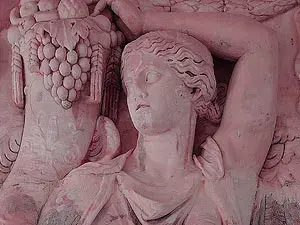
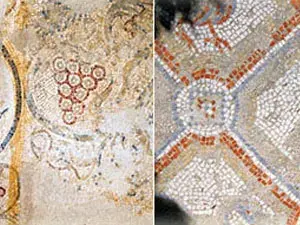
Though located a little west of Tunis, Le Bardo is a suburban settlement considered as a very integral part of Tunis because it is a cultural, social and religious hub of the country. The Bardo Museum is a must visit for all travelers to Tunis because of its cultural importance to Tunisia and its extended collection of Tunisian acquisitions especially the Roman Mosaics which have been arranged by date and place of origin. The mosaics are colorful and of various shapes and sizes and cradle a unique Roman story in them. Housed inside a 13th century Hafside Palace, the building has a very assorted look to it with decorations and vaulted ceilings. The collections inside represent these eras of history, Prehistoric era, Carthaginian era, Roman era, Christian era and Islamic era.
19 results

City overview
Bardo Museum

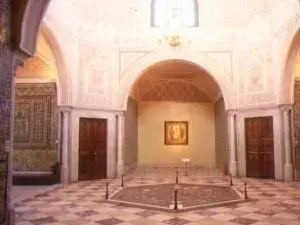
Though located a little west of Tunis, Le Bardo is a suburban settlement considered as a very integral part of Tunis because it is a cultural, social and religious hub of the country. The Bardo Museum is a must visit for all travelers to Tunis because of its cultural importance to Tunisia and its extended collection of Tunisian acquisitions especially the Roman Mosaics which have been arranged by date and place of origin. The mosaics are colorful and of various shapes and sizes and cradle a unique Roman story in them. Housed inside a 13th century Hafside Palace, the building has a very assorted look to it with decorations and vaulted ceilings. The collections inside represent these eras of history, Prehistoric era, Carthaginian era, Roman era, Christian era and Islamic era.
Early Christian Carthage

Much like the Carthage Museum, this museum is also a display of the ruins of the site which have been collected and preserved under the UNESCO guidelines. Apart from artifacts and objects, the exhibitions also include selected pieces of readings that give the tourists an idea of how majestic life was in the days of the Carthage.

Acropolium

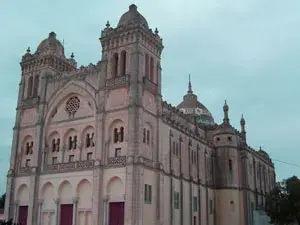
Built anew from the ruins of the Cathedral of Saint Louis, the Acropolium stands as a state of the art site for cultural shows and exhibitions. The cathedral was built by the French in 1956 and was later renovated in 1995. The Acropolium is host to many musical festivals in Tunis together with concerts of various genres. If you do not come across any festival or cultural event during your stay, visit the Acropolium for its mere beauty and the history behind this architectural wonder.

Sports Stadium

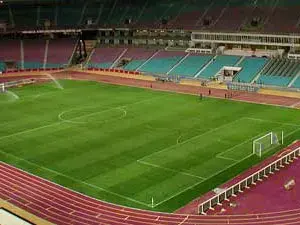
An ideal location for practice and stretching out, the stadium is crowded during local matches and is also a site for concerts and other events. Location: La Marsa, Carthago

Carthage Museum

The most extensive collection of Punic and Roman artifacts in housed in the Carthage Museum. From everyday items to kitchen utensils to antique jewelry and the clay masks that the Punic designed, everything that remained after the city was in flames for 17 days has been preserved here at the museum. Tourists are awed by the collection and one can’t help picture the fall of Carthage in 146 BC.

The c Dah happy land park

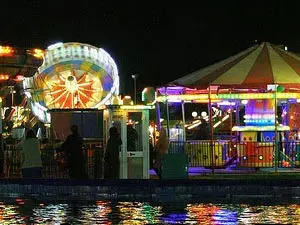
Inaugurated in 1995, this 11 hectare amusement park is located was the first of its kind to open in Tunisia. It provides a wide array of activities for people of all ages be it children, adults and even toddlers. Beside the amusement area is the Happy Land Park where family lounge in summer days and enjoy the gentle spring breeze.

Golden Bowling

Crowded with young Tunisians, Golden Bowling is a hip entertainment spot that was opened in 2000, equipped with 16 bowling alleys for avid bowling fans. In Tunis, this place is one of the best teenage hang outs because of the sheer variety of games it offers including tennis and pool. A restaurant, café and bar also attract people who drop in for a drink or a bite to eat.

Lake of Tunis

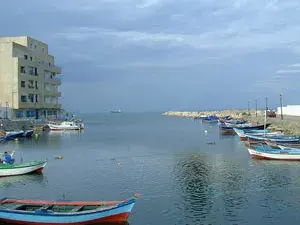
Lake of Tunis is one of the city’s most distinguishable sites. Located in the most posh district of Les Berges du Lac which itself means “the bank of the lake”, the lake is a very attractive site for strolls, picnics and relaxation. Many of the coffee houses located nearby offer seating in balconies overlooking the Tunis Lake.

Dar Bouderbala

Aiming to promote young, contemporary local artists, Dar Bouderbala or the Medina Gallery is a delightful place with paintings and aesthetic displays from all over Tunisia. Housed in a 19th century mansion, the building itself adds to the artistic aura of the place after being heavily renovated.

Dar Lasram

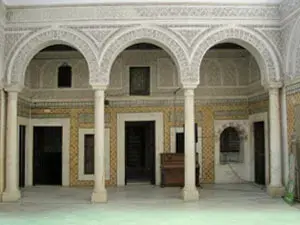
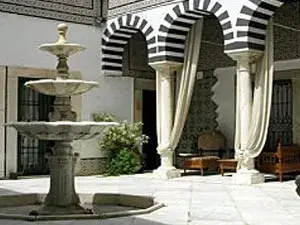
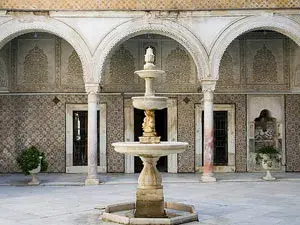
With the job of overseeing the Medina, Dar Lasram is an 18th century mansion which manages all conversations in and out of the Medina. Home to the Association of Preservation of Medina, the historic palace is in possession of all plans, scribes, photographs and maps of this historic area. For all its worth, the mansion is definitely worth a visit for its beautiful courtyard, vaulted ceilings and boldly decorated rooms.

Dar Bach Hamba

A palace turned museum, the Dar Bach Hamba features exhibitions on cultural handicrafts along with artistic paintings and artifact belonging to various Mediterranean countries. Tourists get to see cultural glimpses of multiple civilizations and cultures under one roof together with the magnificent architecture of the 17th century palace. Apart from housing galleries, the museum also has hall rooms where various cultural events are hosted throughout the year.

Kasbah Fortress

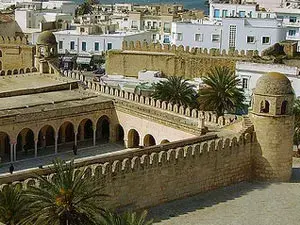
This landmark, though now in ruins, is a constant reminder to Tunisians of the struggle their ancestors had put up to keep the country independent. The Kasbah fortress was used to keep prisoners and as a protection for Tunisian soldiers during the war with Charles Quint. Today the fortress is a historic site and locals and travelers visit it en route to other Mediterranean cities via ferries through the La Goulette port.

Cathédrale Saint Vincent de Paul

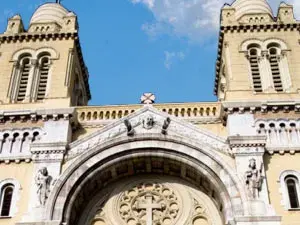
Perhaps the most dominating Catholic Church in Tunis, the Cathedral of Saint Paul has been built on neo-byzantine structures with two towers that can be seen from far. The church holds a lot of importance for its followers because Saint Paul, a Frenchman was abducted by pirates to Tunis and held in prison for two years in 1605. History has it, he was sanctified by the pope in the 18th century.

Postal Museum

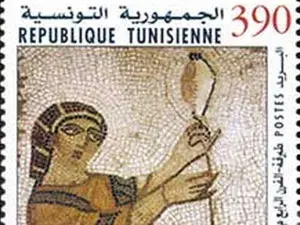
If you are interested in seeing history ‘represent’ itself, pay a visit to the Tunis postal museum. The place houses a collection of the most ancient stamps of Tunisia that were exchanged during communication in the olden times mostly during the 19th century. The exhibition shows a slow progression from those days to the present, when communication is much faster and uses different stamps of varying sizes. To cover other aspects of communication, the display also shows a variety of old modeled telephones and mails that were used commonly.

Municipal Theater

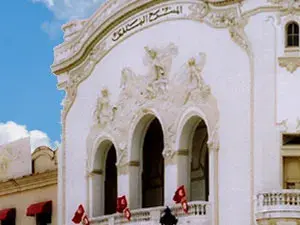
Tourists flock in crowds to see this piece of architecture in Tunis. The Municipal Theater, designed by French architect Resplendy, was inaugurated in 1902. The theater has been designed very lavishly in concrete white exterior with carvings on it. The balconies of the theater look majestic during sunset and give a very romantic aura to the place. Though entry for sightseeing is not allowed, try to attend an opera or play to take in the majestic interior of the place.

Dar Ben Abdallah

Occupying the ground floor of an 18th century palace, the Dar Ben Abdallah is a Traditional Arts and Customs Museum that arranged exhibitions to portray the life of the Ottoman people and the Tunisian way of life in the 19th century. Larger than life set ups of kitchen, lounges and patios depict how the people move through various stages of life. Furniture, human accessories, books, kitchen utensils and human figures are all part of the set ups. Timing: Tuesday to Saturday 9 30 to 4 30 pm.

Plaza of Government

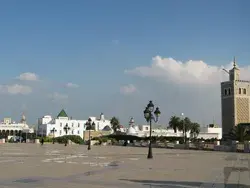
Plaza (palace) of the government has been home to the Prime Minister, Finance Minister and the Foreign Ministry ever since the Independence of Tunisia. The place is worth a visit with its nicely trimmed gardens and the dominating building amidst them. To the west of the Plaza is the Mosque of Kasbah built in the 13th century with square shaped minarets that beautify the place. On the other side of the plaza is the famous Sadiki College that has bred many of Tunisia’s young writers and thinkers. Location: Place du Gouvernement Médina (La Kasbah) Tunis 1006

Tourbet Aziza-Othmana

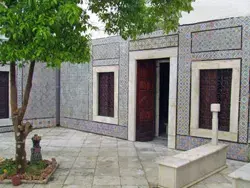
The Mausoleum of Princess Aziza of the Ottoman Empire is a historically significant site in a very intrinsic way. History has it that the princess had a very generous hand for the poor and destitute and even guided the construction of a hospital. Therefore, this mausoleum is visited often by locals and tourists for its beautifully decorated walls and ceramic work. Within the mausoleum is the grave of the princes together with her family and servants

Tunis Zoo

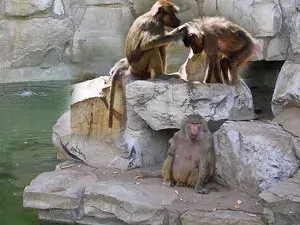
Set on a small scale in a shady park, Tunis Zoo is a major attraction for children and family picnics. The Zoo has a number of interesting animals including monkeys, birds, elephants and giraffes. Zoo timings differ with season and are as follows: Timings: 09:00-16:30 Tue-Sun during Oct-Mar; 09:00- 19:30 during Apr-Sep.