Skip to content
Vienna
Vienna

Top places to visit

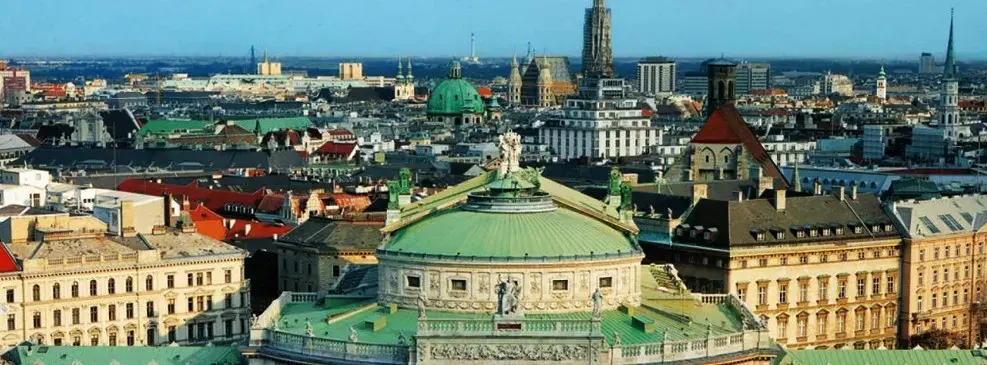
Although Vienna is generally a city for grown-ups - intellectuals, thinkers, and artists - it also caters to children, of all ages and sizes. The numerous festivals around the city are enjoyed by the general population, and the many monuments and parks are frequented by local and visiting families everyday in large numbers.This is why many of the tour guides in the city have special packages for families, where an involving and entertaining experience for the whole family is catered to.
21 results

City overview
Image

Although Vienna is generally a city for grown-ups - intellectuals, thinkers, and artists - it also caters to children, of all ages and sizes. The numerous festivals around the city are enjoyed by the general population, and the many monuments and parks are frequented by local and visiting families everyday in large numbers.This is why many of the tour guides in the city have special packages for families, where an involving and entertaining experience for the whole family is catered to.
Image

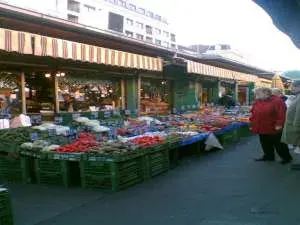
Vienna's most popular market, specializing in fresh fruit and vegetables, herbs, cheese, baked goods, and meat. Also has a lot of small restaurants. Every Saturday, a bustling flea market is held.

Image

This is one of the world's largest and most important museums. It contains 60,000 drawings and one million prints and is home to a vast collection of modern graphic works as well.

Image

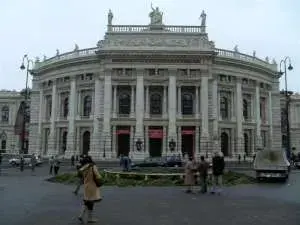
One of the most prominent German language theaters in the world, this is the Austrian National Theater in Vienna. The performers have developed a typical style and speech that is uniquely their own.

Image

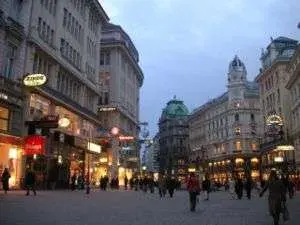
This is one of the most famous streets in the Innere Stadt District. Stretching from Stock-im-Eisen-Platz near the Palais Equitable to where Kohlmarkt and Tuchlauben meet, this street,due to its location and size, is famous for its year round market and its suitability for festivals and processions.

Image

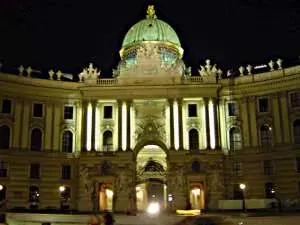
Has housed a lot of the people influential in Austrian history, including the Habsburg dynasty, and is currently the official residence of the President of Austria. Contains, among other interesting spots, chapels (Hofkapelle, Hofmusikkapelle, Burgkapelle), museums (the Naturhistorisches Museum & Kunsthistorisches Museum), the Imperial Library, state treasury, the national theatre(Burgtheater), riding school (Hofreitschule), and the horse stables (the Stallburg and Hofstallungen).

Image

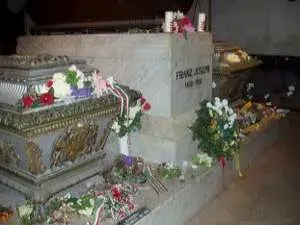
Situated below the Capuchins'church (the Church of St. Mary of the Angels) and monastery, on the Neue Markt square, near the Hofburg Imperial Palace, the Imperial Crypt has been the customary burial place of the emperors and dukes of the Austrian Empires since the early 17 th century.

Image

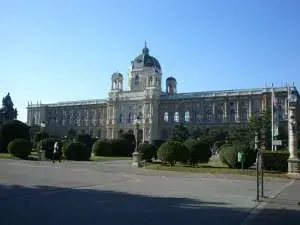
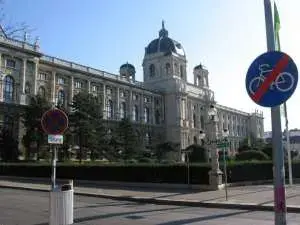
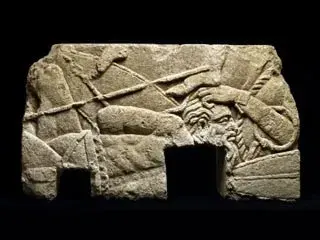
The Naturhistorisches Museum or NHMW is one of the important museums of the world. Here one can find a collection of artifacts which are over 250 years old. Rare fossils and pre-historic works of art are some of the items exhibited here.

Image

Also known as St Mary on the Strand, this church is among Vienna's oldest surviving buildings and is an example of Gothic-styled architecture. It is situated near the Danube Canal; a branch of the river Danube. It is associated with the Czech community.

Image

One of the most important opera houses and opera companies in the world. Price of a ticket can be quite high, but it is wildly sought, as the performances are worth it. The Vienna Opera Ball takes place here.

Image

Viennese City Park which extends from the Parkring in the First District of Vienna up to the Heumarkt, a street in the Third District, spanning a total area of 65,000m².

Image

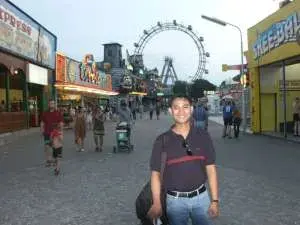
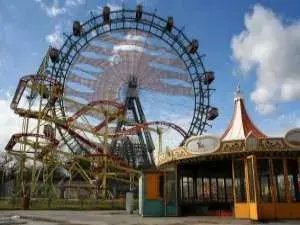
Former imperial hunting grounds for the royal family. Contains a large amusement park, known as the Volksprater ("People's Prater"), believed to be the oldest "modern" amusement park in the world, which has the much famed giant Ferris wheel ('Riesenrad'). Public entry into the Prater is free of cost while the costs of individual attractions vary from 1 euro to 10 euro.

Image

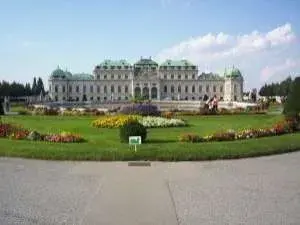
Complex of 18th century castles and gardens. Expansive spaces, truly magnificent views, and astounding architecture.

Image

60,000 m² large area, contains baroque buildings as well as samples of modern architecture. Houses installations from large art museums like the Leopold Museum and the MUMOK (Museum of Modern Art Ludwig Foundation Vienna). It also houses the Tanzquartier, a well-built centre for dance, the Architektur Zentrum Wien and other art-related attractions.

Image

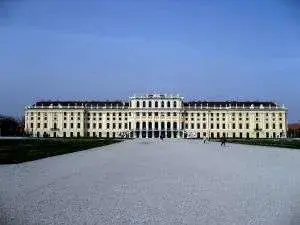
Recognised as one of the most important cultural monuments in Austria, and also a World Heritage Site by UNESCO, this palace was the Habsburgs' summer escape and was built in characteristic Habsburg architecture, containing lavish gardens which are the major tourist attraction. The palace also boasts a zoo and greenhouse.

Image

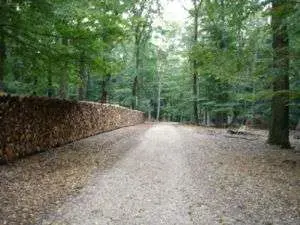
Wildlife preserve, 80% of which is covered in woodland. Around 80 to 100 red deer,800 to 1000 wild boars,200 to 250 fallow deer and approximately 700 mouflons can be spotted here.

Image

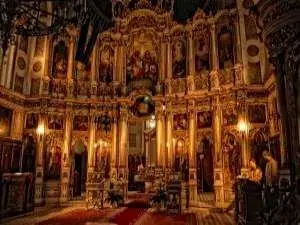
The Kalvarienbergkirche, the Suhnekirche, and the Marienpfarre churches date back to medieval times and are built in classic style architecture. They are definitely worth a visit.

Image

Major museums which attract large crowds include Hernals District History Museum, a carriage museum, and the Rettungsmuseum (museum about rescues).

Image

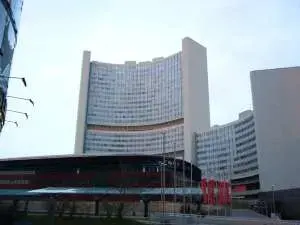
A cylindrical conference building surrounded by six Y-shaped office towers compromise the campus and building complex hosting the United Nations Organizations in Vienna. The twenty eight storey building is the highest at 120 meters. The building is a classic example of modern architecture.