Why visit
Qasr Al Watan is not a palace you visit only because it looks grand from the outside. Its value is that it translates a working presidential setting into a visitor experience about knowledge, governance, craftsmanship and national identity. For a first Abu Dhabi trip, it helps explain the capital's formal side: the city of councils, institutions and ceremony that sits behind the hotels, malls and waterfront views.
What to see
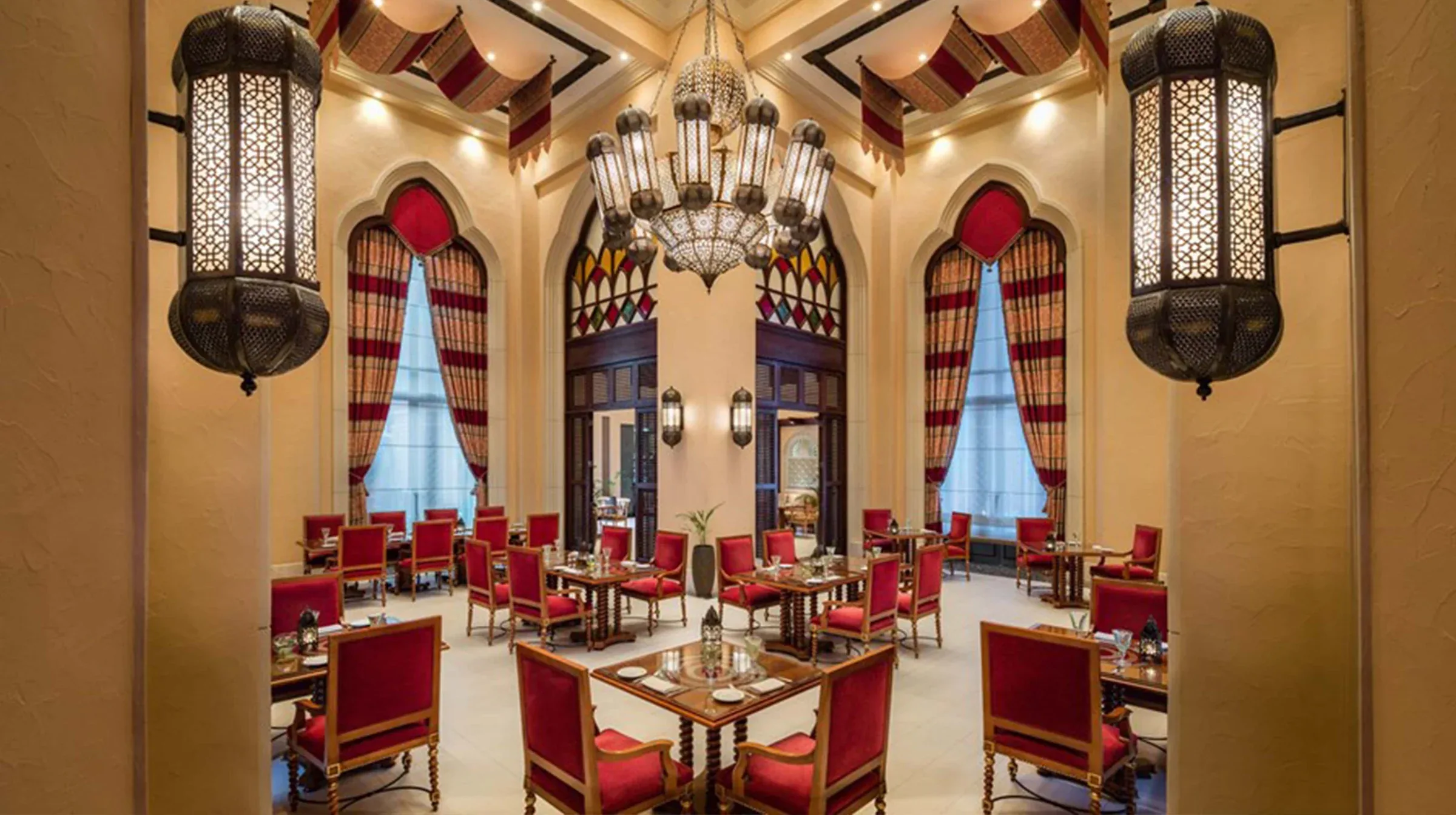
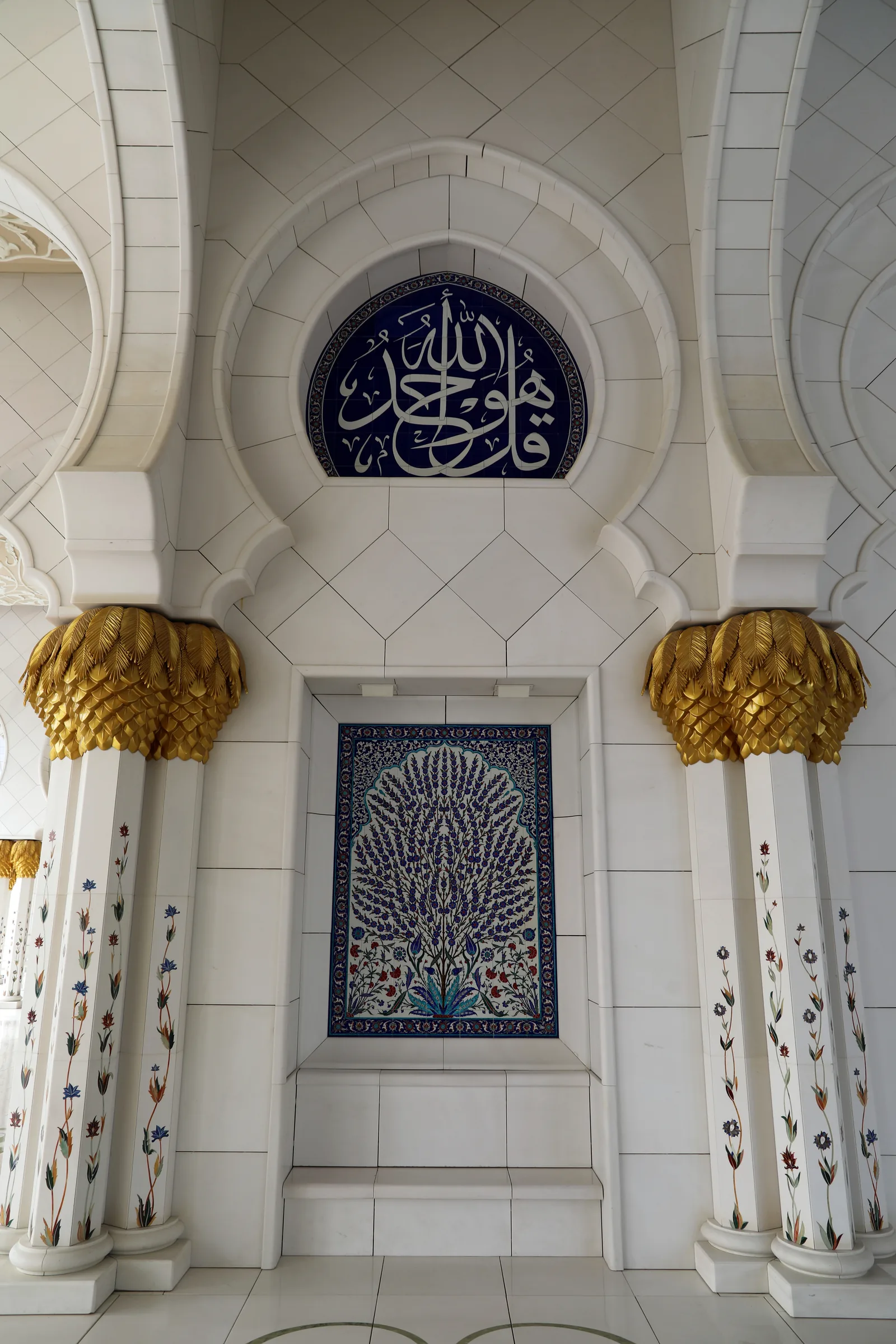
The strongest way to experience it is to slow down inside the main halls. Look at the geometry, calligraphy, decorative details and ceremonial scale, then connect them to the exhibitions on the UAE's governing traditions and intellectual heritage. The palace is highly polished, but it works best when treated as interpretation rather than spectacle. Families can use it as an accessible introduction to how the UAE presents its state story; architecture-minded visitors will find the interior craftsmanship more rewarding than a quick facade photo.
Plan your visit
Muslim travelers often combine Qasr Al Watan with Sheikh Zayed Grand Mosque, Wahat Al Karama or the Corniche because the route keeps faith, national memory and civic identity in one practical area. It is also a good late-afternoon option if you want to avoid the harsher daylight and stay nearby for the evening palace light programme when it is running. Do not make the schedule too tight: security, entry routing, photography and gallery time all add up.
Good to know
Opening hours, last entry, special closures and the light show can change, so use the official Qasr Al Watan website or ticket page before you commit to a time. The contact centre is listed at +971 600 544 442. If you are planning with children or elders, check shuttle, gate and accessibility guidance in advance, because the site feels much easier when you know where the visitor entrance and exit flow are.