Why visit
Qasr Al Hosn matters because it gives Abu Dhabi a beginning you can actually stand inside. Before the skyline, before the island resorts and before the big cultural districts, this was the city's historic anchor: a watchtower, a fort, a ruling-family seat and now a carefully interpreted heritage block. For visitors who want the capital to feel less abstract, it is one of the most useful stops in the city.
What to see
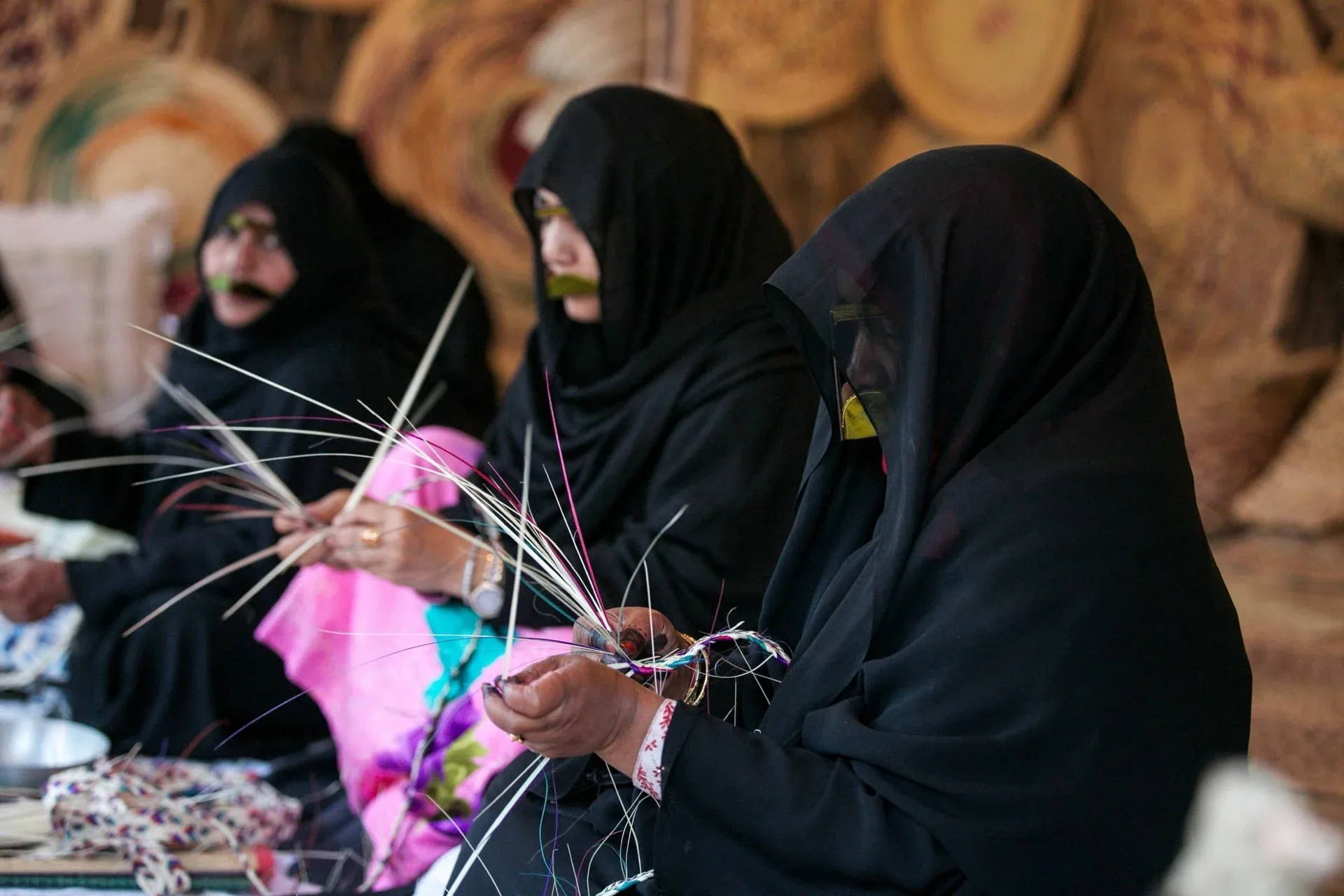
The experience is broader than a single fort photo. The wider Al Hosn site brings together Qasr Al Hosn, House of Artisans, Bait Al Gahwa and cultural programming, so the visit can move from architecture to craft to coffee etiquette without needing a long transfer. That matters for families and first-time visitors because Emirati heritage becomes tactile: palm frond work, weaving, hospitality, pearling memory and the urban story of a coastal settlement becoming a capital.
Plan your visit
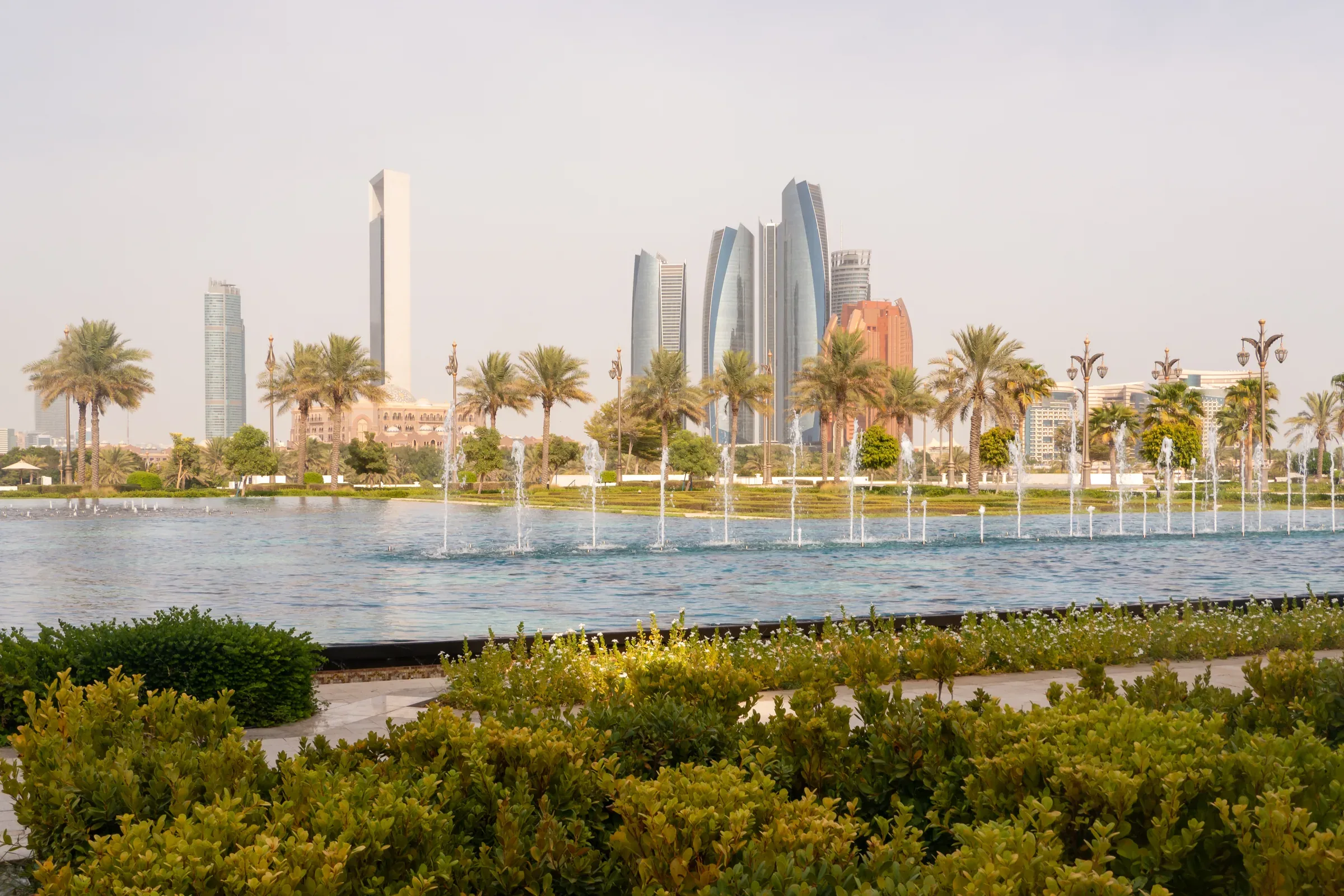
This is the right place to slow the pace after the Corniche or before a museum-heavy Saadiyat day. The strongest visit is not rushed; look at how the white fort sits against the modern city around it, then use the exhibitions and craft spaces to understand continuity rather than nostalgia. If the schedule includes children, give them specific things to notice: doors, courtyards, craft tools, coffee rituals and the contrast between old Abu Dhabi and the roads outside.
Good to know
Ticketing and programming change through the year, especially around festivals, workshops and school holidays. The official Qasr Al Hosn material lists a daily pass covering Qasr Al Hosn, House of Artisans and Bait Al Gahwa, with historical ticket guidance of AED 30 for adults and AED 15 for children, but you should confirm current prices and timings on the official website before visiting. Allow extra time if a workshop or performance is running.