Why visit
Sheikh Zayed Grand Mosque is Abu Dhabi's most important public landmark because it gathers several stories into one visit: the memory of Sheikh Zayed bin Sultan Al Nahyan, the UAE's founding president; the confidence of a young capital; and the hospitality of a working mosque that welcomes worshippers and visitors through a carefully managed cultural route. It is easy to treat it as a photo stop, but the mosque rewards a slower visit. The white marble, reflective pools, floral stonework and long arcades are designed to make scale feel calm rather than overwhelming.
What to see
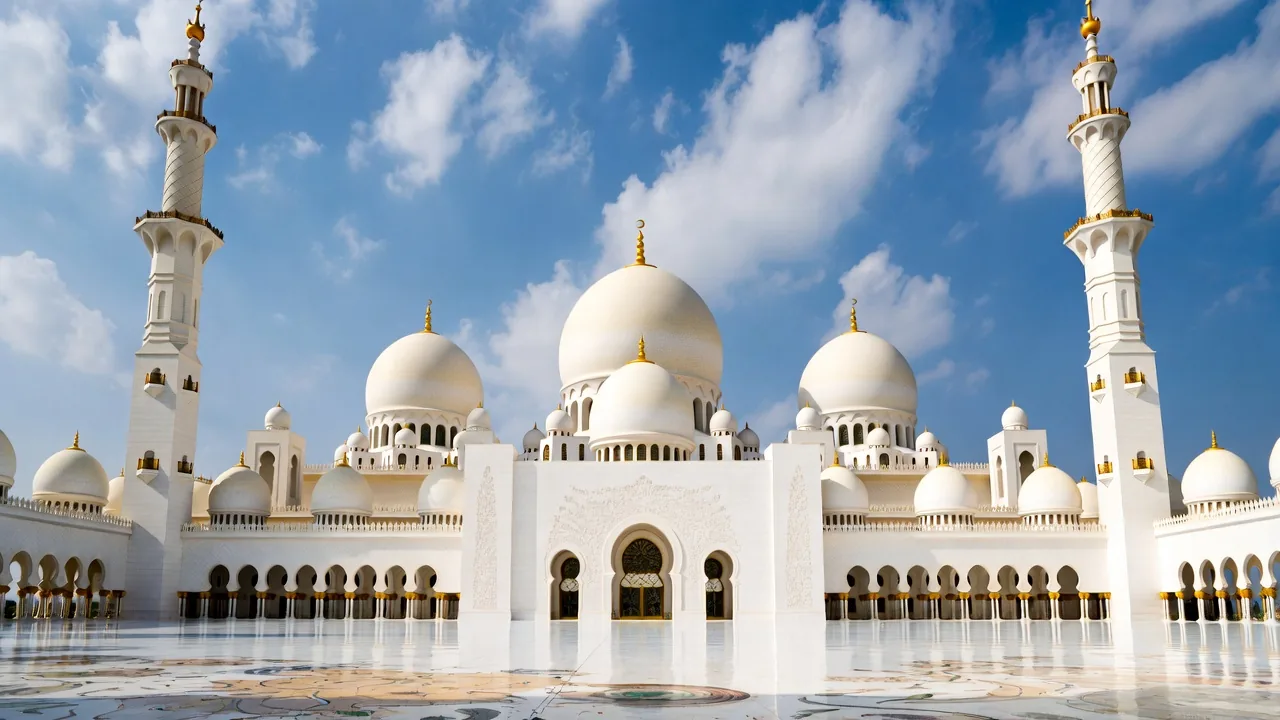
The facts matter because they explain why the place feels so monumental. The official Sheikh Zayed Grand Mosque Centre describes the complex as having 82 domes, four minarets, a vast courtyard and a maximum capacity of approximately 50,000 people. The main prayer hall alone can accommodate thousands of worshippers, and the building is planned around both congregational prayer and public cultural understanding. This is not a museum built to look religious; it is an active mosque whose visitor experience has been organized around prayer times, dress rules, guided interpretation and respectful movement through sacred space.
Plan your visit
What to notice first is the rhythm of the building. From outside, the domes and minarets give the mosque its skyline presence. In the courtyard, the floral marble patterns soften the huge open space, while the pools turn the arcades into a series of reflections. Inside, the scale changes again: calligraphy, chandeliers, carpet, columns and light all work together to create a composed, ceremonial atmosphere. For architecture lovers, the appeal is in the blend of Islamic references rather than one single style; for families, it is a place where children can understand grandeur without needing a long museum explanation.
Good to know
For Muslim travelers, the mosque has a different weight from most Abu Dhabi attractions. It can be a meaningful prayer stop, a place to introduce children to contemporary Islamic architecture, or a quiet counterpoint to the city's malls and theme parks. Plan around prayer times rather than squeezing it between unrelated stops. Dress modestly, expect visitor screening and route control, and check the latest official visitor guidance before you go because access rules can change around prayers, Ramadan, Eid and official occasions.
Good to know
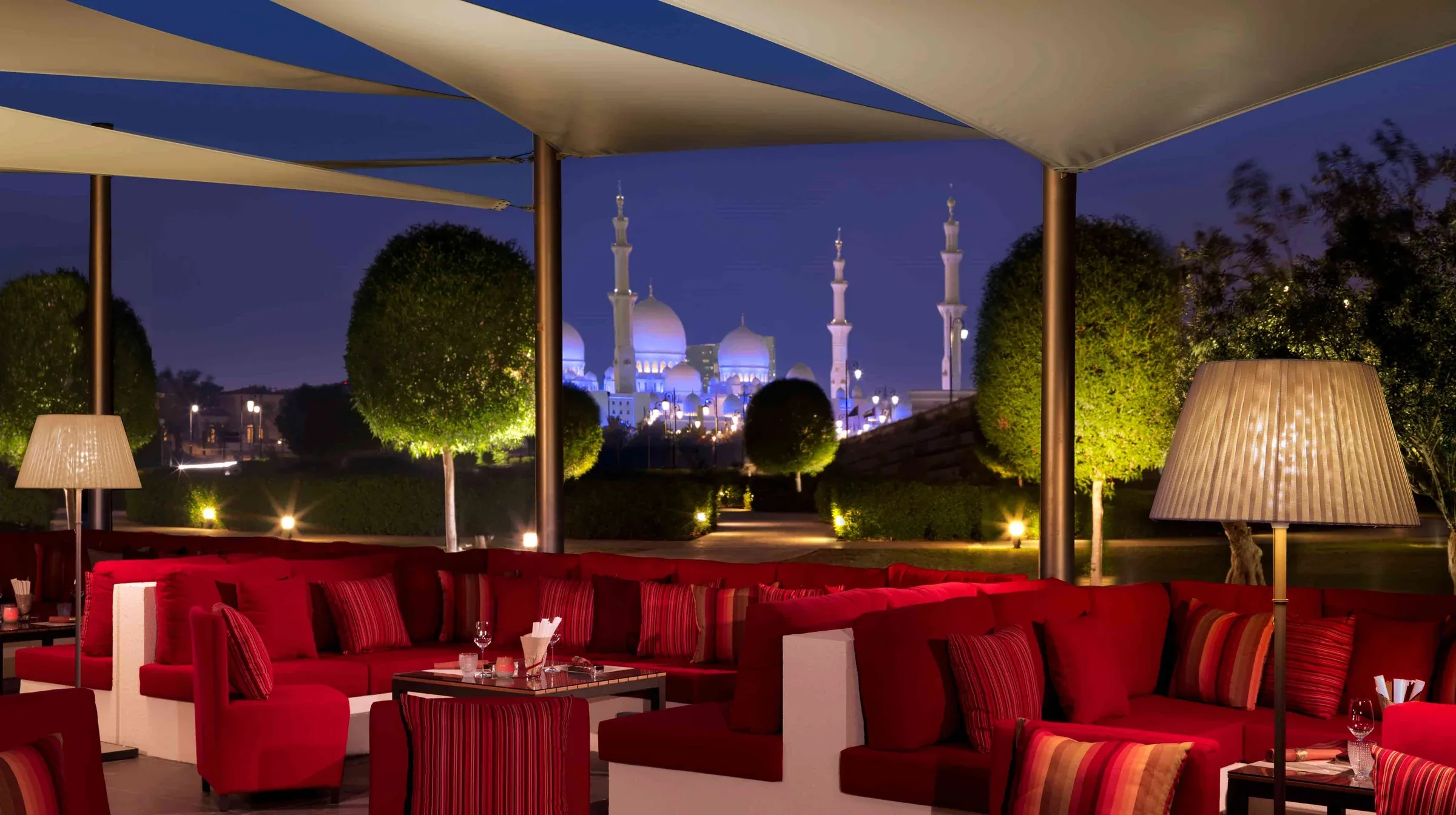
The best time for many visitors is late afternoon into early evening, when the marble loses its harsh midday brightness and the mosque begins to shift toward its illuminated night view. Morning visits can be calmer and cooler in hotter months, but the visual drama is strongest around sunset. Allow more time than a quick photo stop suggests: the approach, visitor route, photographs, possible cultural tour, washroom/prayer planning and exit through the visitor facilities can easily fill a meaningful part of the day.
Good to know
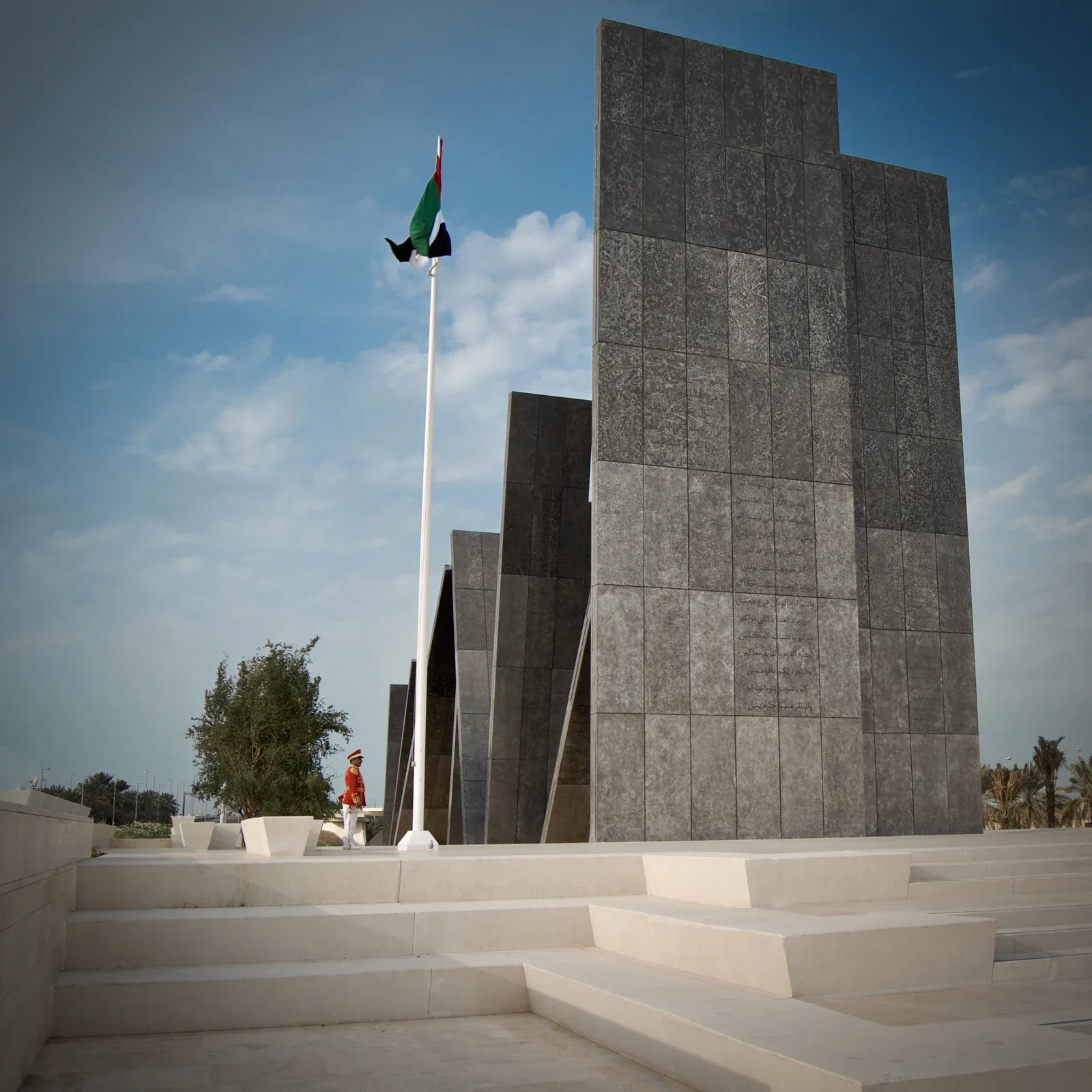
It pairs naturally with Wahat Al Karama across the road, especially if you want a route that connects faith, national memory and architecture without crossing the whole city. It also works as the anchor of an eastern Abu Dhabi day before returning toward the Corniche, Qasr Al Watan or a hotel dinner. If you are building a Muslim-friendly itinerary, place it deliberately: this is one of the few Abu Dhabi stops that is both globally famous and spiritually relevant, and it deserves more than the leftover half-hour at the end of a tour.