Skip to content
Caracas
Caracas

Festivals and Annual Events

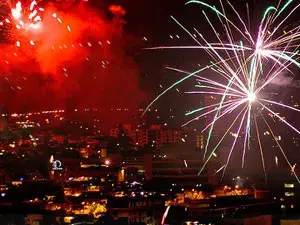
Caraqueños just need an excuse to start shaking all over! Partying, singing, dancing, and going wild to the beats of music serve as the Fountain of Eternal Youth for this nation. New Year’s Eve makes no exception. From late afternoon you can see people scurrying all around town, eager to close down their businesses, get together a group of friends, and head to the most happening places around town – either the beach, that is swarming with other like-minded partygoers, or a more private retreat in nightclubs across the city. As a centuries old tradition, people bring homemade cloth or rag dolls and burn them at the stake – this represents forgetting the hardships and problems borne the previous year and preparing for a fresh new start. As midnight draws in, people head to the central square. Here an intense display of fireworks follows, amidst excited squeals from the audience, to welcome the New Year as the clock strikes midnight.
12 results

City overview
alt

Caraqueños just need an excuse to start shaking all over! Partying, singing, dancing, and going wild to the beats of music serve as the Fountain of Eternal Youth for this nation. New Year’s Eve makes no exception. From late afternoon you can see people scurrying all around town, eager to close down their businesses, get together a group of friends, and head to the most happening places around town – either the beach, that is swarming with other like-minded partygoers, or a more private retreat in nightclubs across the city. As a centuries old tradition, people bring homemade cloth or rag dolls and burn them at the stake – this represents forgetting the hardships and problems borne the previous year and preparing for a fresh new start. As midnight draws in, people head to the central square. Here an intense display of fireworks follows, amidst excited squeals from the audience, to welcome the New Year as the clock strikes midnight.
alt

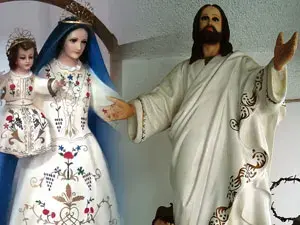
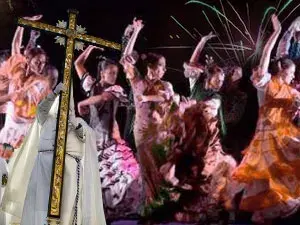
A revered religious celebration occurring during the first week of February that pays homage to the Virgin Mary, a highly esteemed religious icon in Latin American lands. This festival is marked with sober expressions of respect rather than zealous displays of passion. People from all over the rural suburbs gather around as the main churches in Caracas hold religious sermons, poetic and musical recitals, and folk songs and dances. As the festival draws to an end, people put up ceremonial candle lighting displays and decorate churches and homes with floral wreaths, giving a warm, blessed, motherly touch to the city.

alt

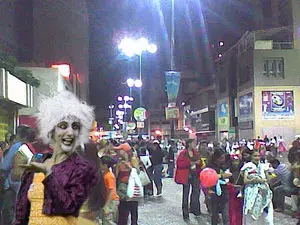
A festival that draws in tourists and visitors to Caracas by the thousands, from all across South America, Mexico, and the Caribbean lands, Carnival is an event that gives new meaning to the phrase “partying hard!” Marked by noisy street processions, splendid decorative elements, parades with lavishly prepared floats, and in general hordes of adrenaline-charged locals and tourists jumping to the beats of heart-throbbing music, Carnival gradually increases in intensity and reaches its peak at Mardi Gras, a Tuesday. Live open-air concerts, street performances, amateur theatrics, all-night clubbing, and a general air of recklessness are the main highlights of this festival.

alt

A somewhat milder festival compared to the general party-loving scene in Caracas, Semana Santa marks a week-long vacation season before Easter where families get together to spend quality time at homes, public parks, and, most commonly, at the beach, sunbathing. The week marks a series of venerated religious proceedings that commemorate significant events from the life of Christ, including the Crucifixion and Resurrection. Church plays re-enact these events in the presence of hundreds of dedicated followers. A series of feasts follows as the day’s more formal programs come to an end. This festival is also marked by empty office buildings, fully booked hotel rooms, and overcrowded public transportation, as most people get decreased work hours and so spend more time socializing.

alt

The International Theater Festival provides immense global recognition to Caracas. It is held every alternate April, and draws in crowds of intellectuals and students from all across Latin America, featuring theatrical performances by popular local as well as foreign actors. Venezuelan theatre arts have been flourishing over the years, and you can witness quite an impressive variety of plays that address regional and international social issues. The main events occur within the 4 major theatres in town, namely the Teatro Nacional, the Teatro Teresa Carreño, the Teatro El Paraíso, and the Ateneo de Caracas.

alt

Originally a pagan festival, but modified according to Catholic Christian beliefs over the years, the May Cross Celebrations occur mid-May to welcome Spring, the season of good harvests, fertility, and life. Street processions mark this event, where people traditionally used to hold symbolic vigils to keep guard as Spring moves in, displaying their thankfulness for the blessings it brings. The vigil tradition is now fading out, being replaced by singing, dancing, and a general air of merrymaking as people get together on the streets to socialize. A rather charming highlight of this festival is the public buffet table – bring a homemade dish, place it on the table, and enjoy some of the delicacies brought in by others.

alt

Initiated in 2002, this literary festival has managed to gain the attention of an intellectual target group all across the country. Popular, established poets, as well as upcoming ones from all around the Latin American region come together in this charming series of evening sittings, concerts, poetic displays and artworks, calligraphic exhibitions, and a host of related cultural activities. Might sound a bit dry to all the partygoers out there, but you would not believe the amount of people who turn up for participation in a literary sitting during this festival – Venezuelans love poetry!

alt

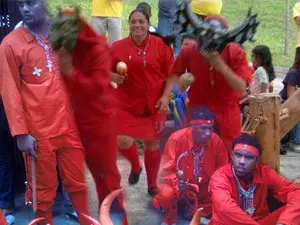
Known as the Festival of the Dancing Devils, this is another pagan festival that originated in African dance methods but has been adapted to suit the religious and social lifestyle of Caraqueños. First, all hell breaks loose as citizens put on colorful costumes, usually red or other bright colors, and rush into the streets to dance to wild drum beats. Then, after all the energy has died down, they head to the church and line up to place solemn resolutions for their lives ahead, and pay generous donations as repentance for their sins. This is seen as a kind of voluntary exorcism, the expulsion of the devil’s energy from the human body. The festival honors the Corpus Christi tradition, and commemorates the ultimate victory of good over evil.

alt

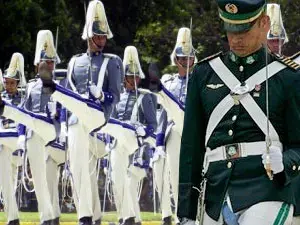
Venezuelans are a very sentimentally charged nation, and they hold their historic moments in high esteem. The 5th of July, the day when Venezuela gained independence from the Spanish Crown back in 1811, is regarded as a day of celebration, a day that is full of passionate chanting, singing anthems, decorating the streets with flags, and holding splendid parades. Every few minutes or so you are sure to witness a group of young bikers or excited schoolchildren running past you screaming "Viva Venezuela!" on the top of their lungs. Towards the evening, people start gathering around the major squares in the city to view performances by local artists that depict the centuries old culture and heritage of not only Caracas, but the whole country.

alt

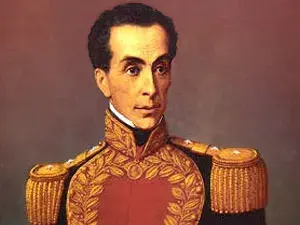
The birthday of Simón Bolívar, Venezuela’s greatest celebrated hero, is observed on the 24th of July. A public holiday, the day is marked by ceremonial processions, art exhibitions concerning the life and works of Bolivar, and official political dinners at stately residences. This is a time for reminding oneself of the hardships the great leader had to bear in order to bring justice and liberty to the people of Venezuela. A general air of cheerfulness, thanksgiving, and patriotic energy fills the air.

alt

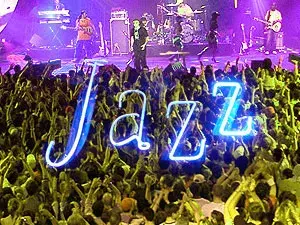
El Hatillo Jazz Festival For the love (and lovers) of Jazz! Following centuries old traditions in local folkloric music fused with the modern blues and rumba of today, this festival brings together some of the best jazz players in the region for a long week of fun and music. Ethnic, classical, and international tunes, from solo street side performances to open-air concerts to formal, full-fledged orchestras in auditoriums, the Jazz festival is sure to drive away your “blues”!

alt

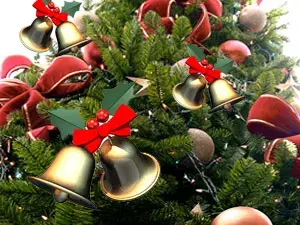
The primary cheer of the year, Christmas marks for Caraqueños a taste of traditions fused with the local flair of merrymaking. Intended to be a purely ritualistic, formal event, Christmas is nevertheless celebrated with all the excitement of any other street festival, complete with singing, dancing, and pranks! Being a predominantly party-making city, Caracas witnesses the full force of the holiday season right from mid-December, when shoppers start filling up malls, and restaurants offer special deals for exclusive items on the menu. Churches conduct special masses that go on till January, and each weekend is marked with candle light processions and family dinners. On Christmas Day, groups of amateur carol singers go door to door to spread the good cheer. Take a walk out around a residential area in the mid-evening to see the lights, the people, and the costumes and props that drape the city with a serene surrealistic glow.