
Chicago can boast of being a very child-friendly city with all there is for them to see and do.

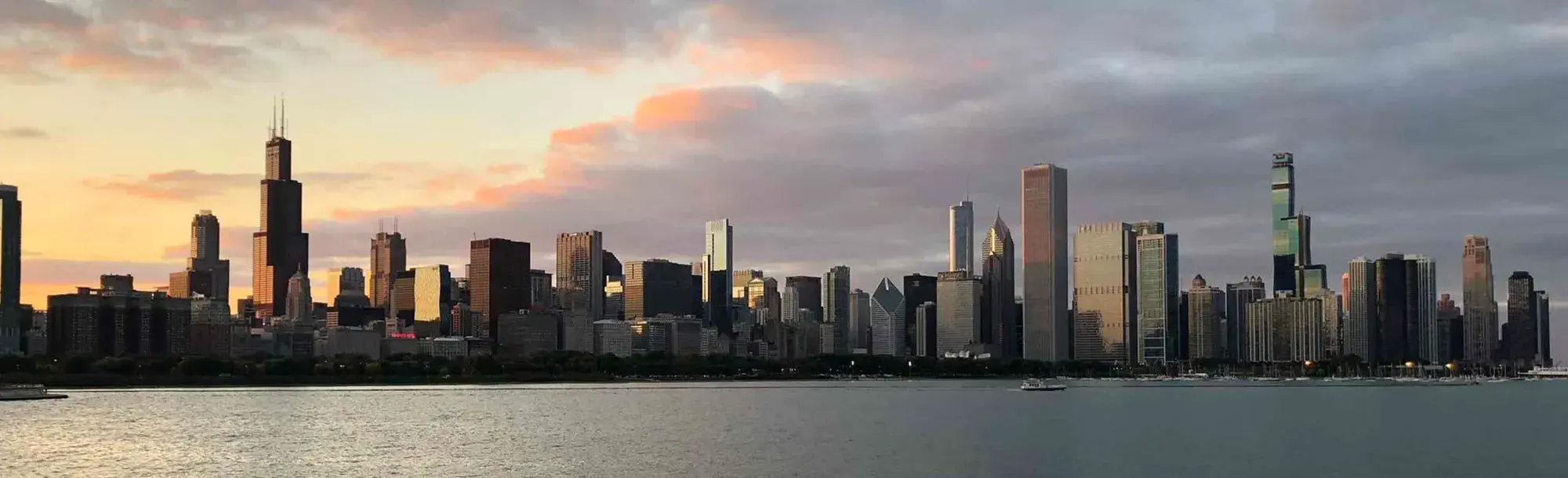
Chicago can boast of being a very child-friendly city with all there is for them to see and do.
35 results
City overviewChicago can boast of being a very child-friendly city with all there is for them to see and do.
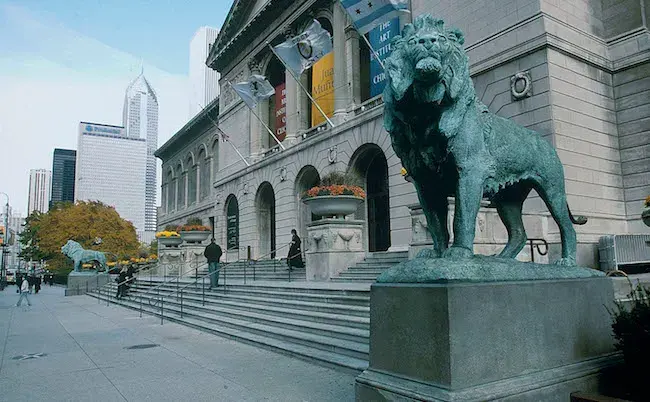
The Art Institute of Chicago started as the Chicago Academy of Design and was founded by a group of 35 artists in 1866. The academy was profitable, but struggled with financing. The current building, built in the Neoclassical style, was built as an art gallery for the Colombian Exhibition and completed in 1893. The museum and art school have continued to grow and expand ever since. In 2009, a new wing for modern art designed by Renzo Piano was completed, greatly expanding the available space.
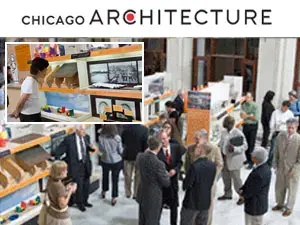
Chicago's architecture is unparalleled. As the grand avenues of Paris are exemplary of the nineteenth century, and the canals of Venice of the Renaissance, so do the skyscrapers and neoclassical monuments represent modernity. The Chicago Architecture Foundation works to advance knowledge and public interest in architecture and design.
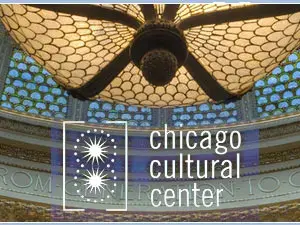
The Chicago Cultural Center was built between 1893 and 1897 as a public library. It is built in the Neoclassical style, with touches from the Italian Renaissance. When the new Harold Washington Library was built in 1991, it was converted into a cultural center. The Cultural Center is also renowned for its intricate and ornamental details, including white Carrara marble staircases, delicate mosaics, glass, stone, and mother of pearl adornments, and vaulted ceilings. There are two large domes on the third floor, including one made of Tiffany-stained glass.
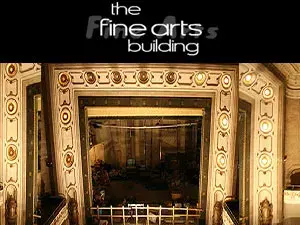
The Fine Arts Building, also known as the Studebaker Building, was built in 1885 for the Studebaker company by architect Solon S. Beman. It is a striking example of Romanesque architecture. Studebaker soon vacated the building, and it was renovated into a hub of fine arts. As the name would suggest, it is filled with offices, art galleries, lofts, recording studios, and shops, nearly all related to the world of art.

Until the completion of the new World Trade Center in New York City, the Sears Tower is the tallest building in the United States, standing 442m (527m to the spire). It was built between 1969 and 1973 as headquarters for the Sears corporation, formerly the largest retailer in the world.
The Adler Planetarium was built in 1930 by philanthropist Max Adler and is part of Chicago's Museum Campus. It was the first modern planetarium in the western hemisphere. Though it has since become a little dated, there is still a lot to see here.

One of the world’s largest fountains, the Buckingham Fountain is located in the middle of Grant Park. It was a gift to the city from Kate Sturges Buckingham, in memory of her brother Clarence Buckingham. The Beaux-Arts-style design, finely wrought bronze sculpture and innovative use of technology make this one of America’s finest fountains. The fountain runs during warm-weather months with a light and water display from 9:00pm to 10:00pm.

Chicago's Field Museum of Natural History was founded in 1893 during the Colombian Exhibition. It was moved to its current location in 1921 and is named for Marshall Field, the museum's first benefactor and retail giant Marshall Field. The magnificent Classical Revival building is located along Lakeshore Drive in Chicago's Museum Campus, along with the Shedd Aquarium and the Adler Planetarium.
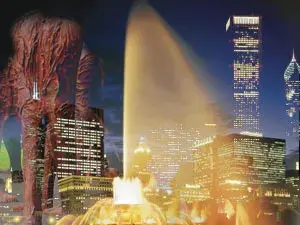
Located between the Loop and Lake Michigan, Grant Park is known as Chicago's front yard. It covers 319 acres. The park was built after the 1871 Great Chicago Fire on landfill and the 1893 Columbian Exhibition was held here. It is named for former president/Civil War general and Chicago-area native Ulysses S. Grant. The recently completed Millennium Park is at the northwest corner of the park, and acts as a gateway.
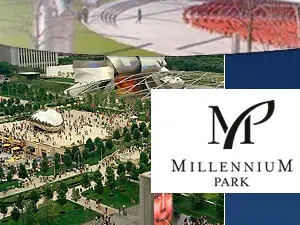
Millennium Park is one of Chicago's newest attractions. The 24.5 acre park was built between 1997 and 2004 over what had been a rail yard. Today it receives more than 4,000,000 guests annually and is a treasured part of Chicago. Many consider it the most important municipal project since the Colombian Exhibition ended in 1893.

Founded in 1967, Chicago's Museum of Contemporary Art features a large collection of modern art from World War II to the present. The current modernist building, designed by German architect Josef Paul Kleihues, opened in 1996 and in terms of square footage was the largest museum of modern art in the world. The highlight of the building is the main staircase, which leads to the beautiful atrium overlooking Lake Michigan.

The Shedd Aquarium is one of the world's largest, with more than 32,000 fish from 1,500 different species. It is the most visited attraction in Chicago with more than 2,000,000 guests annually. The aquarium was built between 1927 and 1930, and was one of the world's first inland aquariums. Seawater had to be brought in by train via railroad from Key West, Florida. Along with the Adler Planetarium and the Field Museum of Natural History, the Shedd Aquarium is part of the Museum Campus Chicago. The aquarium is named for its founder John G. Shedd, president of retailer Marshall Fields.
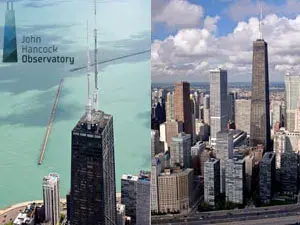
The John Hancock Center is the third tallest building in Chicago at 344m. It is one of the signature elements of Chicago's skyline, with its tapered design, twin spires, and criss-crossing trusses. The Hancock Center was designed by architect Bruce Graham of the famous Skidmore, Owings, and Merrill architecture firm. It was built between 1965 and 1970 and houses offices, condominiums, and shops.
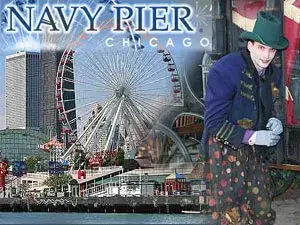
Navy Pier is Chicago's most visited attraction, attracting more than 8,000,000 visitors per year. It was built between 1914 and 1916 and at the time was the largest pier in the world, at more than 1,000m long. Initially, the pier was to serve as both a port and as a public gathering place, but as cars proliferated the Great Lakes shipping industry declined. Its popularity fell during the 1960s and 1980s, but has seen a resurgence in recent decades.
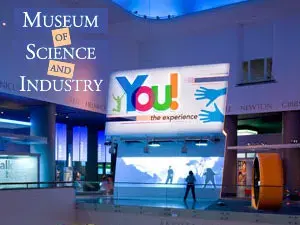
Chicago's Museum of Science and Industry is housed in the Palace of FIne Arts, built for the Columbian Exhibition. In the 1920s, after the Field Museum moved out, it was decided to convert the magnificent Neoclassical building into a museum dedicated to science and industry. The museum was bankrolled by Julius Rosenwald of retailer Sears Roebuck. It has evolved into one of the world's premier science museums and is the third most popular cultural attraction in Chicago by attendance.
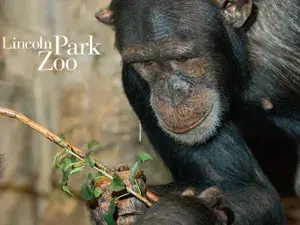
The Lincoln Park Zoo was founded in 1868 and is one of the oldest zoos in America. Its beginnings were humble enough, with a donation of swans from New York's Central Park. The animal collection has expanded slowly over time. The Lion House was built in 1912 and the Monkey House in 1927. Today the zoo is home to around 1,250 animals.
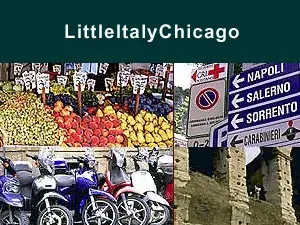
Like most major cities, Chicago experienced a large influx of Italian immigrants in the late 19th and early 20th centuries. The Italian immigrant population went from 1,357 in 1880 to a peak of 74,000 in 1930. They proliferated throughout the metro area, but the focus was around Grant Street on the Near West Side. By the 1930s, the neighborhood was home to a host of Italian restaurants, grocery stores, and bakeries.
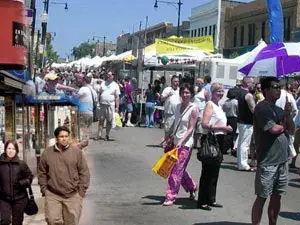
This neighborhood displays the diversity of a mixture of people of Middle Eastern/Swedish origins. You can find hummus here as well as lingonberry pancakes!
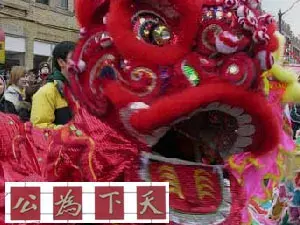
Chicago's Chinatown is the largest in America's Midwest and second largest in the US, home to about 10,000 people. The city's Chinese population has been concentrated here since before World War I. Located in the Near South Side, Chinatown is roughly triangular, bordered by the Red Line of the L, Interstate 55, and the Chicago River.
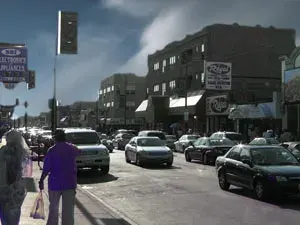
Indian and Pakistani culture is represented through several clothing and jewelry shops, as well as restaurants. An excellent Independence Day parade is held here every year in mid-August with an attendance of over 35 thousand people.
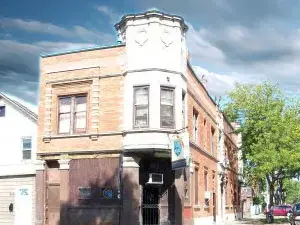
Mexican restaurants as well as Pilsen's famous murals can be found here. There is also the National Museum of Mexican Art for those who seek a deeper understanding of Mexican culture.

Jackson Park was designed by legendary landscape architect Frederick Law Olmsted in 1871. It was the main site for the 1893 Columbian Exhibition, but little evidence remains as all the buildings have been demolished since. Jackson Park was originally supposed to be part of a grand South Park, encompassing both it and Washington Park, connected by a canal running through the Midway Plaisance.
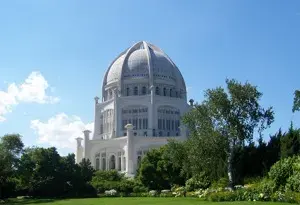
Technically located just north of Evanston in Wilmette, the Bahai House of Worship is the oldest Bahai house of worship in the world, and the only one in North America. The land was purchased in 1908 with Bahai contributions from around the world. The cornerstone was laid by Abdul-Baha himself in 1912, but construction did not begin until the 1920s. It was a protracted process, as contributions were slow coming, and only contributions from Bahais were accepted. The superstructure was completed in 1931, but it did not open for worship until 1953. It was designed by famous French-Canadian architect Louis Bourgeois.