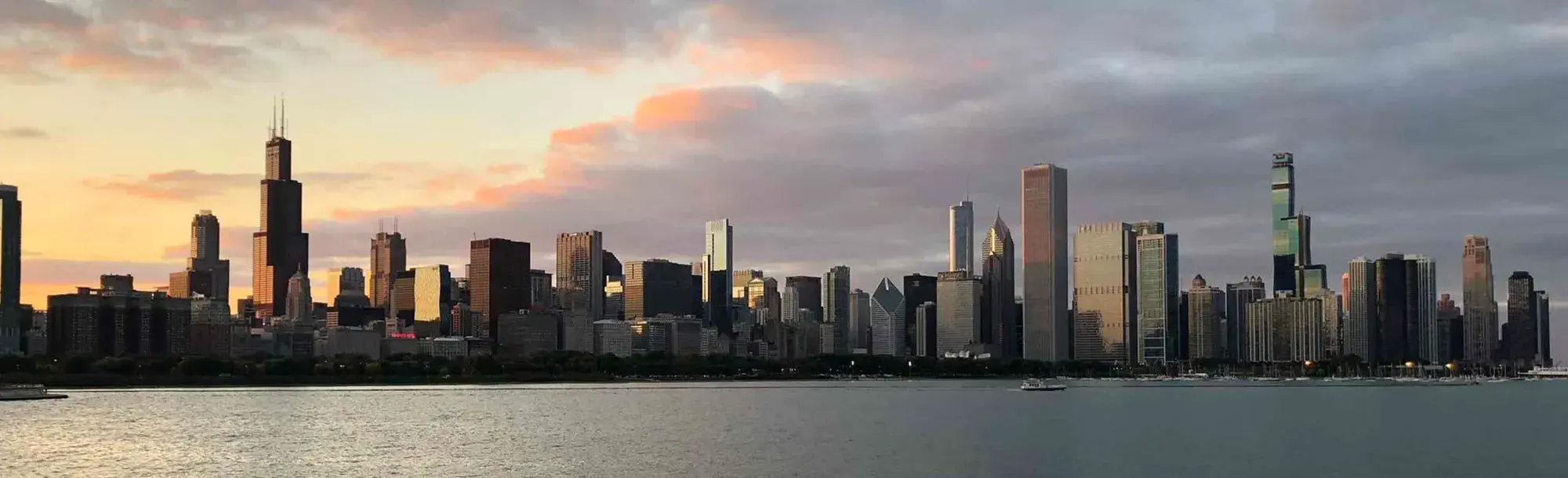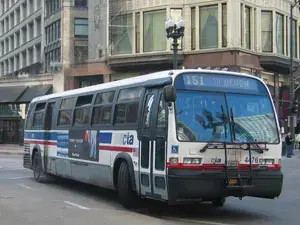
Chicago's bus system is extensive. Just about every major major street is on a bus route. Bus stops are denoted by blue and white signs, which show the route they're located on. Buses generally run every five to fifteen minutes during the day along busy routes.
To rent a car in Chicago you must have a valid driver's license or an International Driving Permit. Policies, insurance information, and minimum age requirements vary with each rental company. Be sure to check beforehand.
Chicago has America's second best public transit system, so driving is not necessary. If you must drive, the biggest obstacle is traffic. Chicago's main roads are consistently backed up during the day, especially during rush hours. Parking can also be a challenge, especially in the Loop. Many attractions have their own parking lots, but paying for a space can add up.
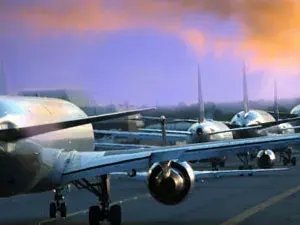
Chicago has two major airports: O'Hare and Midway. O'Hare International Airport is located inland, and is one of the world's busiest. Midway serves domestic flights and is located 13km southwest of the Loop.
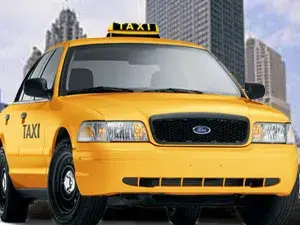
Though taxis in Chicago are among the cheapest in the United States, they are still an expensive way to get around, and should only be utilized late at night, or if no other options are available.
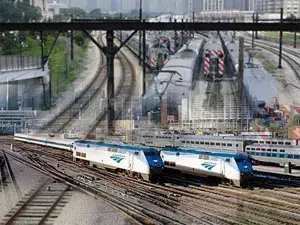
Chicago's train system is called the "El" (or L), as most of the tracks are above ground and elevated. It's run by the Chicago Transit Authority (CTA). Most of Chicago's major tourist attractions are located within walking distance of a stop, and it is definitely the most convenient way of getting around the city. There are 144 stops along 8 lines, with 360km of tracks. The Loop is the most serviced part of the city, as seven of the eight lines pass through.