
1
place in Bur Dubai
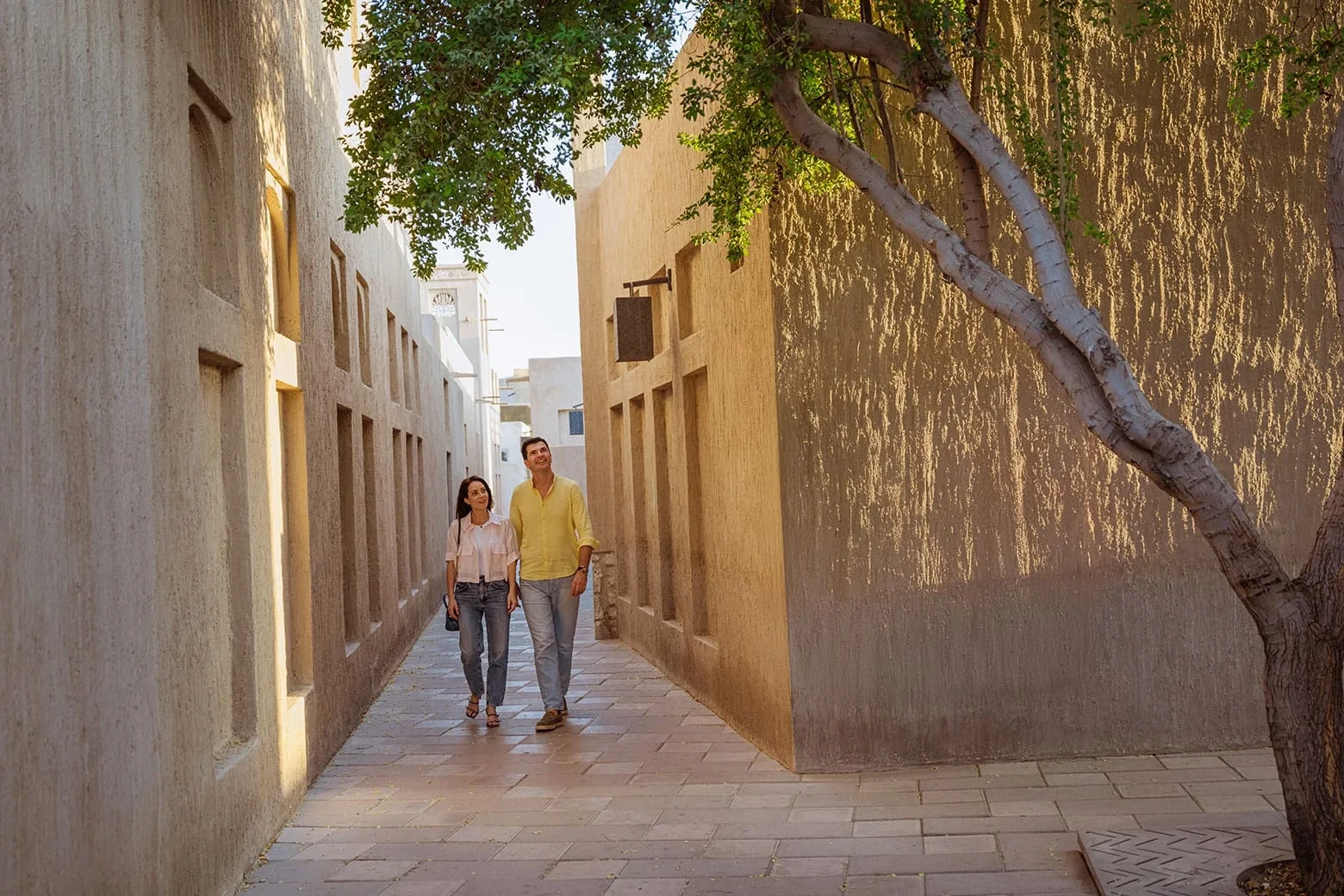
Al Fahidi Historical Neighbourhood
Dubai’s most important heritage quarter for travelers who want the old creek-side city, not just the skyline. Best paired with Al Seef, the abra crossing and the museums of Bur Dubai.
A slower creek-focused route for travelers who care more about Al Fahidi, Shindagha, abra crossings, souks, Emirati food and cultural context than tower-hopping.
Choose this route when old Dubai is the point of the trip rather than a half-day add-on. It keeps the creek districts readable, gives museums enough time, and uses food and prayer-friendly pacing to avoid turning heritage into a rushed photo walk.
Route stops
Open the key stops, check the details, and save what fits your trip.
place in Bur Dubai
place in Bur Dubai / Al Fahidi
restaurant in Al Fahidi
place in Dubai Creek / Bur Dubai and Deira
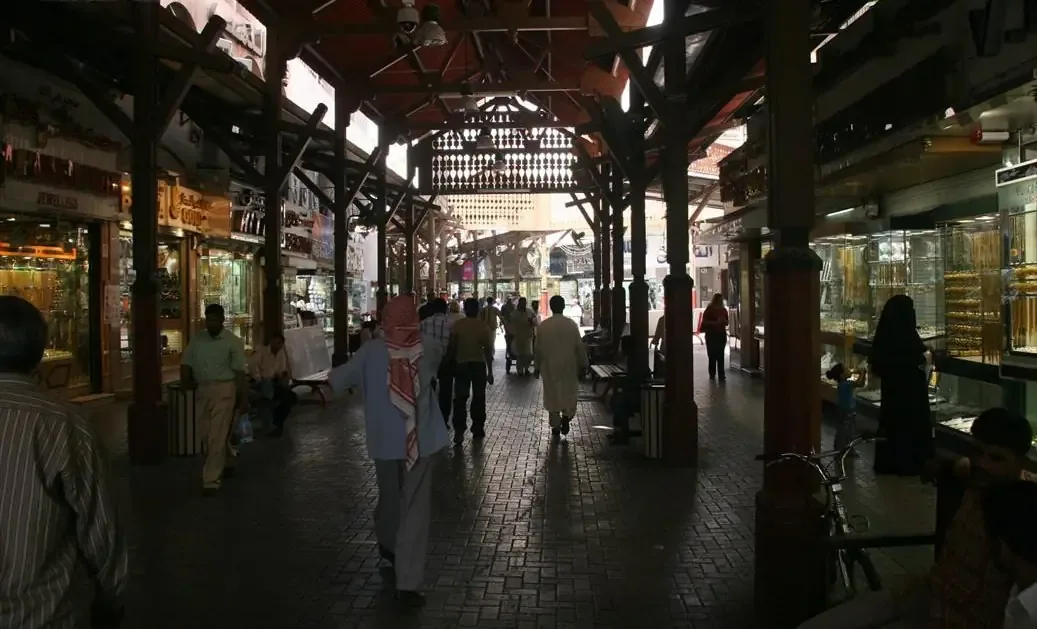
place in Deira
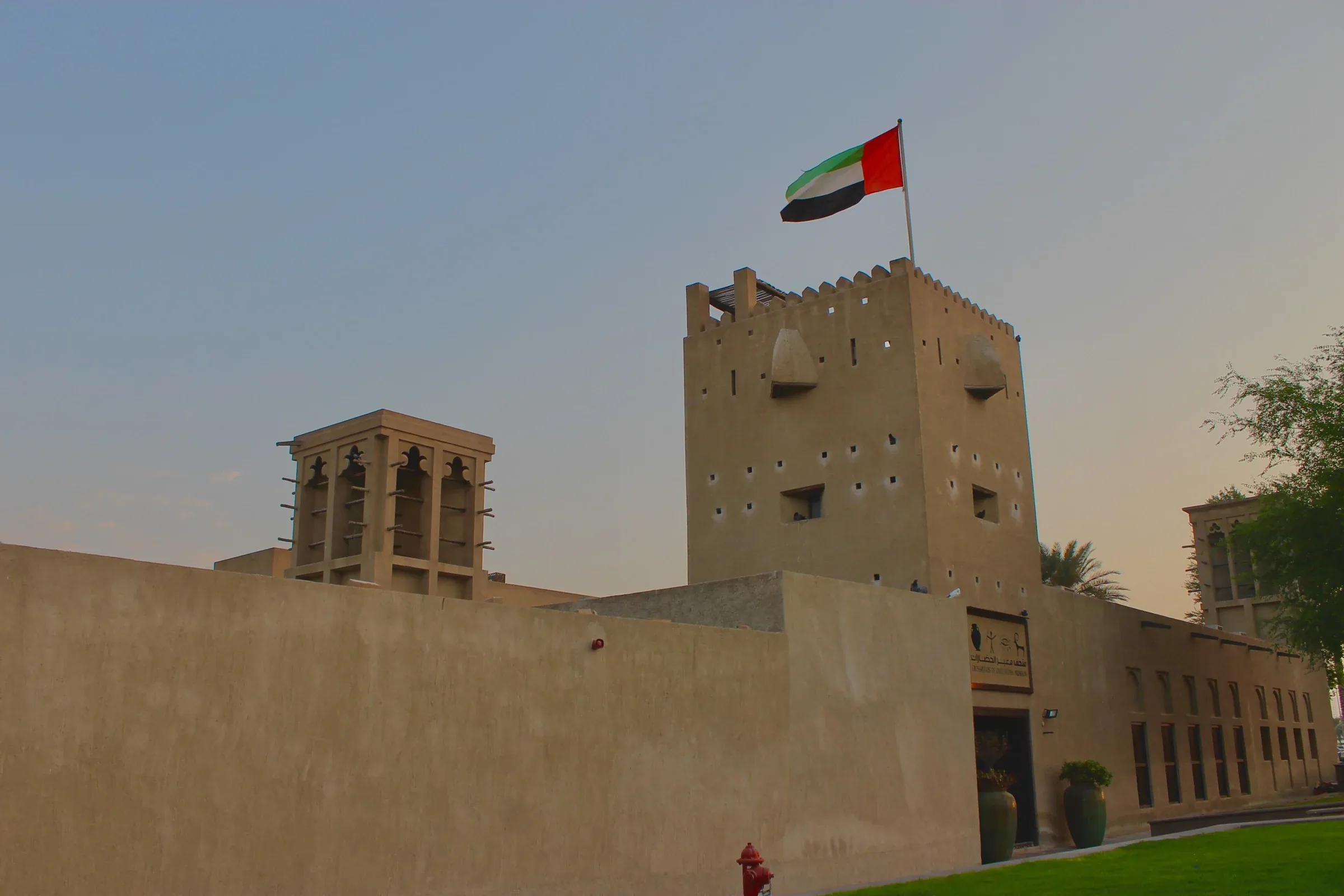
place in Al Shindagha, Bur Dubai
Plan the trip
Best bases: Al Seef, Bur Dubai, Deira, Downtown or a hotel with easy taxi access to the creek.
Walking, abras, short taxis and occasional metro work better than a full private-car day.
Breakfast: Al Fahidi and Al Seef cafes make breakfast part of the route. Lunch: Use Emirati/Arab restaurants near the creek to keep the day grounded. Dinner: Al Seef, Deira or hotel-area dinner depending on energy.
Day 1
Begin with the old residential lanes, fort context and a creek crossing. The day works because every stop explains the trading-city story from a different angle.
Route note: This is the core heritage loop; keep it compact and do not add a tower ticket.
Start mid-morning in Al Fahidi.
Walk within Al Fahidi, use an abra across the creek, taxi back if tired.
Arabian Tea House or an Al Fahidi cafe.
Al Khayma Heritage Restaurant before or after the crossing.
Al Seef or Deira if you want to stay near the water.
Gentle-to-moderate with shade and sitting breaks.
place in Bur Dubai
Dubai’s most important heritage quarter for travelers who want the old creek-side city, not just the skyline. Best paired with Al Seef, the abra crossing and the museums of Bur Dubai.
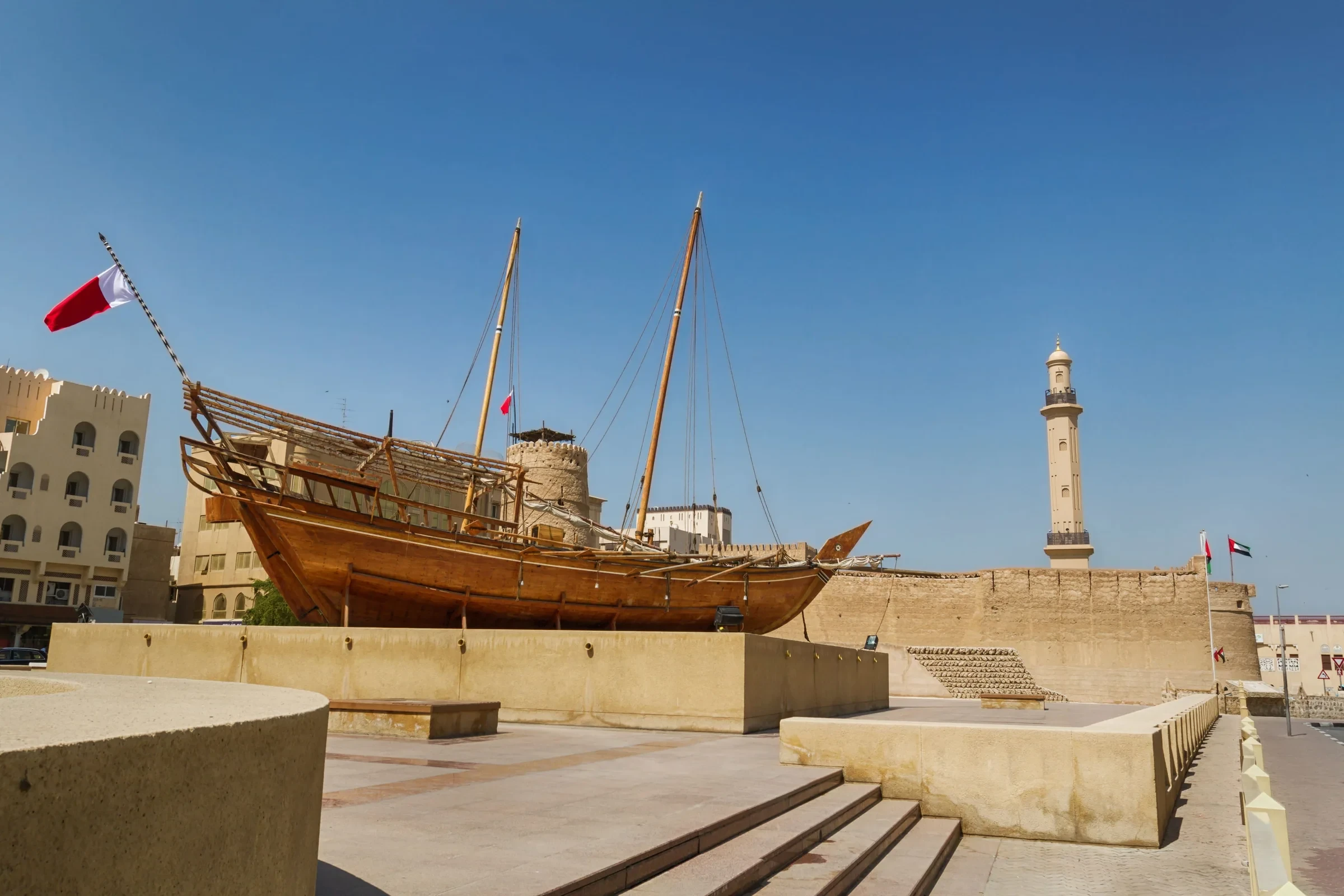
place in Bur Dubai / Al Fahidi
Dubai’s oldest surviving building is the city’s clearest heritage anchor, and it matters even more now because the museum interior is closed for renovations. For a Muslim traveler, this is the best single stop for understanding pre-oil Dubai, then pairing that history with the nearby creek, souks, and old-quarter walking route.
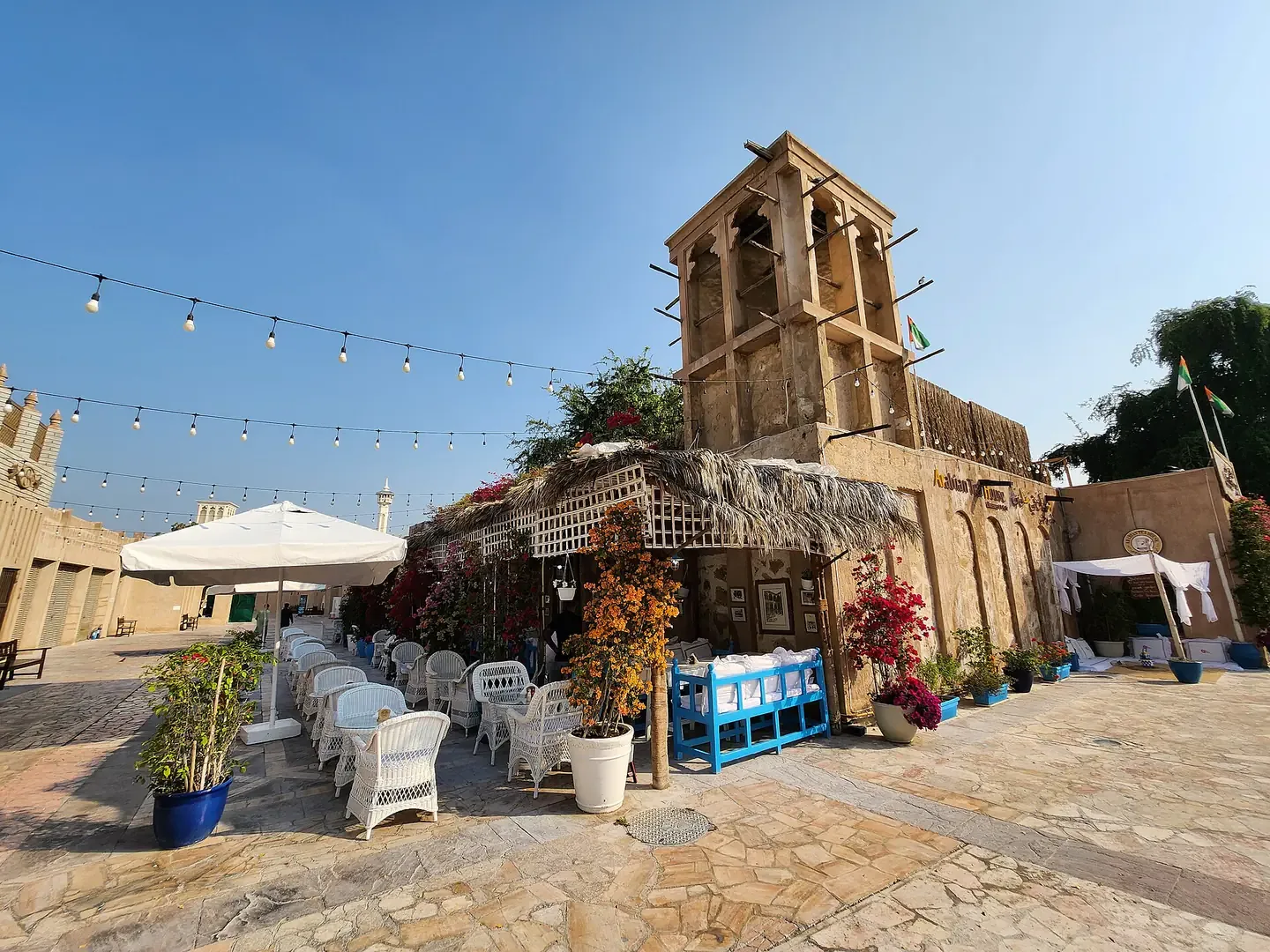
restaurant in Al Fahidi
A highly practical heritage café for a light meal, Arabic coffee, and an Old Dubai pause between museums, wind-tower lanes, and creek-side walks.
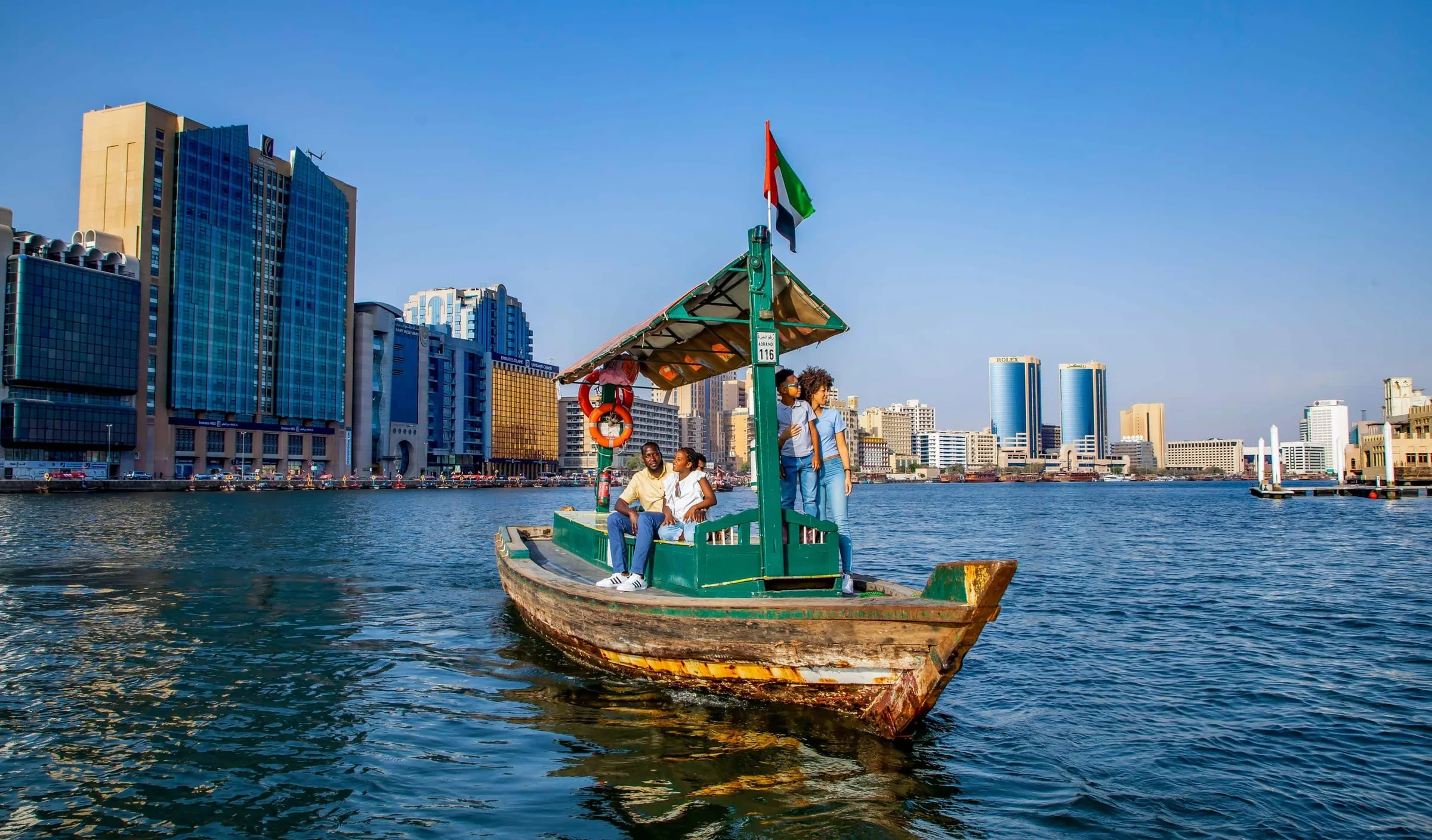
place in Dubai Creek / Bur Dubai and Deira
The abra crossing is Dubai at its most practical and memorable: cheap, local, and essential for Old Dubai movement. For Muslim travelers, it is one of the best-value experiences in the city because it links Bur Dubai and Deira in a way that keeps the creek heritage alive while making the souks and prayer stops easier to combine.
Day 2
Shindagha adds national and maritime context, while Jumeirah Mosque brings the cultural conversation into the present visitor experience.
Route note: Check Jumeirah Mosque visit times and dress guidance before locking the day.
Start with Shindagha, then move toward Jumeirah or Al Seef depending on the mosque visit timing.
Taxi between Shindagha and Jumeirah; walk Al Seef in the evening.
Hotel breakfast or Al Seef cafe.
Emirati/Arab restaurant near the creek before the Jumeirah transfer.
Al Fanar Al Seef or another alcohol-free family-friendly creek option.
Moderate. The mosque visit may be schedule-led, so keep the rest flexible.
place in Al Shindagha, Bur Dubai
Dubai’s strongest heritage anchor for understanding the creek, merchant history, and the city’s social memory.
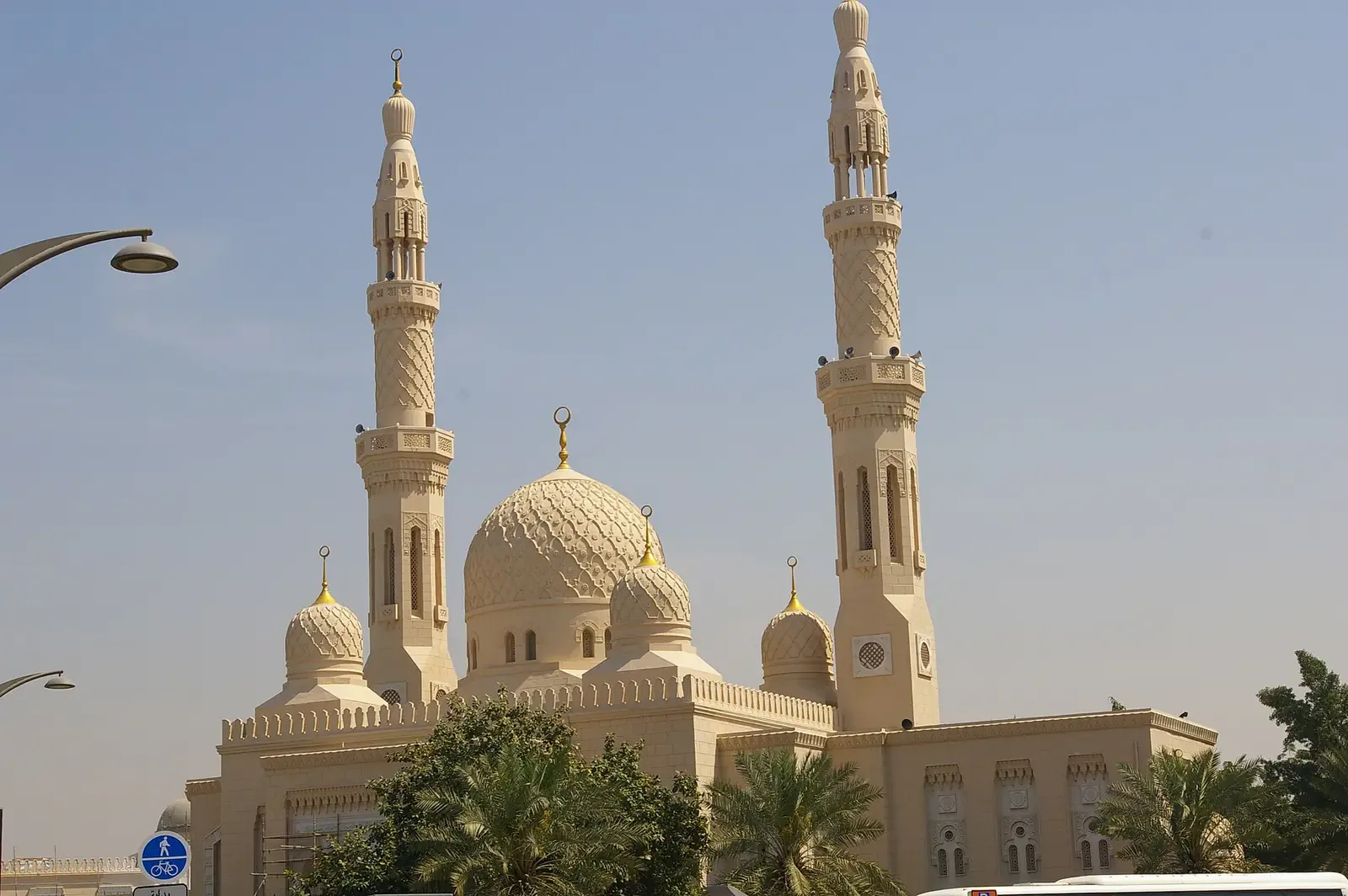
place in Jumeirah 1
Dubai’s most welcoming mosque visit, and one of the strongest first stops for Muslim and non-Muslim travelers who want cultural context without sacrificing dignity or ease.
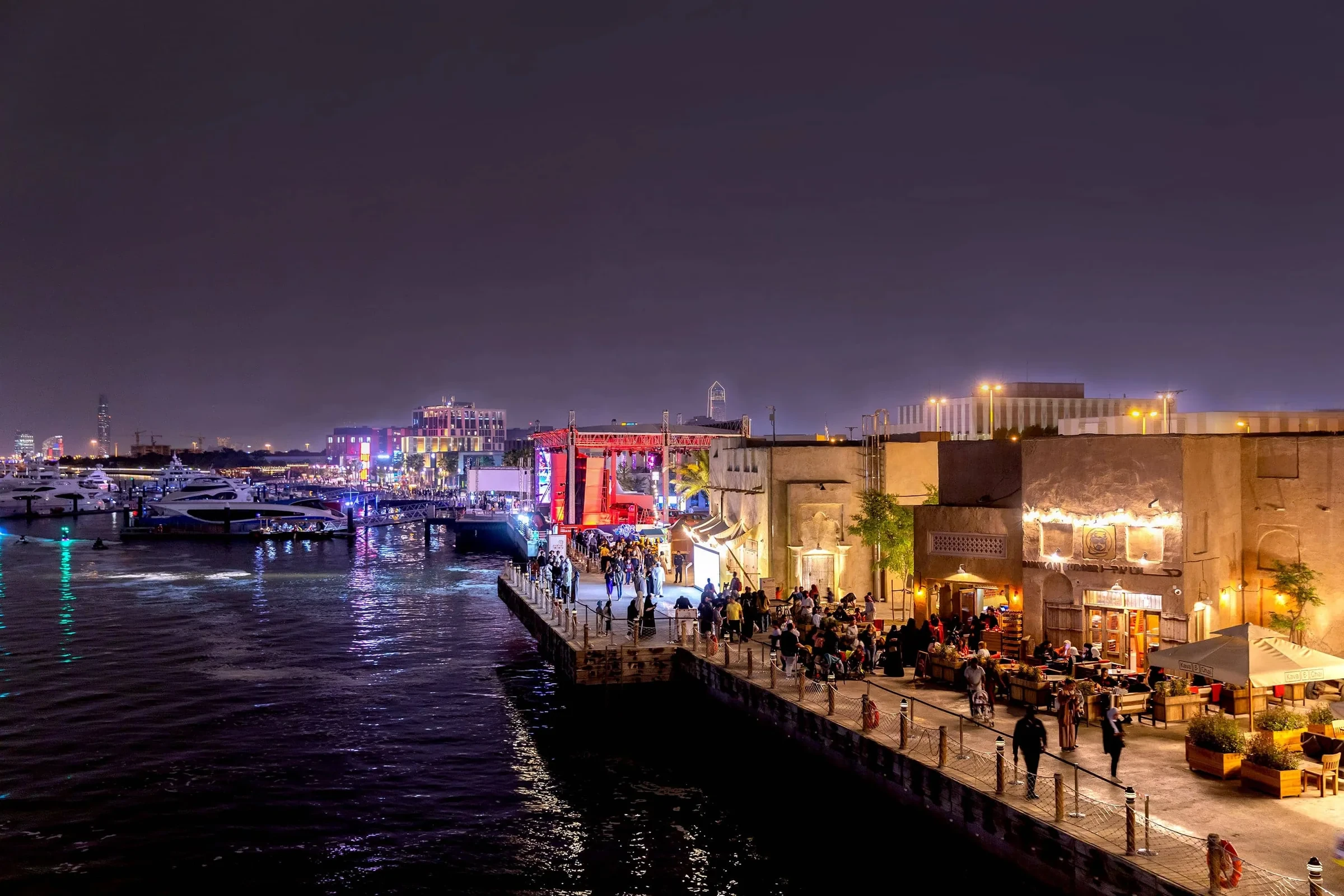
place in Dubai Creek / Bur Dubai
A waterfront heritage district on Dubai Creek with walkable lanes, dining, shopping, and easy access to Old Dubai.
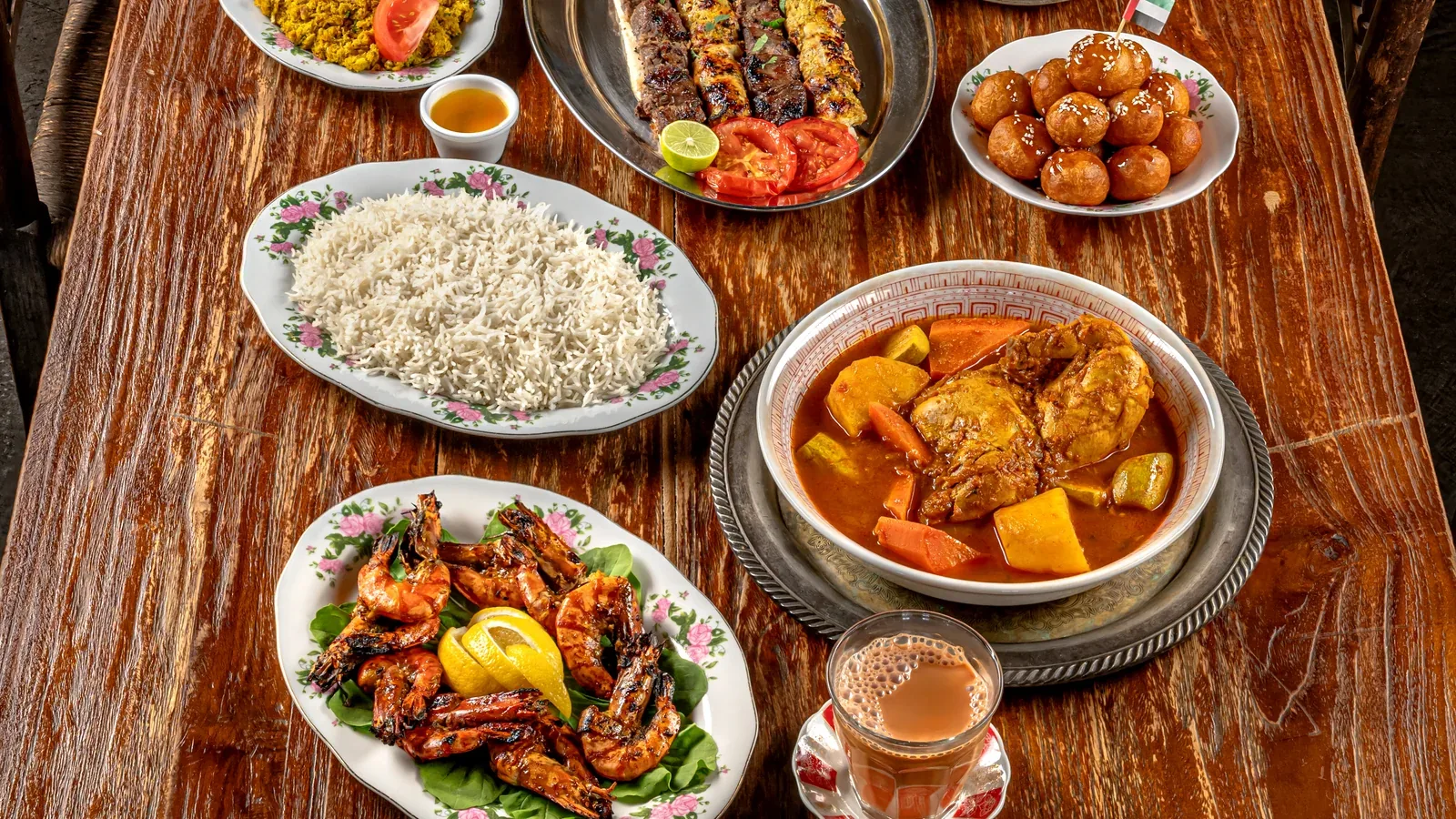
restaurant in Al Seef, Dubai Creek
A polished Emirati dining stop on Dubai Creek for travelers who want heritage atmosphere, family comfort, and a reliable first taste of local cuisine.
Day 3
The third day widens the cultural lens beyond the creek: the library, Quranic Park and Ras Al Khor show a quieter, less mall-led Dubai.
Route note: This day is intentionally quieter; it gives culture-focused travelers a reason to stay longer than the standard creek loop.
Start with an indoor learning stop, then move outdoors late afternoon if weather allows.
Taxi is simplest between these spread-out stops.
Hotel breakfast.
Near the library or back toward the hotel, depending on timing.
Return to Al Fahidi/Creek for a final heritage dinner if staying nearby.
Light-to-moderate. Make the outdoor pieces weather-dependent and avoid midday heat.
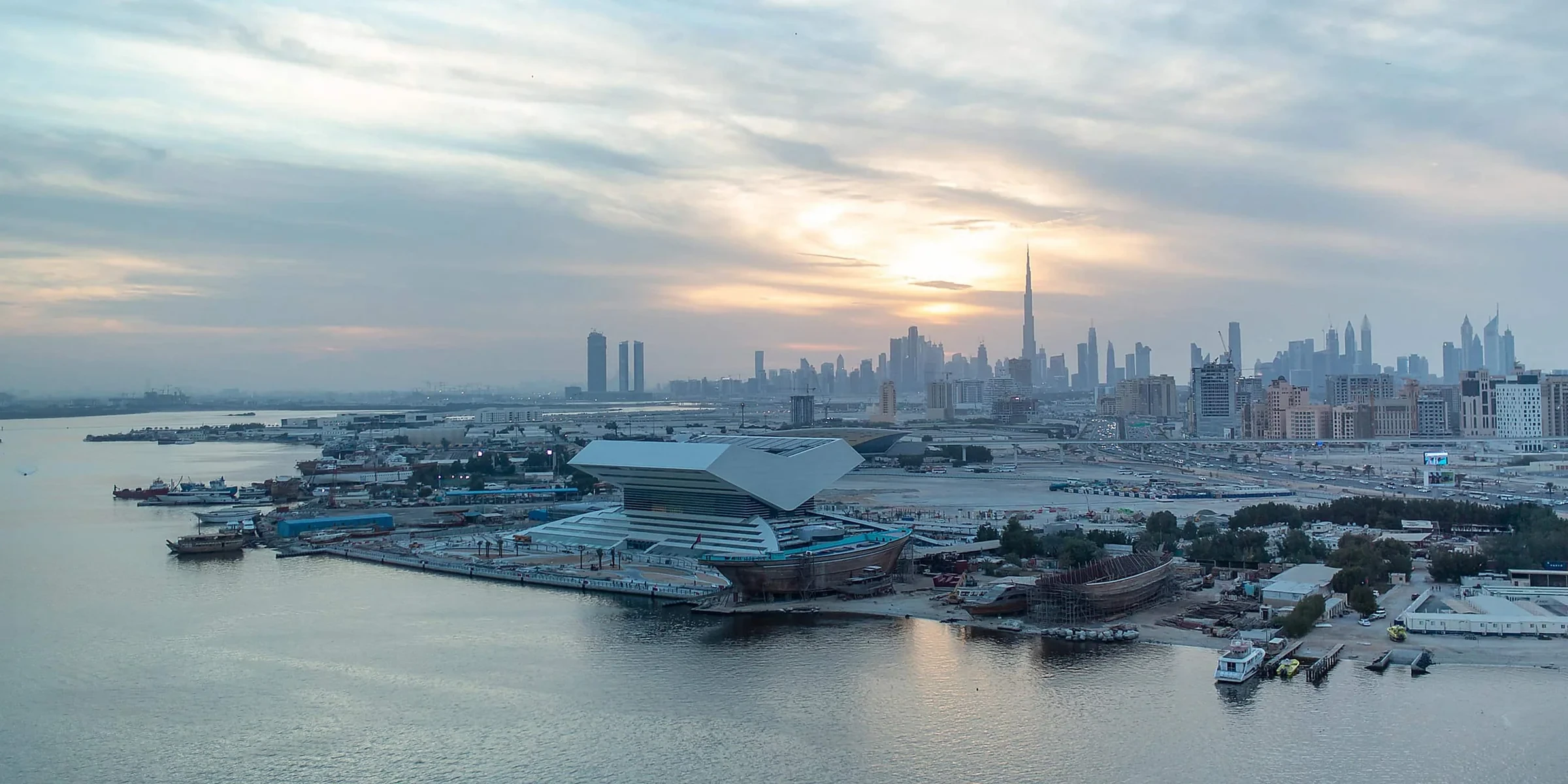
place in Al Jaddaf
Dubai’s flagship public library is one of the city’s best indoor culture stops, especially for travellers who want architecture, quiet time, and an easy Creek-side pairing.
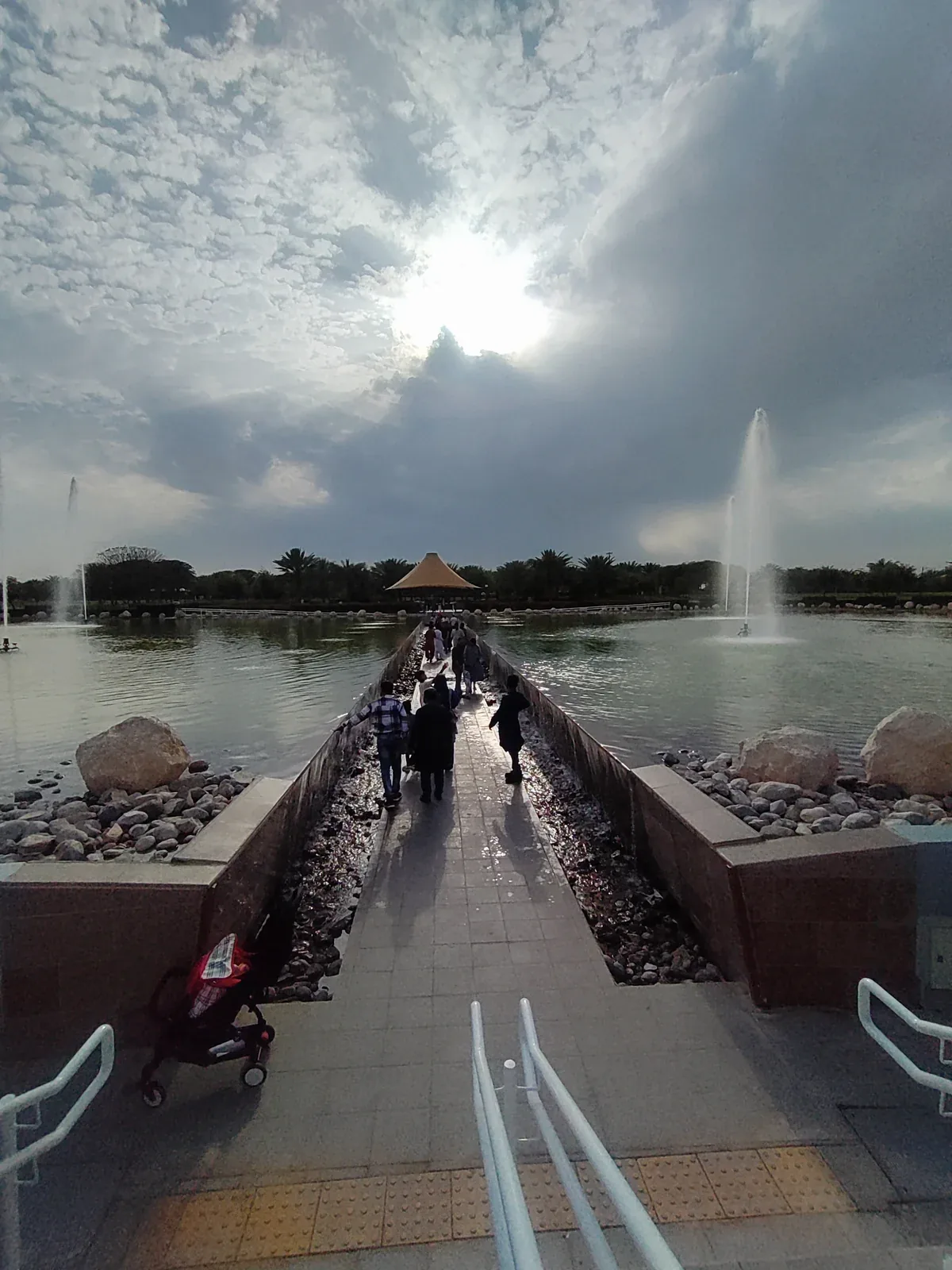
place in Al Khawaneej
Dubai’s most useful Islamic-themed family park, with low-cost learning, gardens, and two paid indoor experiences.
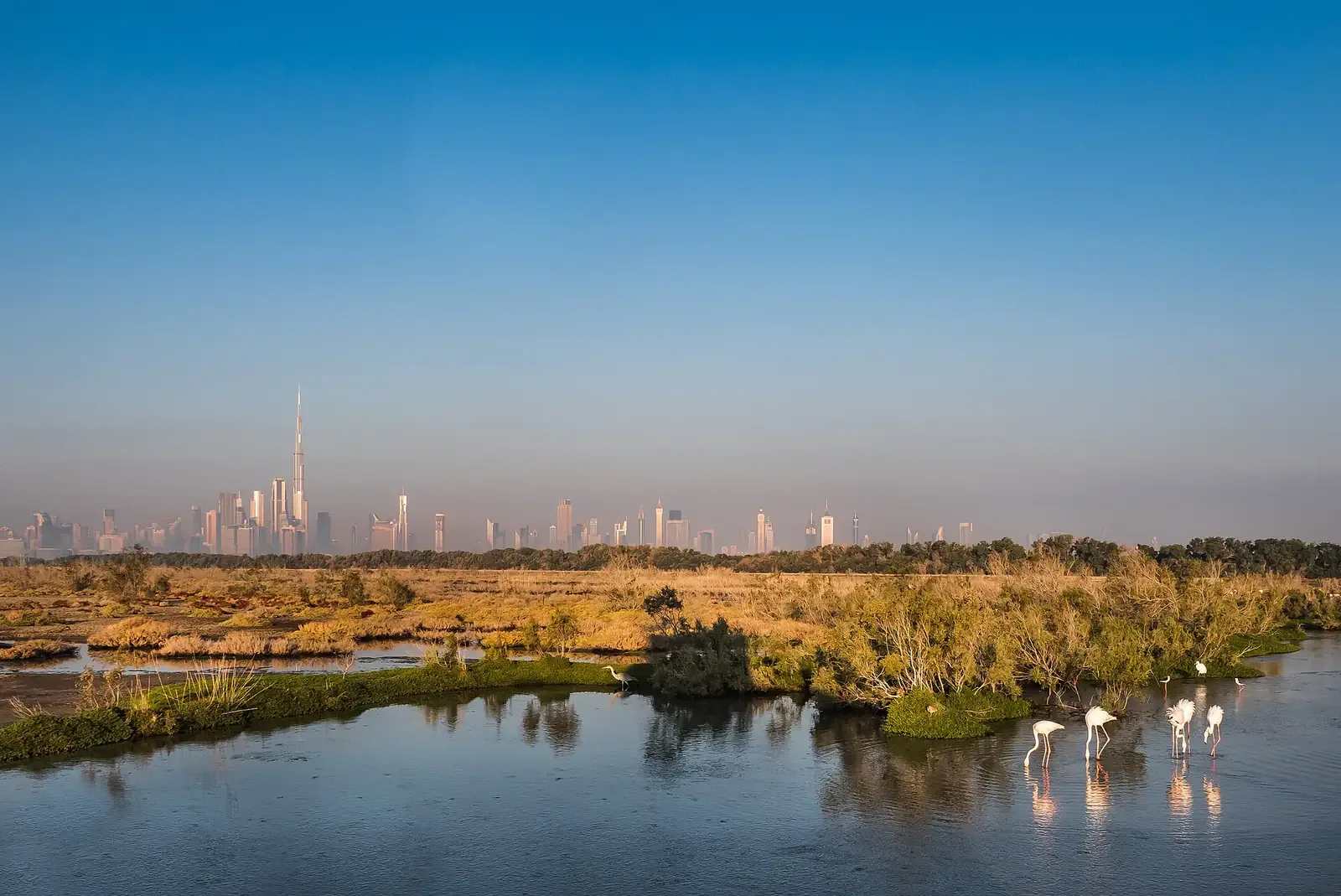
place in Ras Al Khor
Dubai’s best easy wildlife break, with flamingos and wetland birdlife close to the city centre.
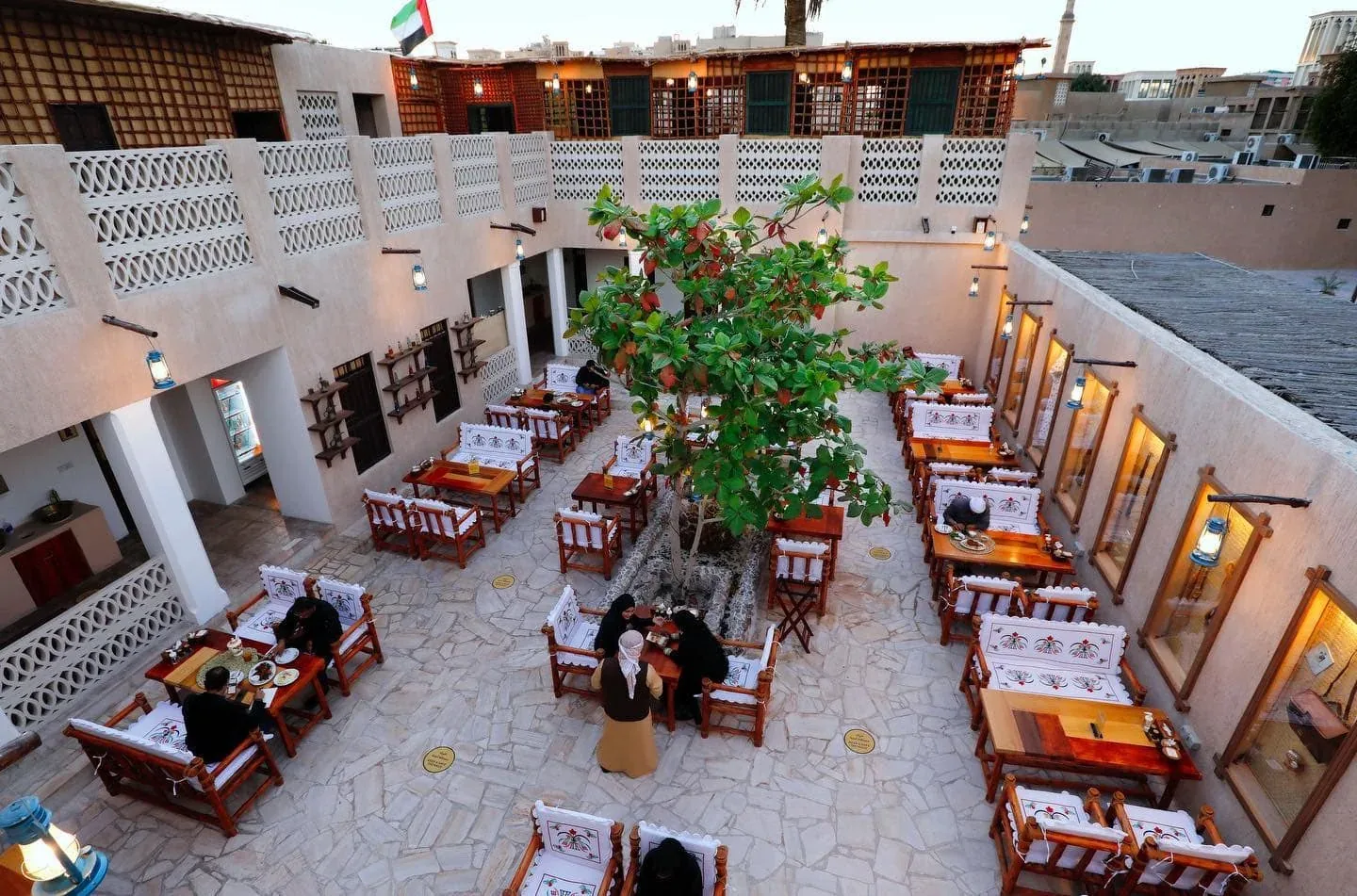
restaurant in Al Fahidi Historical Neighbourhood
A polished Emirati heritage stop in Old Dubai that pairs a proper meal with a sense of place, making it especially useful for first-time Muslim travelers who want local food, a heritage setting, and an easy pairing with Al Fahidi and Al Seef.
Dubai
Pick another route if your timing, pace, or travel style changes.
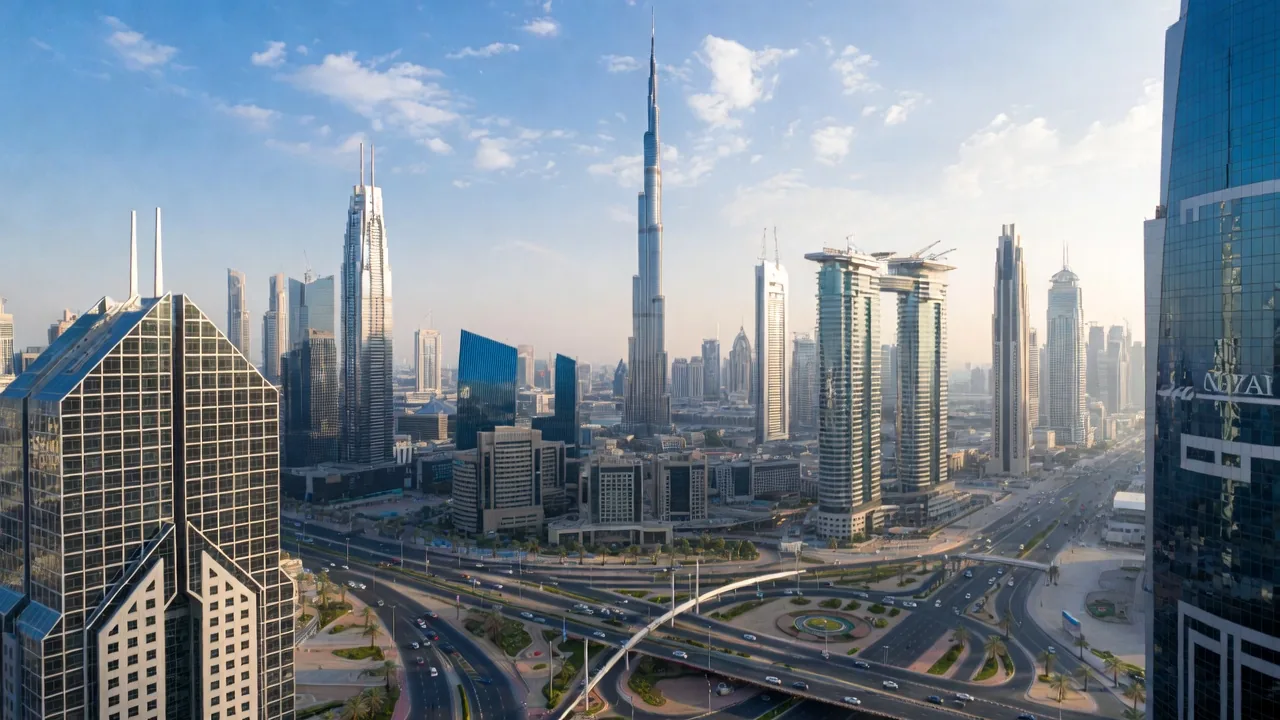
A short Dubai route for travelers who need the skyline, creek and one cultural layer in two days without pretending a stopover can cover the whole city.
A coast-led Dubai route for travelers who want beach time, Jumeirah culture, Palm resort stops, Marina evenings and enough dining structure to avoid long late transfers.
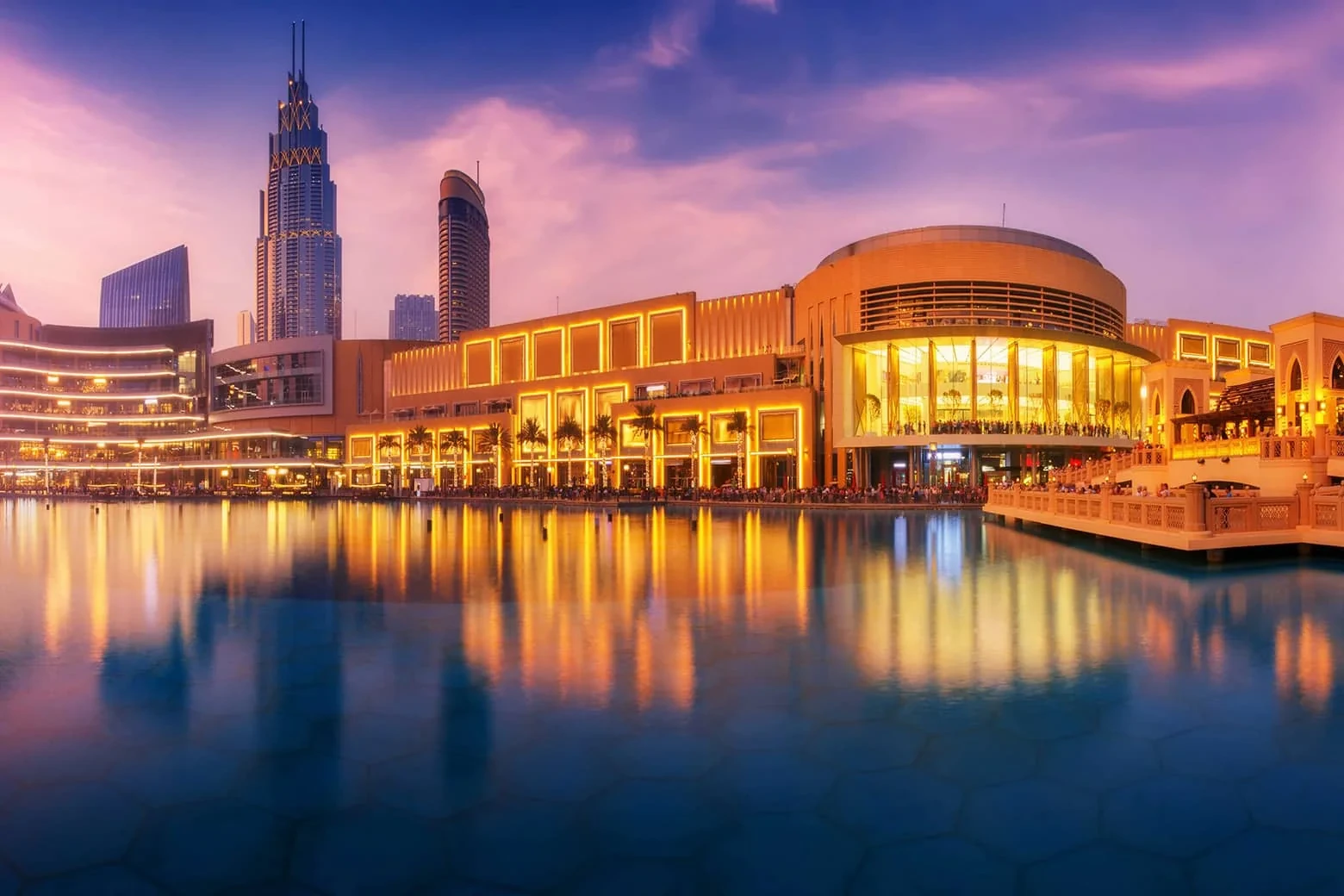
A shopping-heavy Dubai weekend that balances Dubai Mall, Mall of the Emirates, outlet-style browsing, souks and waterfront evenings instead of repeating the same mall experience.
Dubai
Strong city-guide picks if you want to extend this route.
place in Downtown Dubai
Dubai’s signature skyline landmark and the city’s strongest first stop for a high-level orientation. It pairs naturally with Dubai Fountain, Dubai Mall and Downtown Dubai for a compact, family-friendly half-day.
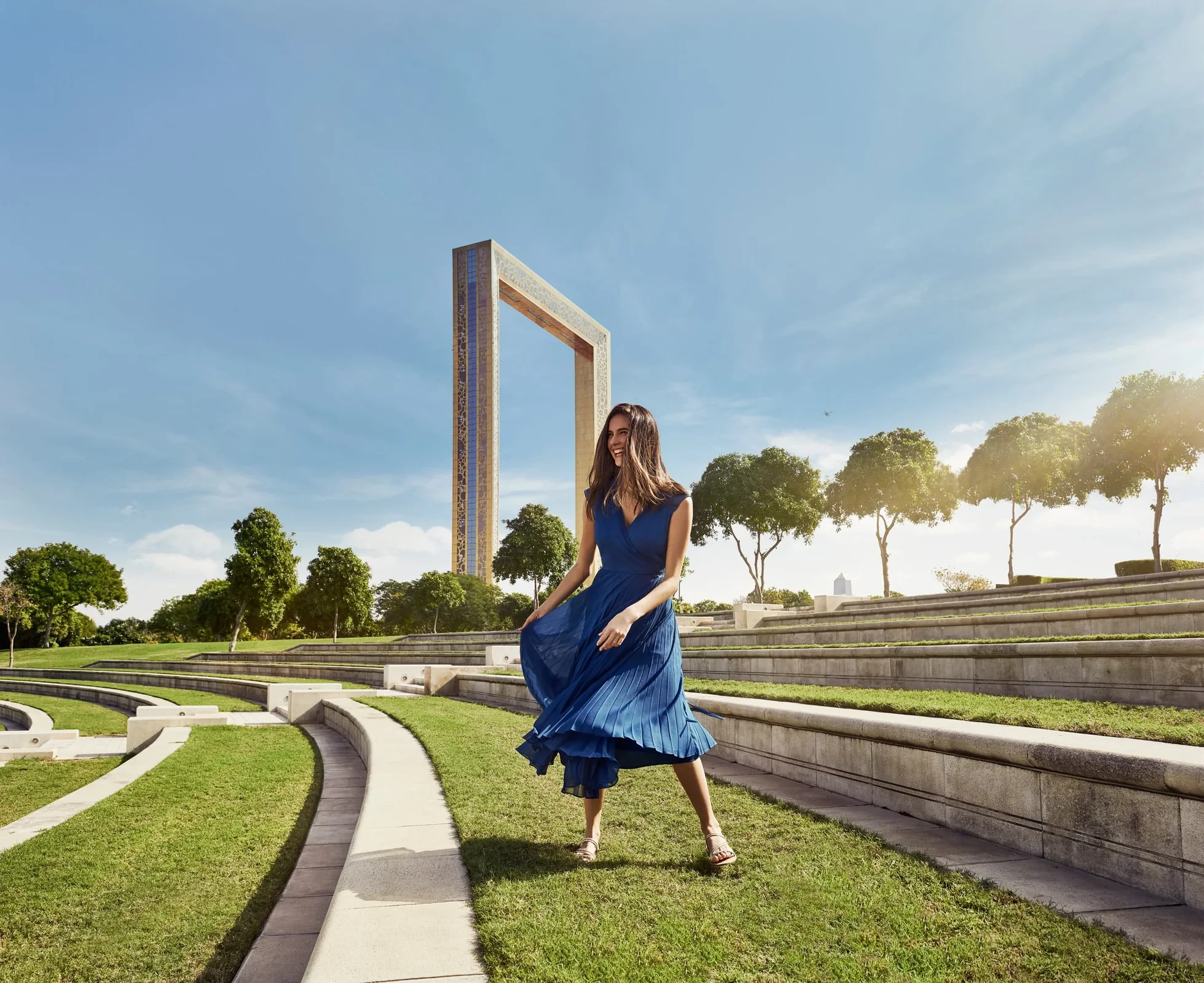
place in Zabeel Park
A landmark that tells Dubai’s story from creekside roots to skyline spectacle, with a glass bridge and one of the clearest panoramas in the city.
place in Jumeirah 3 / Umm Suqeim
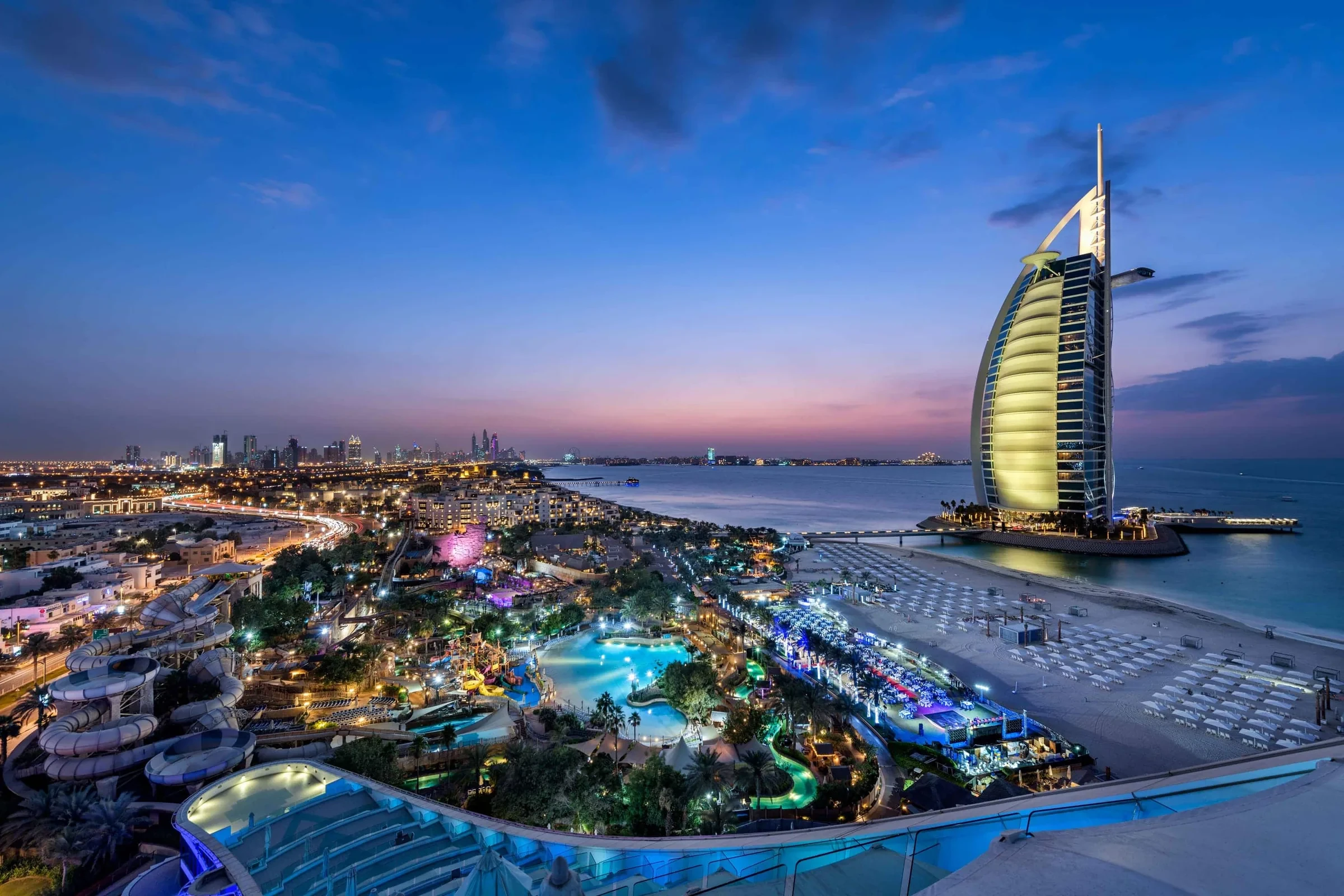
Dubai’s sail-shaped icon is still one of the city’s defining luxury landmarks, but it is currently closed for restoration until October 2027. For Muslim travelers, the value is as much in the skyline experience and nearby coastal pairing as in the building itself: this is a place to understand Dubai’s modern luxury identity, then combine it with Jumeirah and Umm Suqeim beach time.
place in Dubai Marina
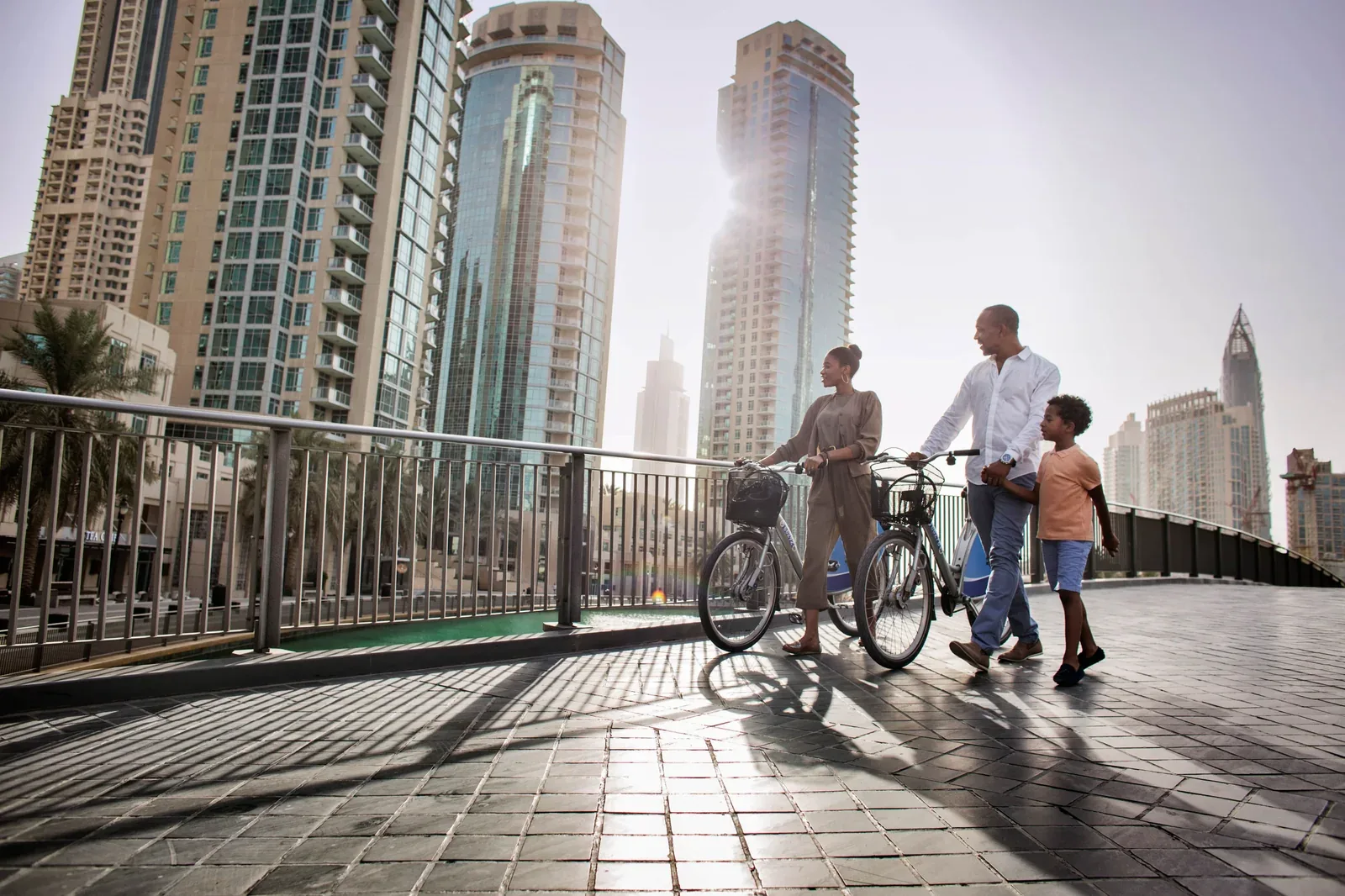
A seven-kilometre waterfront promenade that works as an easy, high-impact Dubai day or evening plan for visitors who want skyline views, casual dining, and a stroll-friendly setting.
place in Jebel Ali
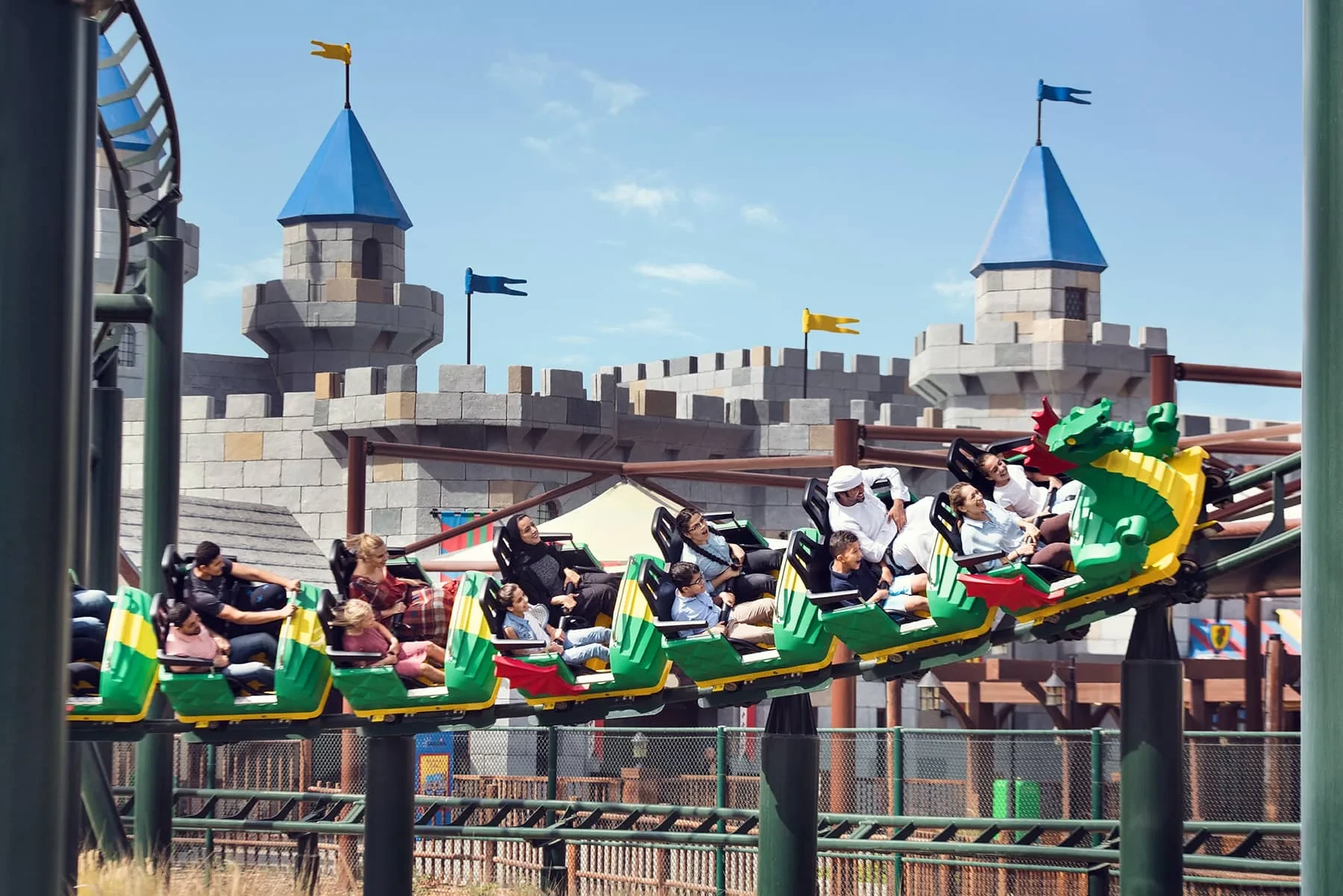
Dubai’s largest theme-park district in one ticketed cluster, best for families who want a full day or two of indoor-outdoor entertainment with easy parking, shuttle logic, and a strong concentration of food options.
restaurant in Jumeirah Fishing Harbour 1, Jumeirah 1
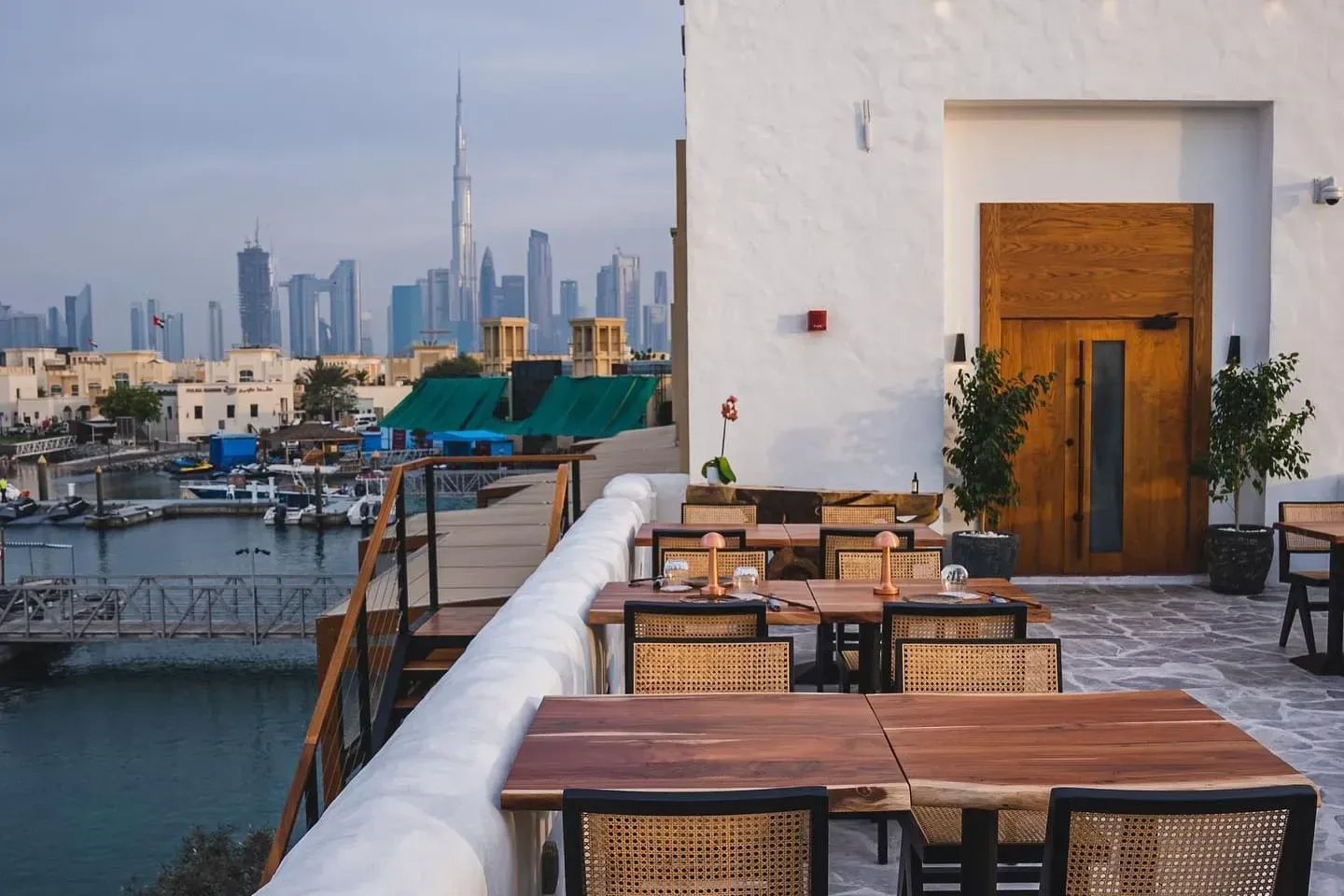
A harbour-side Japanese-inspired dining room that has become one of Dubai’s most sought-after tables for travellers who want serious food without a resort setting.
The Irhal city file
Focused sections for articles, directories, maps, and trip planning.