A short history of Guangzhou
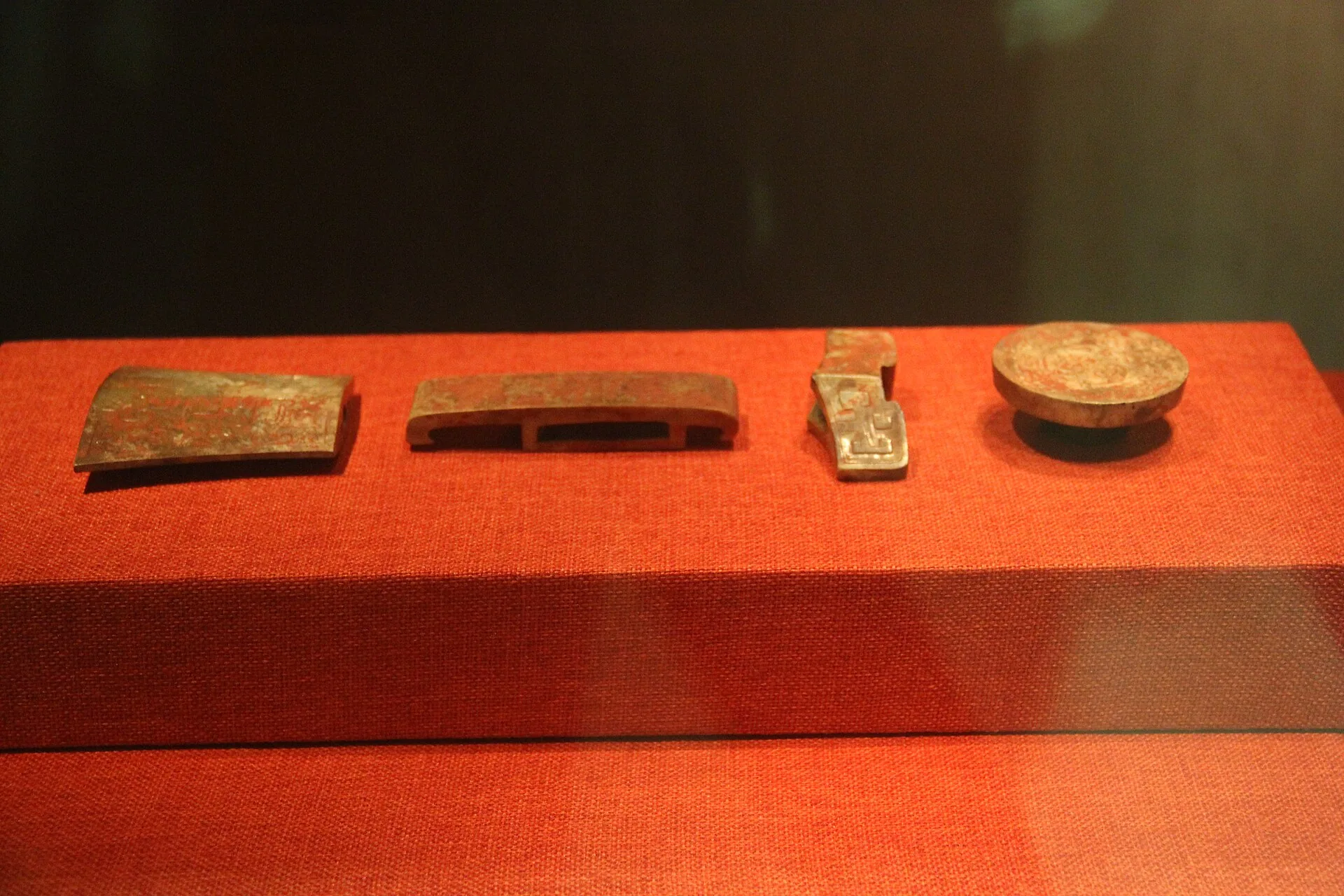
Guangzhou was founded in 214 BC and soon became the capital of the Nanyue kingdom, whose king’s tomb and palace remains can be visited today. Its river port made it China’s great gateway on the Maritime Silk Road. By the Tang dynasty, merchants from Arabia and Persia lived in a foreign quarter near today’s Guangta Road, where, by tradition, Huaisheng Mosque was founded.
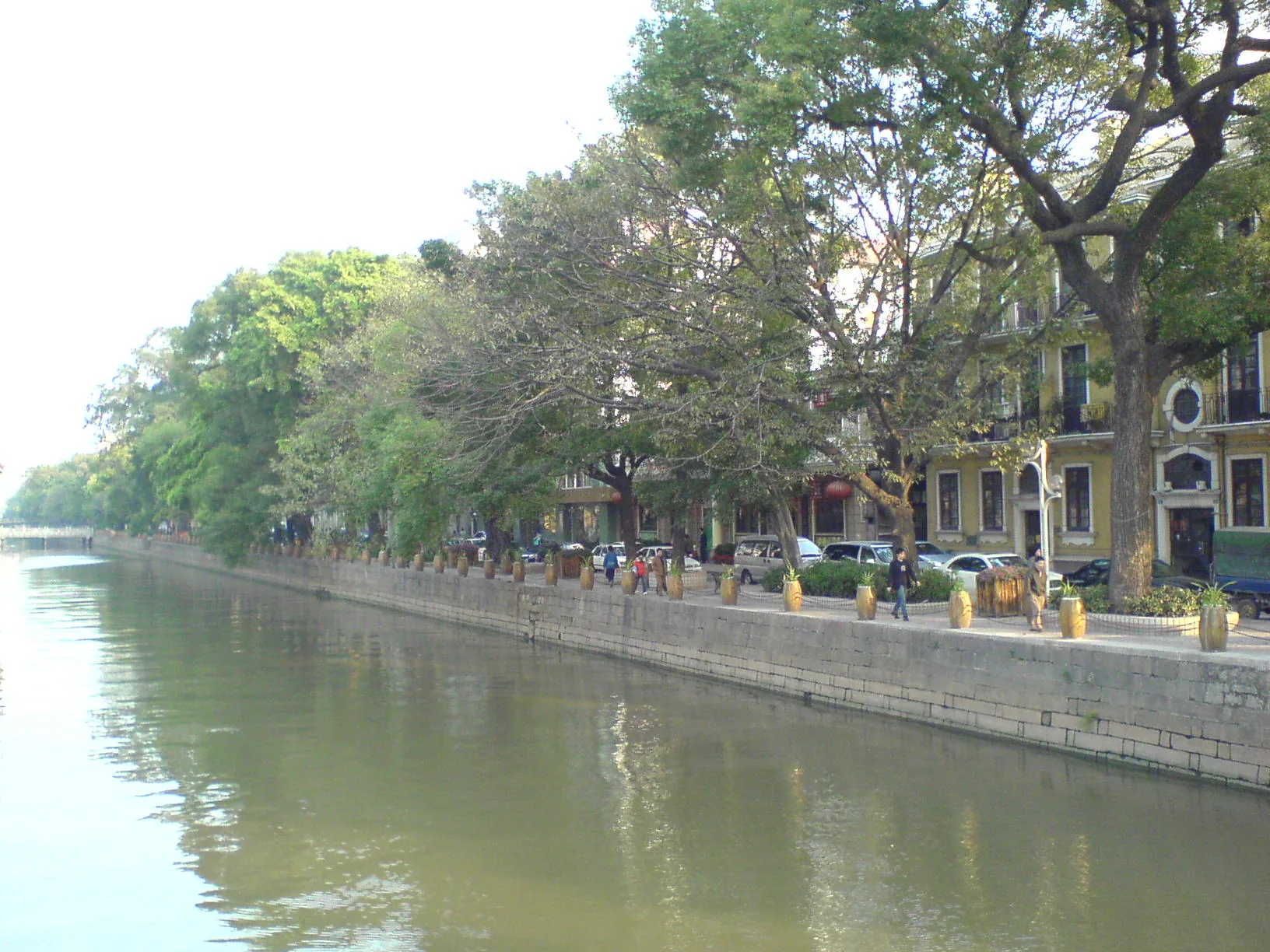
From 1757 to 1842, under the Canton System, Guangzhou was the only Chinese port open to Western traders, who were confined to the Thirteen Factories by the river. After the Opium Wars, Britain and France were granted Shamian Island, whose colonial-era buildings survive. In the early twentieth century the city was the base of Sun Yat-sen’s revolutionary movement, and the Whampoa Military Academy opened in 1924.
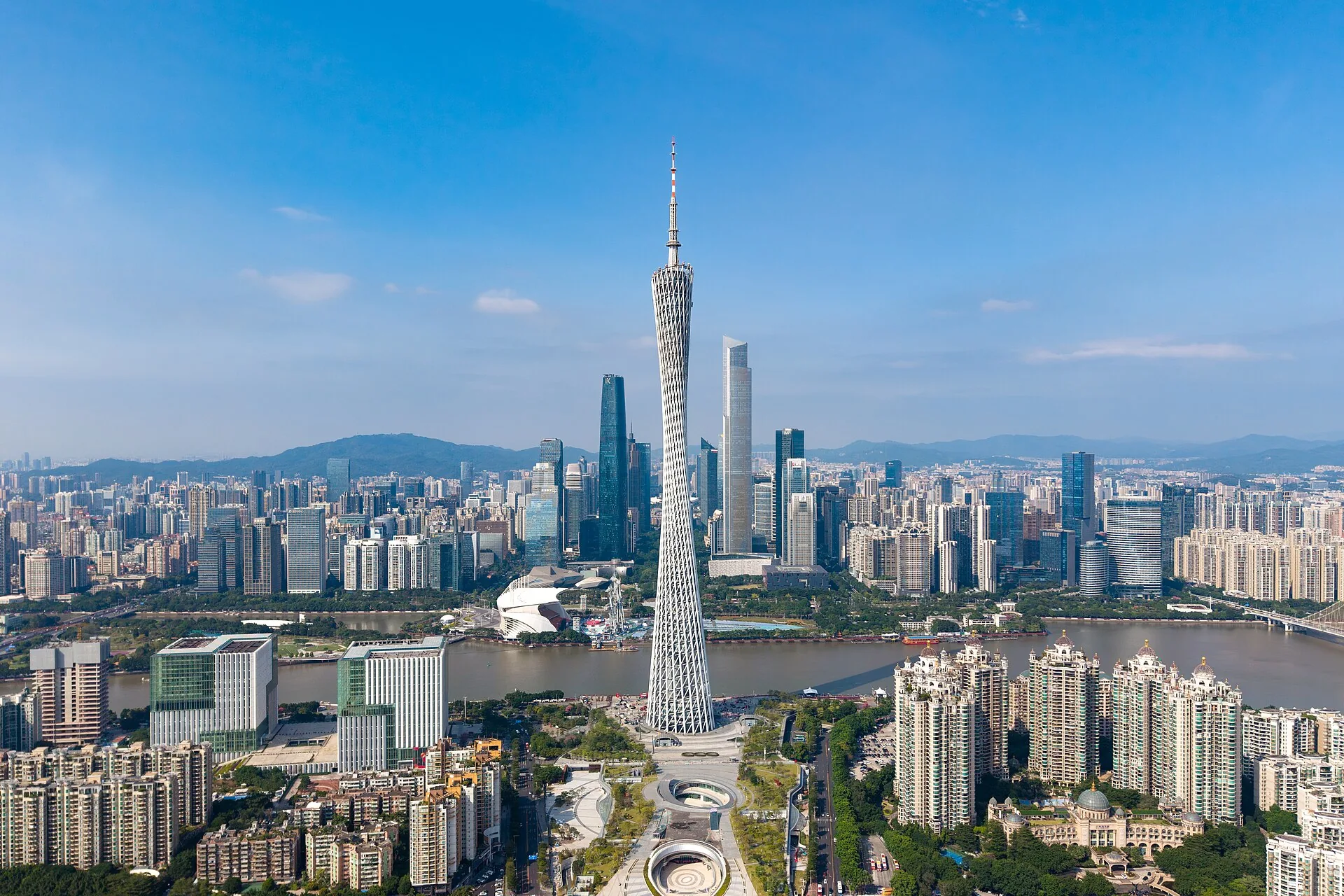
The Canton Fair began in 1957, and since the reforms of the late 1970s Guangzhou has grown into one of China’s richest cities, hosting the Asian Games in 2010.