Overview & visitor information
The Chen Clan Ancestral Hall was finished in 1894, paid for by Chen families from across Guangdong who wanted a place for their sons to stay and study while sitting the imperial exams in the provincial capital. The result is one of the most decorated buildings in southern China. Nineteen halls and pavilions are linked by courtyards and covered corridors, and almost every surface carries a story: carved wooden screens, grey-brick friezes, stone columns and, along the rooflines, crowded ceramic figures from Cantonese opera and folk tales.
Look up as you walk. The roof ridges of the main hall are the showpiece, with hundreds of glazed figures in bright greens and yellows. Inside, the building now houses the Guangdong Folk Arts Museum, with rooms of ivory and olive-stone carving, embroidery, lacquer and Shiwan pottery. Labels are in Chinese and English, and the rooms are cool and shaded, which helps on a humid afternoon.
Tickets are cheap but sold by real name. The museum’s WeChat account takes bookings, and passport holders can also buy at the window; queues build quickly on weekends and in school holidays, so aim for opening time. Note the closing day is Tuesday, not Monday as at most museums, unless it falls on a public holiday.
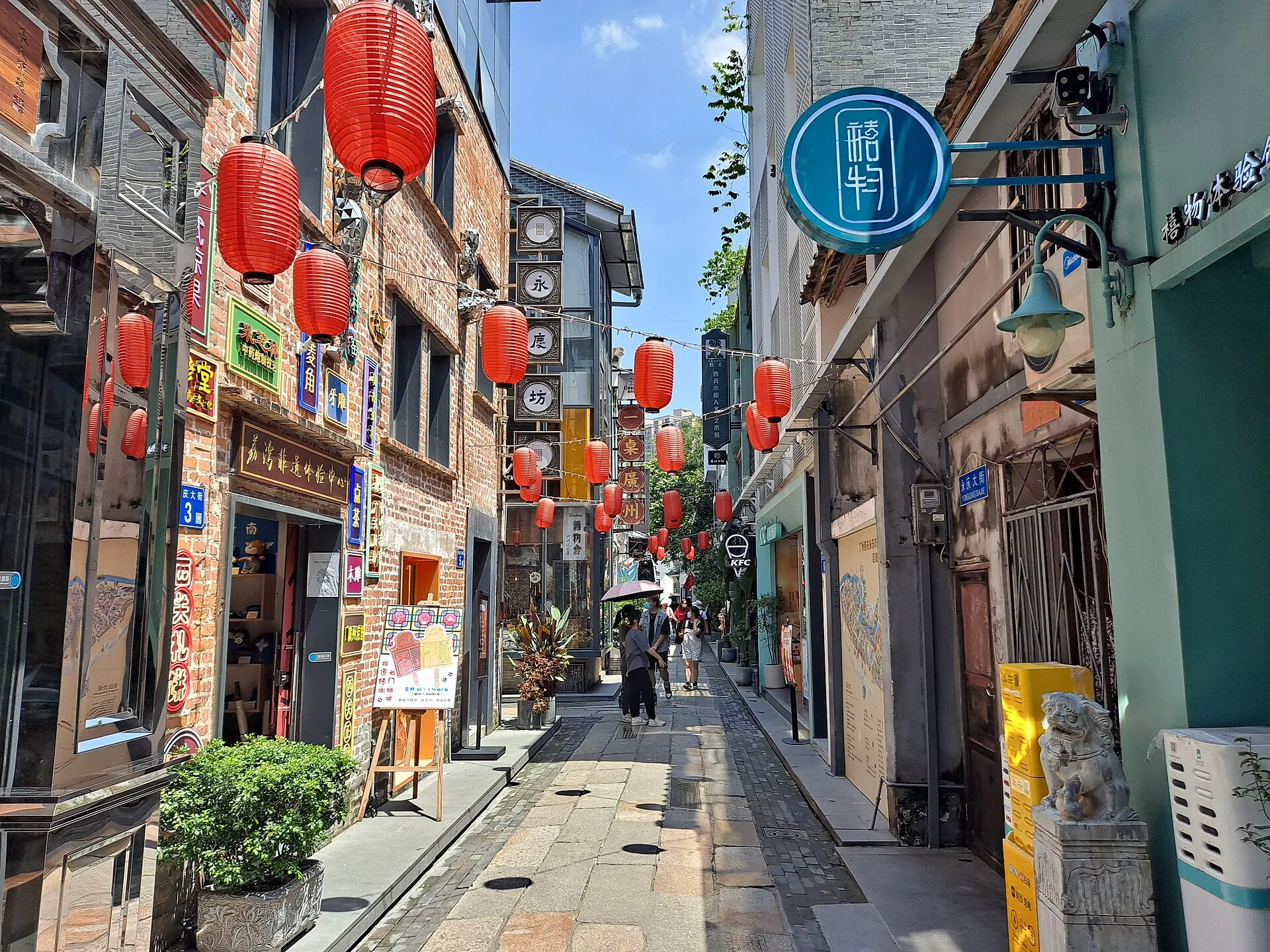
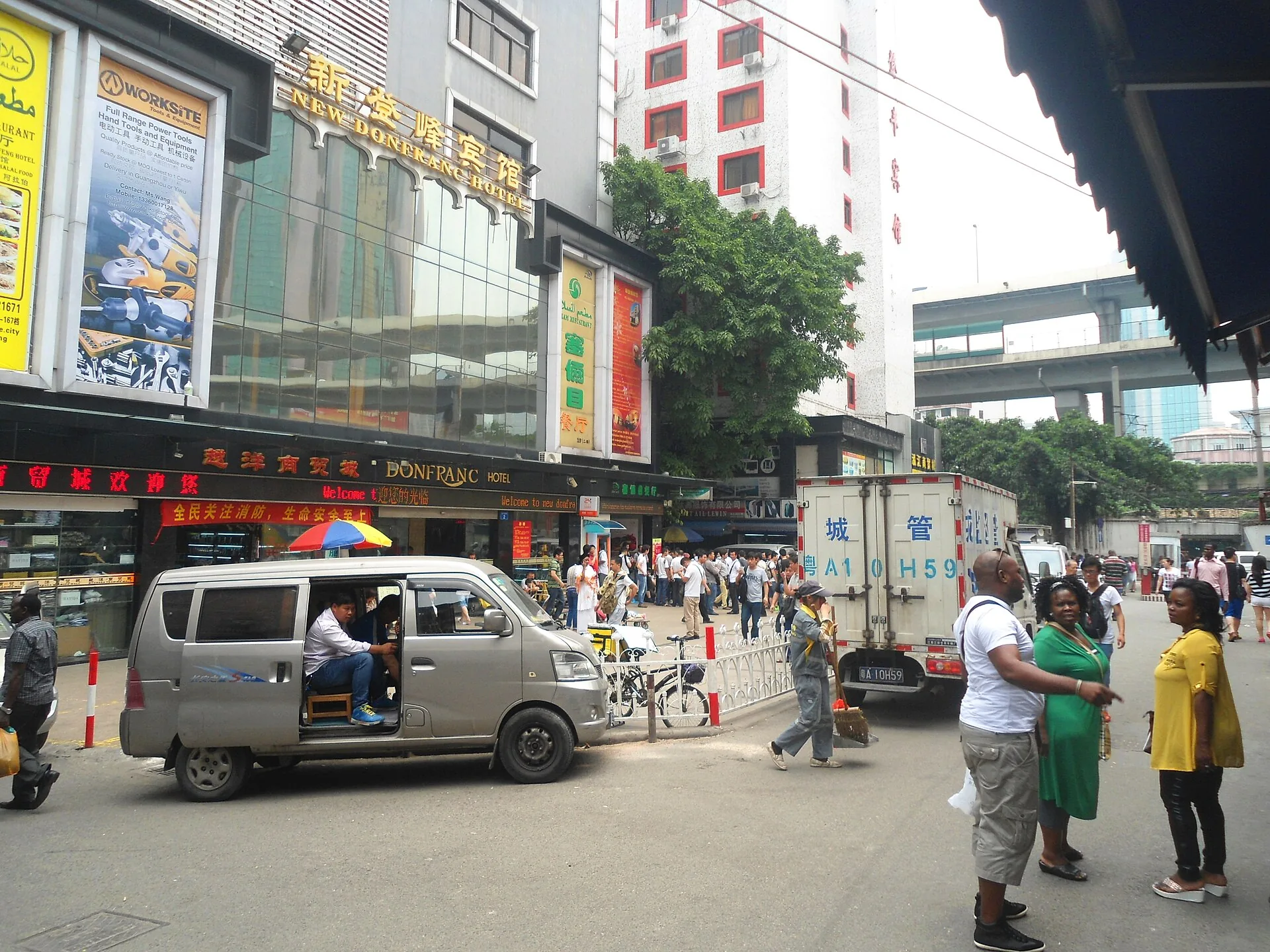
Chenjiaci station on Line 1 is right outside. The hall pairs well with Yongqingfang and the Cantonese Opera Art Museum, both a short taxi or a 20-minute walk away, and with Shamian Island later in the day. For lunch, the halal restaurants near Ximenkou and Liuhua are closer than those in Xiaobei. The courtyards have steps and raised thresholds, so strollers need lifting in places.