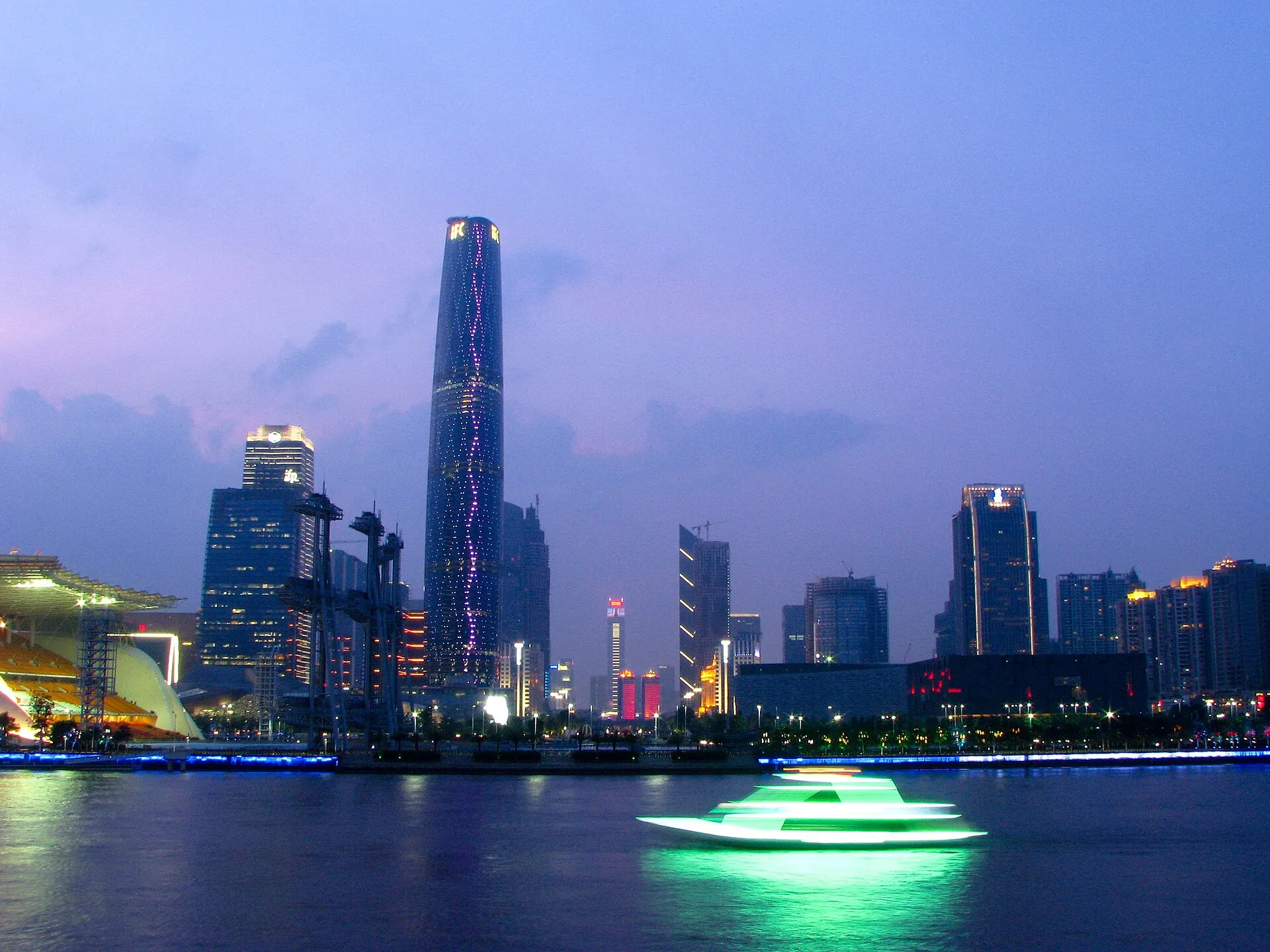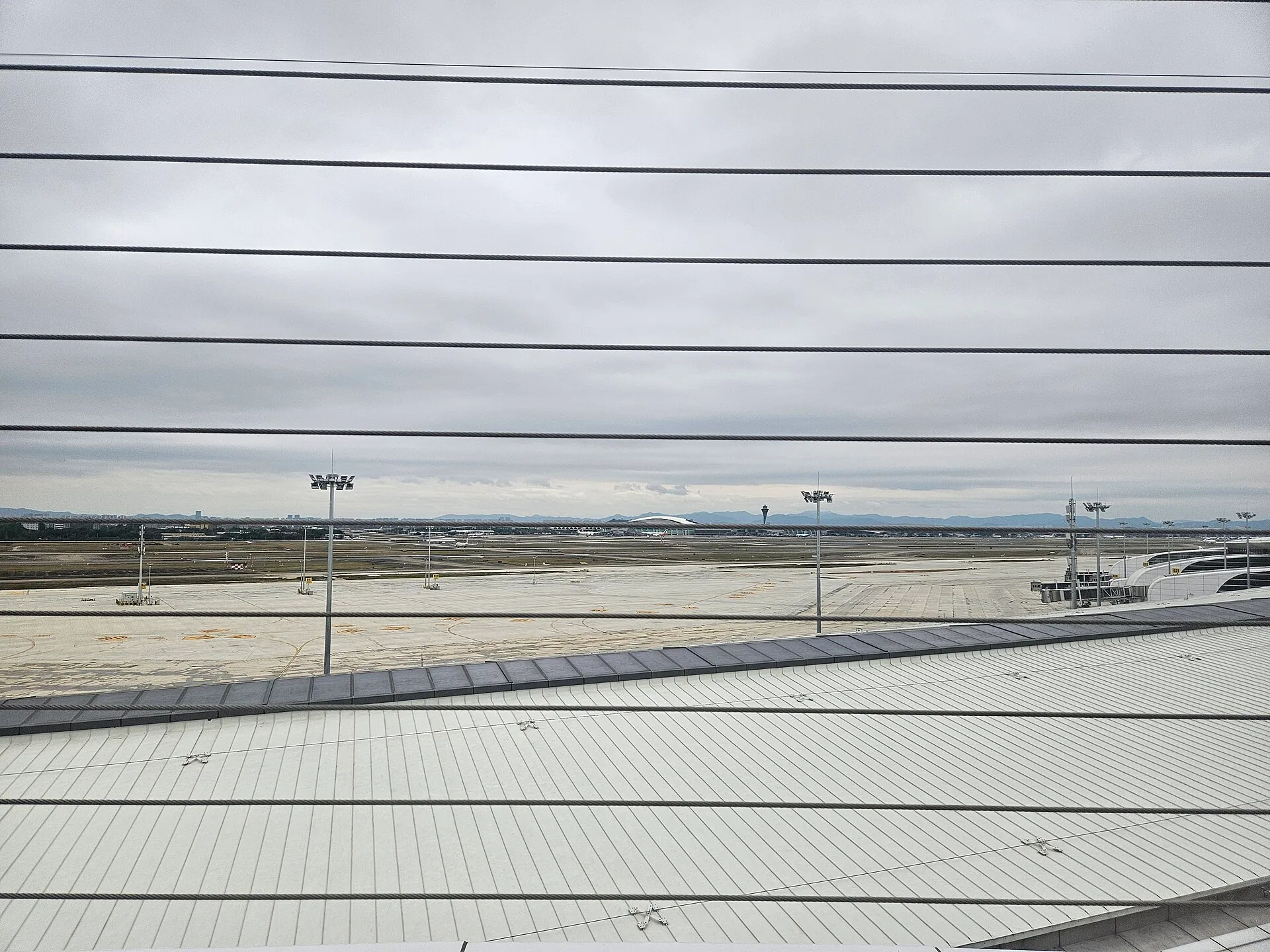
As of November 2026, Emirates flies daily between Dubai and Guangzhou (EK362 and EK363), and China Southern Airlines, which is based in Guangzhou, is scheduled to add Dubai flights from January 2027. Qatar Airways and China Southern connect Guangzhou with Doha.
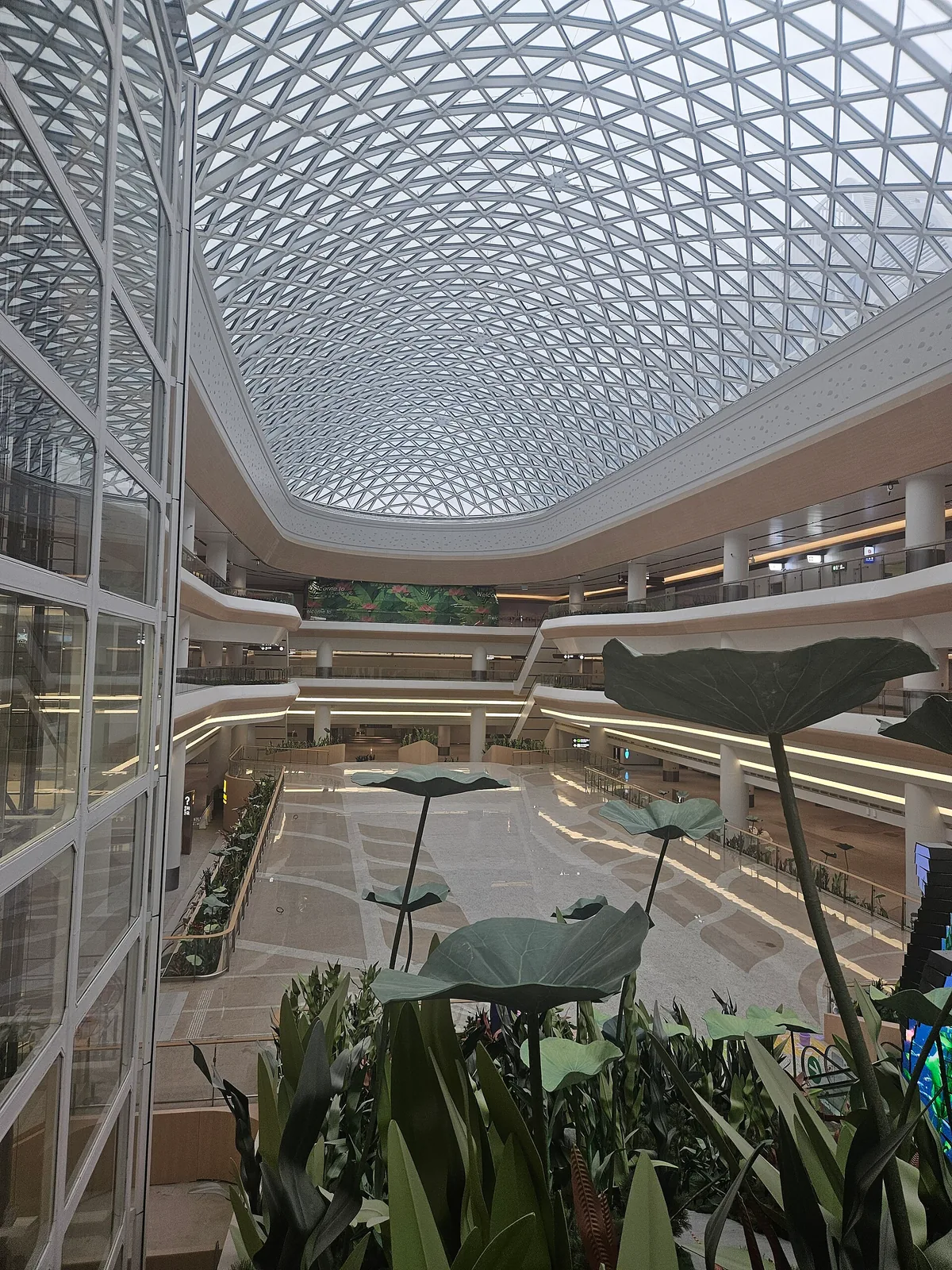
Guangzhou Baiyun International Airport lies about 30 km north of the city centre. As of November 2026, Terminal 1 has been closed since 7 May 2026 and flights use Terminals 2 and 3. A free shuttle bus links T2 and T3 around the clock, taking about 25 minutes, and the intercity train between the two terminal stations costs CNY 4.
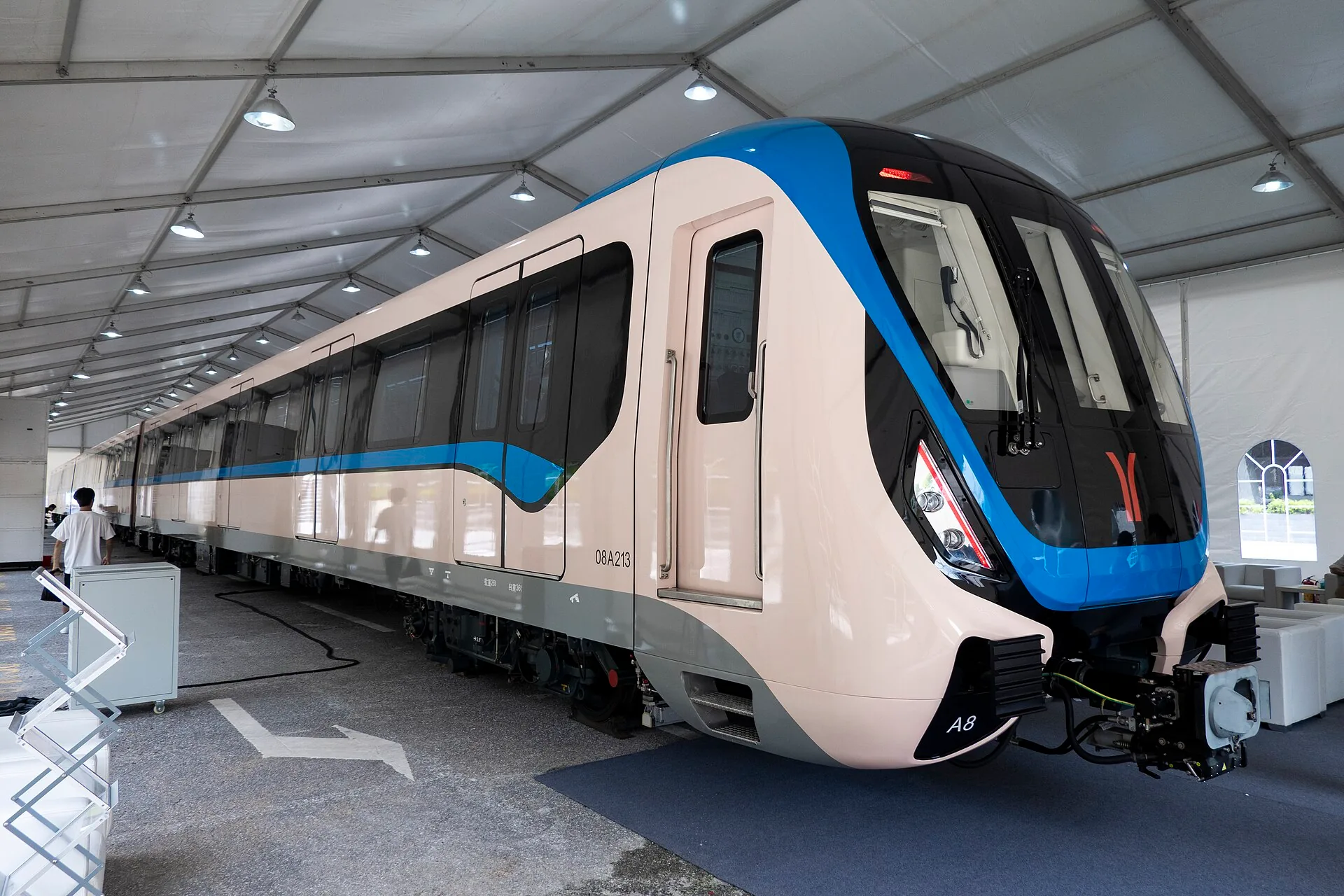
Guangzhou Metro has an extensive network with signs and announcements in Chinese and English. Fares are distance-based, from CNY 2 for the first 4 km up to a maximum of CNY 20, and the APM line under the central axis costs CNY 2. Station security checks bags at every entrance.
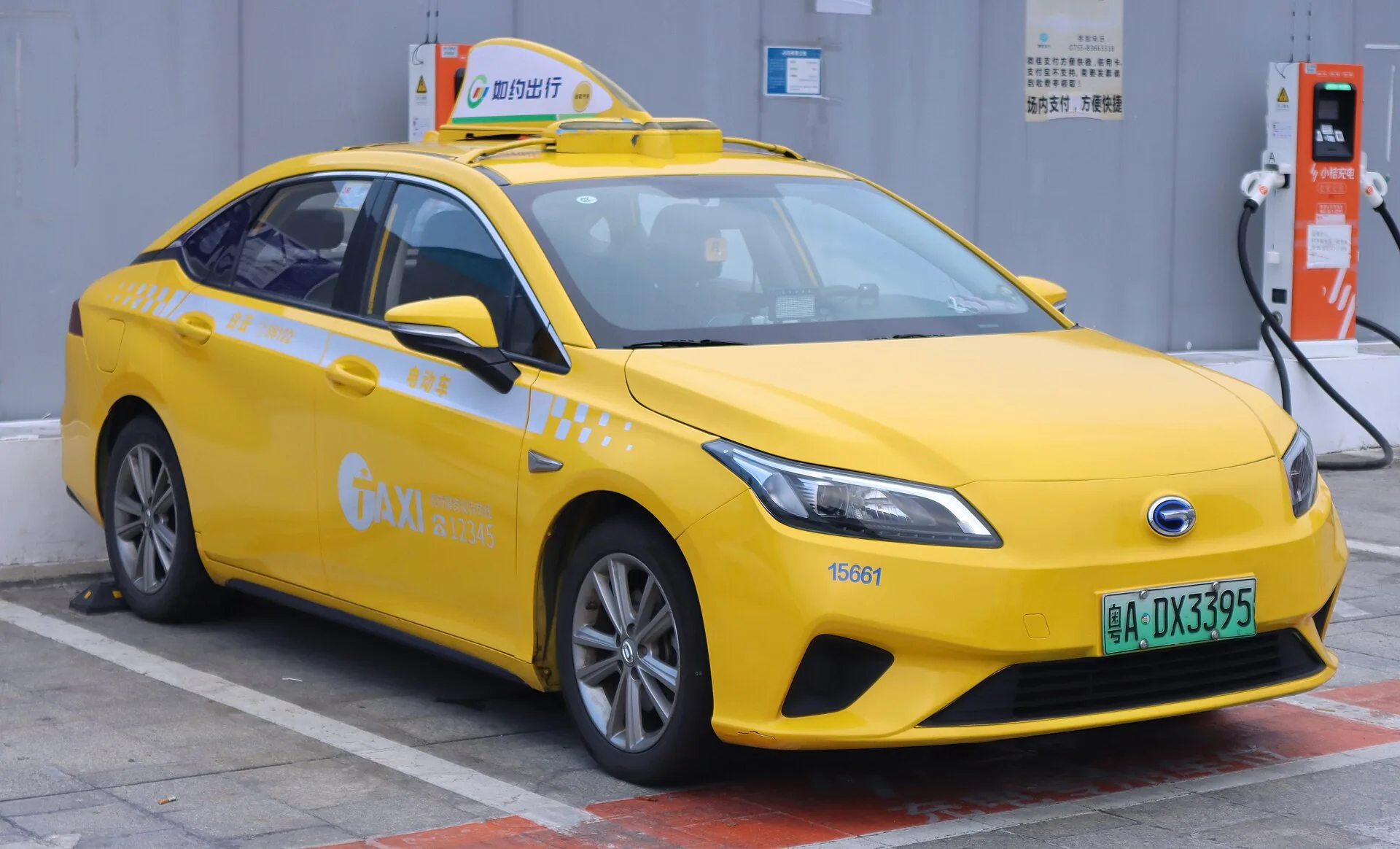
DiDi is China’s main ride-hailing app. It has an English interface, translates chat messages with the driver and accepts payment through a linked international card, Alipay or WeChat Pay. You can also order DiDi rides inside the Alipay app. Choose the pick-up point carefully at big malls and stations, where drivers wait at marked bays.
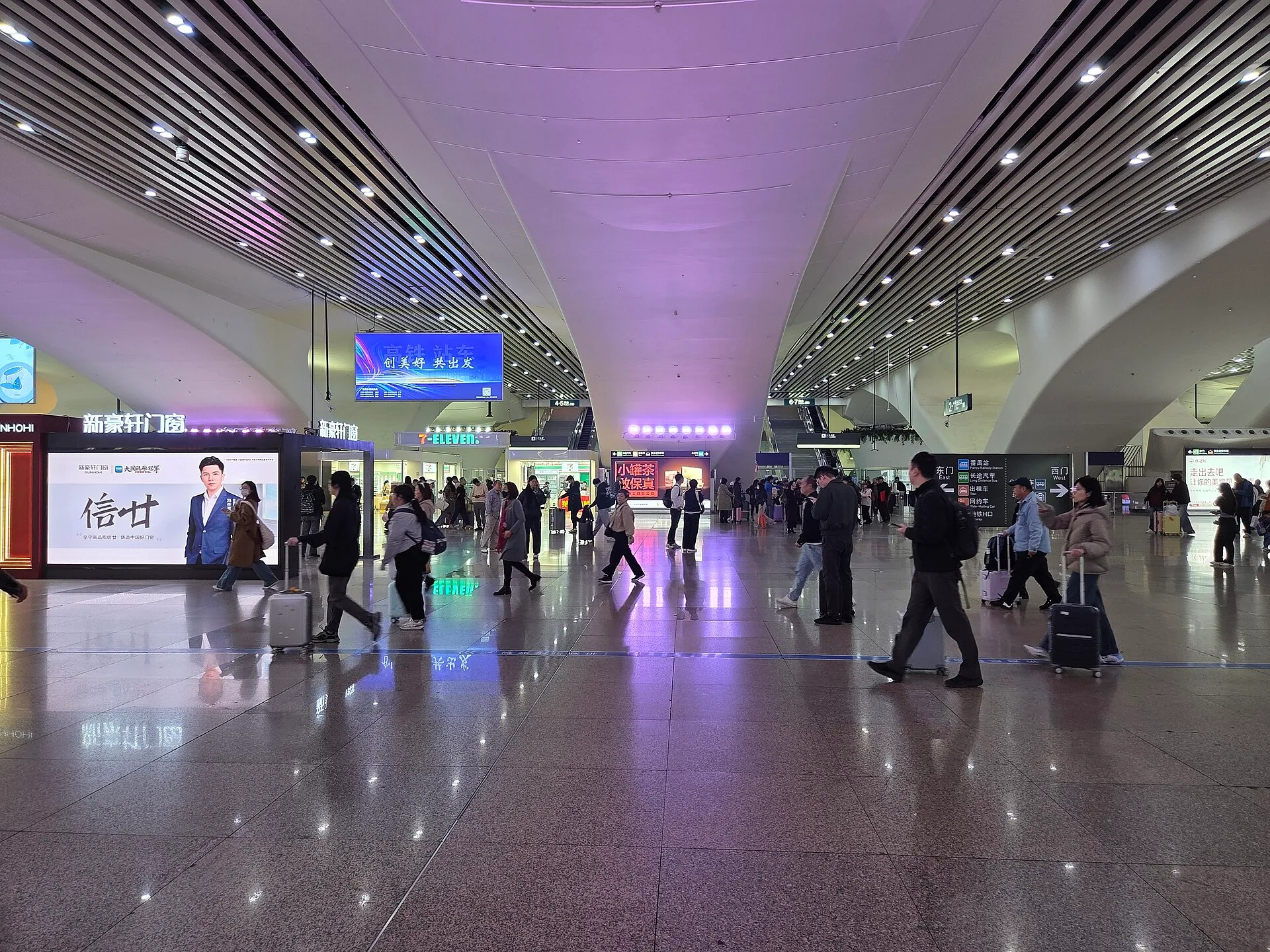
China’s high-speed trains make Guangzhou an excellent base. From Guangzhou South station, the fastest trains reach Hong Kong West Kowloon in 47 minutes, with second-class fares of about CNY 215 as of November 2026 and departures between about 06:32 and 21:28. Remember that Hong Kong has its own entry rules, so check them for your passport before you go.
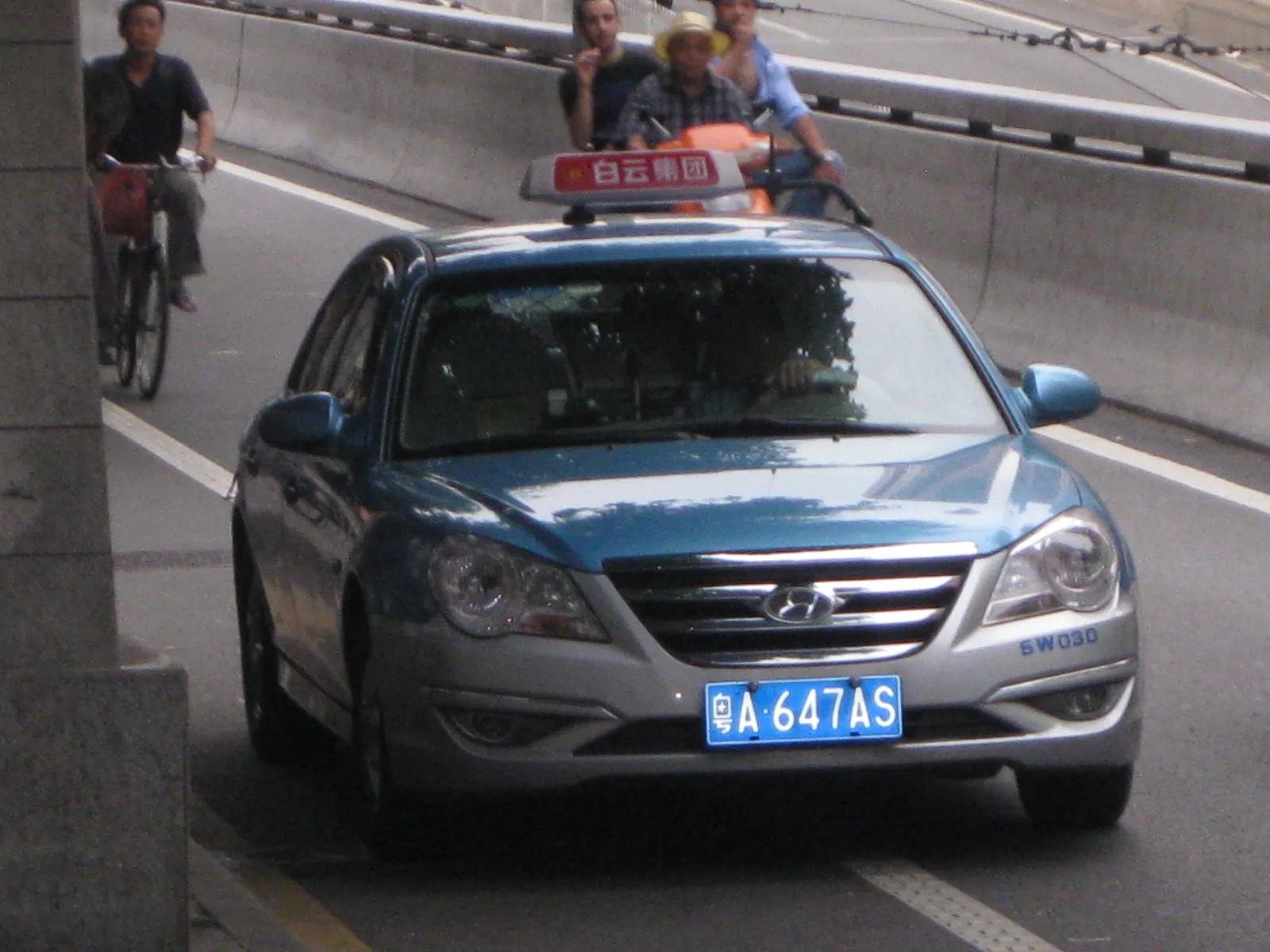
Mainland China does not recognise international driving permits, and driving yourself requires a Chinese driving licence or a temporary permit, which involves paperwork and is rarely worth it for a short stay. City traffic is dense, and signs are mostly in Chinese.