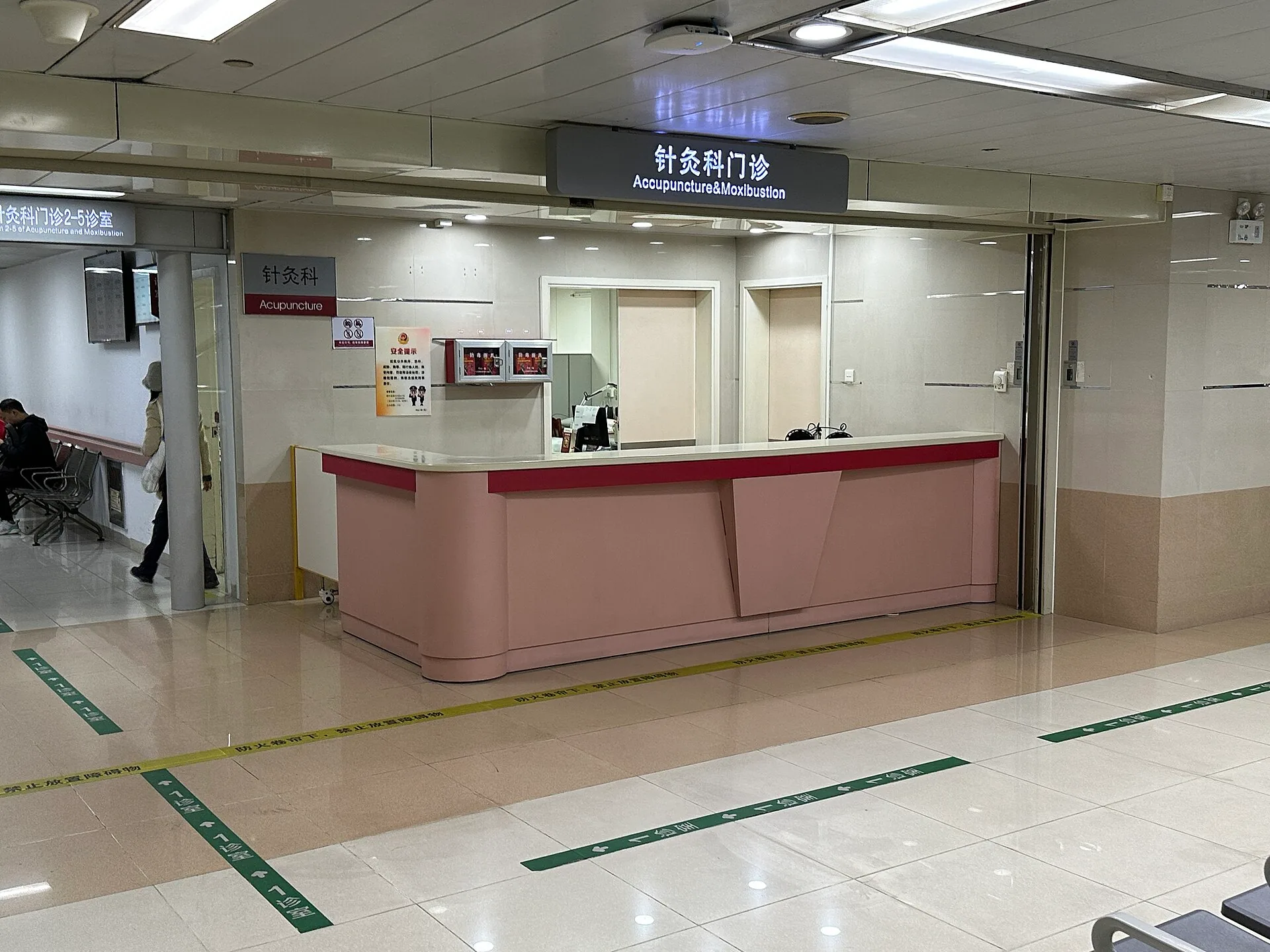
Emergency numbers
| Service | Number | |---|---| | Police | 110 | | Ambulance | 120 | | Fire | 119 | | Traffic accident | 122 | | Guangzhou foreign-language hotline, 24 hours | 960169 | | Guangzhou city service hotline | 12345 |

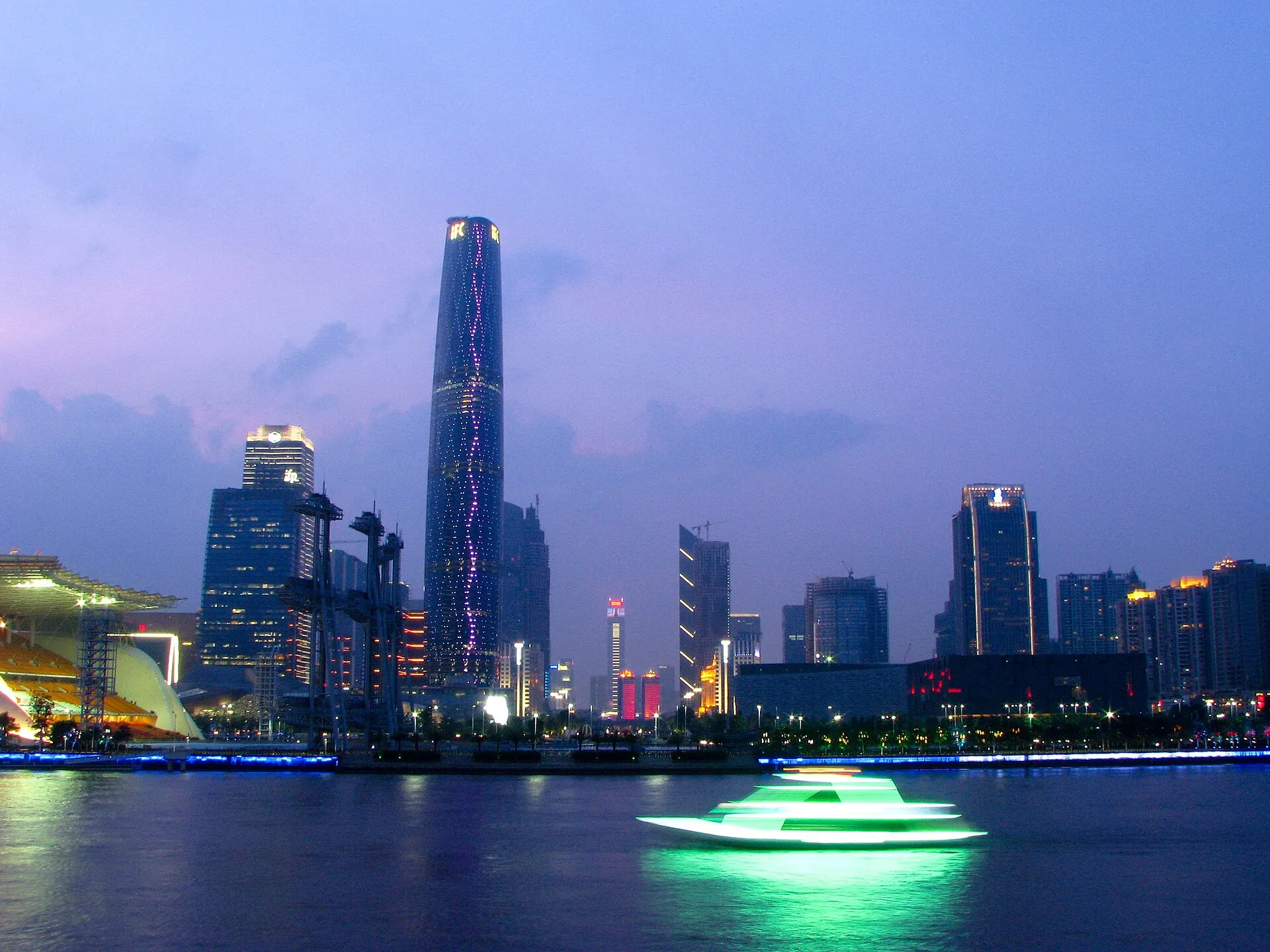
Emergency numbers, hospitals with international services, pharmacies, insurance, everyday safety, and what to do in typhoons and heavy rain.
8 results
City overview| Service | Number | |---|---| | Police | 110 | | Ambulance | 120 | | Fire | 119 | | Traffic accident | 122 | | Guangzhou foreign-language hotline, 24 hours | 960169 | | Guangzhou city service hotline | 12345 |
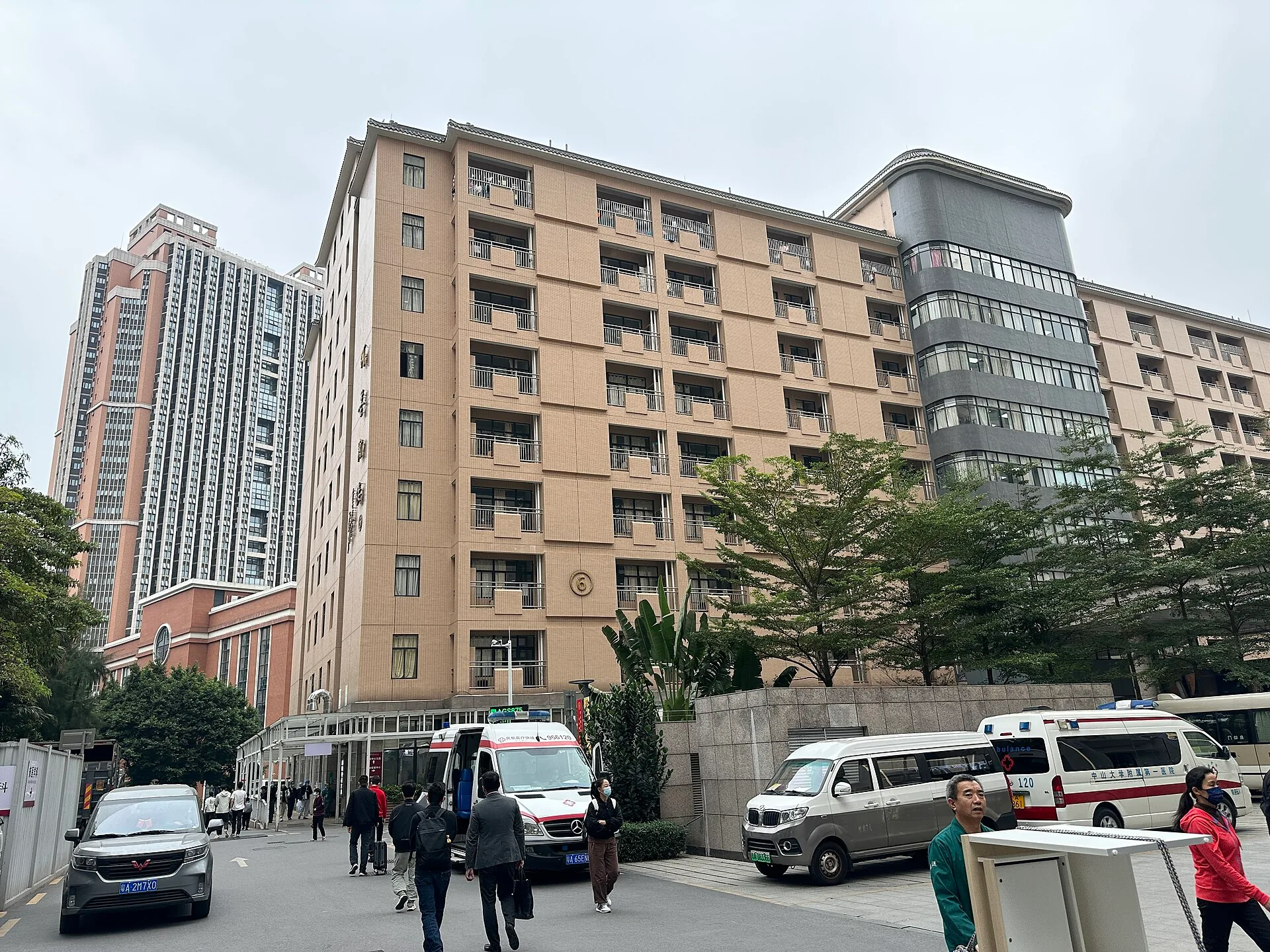
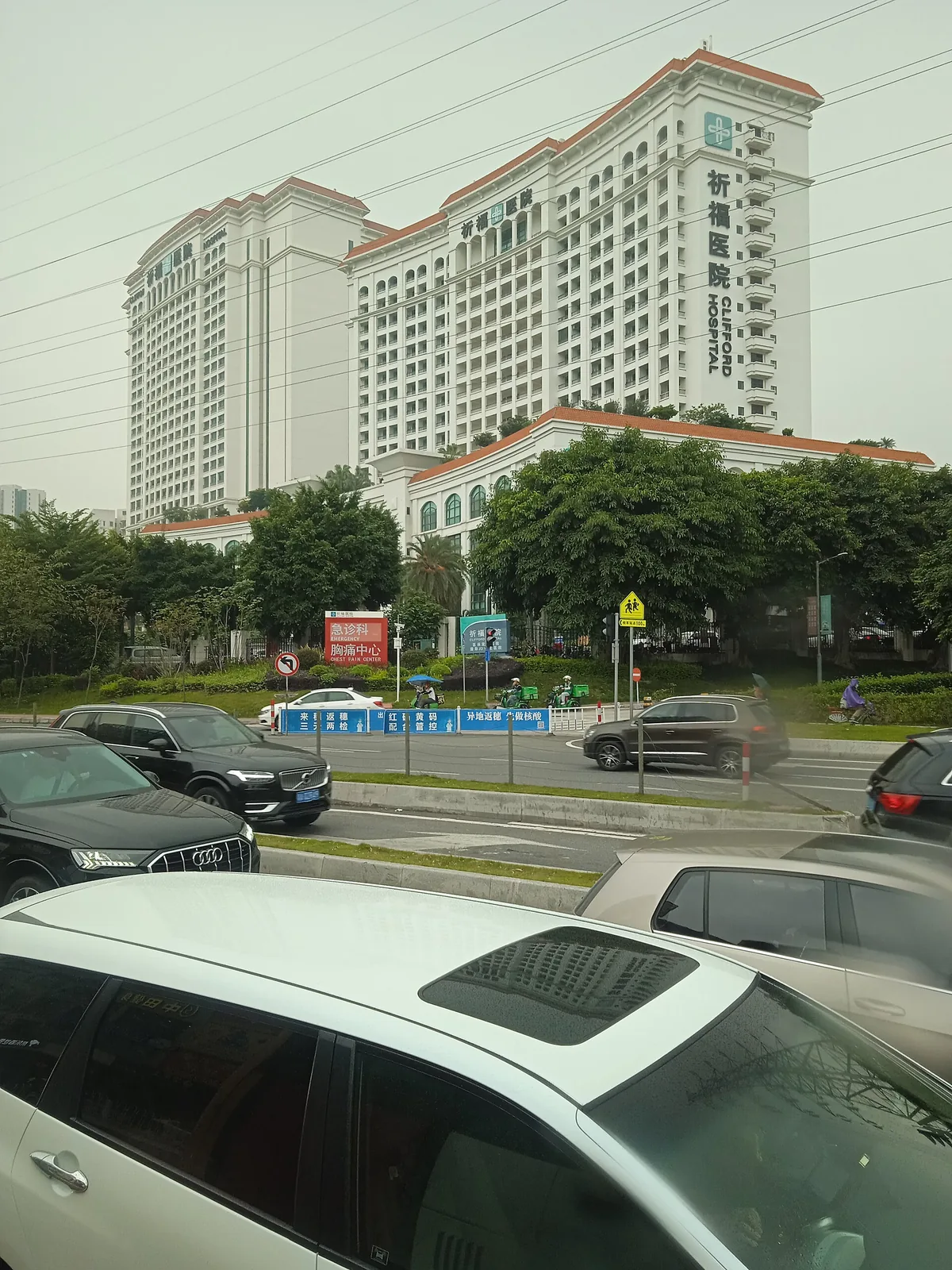
Guangdong Provincial People’s Hospital, at 106 Zhongshan 2nd Road in Yuexiu, is one of the province’s largest hospitals, with a 24-hour emergency department; call +86 20 8382 7812. Nearby, the First Affiliated Hospital of Sun Yat-sen University, at 58 Zhongshan 2nd Road, has an international medical centre on +86 20 8733 2200 extension 8225.
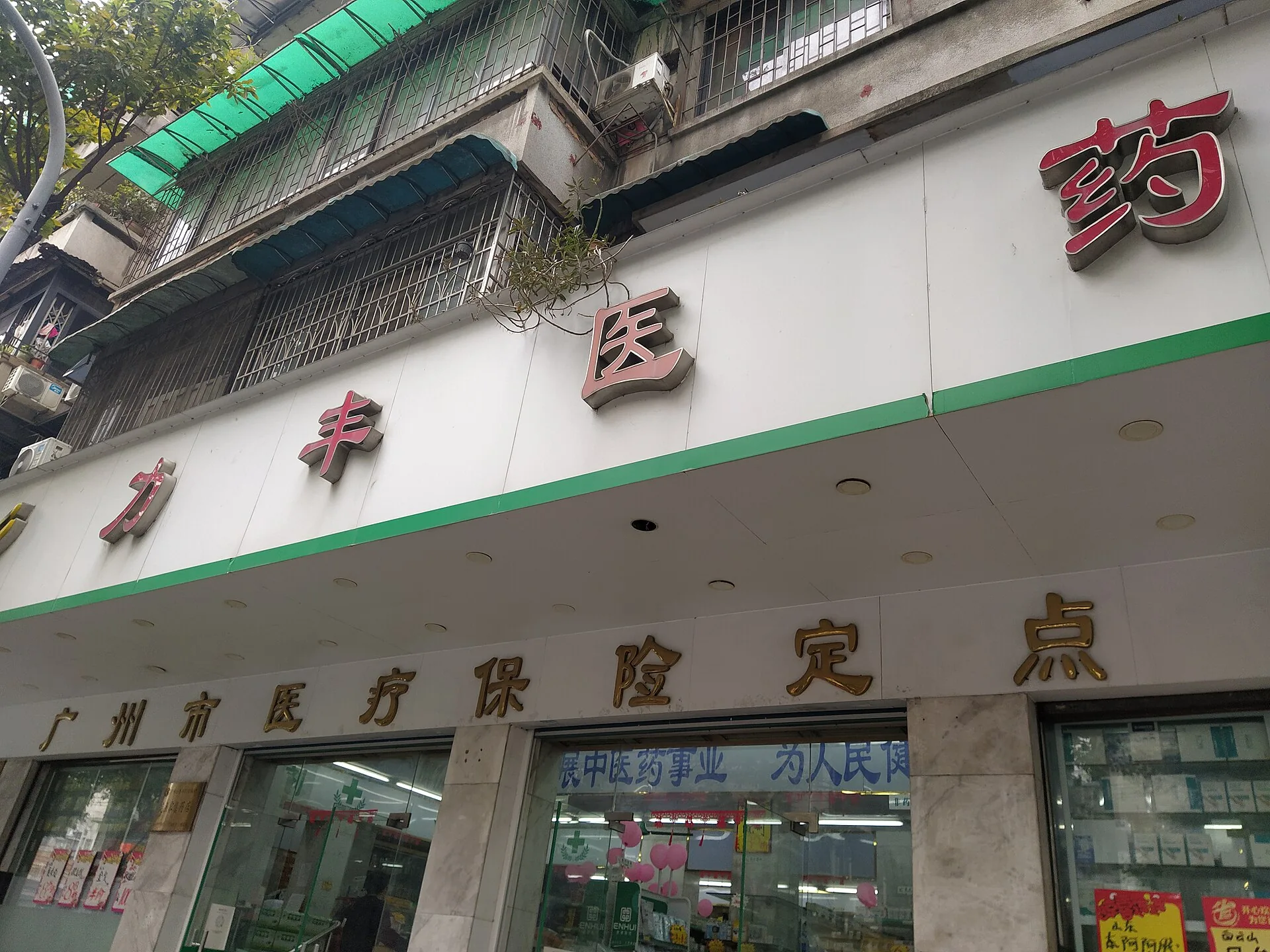
Pharmacies, marked 药房 (yàofáng) or 药店 (yàodiàn), are found on almost every main street and in many malls and metro stations, and they sell both Western and traditional Chinese medicines. Staff rarely speak English, so show the generic name of the medicine or a photo of the box, and use a translation app.
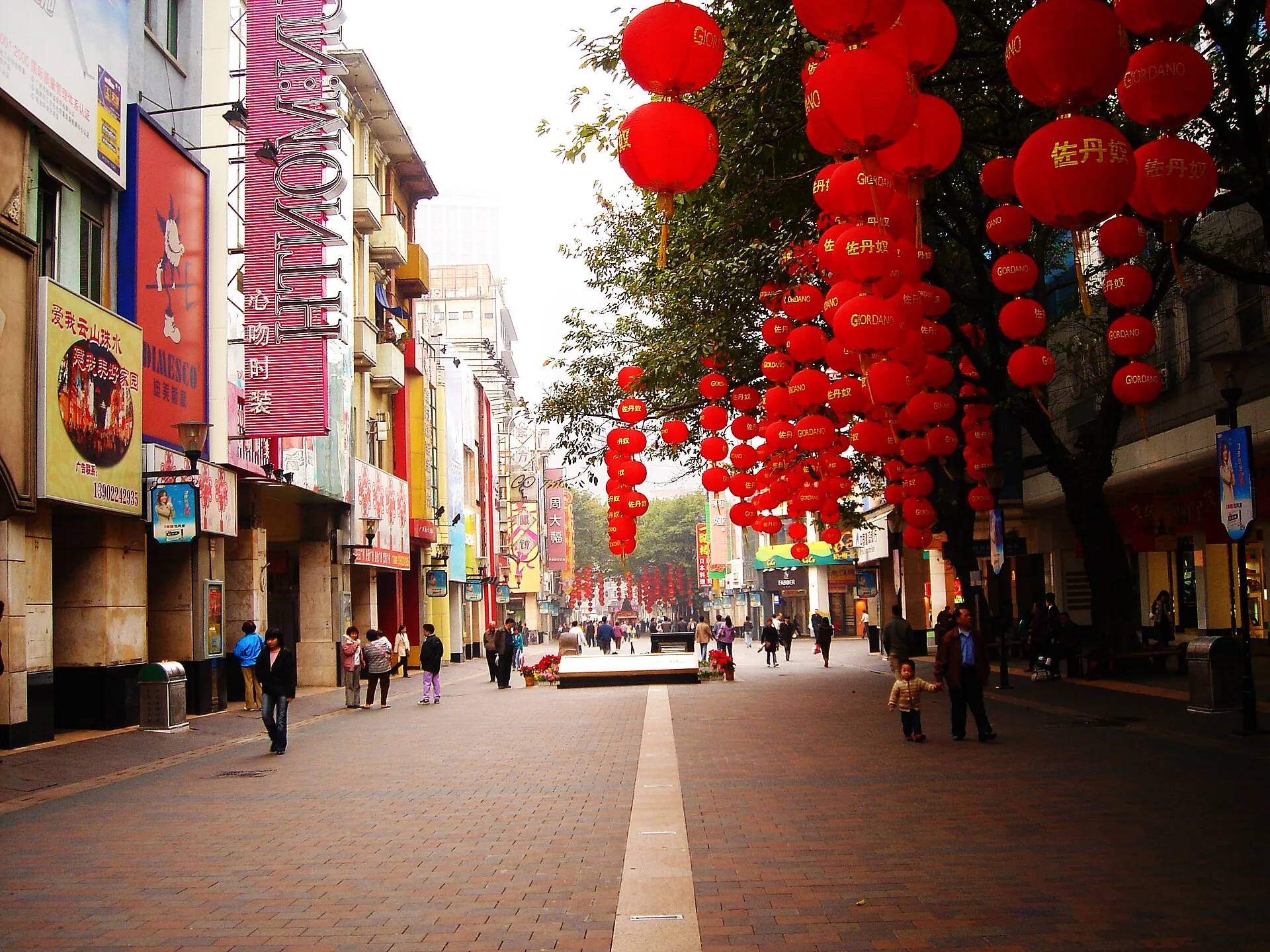
Violent crime against visitors is rare in Guangzhou, and the city centre is busy and well lit late into the evening. Petty theft is the main concern: keep your phone and wallet secure in crowded places such as Beijing Road, the railway stations, the metro at rush hour and the wholesale markets.
Your Gulf health insurance may not cover treatment in China, so buy travel insurance with medical and evacuation cover before you travel, and check that it covers any activities you plan, such as theme-park rides or day trips. If you travel during typhoon season, check whether the policy covers flight cancellations caused by weather.
Tap water in Guangzhou is not for drinking. Hotels provide bottled water or a kettle, and bottled water is sold everywhere.
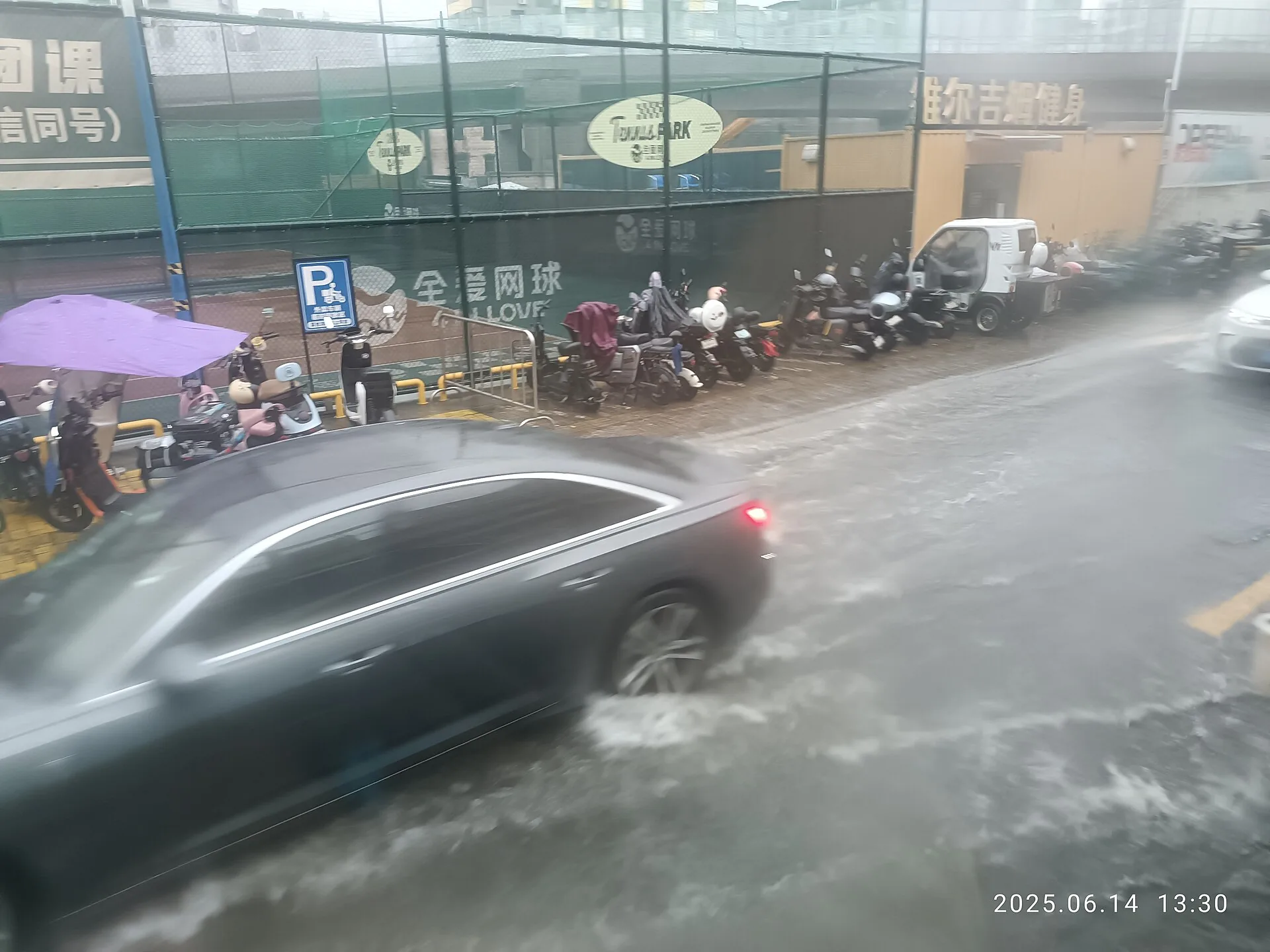
Typhoons can affect Guangzhou from about July to September, and heavy rainstorms are common from April onwards. China uses colour-coded warnings for both typhoons and rainstorms, in rising order blue, yellow, orange and red. Warnings appear on phone weather apps and on screens in the metro and malls.
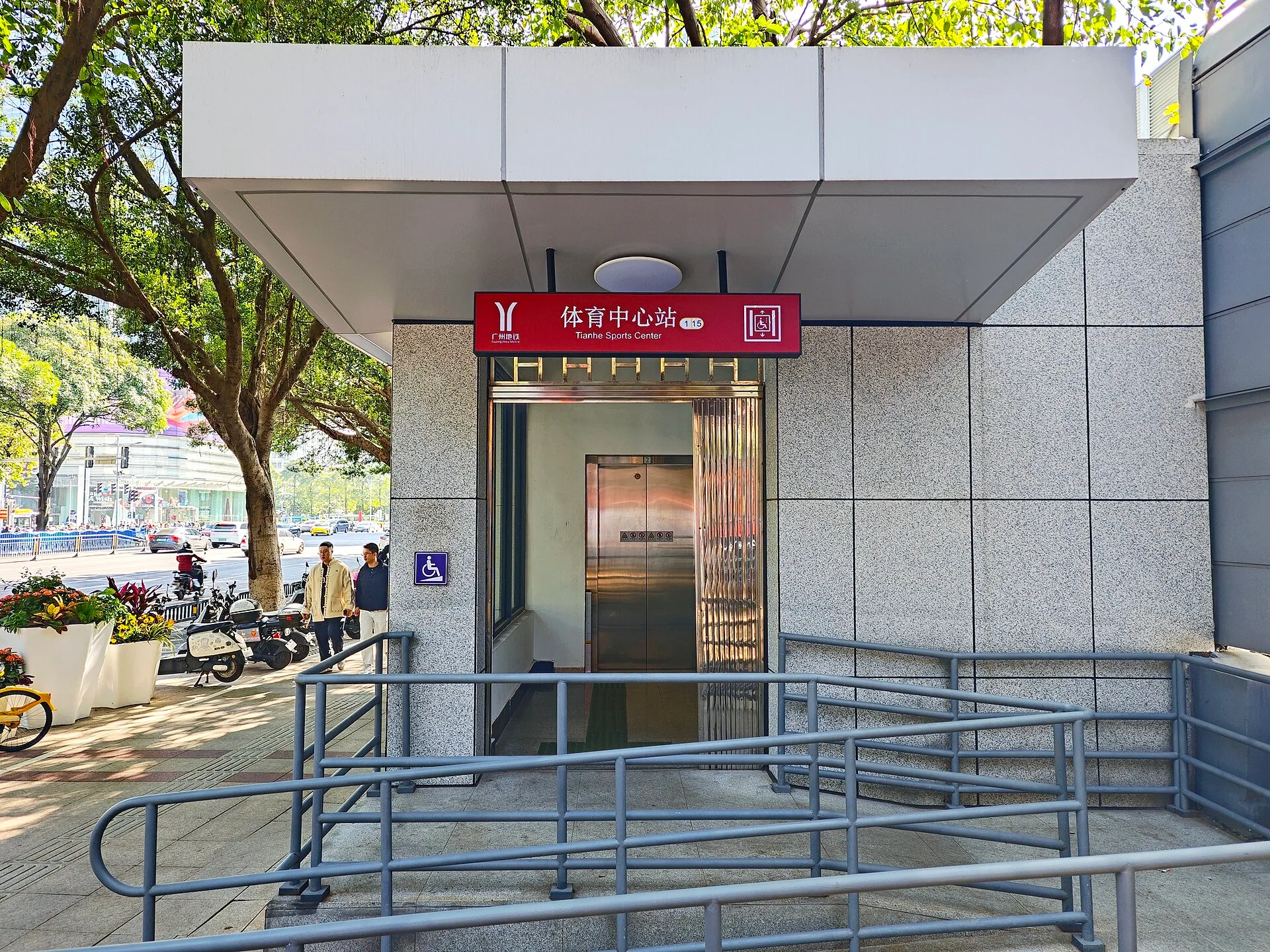
Guangzhou’s newer infrastructure is generally accessible. Many metro stations have lifts at some exits, marked on station maps, and staff can help with wheelchair access to platforms. Modern malls, museums such as Guangdong Museum, and major hotels have lifts, ramps and accessible toilets.