City Information
Explore city history, fast facts, climate and practical visitor information for Ho Chi Minh City.
City Information
Fast Facts
City Information
Exchange Rates
The Dong is the official currency of Vietnam. (VND – Vietnamese Dong )
Read full articleCity Information
Public Holidays
1st January – New Years’: Last day of the last lunar month - 3rd day of the first lunar month – Vietnamese New Year 10th day of the 3rd lunar month – Hung King’s Commemoration 30th April – Liberation Day / Reunification Day 1st May – International Worker’s Day (Labor Day); 2nd September – National Day: Other Holidays 3rd February – Communist Party of Vietnam Foundation Anniversary 8th March – International Women’s Day 19th May – President Ho Chi Minh’s Birthday 1st June – International Children’s Day 28th June – Vietnamese Family Day 27th July – Remembrance Day 19th August – August Revolution Commemoration Day 10th October – Capital Liberation Day 20th October – Vietnamese Women’s Day 20th November – Teacher’s Day 22nd December – National Defense Day (People’s Army of Vietnam Foundation Anniversary) 25th December- Christmas Day 15/1 (Lunar) – Lantern Festival 15/4 (Lunar) – Buddha’s Birthday 5/5 (Lunar) – Midyear Festival 15/7 (Lunar) – Ghost Festival 15/8 (Lunar) – Mid Autumn Festival 23/12 (Lunar) – Kitchen Guardians
Read full articleCity Information
Annual Temperature
a- January: 1. High: 31.6 °C 2. Low: 21.1 °C; b- February: 1. High: 32.9 °C 2. Low: 22.5 °C; c- March: 1. High: 33.9 °C 2. Low: 24.4 °C
Read full articleCity Information
Ho Chi Minh City Residents
There are now nearly 10 million inhabitants in Ho Chi Minh City with a population that is growing rapidly at a rate of 200 thousand per year. About 90% of the population is Vietnamese and 8% of the population is Chinese, a large number of whom live in the district of Cholon, the largest Chinatown of Vietnam.
Read full articleCity Information
Visa Information
Citizens of most Asian countries such as Korea, Japan as well as Scandinavians can enter Vietnam without an entry visa and this is valid for a visit within 30 days. All other citizens need to have an entry visa before they depart their own country, or they need to be in possession of a pre-approved entry visa which is then issued on arrival. The passport must be valid for at least one month from the date of exit of the city. Also two passport sized photos of size 4x6 cm are essential. Stamp fees need to be paid. These vary based on the type of visa you need. For a single entry visa, a stamp fee of 25 USD is mandatory. For a multiple entry visa, 50 USD needs to be paid and it costs 100 USD for a 1 year visa. These passport stamps can be available by applying to any one of the Vietnamese Embassies or Consulates. A visa can also be obtained on arrival, once you’ve reached your port of destination. As you pass through immigration, the entry visa is stamped on the passport and is valid for only 30 days. It can be extended however, once you’ve entered Vietnam.
Read full articleCity Information
When to go
Depending on when you visit Ho Chi Minh City, you can experience either tropical wet conditions or a relatively dry climate. The year is divided into two distinct seasons, the rainy season essentially lasts around 7 months from the month of May to November. The rest of the year is nice and dry. If the heat ever gets to you, there are plenty of water parks to help you cool down. This season is the best for people who love the outdoors as well as like to stay dry.
Read full articleCity Information
Ho Chi Minh City Today
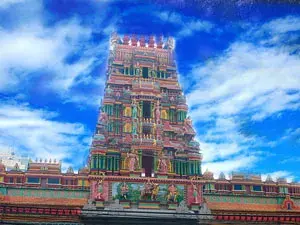
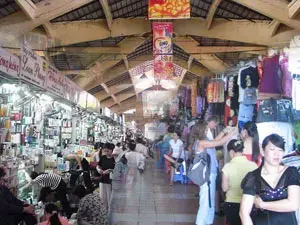
Formerly known as Saigon, the largest city in Vietnam is now a bustling city of commerce and culture and has helped drive the country forward economically. Vibrant Ho Chi Minh City boasts of festivities and events throughout the year, which are set among its ancient pagodas and the markets teeming with life. Religion and spirituality are also accentuated in this city with its beautiful temples and churches scattered all around. This fascinating city has evolved through the ages and with its rapid growth and development, it is now one of the most populated and most visited cities in all of Vietnam. For visitors, Ho Chi Minh City offers both the finest hotels and the cheapest guesthouses, the classiest of restaurants and the most modest street stalls.
Read full articleCity Information
Ho Chi Minh City History
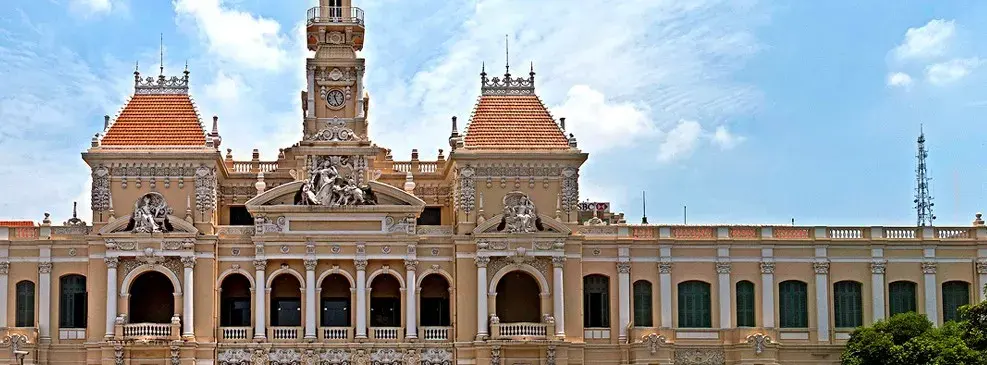
What we now call Ho Chi Minh City first began as a small fishing village called Prey Nokor or “Forest Kingdom.” The area was originally nothing but swampland and was taken up by the Khmer people for centuries before the Vietnamese arrived. Colonization by Vietnamese settlers began in the 17th century and this presence isolated the Khmer, who became a minority in the region. The control of Prey Nokor by the Vietnamese restricted Cambodian access to this important port and entry to the South China Sea. By the 19th century, Saigon was conquered by France and its heavy French influence was reflected in the architecture, earning it the name the “Paris in the Orient” or “the Pearl of the Far East”.
Read full articleKeep exploring Ho Chi Minh City
More places in Ho Chi Minh City
Keep exploring Ho Chi Minh City and add more stops to your plan.


More restaurants in Ho Chi Minh City
Keep exploring Ho Chi Minh City and add more stops to your plan.
More hotels in Ho Chi Minh City
Keep exploring Ho Chi Minh City and add more stops to your plan.