Skip to content
Ho Chi Minh City
Ho Chi Minh City

Top places to visit

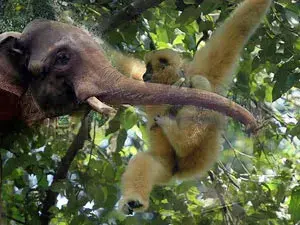
Ho Chi Minh City offers plenty of places where you can take your children. One place to spend the day is the Saigon Zoo. With 133 years of operation, it’s is one the oldest zoos world. The wide variety of indigenous animals, the aquariums and the museum can keep children occupied for the entire day. Several temples are also found in its extensive grounds.
26 results

City overview
alt

Ho Chi Minh City offers plenty of places where you can take your children. One place to spend the day is the Saigon Zoo. With 133 years of operation, it’s is one the oldest zoos world. The wide variety of indigenous animals, the aquariums and the museum can keep children occupied for the entire day. Several temples are also found in its extensive grounds.

alt

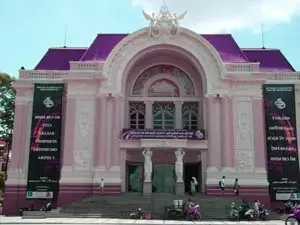
Also known as the Ho Chi Minh Municipal Theatre, the Opera House is a beautiful example of French Colonial architecture from 1897. The 3-story, 1,800-seat opera house stages a variety of concerts not limited to opera, including ballet, classical and pop music and traditional Vietnamese performances. The square outside is a great place to relax and people watch.

alt

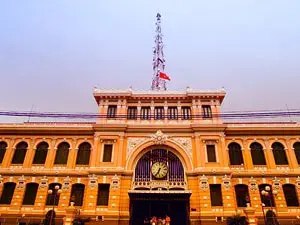
This is the historic post office was built in the 19th century European style and features an enormous portrait of the former president Ho Chi Minh. The crowds inside consist of mostly visitors rather than actual customers.

alt

This is a popular spot for both tourists and the younger crowd, where Russian Market stores can be found selling cheap watches, T-shirts, DVDs, clothes, slippers and the like.

alt

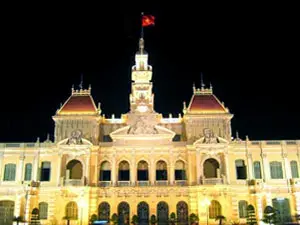
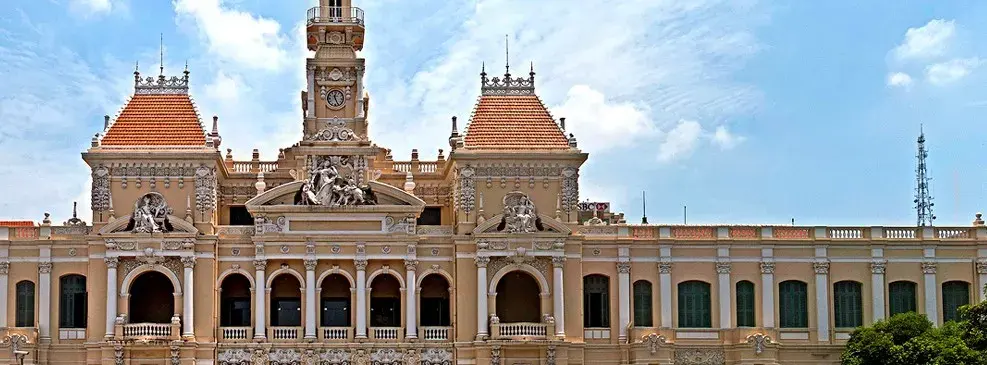
Formerly known as the Hotel de Ville and rebranded as the People’s Committee Hall, the City Hall is a strikingly beautiful French colonial building and an important monument to the Vietnamese. The entrance is a popular place to have your photograph taken by the statue of Uncle Ho.

alt

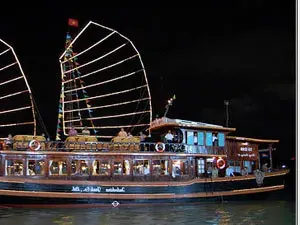
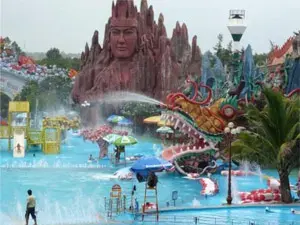
The Bink Quoi Tourist Village was built in 1994 by the Saigon Tourist Corporation. It is the largest tourist attraction in all of Ho Chi Minh City, offering an evening dinner cruise with a cultural show. The tourist village offers a lot of activities to pass time as well as hosting puppet shows and boat rides.

alt

This club was once used by French colonists. It is shaded by trees and has a number of tennis courts, a swimming pool, a gymnasium and table tennis facilities. Early in the mornings, the art of thai cuc quyen [slow-motion shadow boxing] is practiced.

alt

The Fine Art Museum is widely known for its spectacular range of artifacts including contemporary paintings, some of which can be bought. A wide variety of art exhibits, including Khmer, Cham and Indian works of art are also displayed. This museum is just a few blocks from the famous Ben Thanh Market.

alt

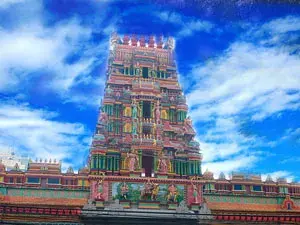
The Mariamman Hindu Temple is approximately 3 blocks from the Ben Thanh Market and was built in the 19th century and dedicated to the Hindu goddess, Mariamman.

alt

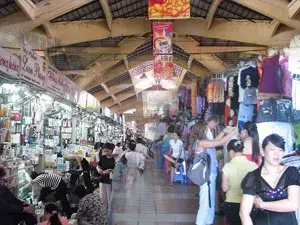
The Ben Thanh Market is the biggest attraction in Ho Chi Min City for all tourists as it is the main shopping centre and everyone visiting Vietnam comes here looking for bargains. The market is very well organized with an array of stalls arranged in sections according to what they sell. The Ben Thanh is also huge on souvenir shops.

alt

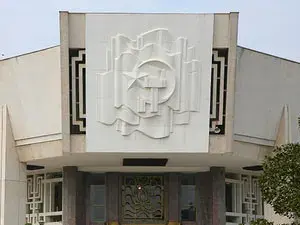
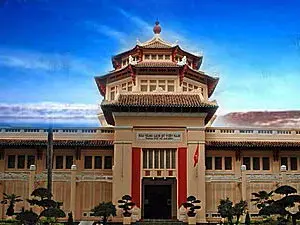
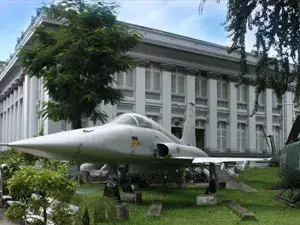
Formerly known as the Revolutionary Museum and housed in the former building of the Government of Cochinchina, the Ho Chi Minh City Museum contains valuable artifacts from the Communist period. Here visitors can view weapons, medals, uniforms and photographs portraying the Communist struggle between the French and the Americans. Outside the museum stands a military collection that includes a helicopter and a tank.

alt

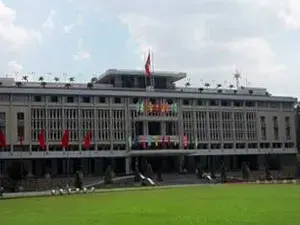
The Reunification Palace, once referred to as Norodom’s Palace and Independence Palace, is a monument of great historic importance to the Vietnamese and the site of many power transfers. First built and used by the French Governors General, the original palace later became the residence of the Prime Minister Ngo Dinh Diem but was leveled and rebuilt after heavy damage in attacks by the Saigon army. In 1975, a North Vietnamese tank crashed through the gates and this event would symbolize the fall of Saigon and mark the end of the Vietnam War. The tank is still there to date. The rooms, including the president’s headquarters, are open for the public to view. One fascinating aspect of the palace is the underground tunnels that lead to a telecommunications center.

alt

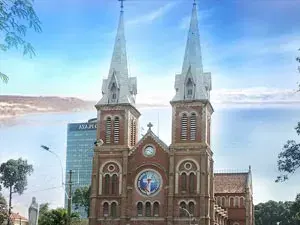
This cathedral, with its two bell towers, was built between 1863 and 1880 and remains a famous landmark of Ho Chi Minh City. Right in front of the cathedral is a garden with a beautiful statue of the Virgin Mary. Though the cathedral’s interior is rather plain, it’s still a beautiful structure and notable because of its historical significance.

alt

The Xa Loi Pagoda is the largest in Ho Chi Minh City. It was built in 1956 and was said to contain ‘Xa Loi’ – sacred bones or rather fragments of them from The Buddha. The pagoda was the center of political protest in the 1960s, when monks and nuns inside were attacked, resulting in the deaths of thousands of Buddhists.

alt

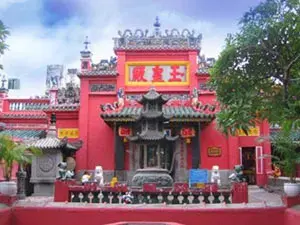
The Jade Emperor Pagoda is one of the most elegantly decorated pagodas in Ho Chi Minh City and is dedicated to several Chinese-Vietnamese divinities. A collection of statues, wood carvings and fancy tiles on the roof are also an attraction.

alt

Previously known as the Museum of American War Crimes, this museum houses instruments of torture and photographs of atrocities committed during the Vietnam War, explaining the use of napalm, Agent Orange and the My Lai massacre. In the front of the museum is a collection of military hardware and the mobile guillotine used by French colonists before World War II.

alt

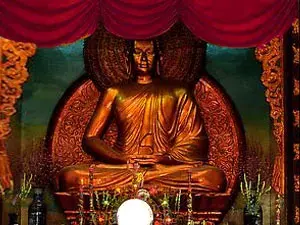
Despite being one of the oldest pagodas in the city, Giac Lam Pagoda, which has been remodeled a couple of times, is very well-maintained. The temple’s elaborate decorations reflect a combination of Taoist, Confucian and Buddhist influences and its centerpiece is a statue of Amitabha Buddha. With its gardens and tall bodhi tree, the peaceful Giac Lam Pagoda is a wonderful place for relaxation and contemplation.

alt

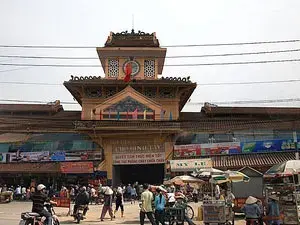
This market is bustling with people from morning to night. It is always crammed with people and is one of the best places to see the locals in their daily routines. Consumer items are plentiful, along with medicines, spices, produce and poultry, and the sound of bargaining in Chinese fills the air.

alt

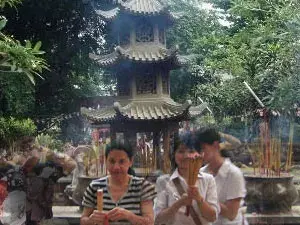
The Thien Hau Pagoda is a must-visit in Cholon. It is dedicated to the Chinese goddess Thien Hau, who is known as the protector of seafarers. Regular festivals are held here and the place is always packed with worshippers while the smell of incense hangs in the air.

alt

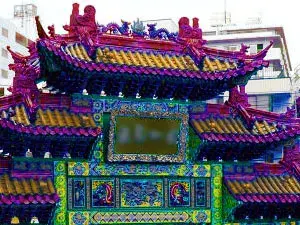
Inhabited by the largest ethnic minority in the country, the Chinese of Vietnam, Cholon is a bustling commercial center and a distinctly different city from Saigon. Within the district, where you can find shops, temples and restaurants, make sure to check out Binh Tay Market, which sells medicines, spices, fresh produce and poultry and the temples around it- Qun Am and Thien Hau, as well as Cha Tam, the Catholic cathedral and the Cholon Mosque.

alt

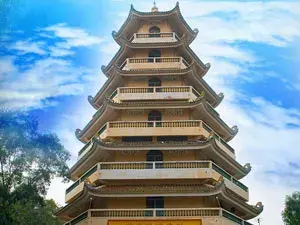
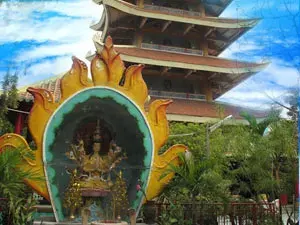
Built in 1962, this 7 story high pagoda is situated next to a children’s amusement park. It holds a beautiful shrine and statues of Buddha while gardens and lakes surround it.

alt

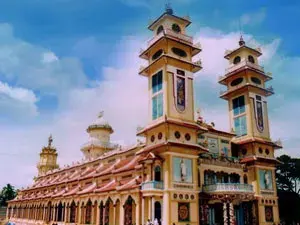
60 km northwest of Ho Chi Minh City is the Great Temple or Holy See of the Cao Dai religious sect, a uniquely Vietnamese religion that combines aspects of Buddihism, Taois, Confucianism and Catholicism and regards Buddha, Confucius, Jesus, Muhammad, Julius Caesar, Victor Hugo, Joan of Arc and Sun Yat-Sen as some of its saints. The temple was built between 1933 and 1955 and is colorfully and extravagantly decorated. Visitors are welcome during the ceremonies, though they must wear pants or skirts down to the knee and remove their shoes within the temple.