Skip to content
Ho Chi Minh City
Ho Chi Minh City

Festivals and Annual Events

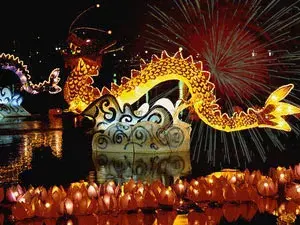
Ho Chi Minh City is a city of festivals and fetes. The events are exotic and distinct in their own way and portray Vietnamese culture with grandeur. The ideal time to visit this bustling city is during the months of January and February, when the weather is cooler. This is also the time for the famous Tet Festival. The Tet Festival is the highlight of the Vietnamese festivals which is celebrated with a lot of pomp and ceremony. Usually falling between the 19th of January and 20th of February, the Tet Festival is celebrated for a week in the south. It is the biggest festival celebrated and marks the Lunar New Year. The beginning of the New Year is believed to be the most auspicious time to start any venture and tourists planning a trip to Ho Chi Minh City during the Tet Lunar New Year festivities must be well prepared and have bookings far in advance for accommodation and transport.
11 results

City overview
alt

Ho Chi Minh City is a city of festivals and fetes. The events are exotic and distinct in their own way and portray Vietnamese culture with grandeur. The ideal time to visit this bustling city is during the months of January and February, when the weather is cooler. This is also the time for the famous Tet Festival. The Tet Festival is the highlight of the Vietnamese festivals which is celebrated with a lot of pomp and ceremony. Usually falling between the 19th of January and 20th of February, the Tet Festival is celebrated for a week in the south. It is the biggest festival celebrated and marks the Lunar New Year. The beginning of the New Year is believed to be the most auspicious time to start any venture and tourists planning a trip to Ho Chi Minh City during the Tet Lunar New Year festivities must be well prepared and have bookings far in advance for accommodation and transport.
alt

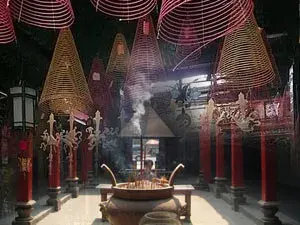
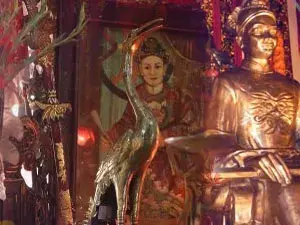
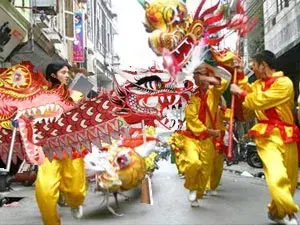
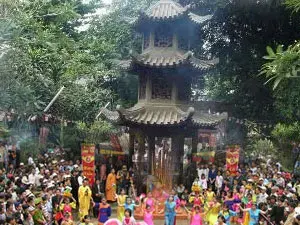
The Thien Hau Pagoda festival is celebrated in the famous Thien Hau Pagoda, with reverence to the Lady Thien Hau. Originally a Chinese deity, she is held in high regard in seafaring communities and is believed to offer protection to sailors. People regularly come to this pagoda to pray for a better life and during the festival, a lion dance is performed in the yard of the pagoda.

alt

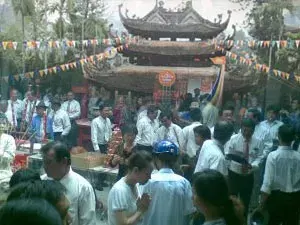
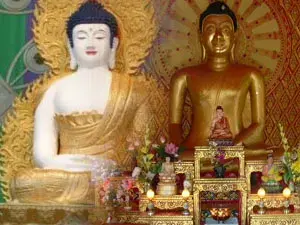
An event of great importance in Ho Chi Minh City is Buddha’s Birthday Festival, which is celebrated on the 15th day of the Fourth Lunar Month. In Ho Chi Minh City this festival is lavishly celebrated in the Nghia An Hoi Quan Pagoda. The temple is exquisitely decorated, while monks move in processions through the streets. The celebrations are held on the night of the May full moon and visiting the temple a week before these begin is advisable.

alt

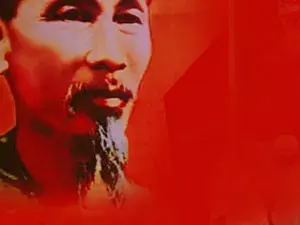
Credited as being the founder of the Viet Minh independence movement in 1941 and establishing communist control in part of Vietnam in the 1950s, Ho Chi Minh (May 19, 1890 – September 2, 1969) was a Vietnamese revolutionary, who was later appointed as Prime Minister (1946–1955) and then went on to become President (1955–1969) of the Democratic Republic of Vietnam. The name Ho Chi Minh means "he who enlightens." This festival, honoring Ho Chi Minh’s is celebrated on his birthday, the 19th of May.

alt

This festival is celebrated in the Nghia An Hoi Pagoda that is dedicated to Quan Cong an eminent Chinese officer during the Three Kingdoms period. The Chinese community, such as the Hoas and Kinh, visit this pagoda annually to commemorate this special festival, which is celebrated twice a year-on the 15th of the 1st lunar month and the 24th of the 6th lunar month (July). Once the prayers are over, various non-religious activities take place on the grounds of the pagoda.

alt

The Le Van Duyet Temple Festival is a very auspicious festival for the Vietnamese. It is celebrated on the death anniversary of national hero Le Van Duyet and honors him and his wife. His death anniversary is usually held on the 1st day of the 8th lunar month and sometimes proceeds for a few days after the official ceremony. Traditional Southern Vietnamese rituals are performed, including the burning of incense, an opera performance or even consultation with the oracle about one’s life, marriage, work, etc.

alt

The National Day on the 2nd of September celebrates Ho Chi Minh’s proclamation of freedom for Vietnam in 1945.

alt

The liveliest festival celebrated in Ho Chi Minh City is the Mid Autumn Festival, which is usually celebrated by children and comparable to Halloween without the ‘evil spirit’ connotation. Small children carrying colorful lanterns go on procession around the city and are showered with gifts and boxes of moon cakes.

alt

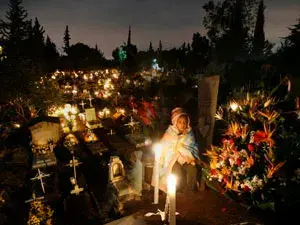
The Wandering Souls Day is the second most important festival celebrated in Vietnam. On this sacred day, offerings like food and other gifts are made to honor the ‘wandering souls’ or the ‘souls of the forgotten dead.’ The most amazing feature of this festival is in the Giac Lam Pagoda in Ho Chi Minh City - the Tree of Wandering Souls. People come here specifically to pray for their sick relatives by writing the names of friends and family on little pieces of paper and sticking them to the tree.

alt

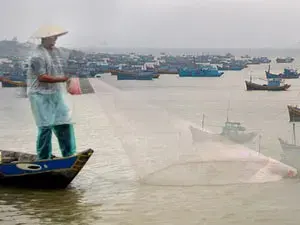
On the 16th day of the 8th lunar month, the very important Fisherman’s Festival is held in the midst of Can Thanh in the Cana Gio District. Fishermen partake in the festivities rather than going out to catch fish on this day honoring the whale, a friend of seafarers. Fishing boats and harbors are extravagantly decorated and lit on this day.

alt

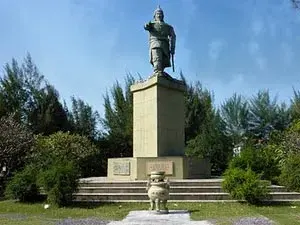
Tran Hung Dao was a Vietnamese Grand Commander-in-Chief in the 18th century and was said to be one of the very few generals in history to have never lost a battle or war under his command. Special rituals and prayers are conducted annually on the 20th day of the 8th lunar month in memory of the Vietnamese hero.