
A long time ago, around the sixteenth century, Shah Abbas I decided to make Isfahan the capital of the Persian Safavid Empire. He also decided to give the city a new structure through which to express his loyalty to its citizens, combining Persian and Islamic symbols. This structure now stands in a very spacious square surrounded by buildings, mosques and markets, and the square is the beating heart of the city today. It has become the city's cultural and economic centre, with the congregational mosque beside it. The square is also known as Meydan Shah or Imam Square. It was built over an area of 8 hectares between 1590 and 1595. Its original purpose was to host grand processions, public celebrations, ceremonies and sporting events, including polo, which became very popular among residents. In 1602 a gallery was built along three sides of the square for economic activities that would help maintain it, while providing a diverse cultural setting during the day. The walls were covered in multicoloured tiles, adding a shimmering effect, particularly when the sun shines on them in the early morning and late evening. The square remains radiant today, always reminding us of the Safavids who built this wonderful, distinctive architectural work. Naqsh-e Jahan Square is the world's second-largest square by size, after the famous Tiananmen Square in China, and brings together some of Iran's prominent tourist sites. Its galleries are not currently used, but reopening them to the public as a cultural museum portraying Isfahan's rich historical heritage is being considered. The best time to visit is 3-4 pm, when afternoon trading begins and tourists and residents start arriving at the square's many cafes. There are several fountains, and the cool breeze refreshes exhausted visitors, such as those travelling through the desert. When evening arrives, the city becomes a glowing mass of lamps, with around 50000 lights lit at night.
Top places to visit
Isfahan is not a city geared specifically towards children. The air around the city is formal, sober, and one of intellect and reverence rather than frolic and merrymaking. The lack of amusement opportunities within the city is somewhat of a downside when you are bringing along a family with toddlers. The only best place you can take children is probably one of the numerous parks around the city. An evening of family-oriented fun for kids and adults alike will keep pestering kids at bay, while offering you relief from the pressures of the city center.
28 results
City overviewThis splendid complex lies west of Naqsh-e Jahan Square and includes the magnificent Ali Qapu gateway. Developed over a long period since the Safavid era, it encompasses several wonderful places, including royal residences, guest houses, embassies and green gardens. Each building in the complex is bordered by a landscaped garden, and there is a tree-lined walkway and precisely engineered water features. The gardens contain native plants. The complex also includes two towering structures dating from the fourth century, as well as Chehel Sotoun Hall, Hasht Behesht Palace and other surviving structures, such as houses, stables and the Grand Talar Tavila, a columned pavilion that has survived over the years and is no longer open to public visits.
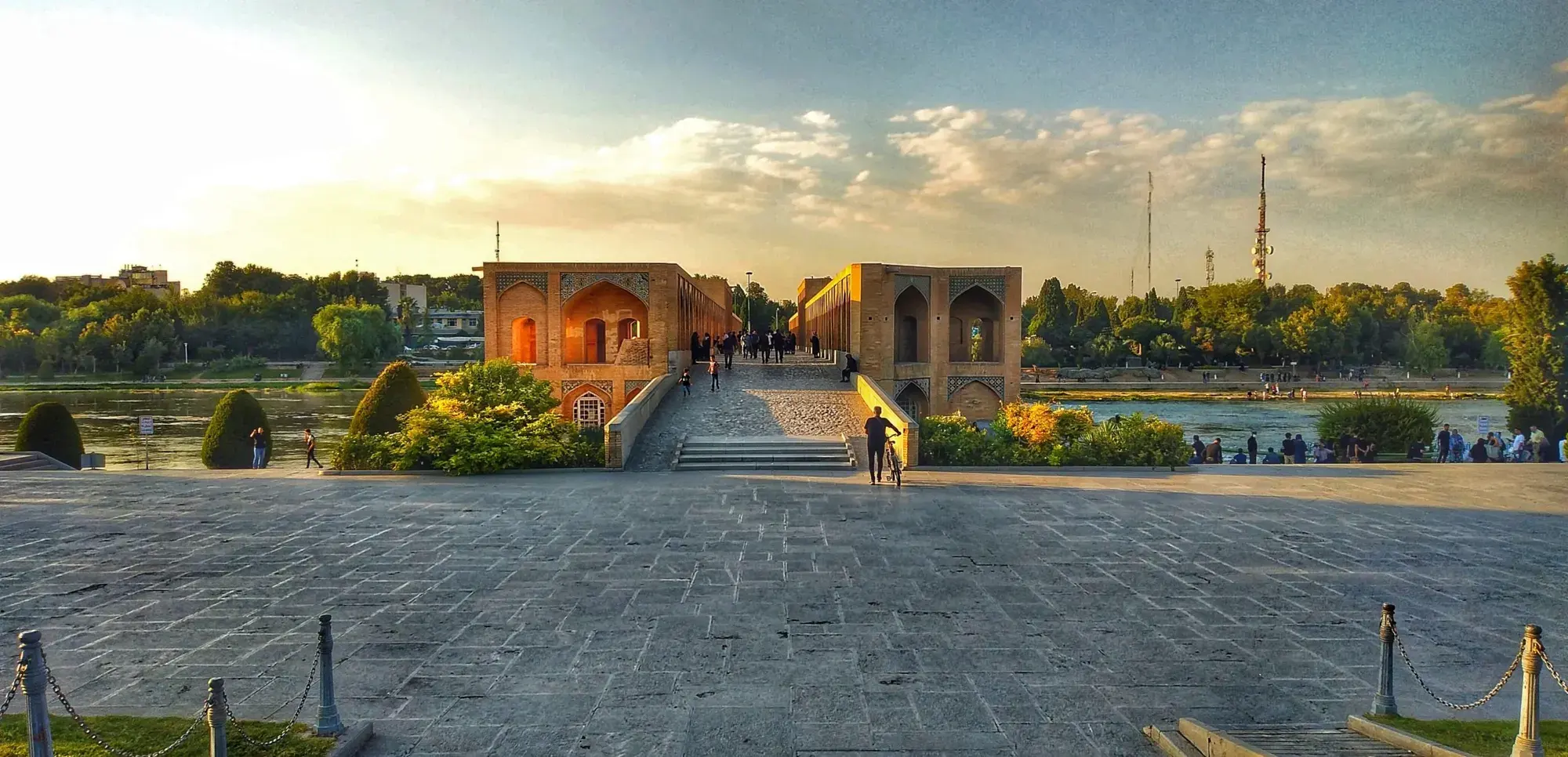
The word Zayandeh translates literally as "giver of birth". The river is so named because it lies at the heart of the city, providing fresh water to residents and nourishing all the city's green areas, a task it has faithfully performed since settlers established themselves in the area. Walking in the river will refresh and invigorate your mind, and the river area includes many of the city's cultural sites. Do not miss the chance to glimpse the residents and the way they crowd this spot, coming here in their leisure time. Around 25 bridges span the river. About 7 have great historical significance and are popular tourist attractions. The rhythmic harmony between the bridges, together with their brown-stone arches reflecting the sun's brilliance, is striking. At night they are illuminated and look like butterflies dancing above the lake. The wonderful, captivating sight of these bridges attracts many tourists and residents alike.