Overview & visitor information
Photo unavailable
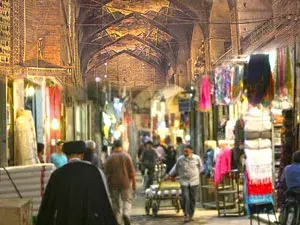
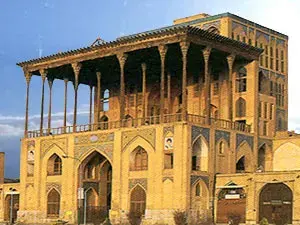
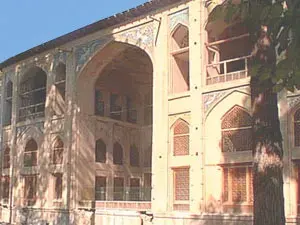
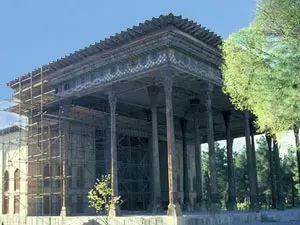
A long time ago, around the sixteenth century, Shah Abbas I decided to make Isfahan the capital of the Persian Safavid Empire. He also decided to give the city a new structure through which to express his loyalty to its citizens, combining Persian and Islamic symbols. This structure now stands in a very spacious square surrounded by buildings, mosques and markets, and the square is the beating heart of the city today. It has become the city's cultural and economic centre, with the congregational mosque beside it. The square is also known as Meydan Shah or Imam Square. It was built over an area of 8 hectares between 1590 and 1595. Its original purpose was to host grand processions, public celebrations, ceremonies and sporting events, including polo, which became very popular among residents. In 1602 a gallery was built along three sides of the square for economic activities that would help maintain it, while providing a diverse cultural setting during the day. The walls were covered in multicoloured tiles, adding a shimmering effect, particularly when the sun shines on them in the early morning and late evening. The square remains radiant today, always reminding us of the Safavids who built this wonderful, distinctive architectural work. Naqsh-e Jahan Square is the world's second-largest square by size, after the famous Tiananmen Square in China, and brings together some of Iran's prominent tourist sites. Its galleries are not currently used, but reopening them to the public as a cultural museum portraying Isfahan's rich historical heritage is being considered. The best time to visit is 3-4 pm, when afternoon trading begins and tourists and residents start arriving at the square's many cafes. There are several fountains, and the cool breeze refreshes exhausted visitors, such as those travelling through the desert. When evening arrives, the city becomes a glowing mass of lamps, with around 50000 lights lit at night.