Why visit
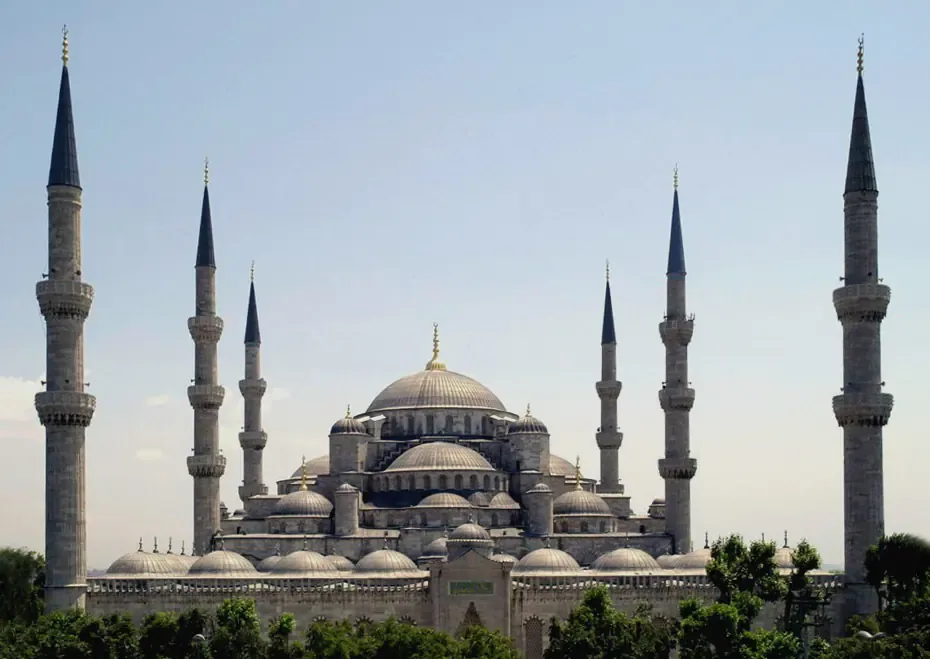
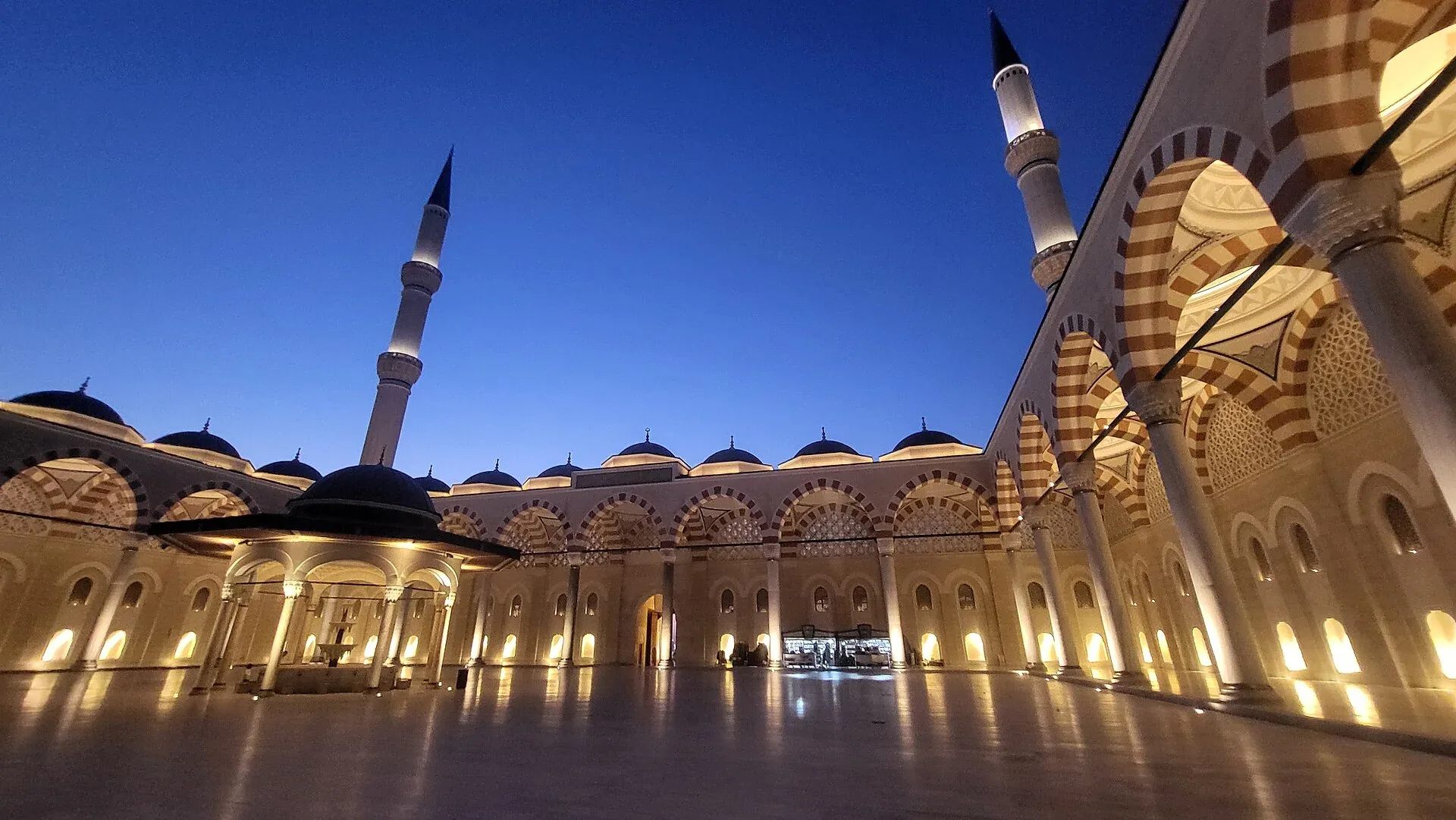
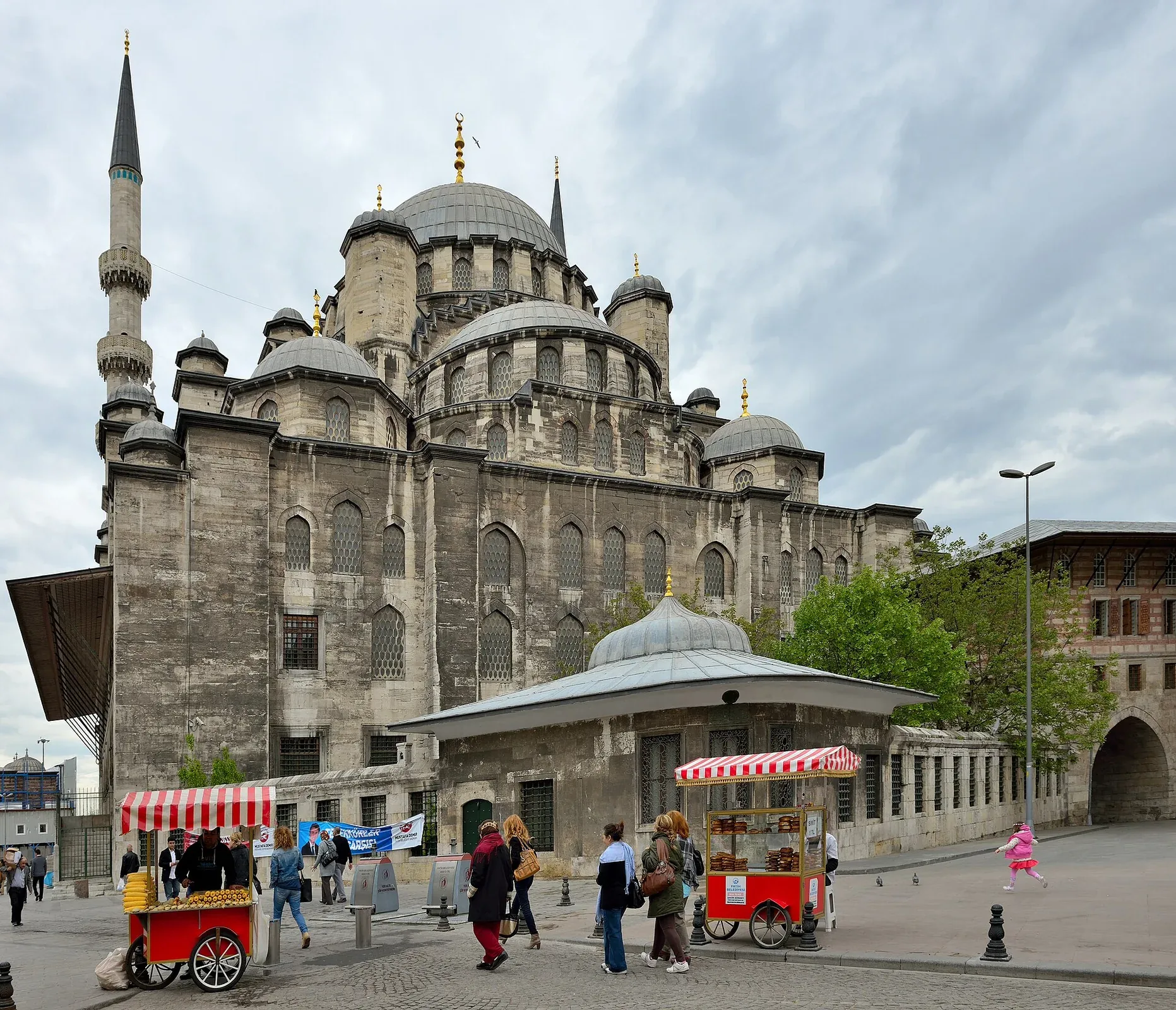
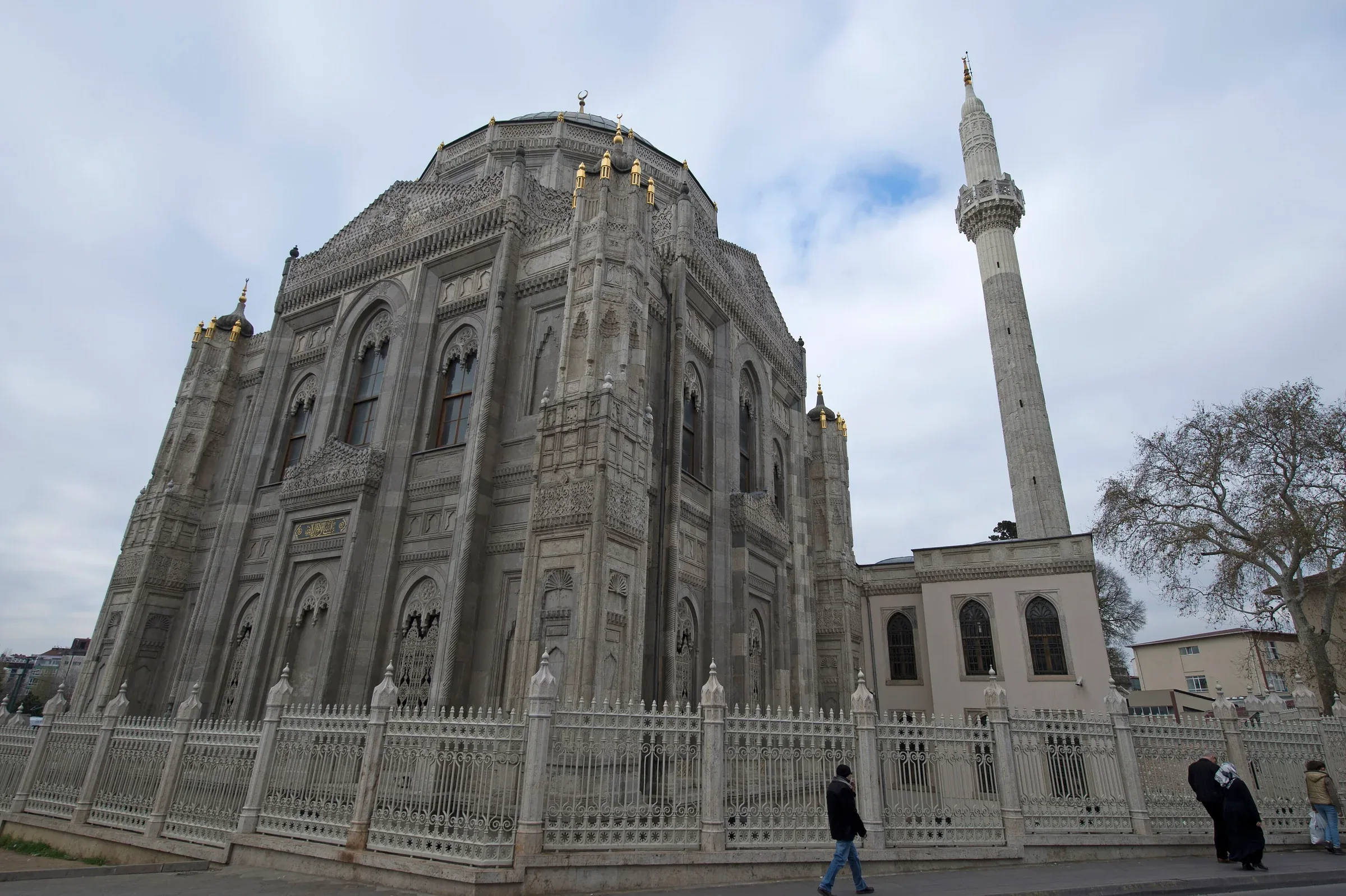
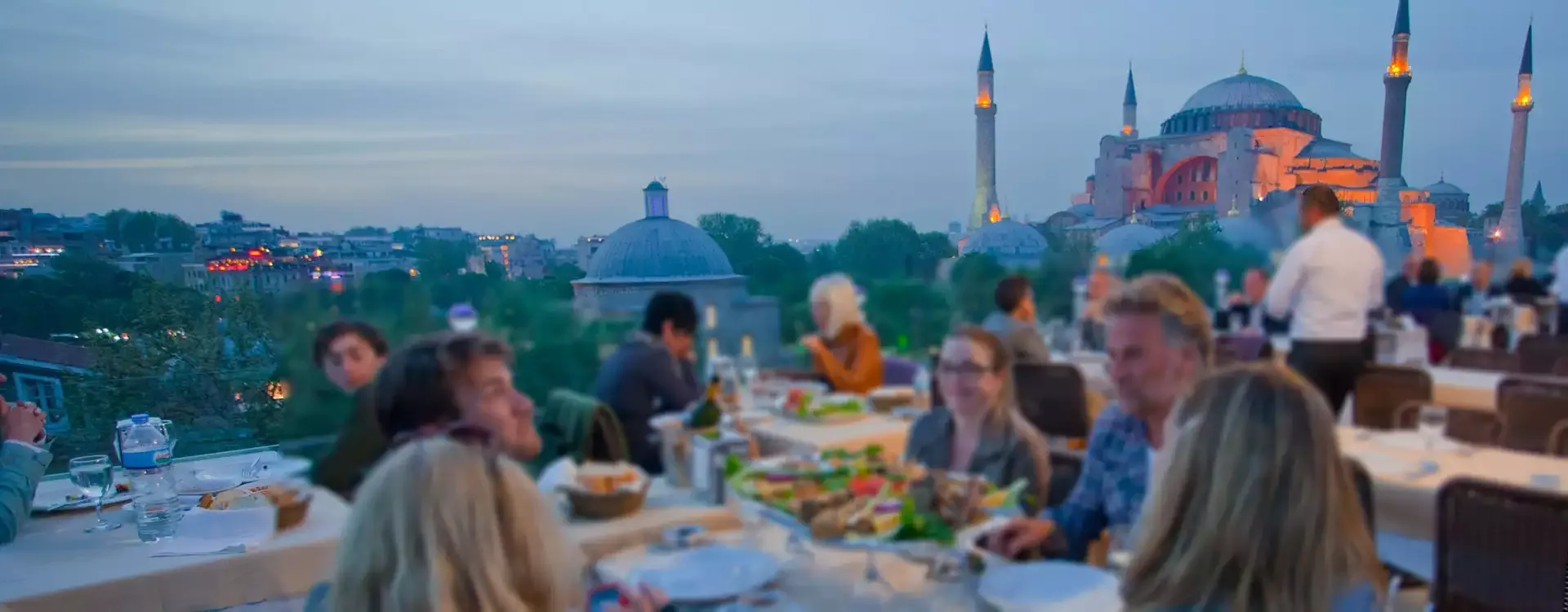
Hagia Sophia gives visitors direct access to fifteen centuries of unbroken sacred use. The enormous central dome and marble columns form an awe-inspiring prayer hall that still functions for worshippers, while respectful visitors are admitted between prayers once modest dress is observed.
What to expect
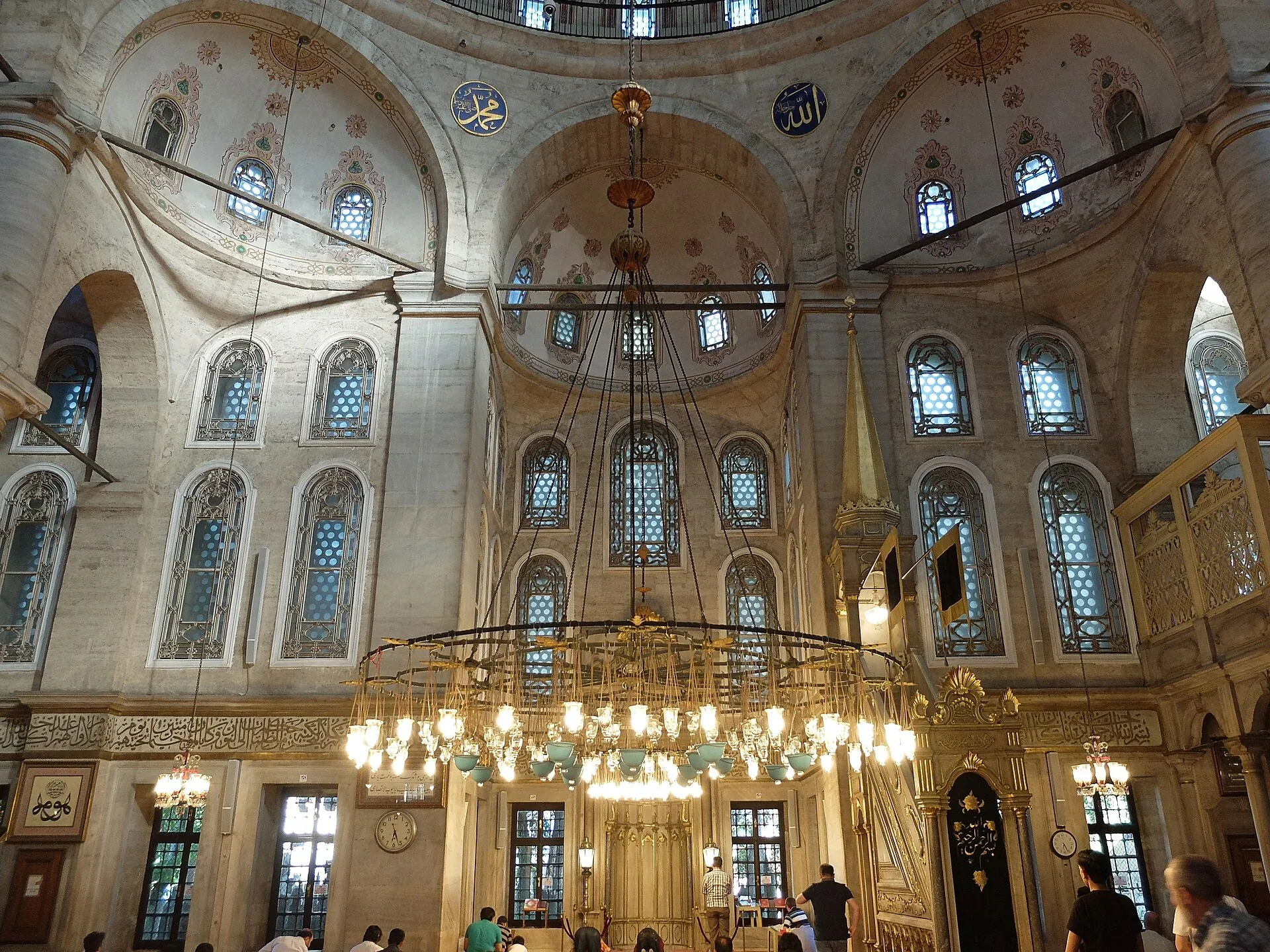
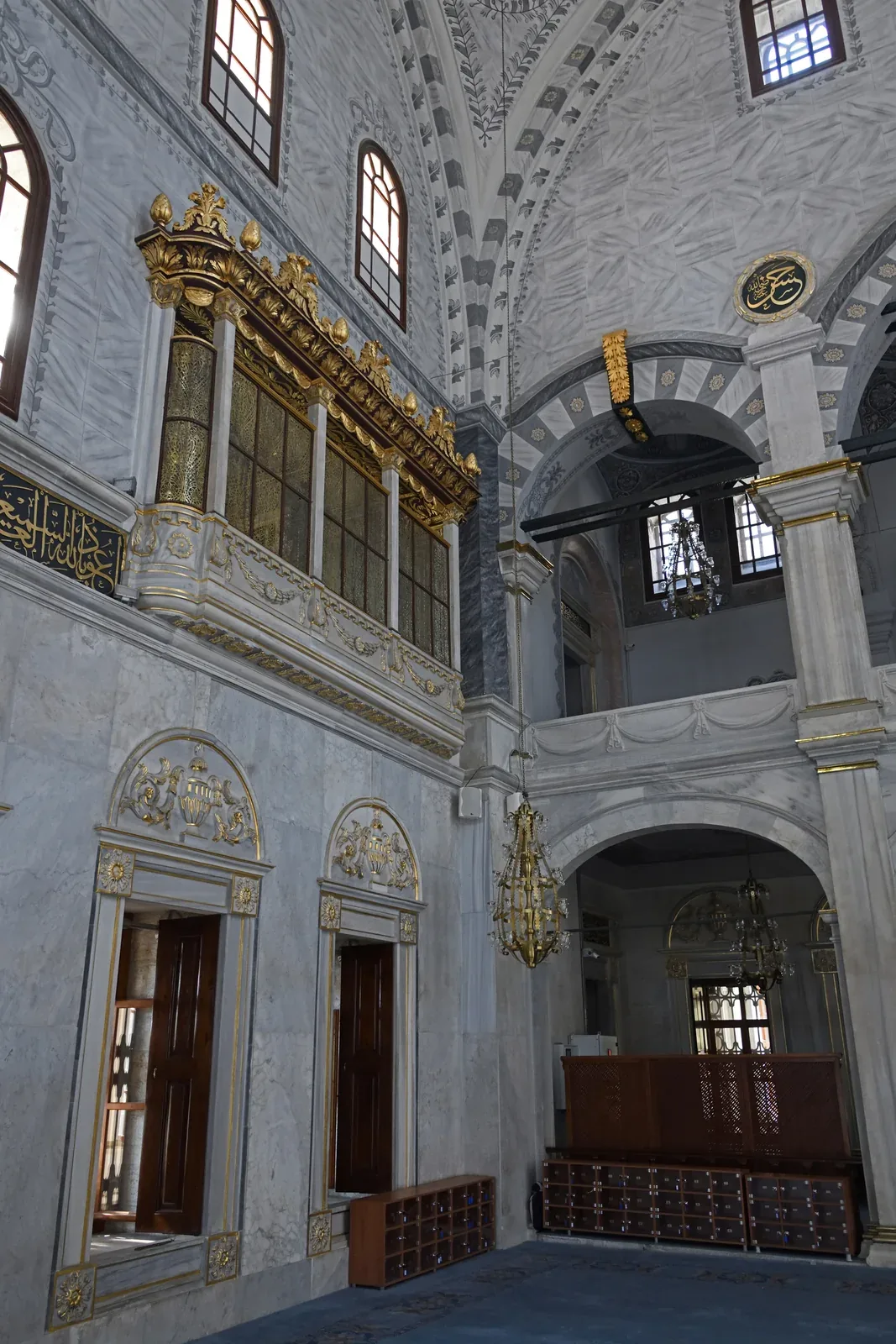
The mihrab and minbar added in the Ottoman period stand in the main hall, and surviving Byzantine mosaics remain visible in the upper galleries. Separate entrances and sections for men and women are clearly signed; modest dress is checked at the door and covers are supplied if required.
Visitor guidance
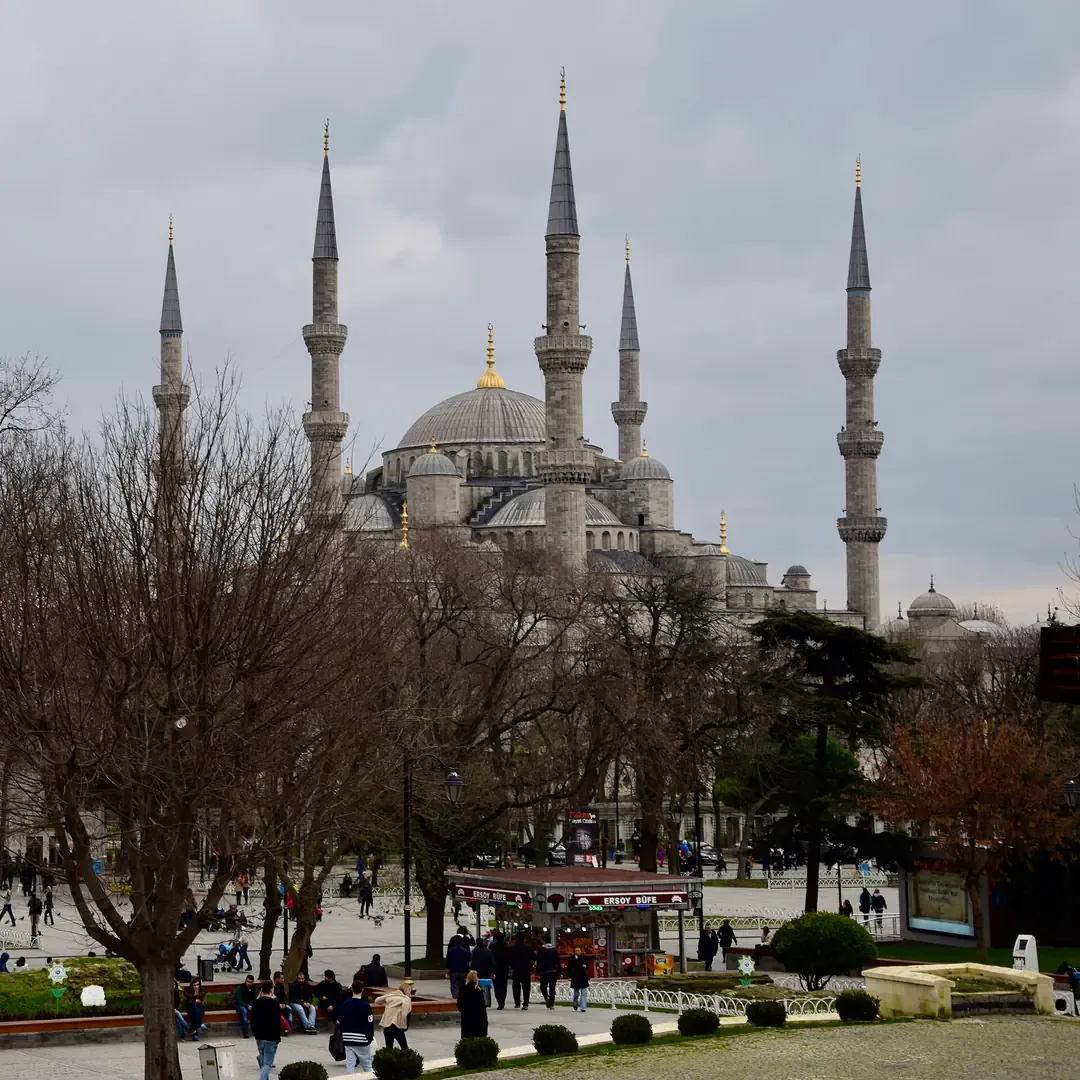
Visiting hours run from roughly 9:00am to 7:30pm, with 20-to-45-minute closures around each prayer and a longer midday break on Fridays. The building sits at the centre of Sultanahmet and links directly to tram stops, so it works as a straightforward starting point for a morning walk that can include the Blue Mosque nearby.
Good to know
Muslim travellers gain 24-hour prayer access outside tourist closures plus plentiful ablution facilities. The reconversion keeps worship as the priority while still allowing visitors between prayers; arriving early helps avoid tour groups and lets you hear the acoustics in quieter moments.
Good to know
Hagia Sophia Grand Mosque in sultanahmet should be read as a flagship stop in Irhal's Istanbul guide, with mosque masjid value tied to neighborhood logic, visitor effort and whether it helps a traveller build a cleaner day. The strongest use is to decide why this stop belongs in the route, what kind of traveller it suits, and what should be verified before committing time or budget.
Good to know
For practical planning, current timing guidance is Daily approx. 9:00am-7:30pm; closed during prayers (20-45 min) and extended Friday midday closure, the budget signal is free. These details should still be checked close to travel dates, especially during Ramadan, Turkish public holidays, school breaks and peak summer visitor periods.