Why visit
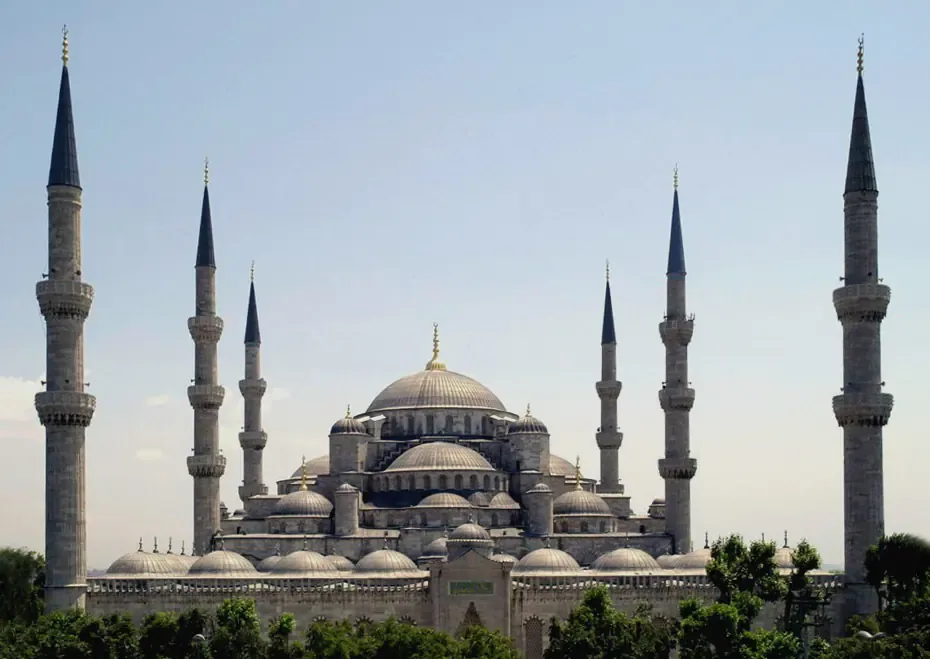
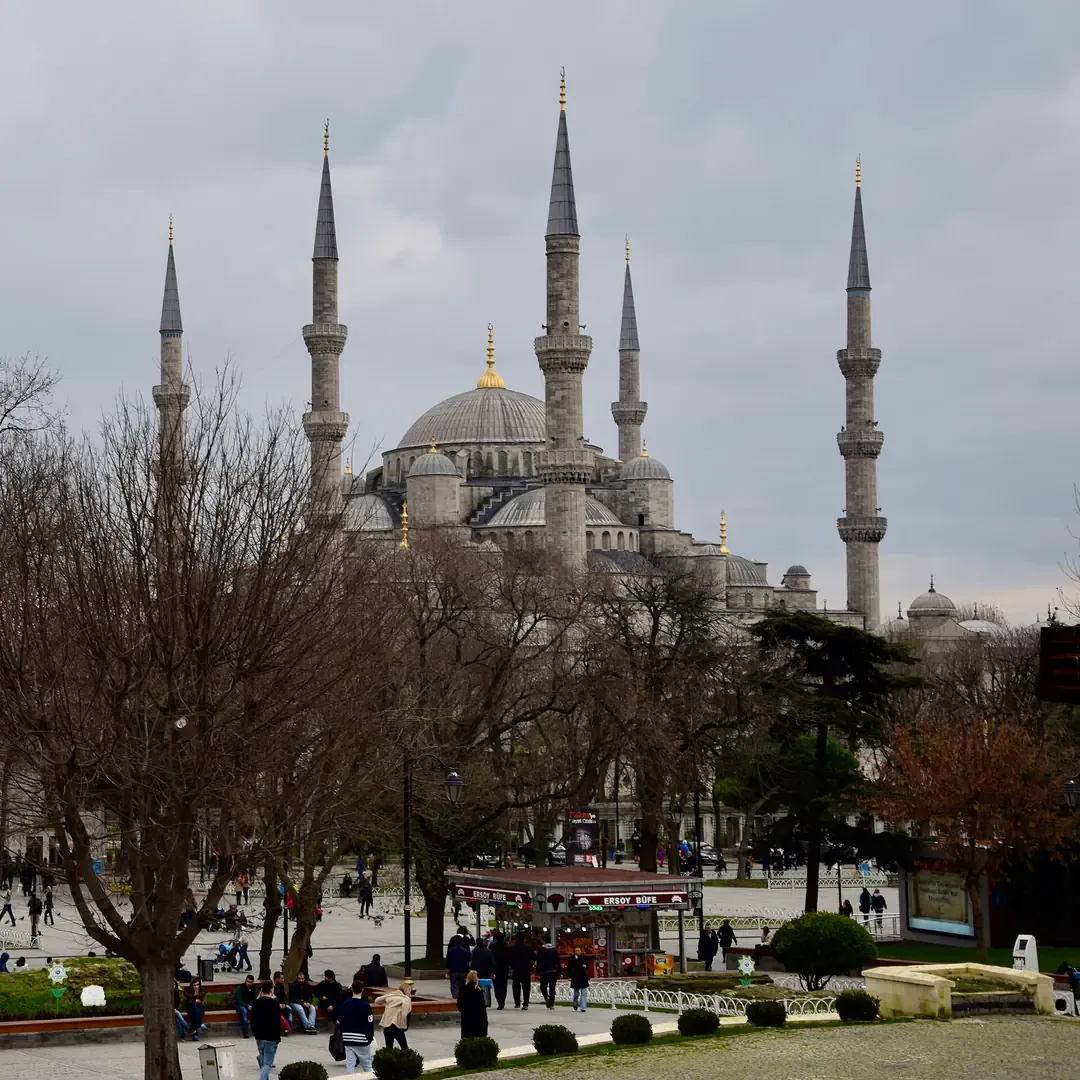
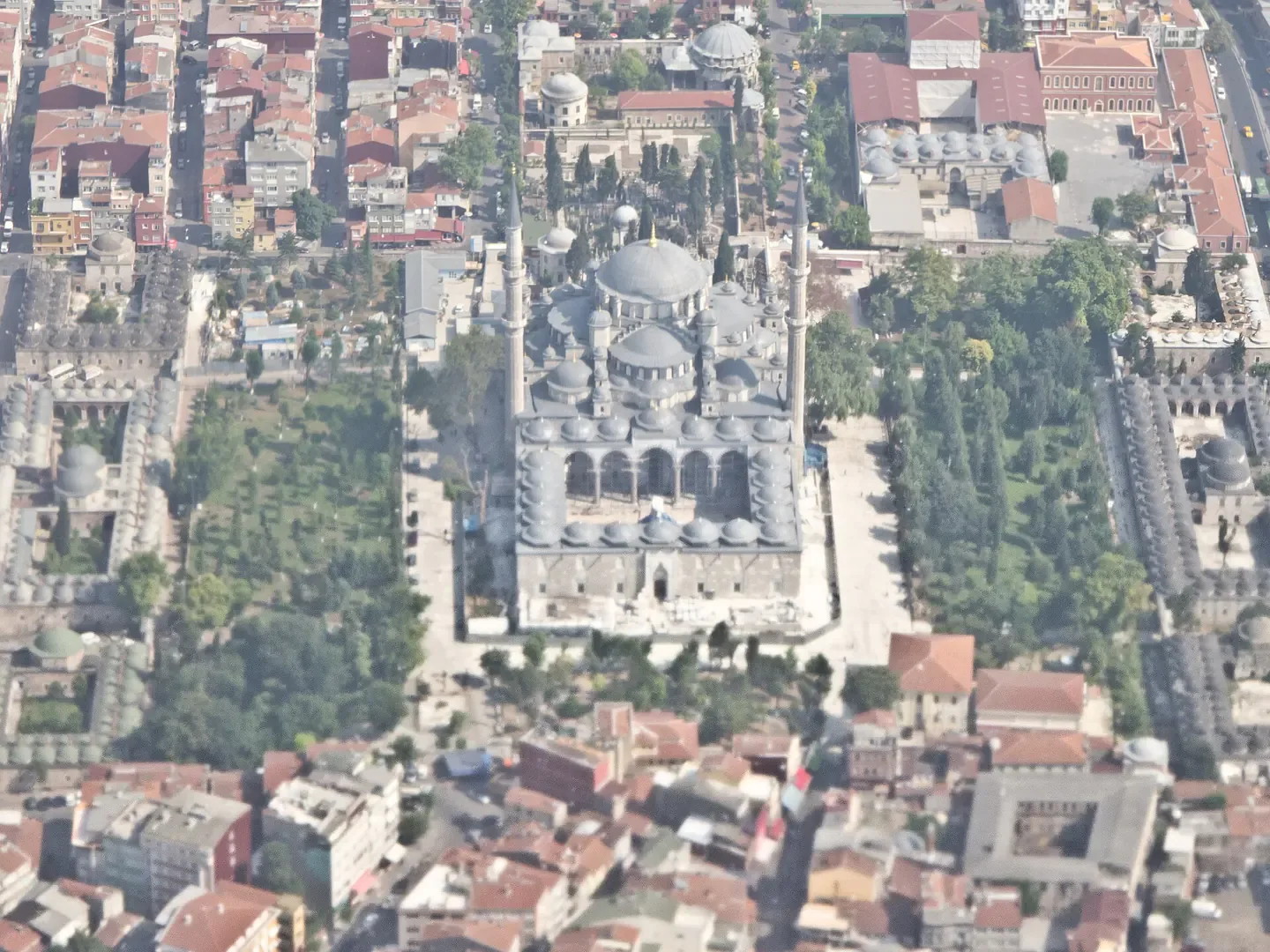
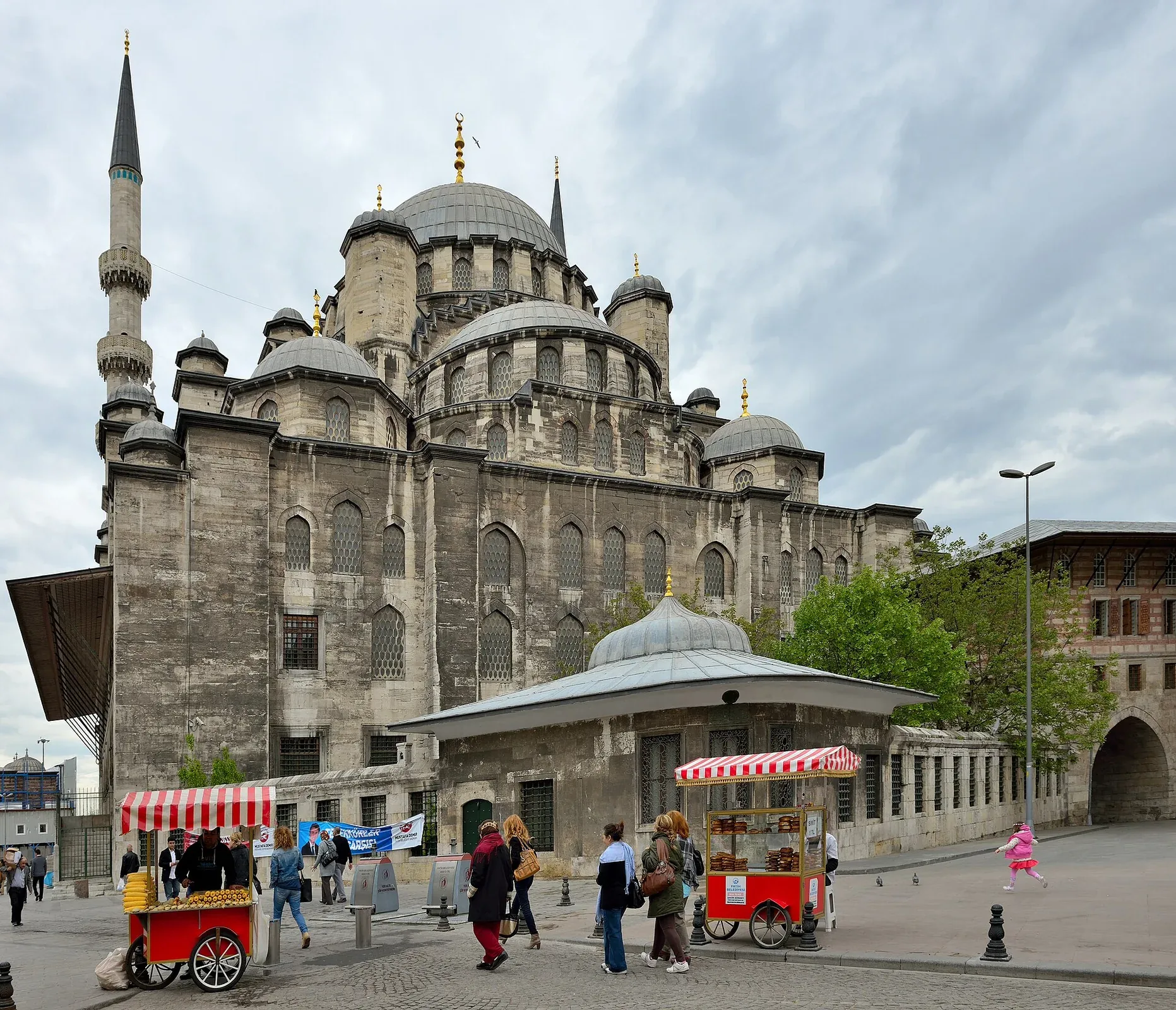
The Blue Mosque stands directly across from Hagia Sophia and anchors the historic peninsula's skyline with its six slender minarets and cascading domes. Built between 1609 and 1617 by Sultan Ahmed I, it remains one of Istanbul's most visited functioning mosques, drawing both worshippers and first-time visitors who want to experience Ottoman imperial scale in daily use.
What to expect
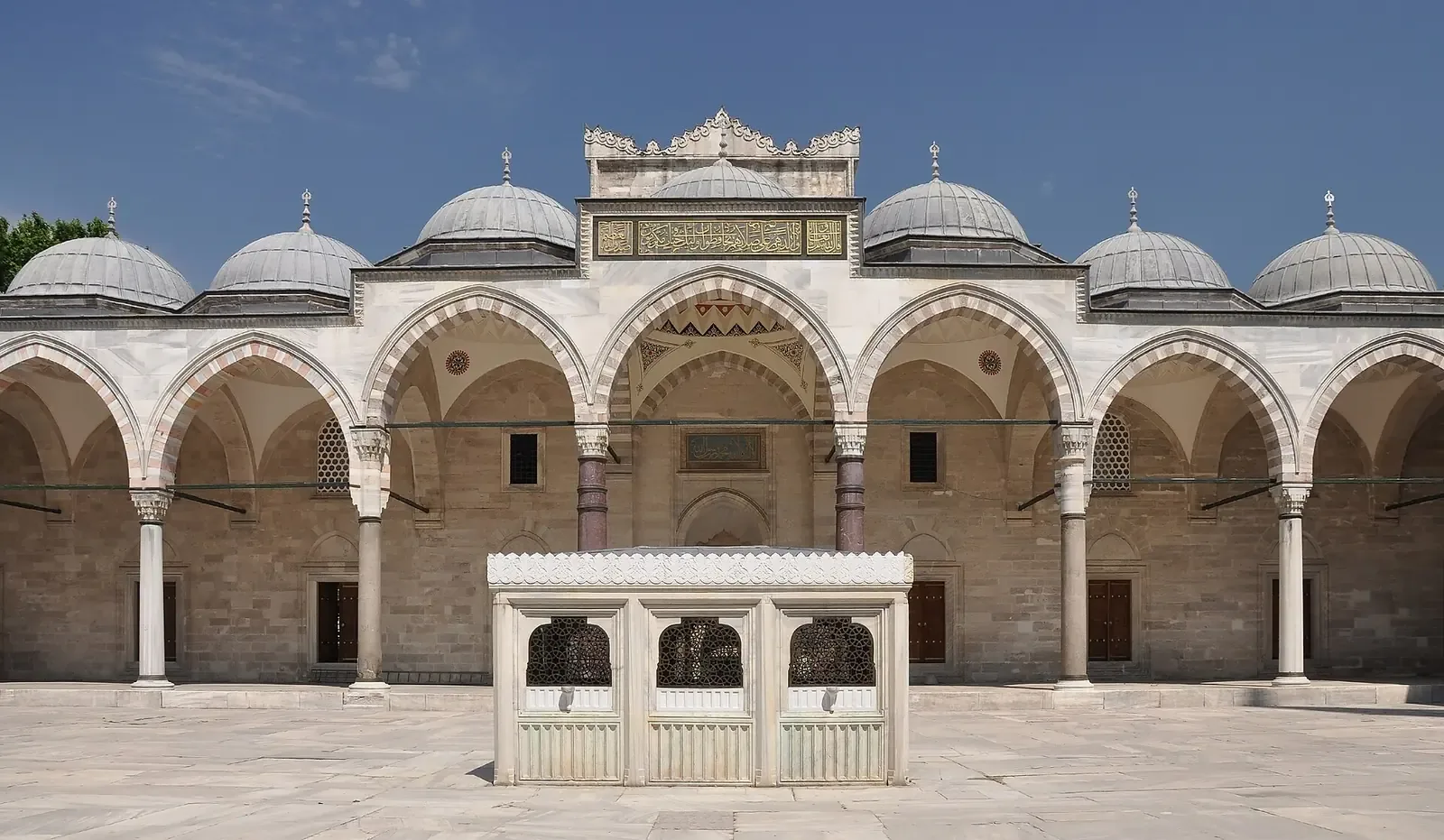
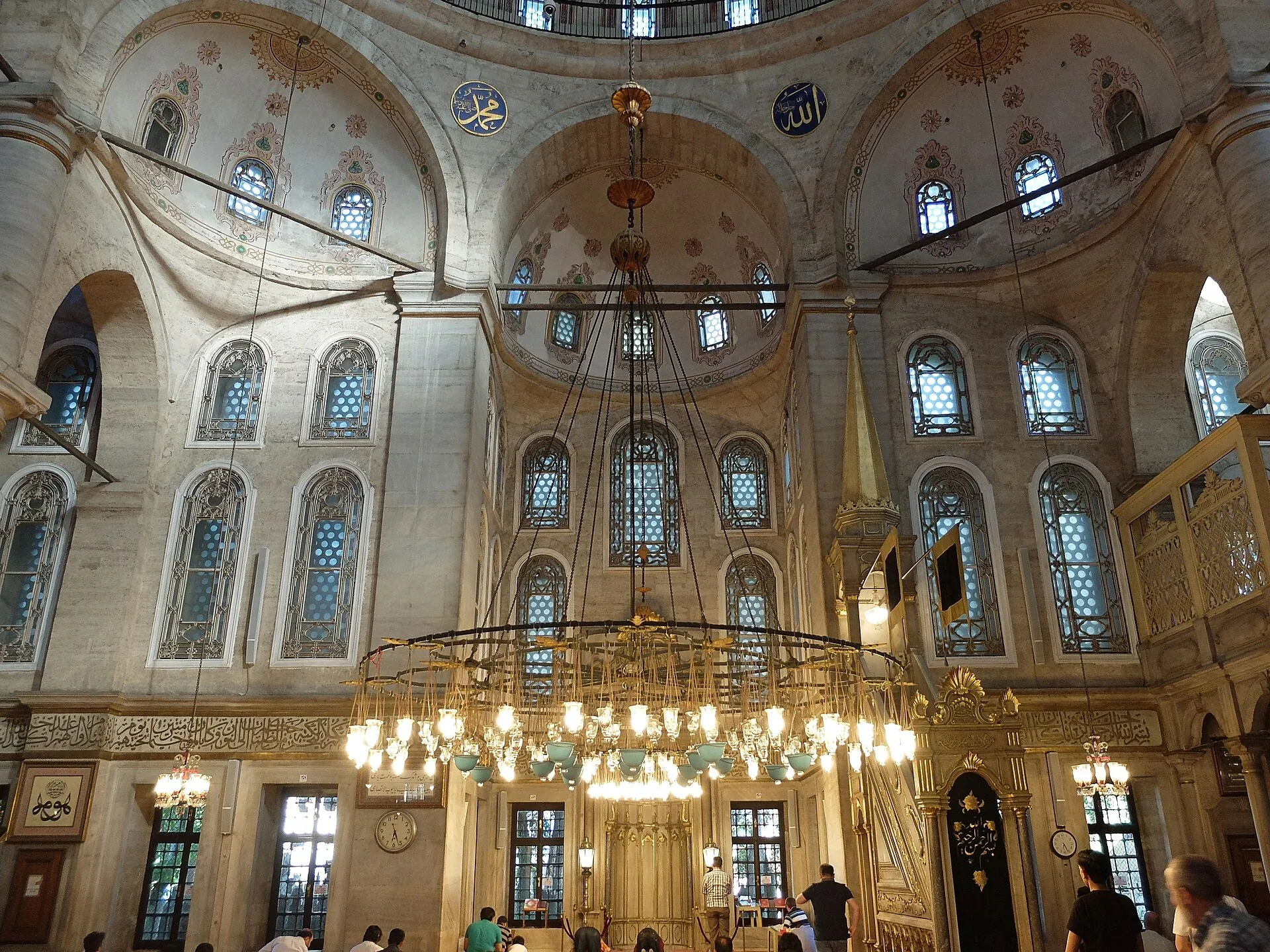
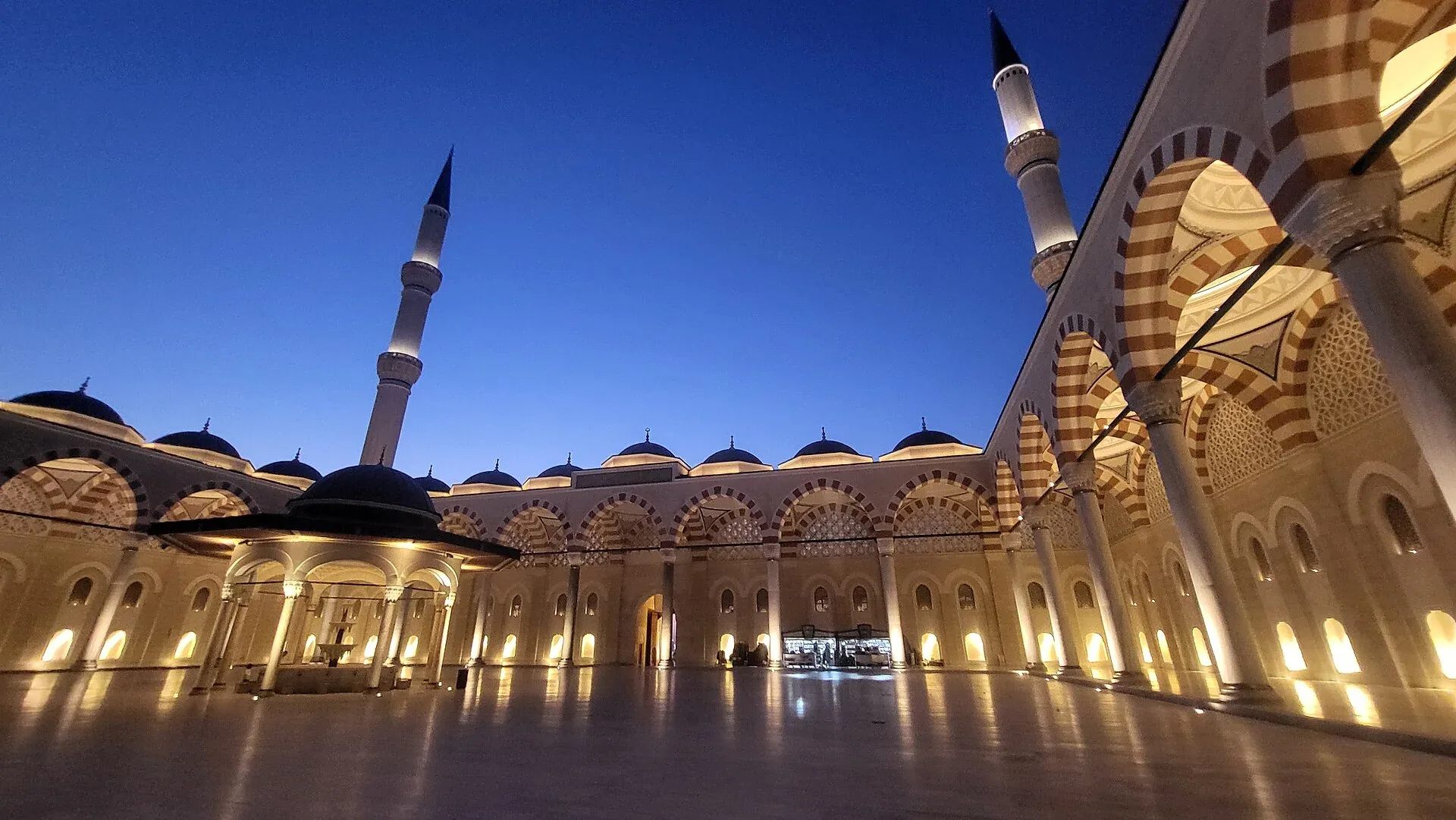
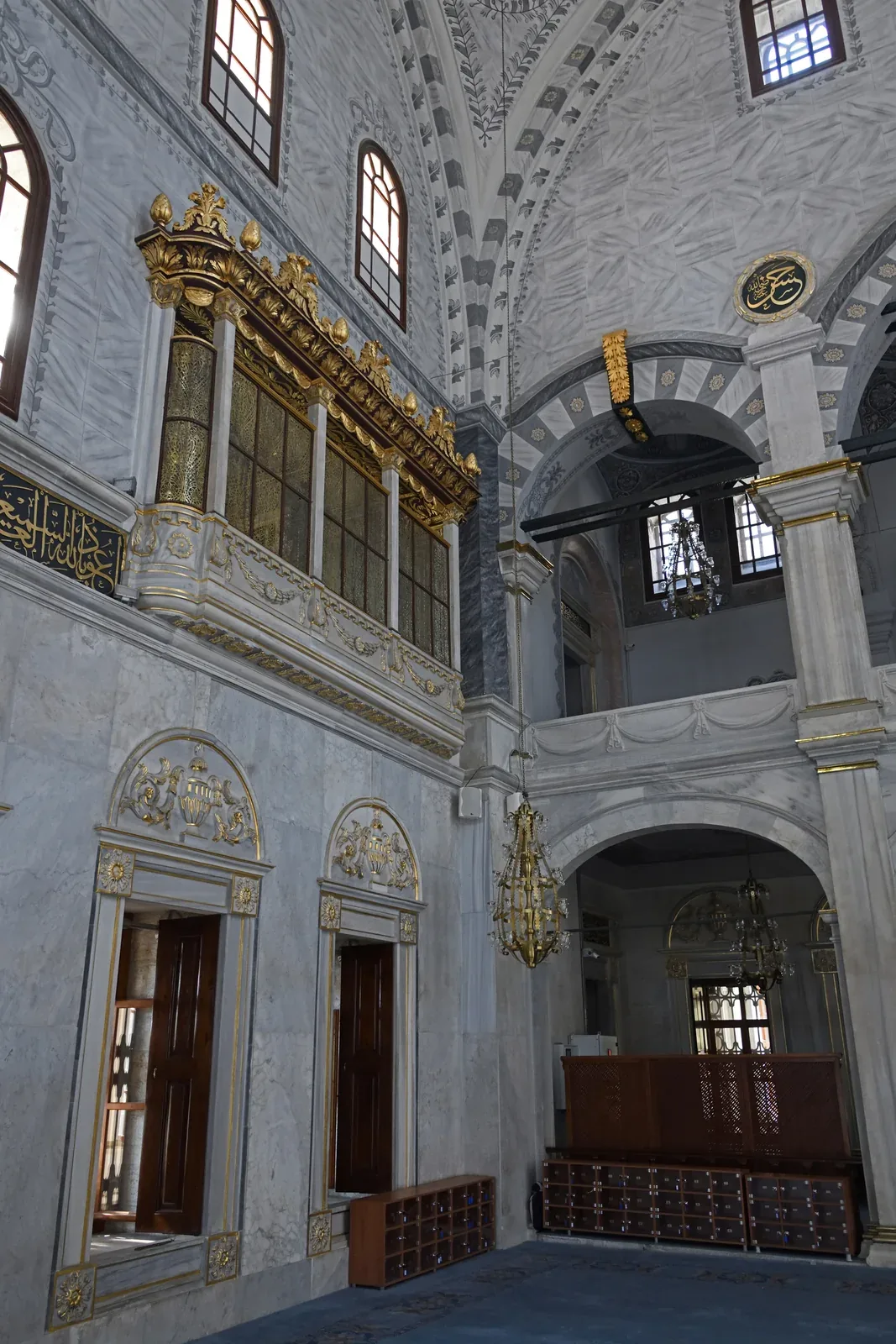
Inside, more than 20,000 hand-painted Iznik tiles in blue and white dominate the prayer hall, while the central dome rises 43 metres. The vast courtyard with its octagonal fountain and arcaded colonnades offers quiet space for reflection before entering; women and men pray in separate sections, with clear signage and staff guiding modest dress compliance at the entrances.
Visitor guidance
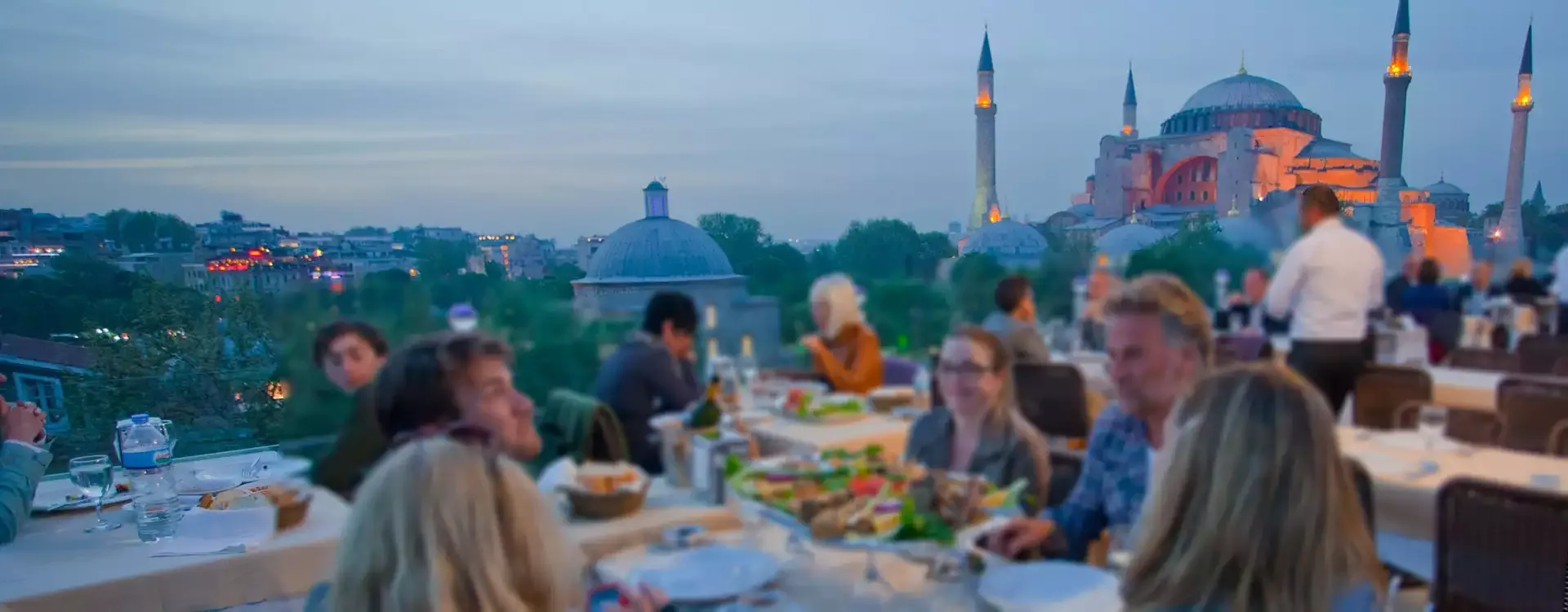
Tourist access pauses for roughly 90 minutes around each of the five daily prayers, and the mosque stays closed to visitors until after Friday noon prayer. Arrive early morning or mid-afternoon windows for the calmest experience. Shoes are removed and placed in provided racks; scarves and covers are available at the gate if needed. The site sits steps from tram stops and pairs naturally with Hagia Sophia visits the same morning.
Good to know
Muslim travellers appreciate the active congregational atmosphere outside prayer closures and the ready availability of ablution areas. No formal certification is required; the destination baseline supplies wudu facilities and prayer space throughout the day. Friday crowds peak, so plan around that timing for a more contemplative visit.
Good to know
Blue Mosque (Sultan Ahmed Mosque) in sultanahmet should be read as a flagship stop in Irhal's Istanbul guide, with mosque masjid value tied to neighborhood logic, visitor effort and whether it helps a traveller build a cleaner day. The strongest use is to decide why this stop belongs in the route, what kind of traveller it suits, and what should be verified before committing time or budget.