Why visit
Fethiye Mosque stands on a hill in the Çarşamba neighborhood of Fatih, a short walk from the Kariye Mosque. The building began as the Church of Pammakaristos in the late 13th century and received its current name after the Ottoman conquest. Its main value for visitors lies in the surviving mosaic portraits of saints and the Pantocrator in the side chapel, which remain among the finest examples of late Byzantine art in Istanbul.
What to see
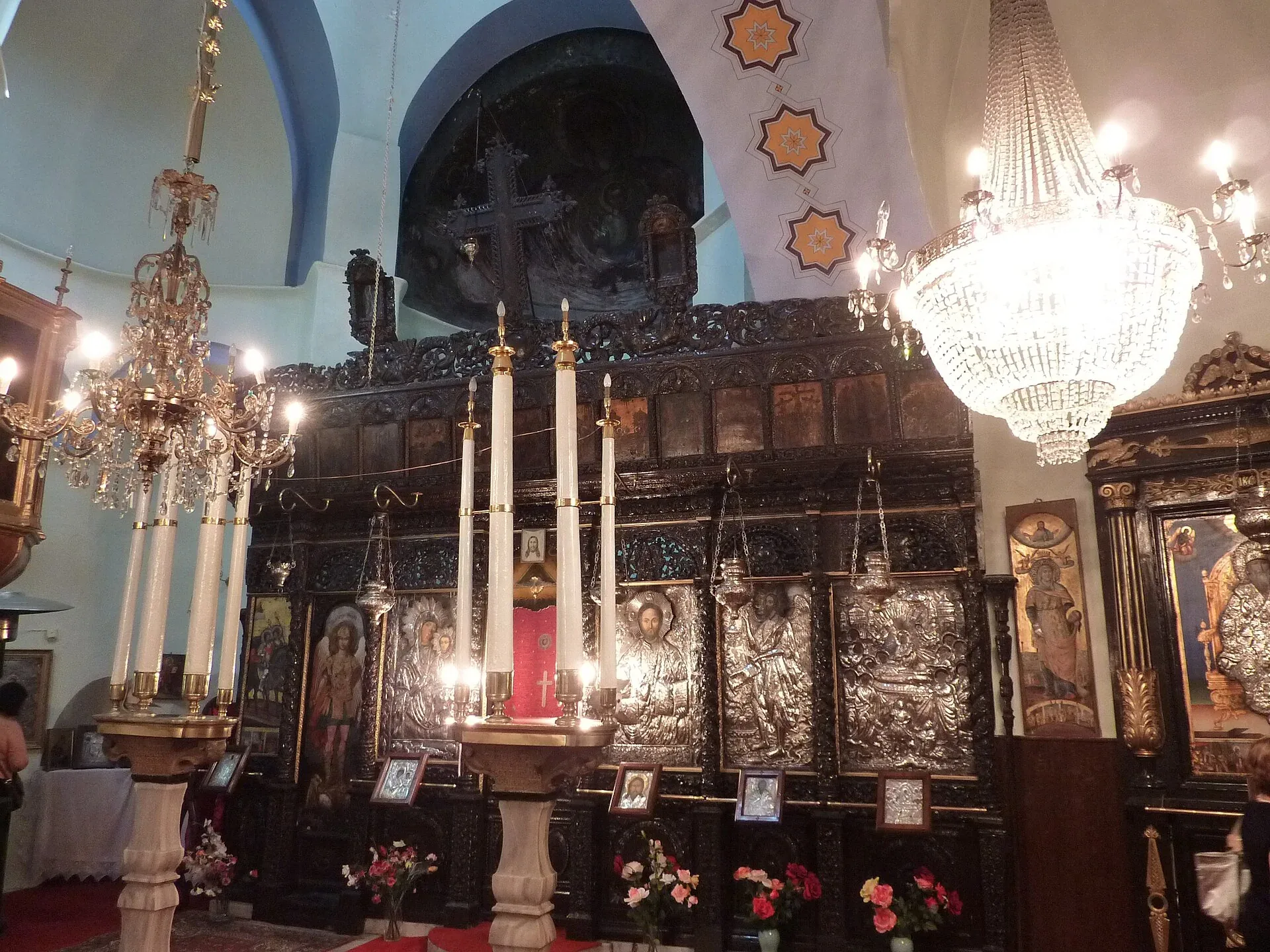
The interior feels intimate compared with the scale of Hagia Sophia or the Blue Mosque. The mihrab and minbar were added in the 16th century, yet the original marble revetments and mosaic program are still legible. Visitors who arrive mid-morning on weekdays usually find the space nearly empty, allowing time to study the artwork without crowds.
Plan your visit
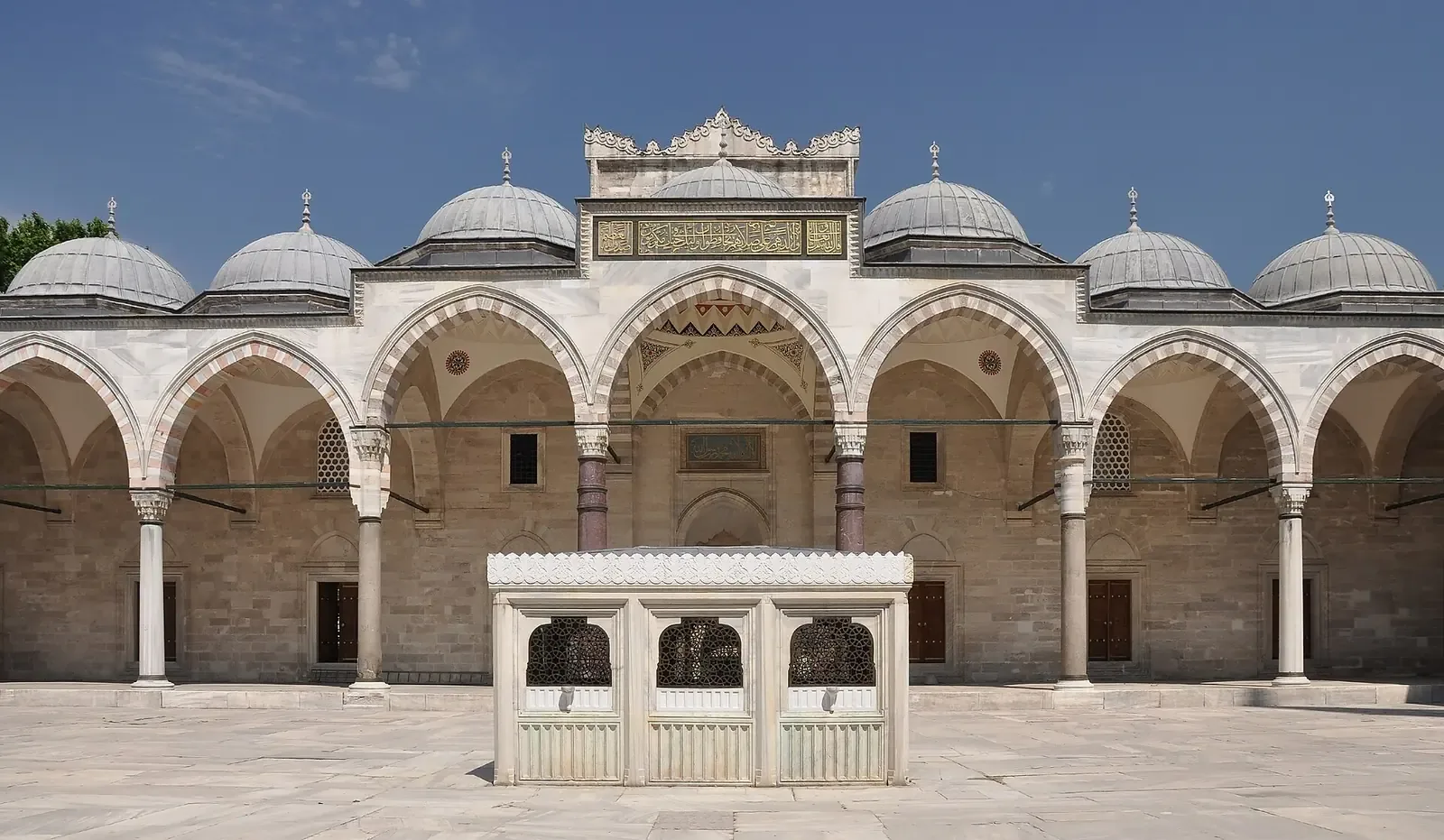
Muslim travelers appreciate the working mosque function and the adjacent ablution area. Women will find a screened section during prayer times. The site pairs naturally with Kariye Mosque and the nearby city walls for a half-day walk focused on Byzantine and early Ottoman layers.
Good to know
Practical notes: modest dress is required. Photography is permitted inside the former church section but not during prayer. The nearest tram stop is Fethiye on the T1 line; the walk uphill from the stop takes about eight minutes.