Skip to content
Prague
Prague

City Information

Explore city history, fast facts, climate and practical visitor information for Prague.

8 results

City overview
Public Holidays

• New Year’s Day: January 1st • Easter Monday: March/April • Labour Day: May 1st • Liberation Day: May 8th • SS Cyril & Methodius Day: July 5th • Jan Hus Day: July 6th • Czech Statehood Day: September 28th • Republic Day: October 28th • Struggle for Freedom and Democracy Day: November 17th • Christmas Eve: December 24th • Christmas Day: December 25th • St Stephen’s Day: December 26th While banks, offices, department stores and some shops will be closed on public holidays, restaurants, museums and tourist attractions are inclined to be open.
Annual Temperature

Month Average High (C°) Average Low (C°) January 1°C -4°C February 2°C -4°C March 8°C 0°C April 12°C 2°C May 18°C 7°C June 21°C 11°C July 22°C 12°C August 23°C 12°C September 18°C 9°C October 12°C 4°C November 5°C 0°C December 2°C -2°C

Prague Residents

While Prague has reportedly the best standard of living in Central and Eastern Europe, this standard is out of reach for many of its working class. There is a growing middle class who is beginning to experience all the pleasures of fine dining and clubs but this group is relatively small. Visitors can find Prazaks a tad rough and standoffish but don’t take this personally. Czechs are quite impassive if you don’t know them but look harder at the culture and you’ll find there is a hint of playful humor running through it.

Visa Information

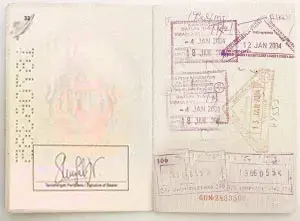
The Czech Republic distinguishes between two visas: the Schengen (short term) visas and the long term visas. The Schengen visa allows stays for up to 90 days. For this application you will need a completed application form, a valid passport and photograph and documents outlining your purpose for visiting: invitation, travel agency documents, travel itineraries etc. You must also provide proof of financial means to sustain yourself while visiting and valid accommodation and return to your country of residence.

When to go

The hot, crowded European summers are not ideal. Though the city experiences an influx of visitors during these months, many locals head to the countryside during this time. With more agreeable weather, fewer tourists and a variety of festivals, the spring and autumn seasons show Prague at its best. Ancient carnivals and an electronic music festival in February offer something for winter. January is on average the coldest month with June being the wettest month.

Prague Today

Since the Velvet Revolution in 1989, Prague has opened its doors to international visitors and garnered the reputation of a crowded, touristy, party filled place. The city has devoted itself to cleaning up its act but some would argue that you don’t always get what you pay for. Taxis still over charge, pick pockets still operate and if you go out at night you could bump into a rambunctious stag party. Indeed the capital of sleaze, as the city has been called on occasion, does still hold onto its saucy vices. But Prague does try hard to make everyone happy: high class restaurants sit next to greasy take-outs while designer brands rub shoulders with tacky souvenir shops. A more direct threat to this emerging cosmopolitan city has been the whole takeaway coffee concept which is almost a mockery of the Czech’s grand cafe culture of coffee served on silver trays.

Prague History

Like any major city, Prague’s origins are based on legends. According to the myth, the site of Prague was founded by Libuse, a daughter of an ancient Czech ruler, and the man she chose to be her husband, Premysl. Their decedents would later build Prague Castle. The city became the center of nobility and developed a flourishing slave trade as European merchants settled here. In 1257, Malá Strana was established by King Otakar II as the primary district of the German people, defended by fortifications.