Overview & visitor information
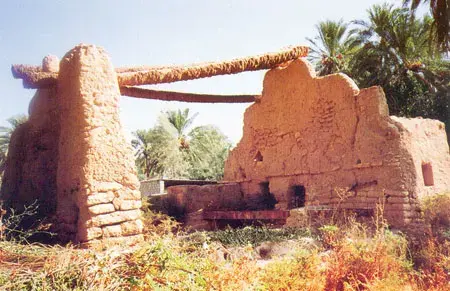
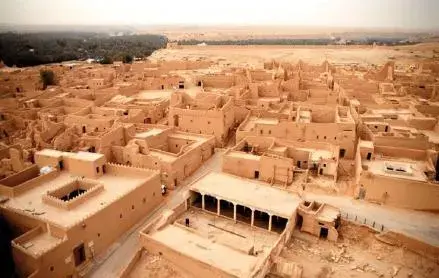
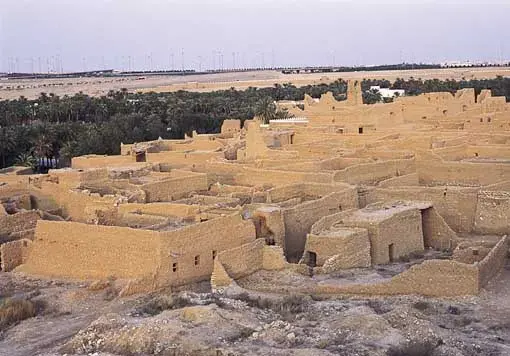
Sadus, northwest of Riyadh, is one of the oldest human settlements in the central Arabian Peninsula. It was known as Al Qaryah and contained archaeological landmarks of great importance, perhaps foremost a striking obelisk with ancient inscriptions and writings confirming the town’s importance as an Arabian urban centre.
Geographers and some foreign travellers mentioned Sadus and an important archaeological structure that stood there decades ago: a stone building attributed to the Prophet Solomon son of David, alongside other landmarks such as the obelisk, Al Manarah. Sadus was also famous for producing a delicious variety of pomegranate whose reputation spread far and wide and which no longer exists today.
Sadus played a prominent role in the pre-Islamic and Islamic eras, occupying a place on one of the ancient pilgrimage routes mentioned by the author of Al Manasik wa Turuq Al Hajj. The Banu Sadus also played a prominent role in both eras, and over the centuries the town produced many knights, commanders of conquests, scholars and poets.
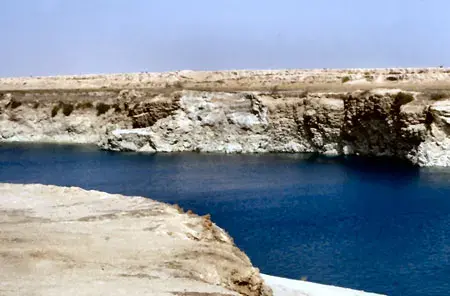
Sadus lies at the upper end of Wadi Watr, 70 miles northwest of Riyadh. Three miles to its east lies Hazwa, formerly known as Al Sadusiyyah and mentioned in early poetry. The town extends across the Sadus basin, the upper part of Wadi Watr, Salbukh, which is 26 kilometres long. The basin formed through erosion over thousands of years.