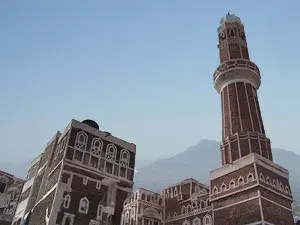
Date: 12 Rabi-ul-Awwal (Lunar Calendar) This event marks the birth of the Holy Prophet in the year 670 AD, and is generally a pleasant, cheerful day. Families get together at dinners, and mosques organize special gatherings and readings.

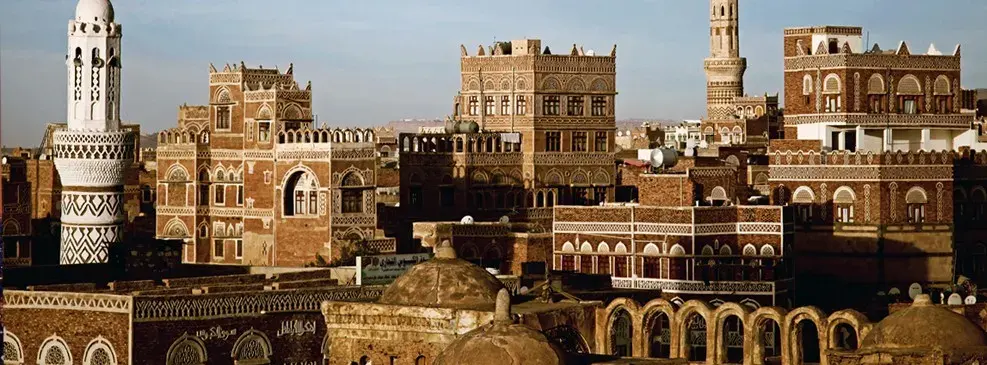
Date: 12 Rabi-ul-Awwal (Lunar Calendar) This event marks the birth of the Holy Prophet in the year 670 AD, and is generally a pleasant, cheerful day. Families get together at dinners, and mosques organize special gatherings and readings.
11 results
City overviewDate: 12 Rabi-ul-Awwal (Lunar Calendar) This event marks the birth of the Holy Prophet in the year 670 AD, and is generally a pleasant, cheerful day. Families get together at dinners, and mosques organize special gatherings and readings.
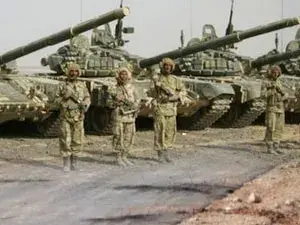
Date: 22 May A very significant day in the lives of all Yemenites, commemorating the day North and South Yemen became united as one republic. The day is declared a public holiday, and there is a general air of enthusiasm amongst the locals as families visit public parks and squares where processions and other public exhibitions are held.
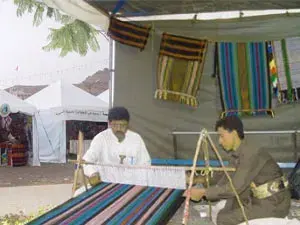
Date: all through June Quite a popular tourist summer fair, this event is all about the lifestyle in Sana'a. Held around the Bab al-Yemen in the Old City Area, the Summer Festival is a lively display of color, food, and folk dance. The main attractions are put up near the Bab al-Yemen, including craft and souvenir stalls, and kiosks selling local cuisine at discounts. Secondary events are held at public parks and squares, and even streets, around the city. These include art exhibitions, swings and rides for children, and displays of women’s handicrafts. Al-Sabeen Park holds a free workshop for children and youth where they can learn the basics of art from youthful, up-and-coming artists around Sana'a.
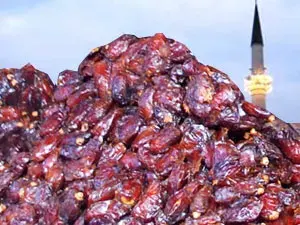
Date: month of Ramadan (Lunar Calendar) A month of fasting and religious observance for the Muslims, during which eateries around the city are open only after sunset. It is considered unpleasant to eat out in public during the daylight hours, as everyone around you would be fasting.
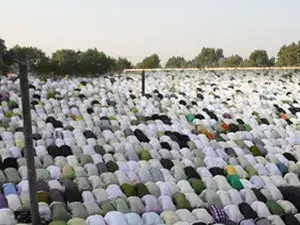
Date: 1 Shawwal (Lunar Calendar) The primary religious festival for Muslims around the world, marking the end of the month of fasting. A day of thanksgiving, festivity, and spreading cheerfulness. A three-day public holiday, Eid is celebrated with much zeal, and you will get to eat a lot of sweet treats that are otherwise not so commonly sold out on the streets. Ideal time to photograph cultural/religious life!
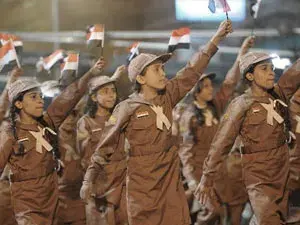
Date: 26 September A day of national significance, in remembrance of the revolt of South Yemen against the ruling Imams of the North. The day is marked with a number of public exhibitions, speeches by religious and socio-political figures, and is declared a public holiday.
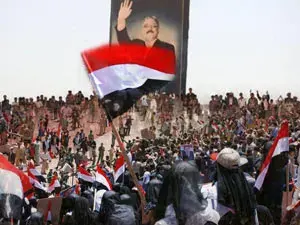
Date: 14 October This day commemorates the revolution against British occupancy of the Southern territories.
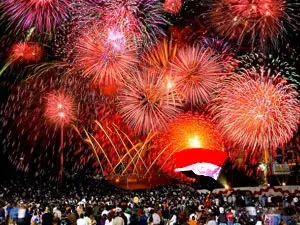
Date: 30 November The day that marks the expulsion of the last British regiment from Yemeni soil. It is a public holiday, with excitement and merriment, especially amongst the children. Lots of street activity!
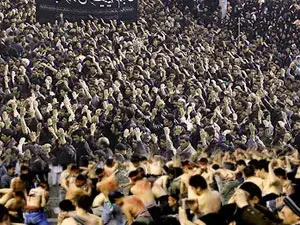
A public holiday, marked with visits to relatives, solemn prayers, and resolutions for the New Year. More of a formal event than a wild, cheerful one. Date: Lunar Calendar
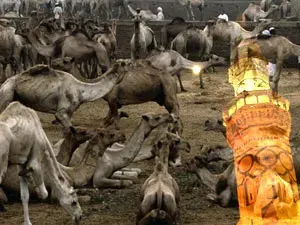
Date: 10 Zilhaj (Lunar Calendar) A second Eid festival, commemorating the willing sacrifice of Ismai’l by the Prophet Abraham. Residents slaughter animals and the meat is distributed largely among the poor and needy. Leftovers are used for mouthwatering local cuisine, and neighborhood barbecues. Make sure you make a few local friends, and this event will be especially delightful!
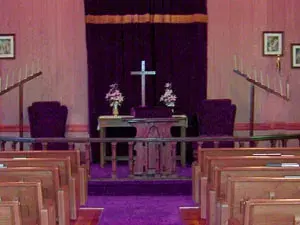
Date: 25 December Even though Yemen is largely Muslim, it contains a significant Christian population that celebrates its holidays with much enthusiasm. Christmas marks one of the most happening events in Sana'a. Festivities start right from the eve of Christmas, a night before the actual day. Lights are put up, kiosks are arranged out on the streets, and acts of worship are carried out all night long in local churches. Bonfires are arranged at public places, and invitations are open to all – the bonfire is more of a general merrymaking and eating/singing festival rather than a strictly religious one.