Entering into South Korea for tourist purposes and short durations does not require obtaining a visa for the nationals of more than 90 countries, the UAE being one of them. However it is still advisable to check with the South Korean Embassy in Abu Dhabi (Telephone: 443-5337; Fax: 443-5348; [email protected]).
With four distinct seasons, including a very cold winter, it is best to visit Seoul in autumn, at some time from September to November. The skies are blue and clear, it is sunny and the foliage looks beautiful! Winters are very cold and dry, but are good if you like skiing or below freezing weather, and of course lesser crowds of tourists. Spring from April to May is simply beautiful but the city is flooded with Japanese tourists and it is very hard to get good accommodation during this season. Summers are a definite no as it gets very hot and humid, and typhoon prone as well, and most importantly, expensive!
January 1st New Year January to February Variable Seollal (Lunar New Year) March 1st Independence Movement Day May 1st Labor Day (Not an official holiday) May 5th Children's Day May (Variable) Buddha's Birthday June 6th Memorial Day July 17th Constitution Day August 15th Liberation Day September to October (Variable) Harvest Moon (Chuseok) October 3rd National Foundation Day December 25th Christmas Day
The residents of Seoul are very friendly and it is one of the safest places to be. The locals are very well mannered and sociable, and are among the most tourist friendly people in the world! They are very well versed in English; however, they do have problems with pronunciation.
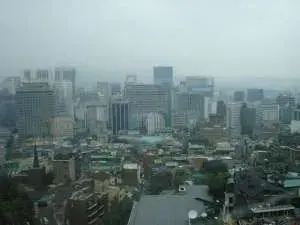
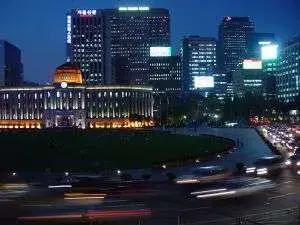
With almost 11 million people, Seoul is the largest city of the Republic of Korea and is also the economic, political and cultural hub of the country. Though it had a bit of a reputation for pollution, strict emission laws have brought that into control. With a superb subway system, residents and tourists can easily traverse the city efficiently and without much hassle.
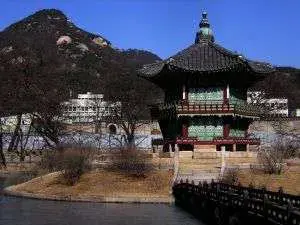
The history of the city dates back as far as 18BC, when it was established as a small settlement. The Wiryeseong site found inside the boundaries of modern day Seoul hints that it was once the capital of Baekje, one of the Three Kingdoms of Korea. After that, it is believed that Seoul also became the capital of the Joseon Dynasty, which is also one of the world's longest running monarchies, lasting for almost 5 centuries. It was the last royal and imperial dynasty of Korean history and was declared the Korean Empire in 1897. The dynasty ended in 1910 when the Japanese annexed the land.
- Location: The west coast of the Republic of Korea.; Dialing code: Country: +82 Area: +2; Emergency numbers: Police: 112 Fire Dept: 119 Ambulance: 1339
Frequently asked questions
What are the top city information in Seoul?
Featured highlights in Irhal’s Seoul guide include Visa Information, When to go, Exchange Rates, Public Holidays, Annual Temperature.