Why visit
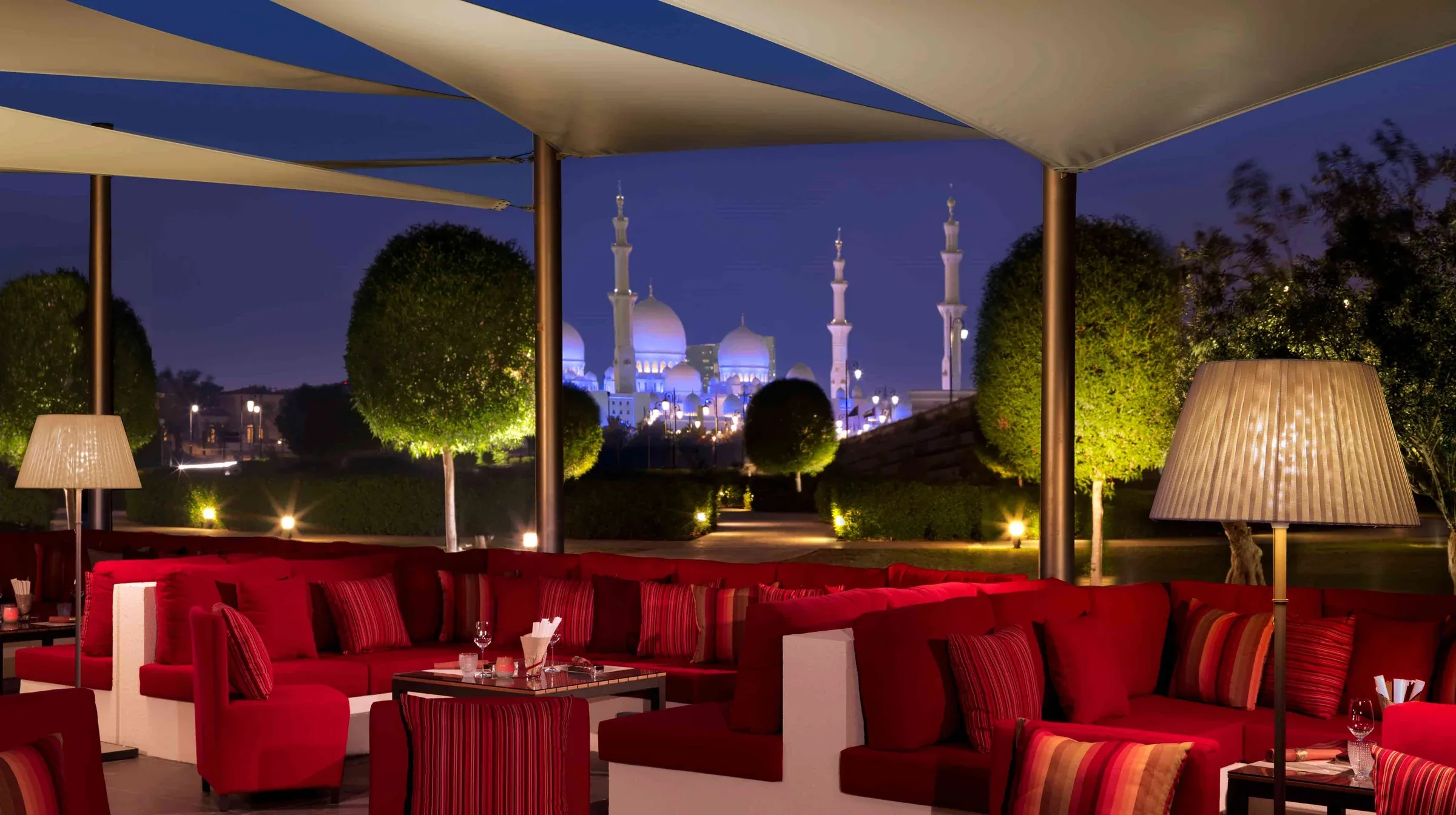
Sheikh Zayed Grand Mosque needs two kinds of planning. The main landmark visit is about architecture, national memory and the visitor route; this masjid entry is about using the mosque properly as a worship and prayer stop. That distinction matters for Muslim travelers, because the mosque is not only an Abu Dhabi icon. It is an active place of congregational worship with access rules shaped by prayer times, Friday arrangements, Ramadan, Eid and official occasions.
What to expect
If you want to pray there, start with the official mosque guidance rather than a generic attraction listing. Visitor access and worshipper access are managed differently, and the main prayer hall may be closed to visitors at specific times, especially around Friday prayers. Dress modestly, arrive with enough time for screening and movement through the visitor route, and avoid treating the washroom, ablution and prayer plan as afterthoughts.
Visitor guidance
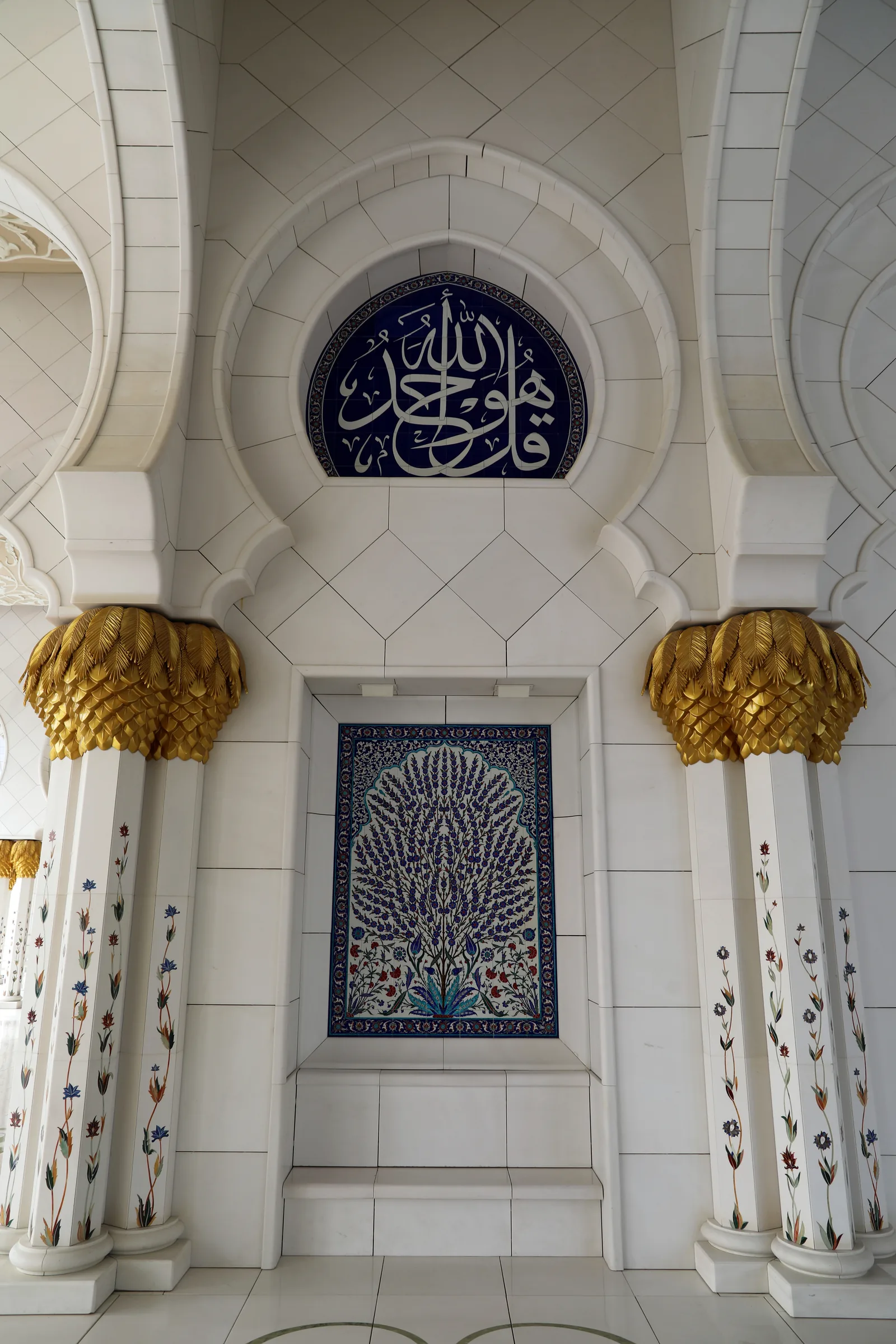
For families, the mosque can be one of the most meaningful stops in the city when it is paced calmly. Let children see the courtyard, the domes, the calligraphy and the scale, but frame the visit as a living mosque rather than a museum. The late afternoon remains the most comfortable time for many travelers, while morning can work better in hotter months or when you want a quieter route.
Good to know
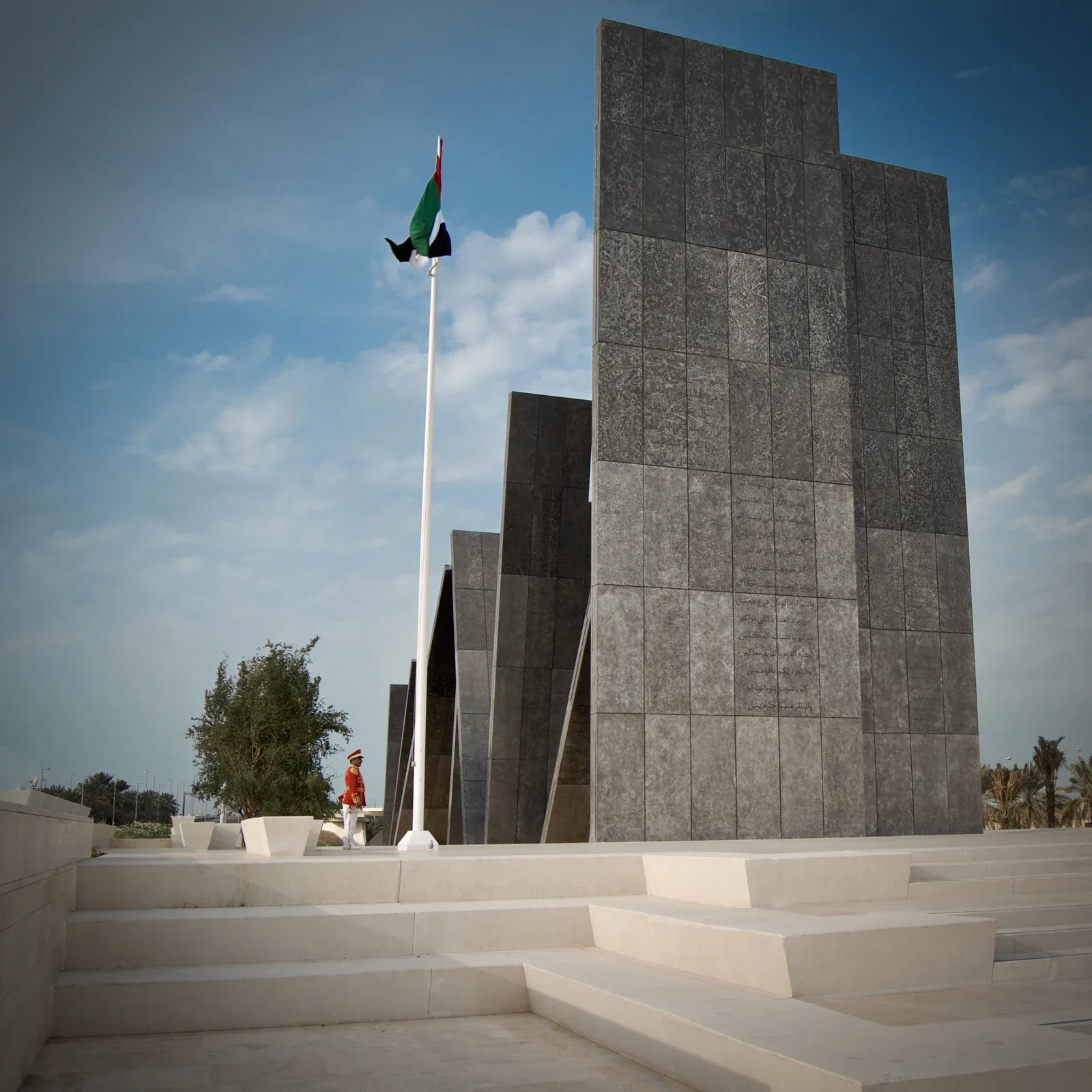
The best nearby pairing is Wahat Al Karama across the road. Together they turn the stop into a stronger half-day: faith, remembrance and civic identity in one practical area. Check the official Sheikh Zayed Grand Mosque Centre website on the day of travel before you lock the route.