
Skip to content
Auckland
Auckland

City Information

Explore city history, fast facts, climate and practical visitor information for Auckland.

8 results

City overview
When to go

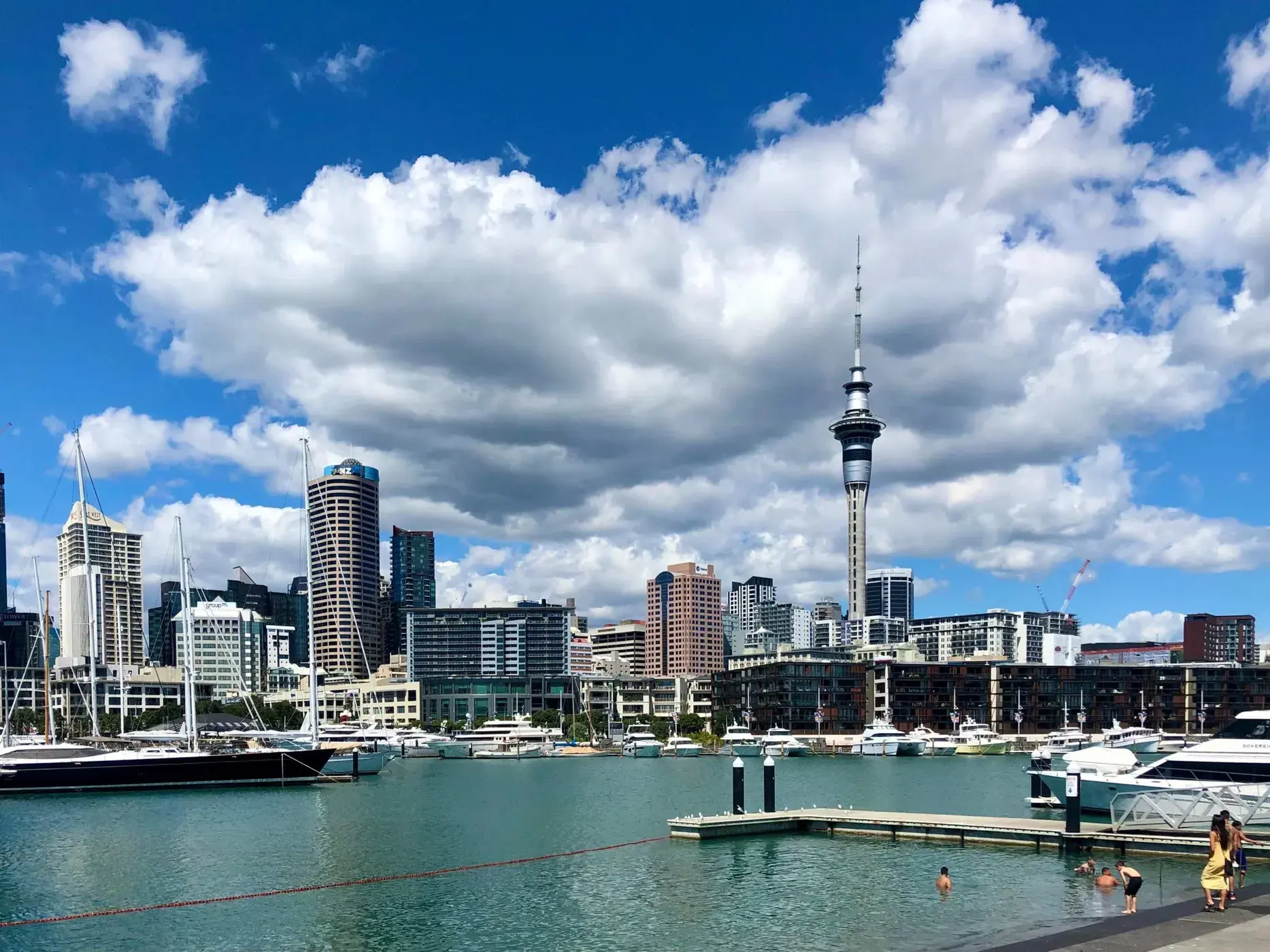
Auckland is situated in the northern part of the island of New Zealand, which is located in the Southern Hemisphere; meaning temperature variations are the opposite. The weather all year round in Auckland is in a fairly normal range; meaning, that although the city experiences all 4 seasons, it never gets very cold but tends to get hot during the summer months. Winter months are June through August and summer months are December through March. The best time to visit Auckland, especially from people living in the northern hemisphere, is during their winter – which is summertime in New Zealand.
Fast Facts

-Location: Oceania, islands in the South Pacific Ocean, southeast of Australia. North Island of New Zealand. -Dialing code: 09 -Emergency numbers: Calling police, reporting fire or to request ambulance dial 111 For other matters, call the Central Police Station (tel. 09/379-4240). For emergency medical services, call tel. 09/524-5943 or 09/579-9909. The CityMed Medical Centre is on the corner of Mills Lane and Albert Street, in the Inner City (tel. 09/377-5525). For emergency and after-hours dental service, call Auckland Accident & Emergency Clinic (tel. 09/520-6609). It's open Monday through Saturday from 8am to 11pm, Sunday until 10pm.

Exchange Rates

The monetary unit is the New Zealand dollar (NZ$) which is equal to 100 New Zealand cents. Currently the New Zealand dollar has a lower value than the US dollar. Note that the exchange rate fluctuates. One can find a plethora of moneychangers and banks located on the main Queen Street (in the city center). Hotels & restaurants generally convert traveler’s cheques but the rate won’t be as good as it would be at a bank.

Public Holidays

New Years Day: 1 January Day after New Year’s Day: 2 January Waitangi Day: 6 February Anniversary Day Auckland / Northland: 29 January Good Friday: Varies Easter Monday: Varies ANZAC Day: 25 April Queen's Birthday: 1st Monday in June Labour Day: 4th Monday in October Christmas Day: 25 December Boxing Day: 26 December

Annual Temperature

January Avg low: 16° Avg hi: 23° Avg precip: 5.64 cm February Avg low: 17° Avg hi: 24° Avg precip: 7.16 cm March Avg low: 16° Avg hi: 22° Avg precip: 6.22 cm April Avg low: 13° Avg hi: 20° Avg precip: 6.64 cm May Avg low: 12° Avg hi: 17° Avg precip: 10.98 cm June Avg low: 10° Avg hi: 15° Avg precip: 9.95 cm July Avg low: 9° Avg hi: 14° Avg precip: 11.61 cm August Avg low: 9° Avg hi: 14° Avg precip: 7.8 cm September Avg low: 10° Avg hi: 16° Avg precip: 8.01 cm October Avg low: 12° Avg hi: 18° Avg precip: 8.65 cm November Avg low: 13° Avg hi: 19° Avg precip: 6.29 cm December Avg low: 15° Avg hi: 21° Avg precip: 7.83 cm

Auckland Residents

Auckland is the largest city in Polynesia and there is a very strong Polynesian rhythm and culture prevalent. The city can be termed as a mixture of cultural influences from Europe, the South Pacific and Asia along with a combination of Maori cultural heritage. The rich cultural infusion can is evident in the cultural activities, festivals, events, food, music, shopping and many other areas within the city.

Auckland Today

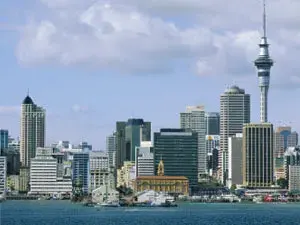
With a population of over one million, Auckland is easily the largest metropolitan city in New Zealand. Auckland can be broken down into four separate cities/districts 1. Auckland City - Central Auckland 2. Manukau - South and outer east Auckland 3. Waitakere - West Auckland 4. North Shore - Auckland north of the Waitemata Harbour and the Auckland Harbour Bridge

Auckland History

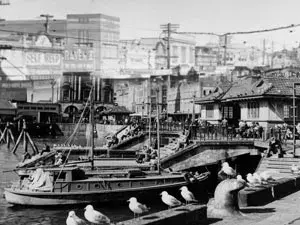
Auckland used to be the capital of New Zealand but lost its status to Wellington. Auckland is also the main hub for industrial and commercial activities of the country. Wellington is the political capital, Auckland is the main metropolitan city.