Skip to content
Buenos Aires
Buenos Aires

Transportation

إن شبكة الحافلات ببوينس معقدة وواسعة النطاق.  بعد إستخدامها لمدة أسابيع قليلة ستأخذ فكرة جيدة عن إطار المدينة الأساسي ولكن معظم السياح ليس لديهم وقتا طويلا لتجربة الحافلات والإعتياد عليها ، لذلك عليهم الإعتماد على المساعدة الخارجية.  يطلق على الحافلات التي تعمل في المدينة كوليكتيفوس والحافلات التي تسير لمسافات طويلة ميكروز .  تعد محطة دي أومنيباص دي ريتيرو هي المحطة المركزية لجميع الحافلات حيث يمكنك العثور على أي حافلة تتجه إلى أي مكان في الأرجنتين من هذه المحطة . يوجد أكثر من75 شركة للحافلات تغطي كافة المسارات / الوجهات داخل وخارج المدينة .  للحصول على معلومات عامة باللغة الإسبانية عن محطات الحافلات إليك الموقع التالي  : http://www.tebasa.com.ar/paginas/buscador.html

7 results

City overview
Buses

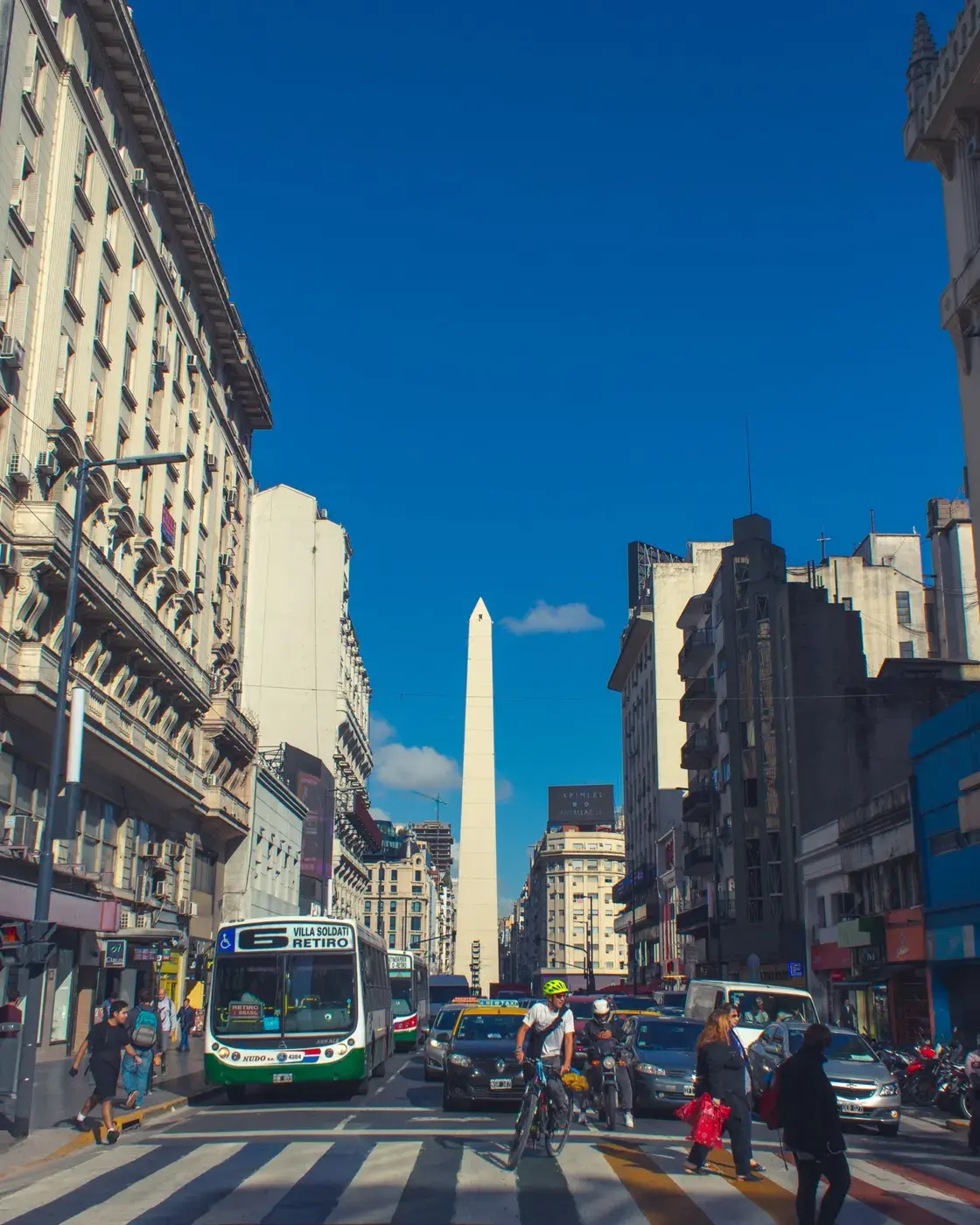
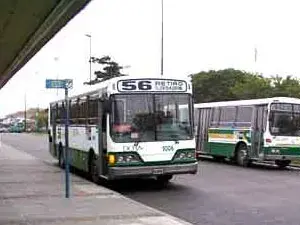
Buenos Aires has an almost hopelessly vast, complex and extensive bus network. A few weeks of using it will probably give you a good idea of the basic framework but most tourists do not have that long, so they have to rely on outside help. Buses that run in the city are called collectivos and long-distance regional buses are called a micros. The Terminal de Omnibus de Retiro is the centre of the whole medley and you can find a bus that goes anywhere in Argentina from there. There are more than 75 platforms and multiple bus companies service each route/destination. There is general information in Spanish on the bus terminal website: http://www.tebasa.com.ar/paginas/buscador.html Bus information line: 4310 0700
Metro

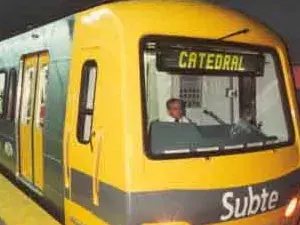
Tren subterráneo (underground train), or Subte as it is called for short by the Porteños, is the metro system in Buenos Aires. It is quick and frequent and not too complicated to understand. At rush hour however, it is likely that you will miss a couple of trains simply because there are too many people in it. There are 6 lines with letter labels (i.e. ‘A’, ‘B’ etc) and information about the train times can be obtained by calling a toll free number: 0800-555-1616 or at the website: http://transmetro.mobi/bai/ which is conveniently in English.

Taxi

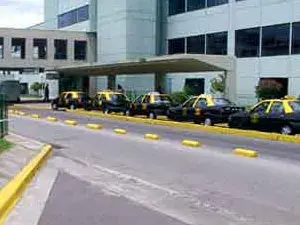
Taxis are easy to find as there are so many of them on the streets with their tell tale yellow and black exterior. The upper right corner of the windscreen should have a red light on if the taxi is free and make sure they are metered before getting in. The city is divided into equal squares with block numbers so telling a taxi driver a street name and block number, eg. "Buesares 2100", or the junction of two streets, eg. "Corrientes y Florida" is generally enough information.

Car for hire

The traffic in Buenos Aires is fairly stressful so driving by yourself is not recommended. Walking or public transport is generally better for your blood pressure and fitness. If you know the area and want some adventure however, there are several car rental places that are easy to access.

Train

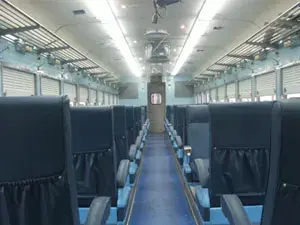
The above ground railway system, although just as efficient as the subway, takes a bit more getting used to because each line is owned by different companies and this dictates the safety and cleanliness of the ride. The train network is laid out in the shape of a star. Almost all the suburbs are accessible through the train system and more information can be found in city maps/guides in roadside shops and on the transport company websites:

Driving Tips

The road rules in Buenos Aires and most of Argentina in fact, are treated more like suggestions by the locals so the most important part of driving would be to be defensive. Stay away from crowded areas and work out beforehand the route you are going to take. Also remember that Argentina has one of the highest motor vehicle accident mortality rates in the world, and you don’t want to turn your holiday into a hospital stay.

From the airport

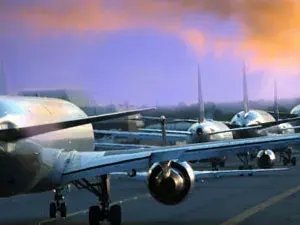
There are two airports in Buenos Aires, Ezeiza International (called Aeropuerto Internacional Ministro Pistarini) and the domestic Jorge Newbery Airport (called Aeroparque). They are fairly close to the city, about a half hour drive by highways.