Overview & visitor information
Guangdong Museum is the best single place to understand the province around Guangzhou, and it is free. The building itself, opened in 2010 on the edge of Huacheng Square, was designed to look like a traditional lacquered treasure box, a dark cube cut with irregular openings. Inside, four floors of galleries move from local history and art to natural history, with good English labels and plenty of space between cases.
Highlights include the gilded Chaozhou woodcarving gallery, where whole temple screens and altar pieces are carved so deeply that they look like lace, and the collection of Duan inkstones from Zhaoqing, once prized by scholars across China. The ceramics rooms trace export porcelain made for foreign traders, which connects neatly with the story of Guangzhou as a port. Children usually head for the natural-history floor, with fossils, minerals and the dinosaur eggs found in Heyuan in eastern Guangdong.
Entry needs a free timed booking under your real name, made through the museum’s WeChat account; bring the passport you booked with. Weekends and school holidays fill up days in advance, while weekday mornings are calmer. The museum is closed on Mondays, and the last entry is an hour before closing, so do not arrive late in the afternoon expecting a full visit.
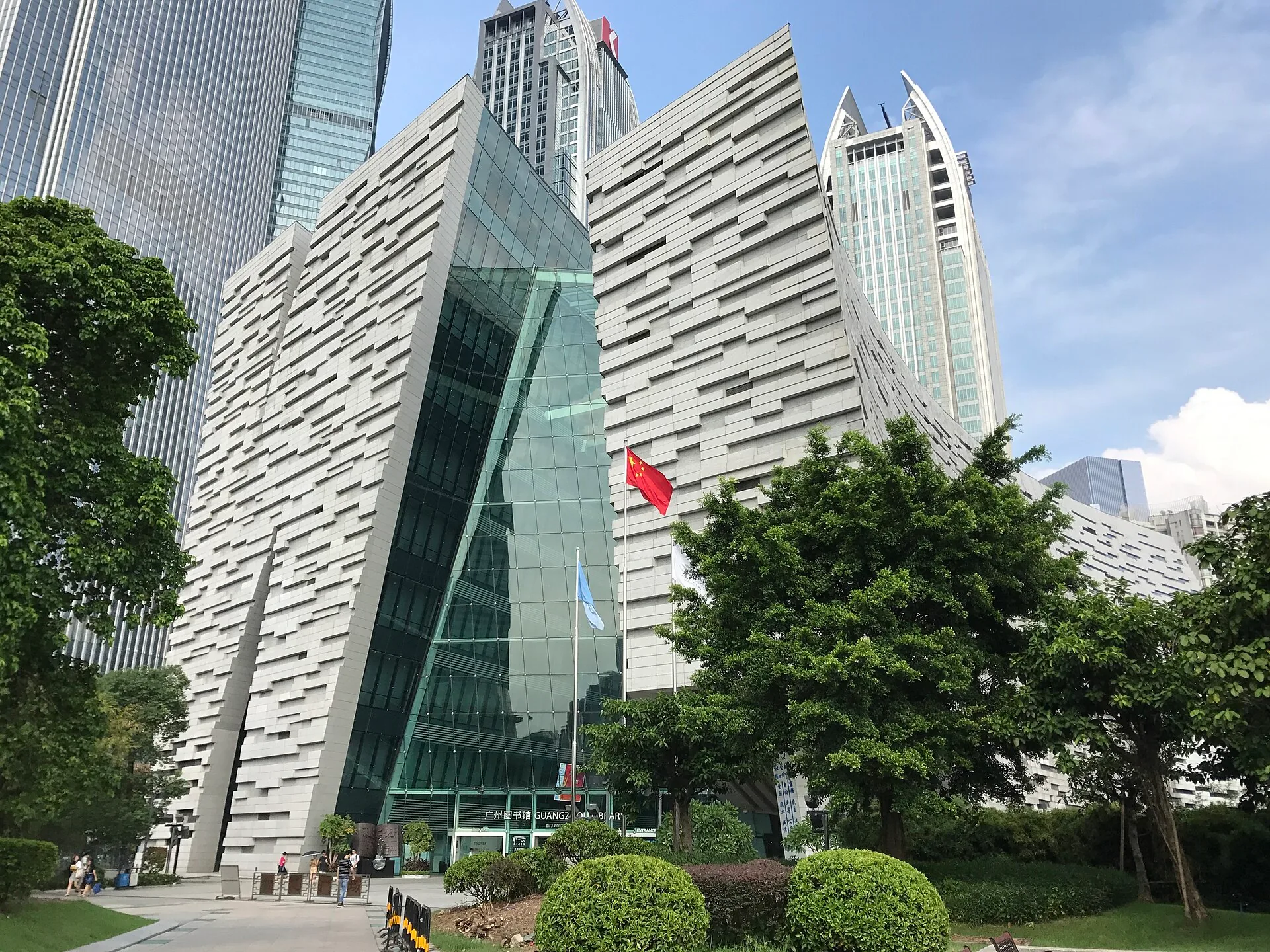
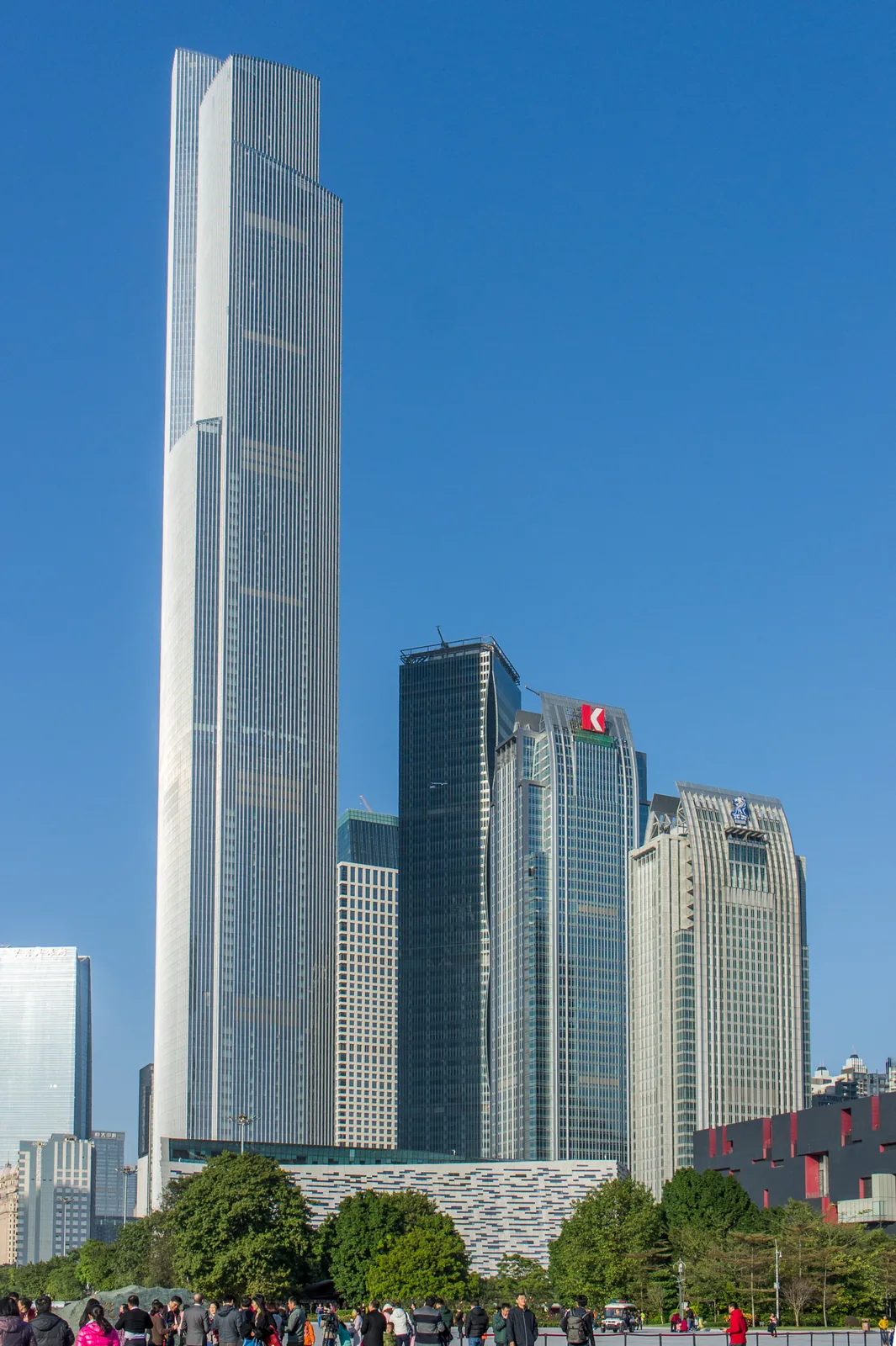
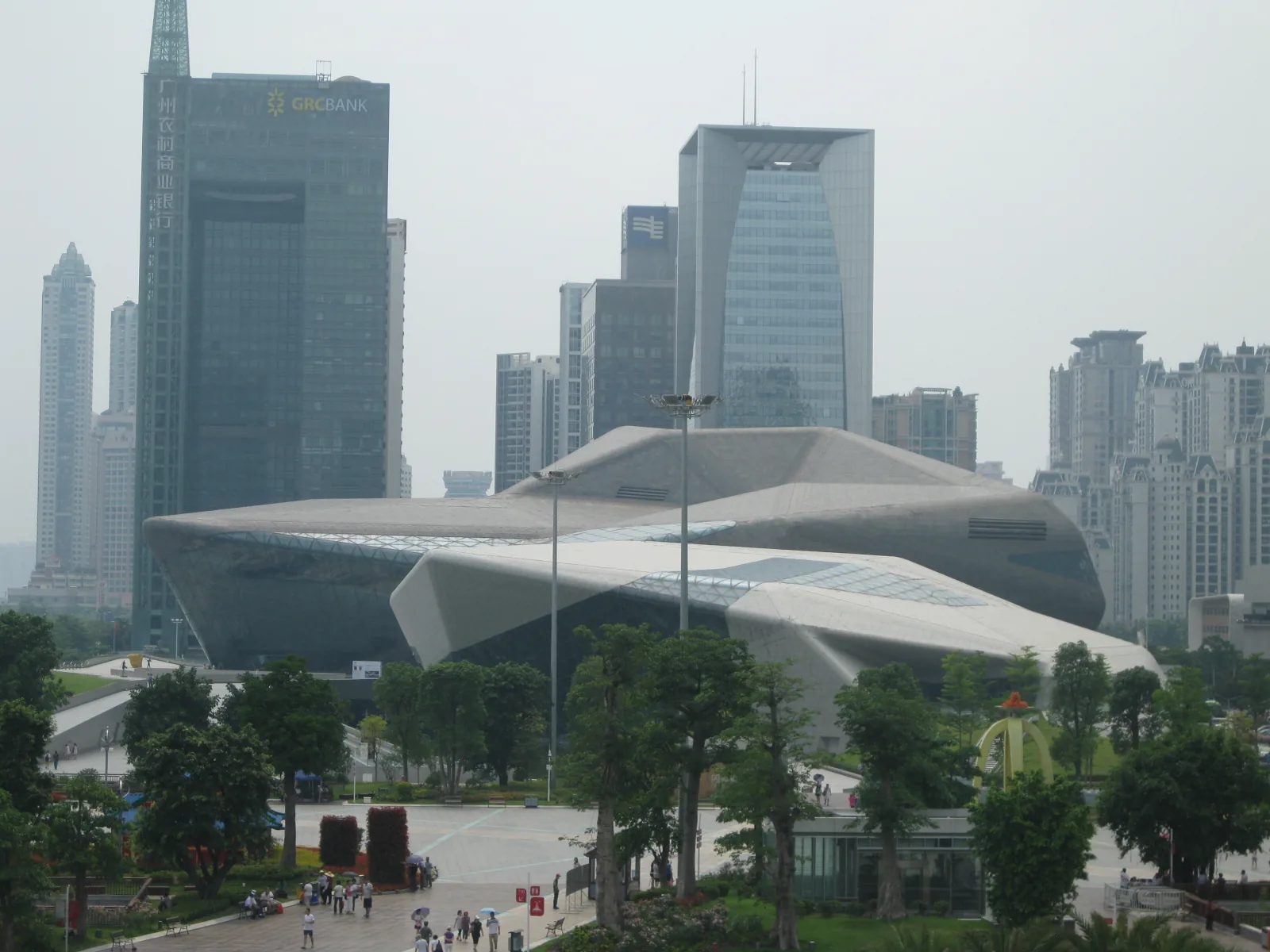
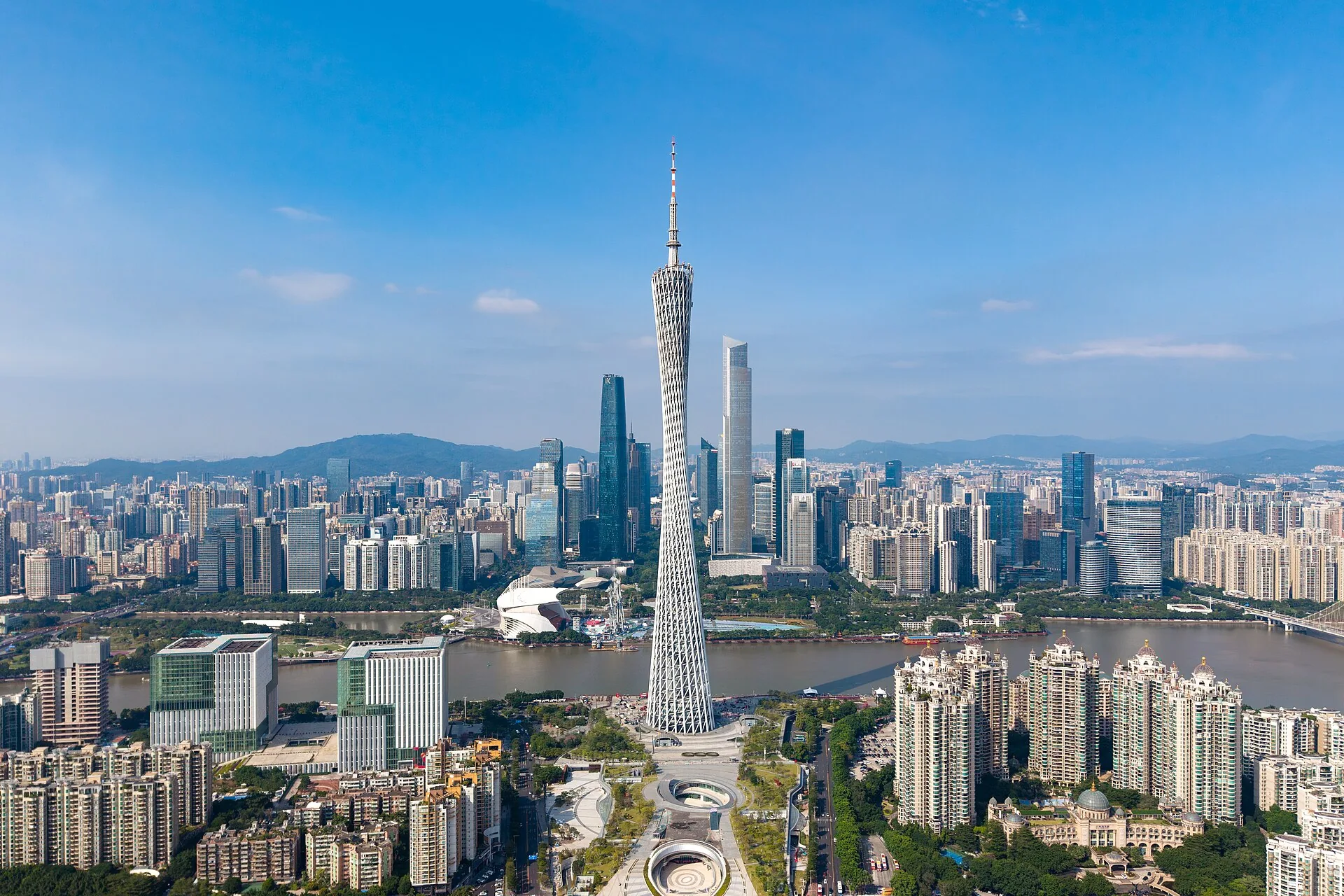
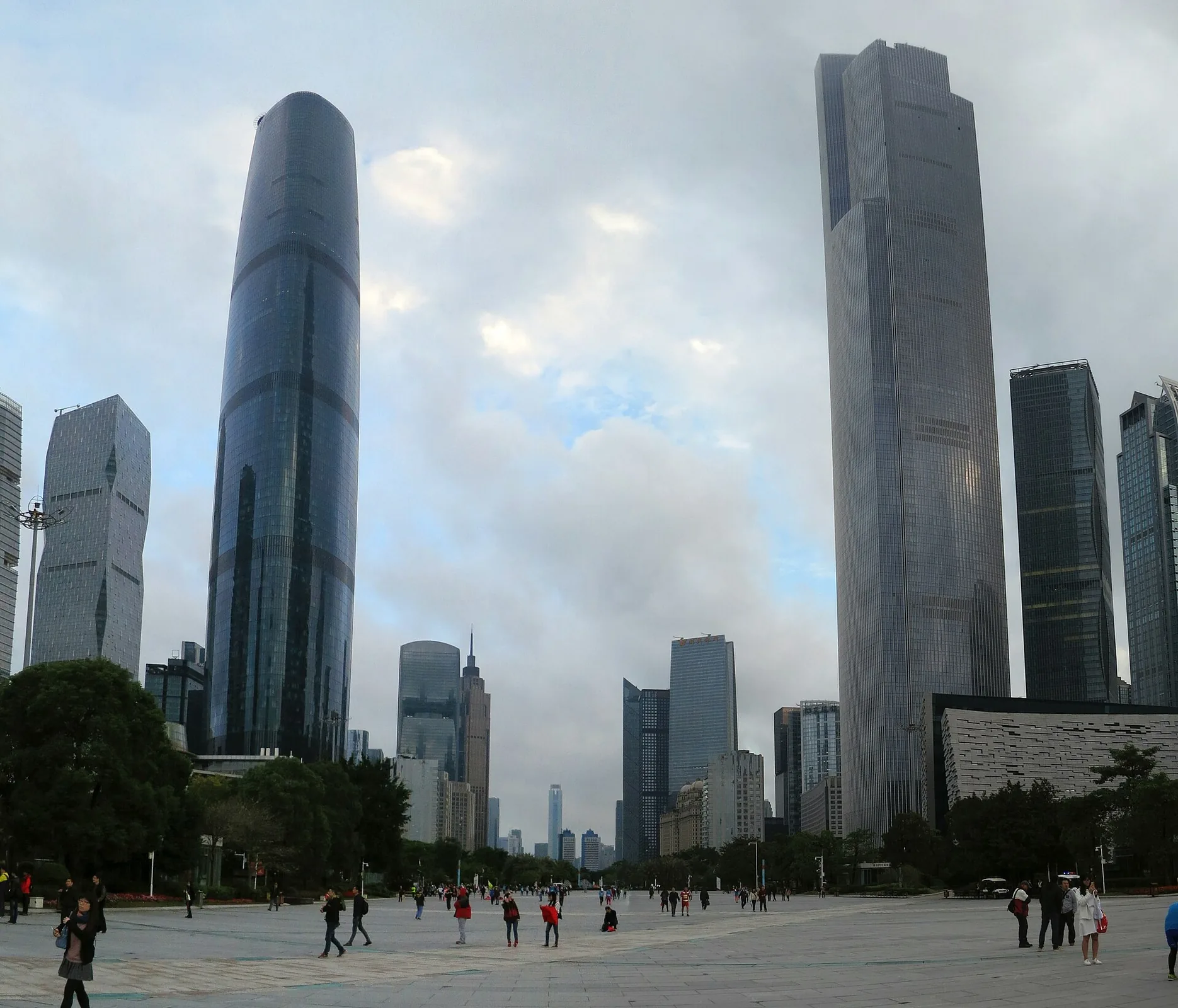
Allow two to three hours. The museum sits between the Guangzhou Opera House and Guangzhou Library, and the APM line’s Opera House station or Zhujiang New Town on Lines 3 and 5 are a short walk away. The galleries are step-free, with lifts between floors. After your visit, Huacheng Square and the riverfront are right outside, and Canton Tower glows across the river after dark. There is no prayer room, so plan Asr at your hotel or at a nearby mall with a quiet corner.