Overview & visitor information
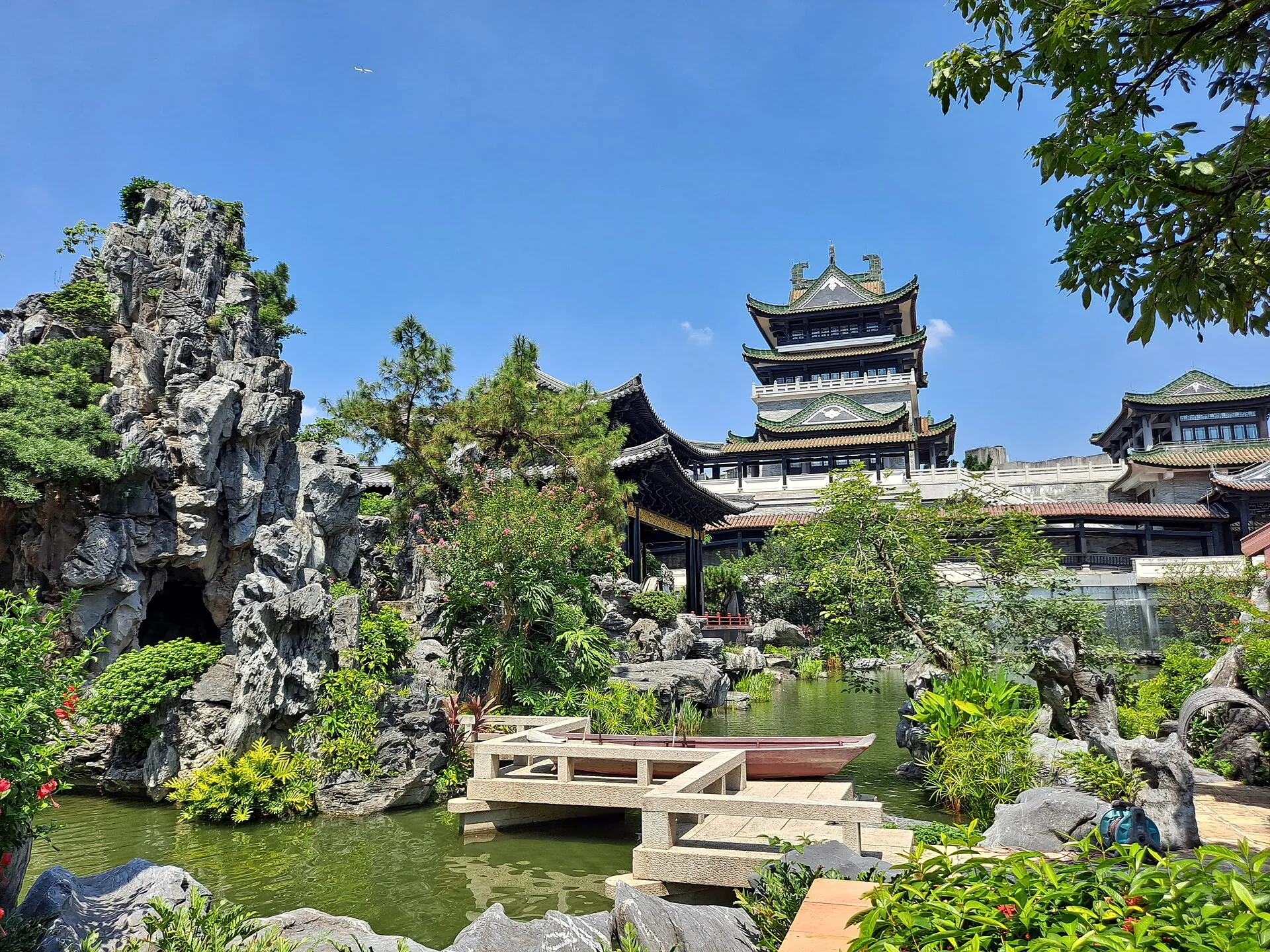
Yongqingfang is a block of lanes in the heart of old Xiguan, the western merchant quarter that once supplied Guangzhou with its silk traders, opera stars and teahouses. After years of decline, the area was restored from 2016 and reopened as a walkable heritage district. Grey-brick houses with tall wooden doors line narrow alleys, and Enning Road along its edge has one of the city’s longest runs of qilou, the arcaded shophouses that shade the pavement from sun and rain.
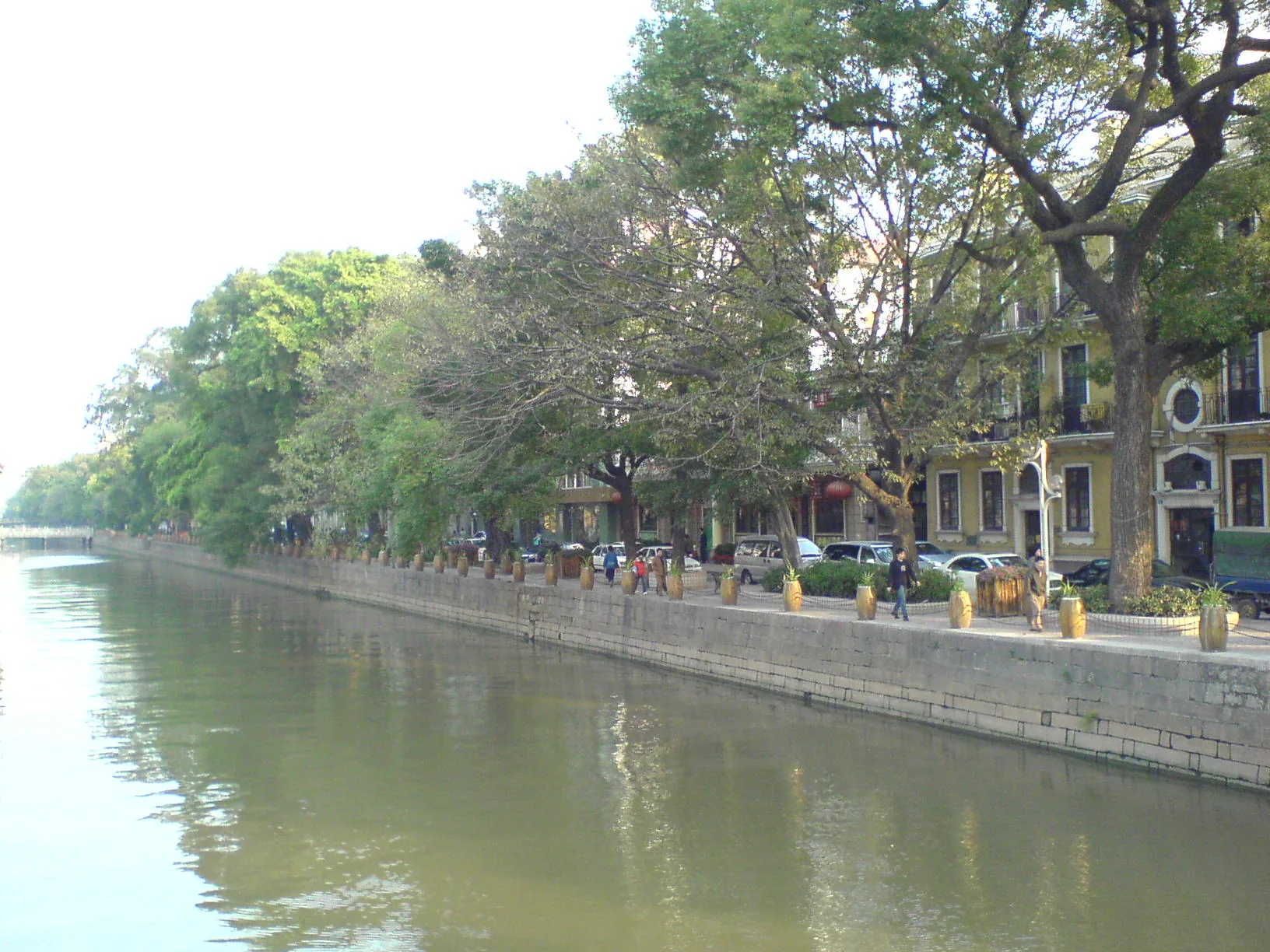
The lanes are best explored slowly. Small museums and workshops show Guangzhou crafts such as copperware, Cantonese embroidery and woodcarving, and several houses have been turned into galleries, bookshops and cafés. Bruce Lee’s ancestral home is here, a modest two-storey house with photographs from his childhood visits. At the western end the lanes open onto the Lychee Bay canal, where stone bridges and old trees make the most photographed corner of the district.
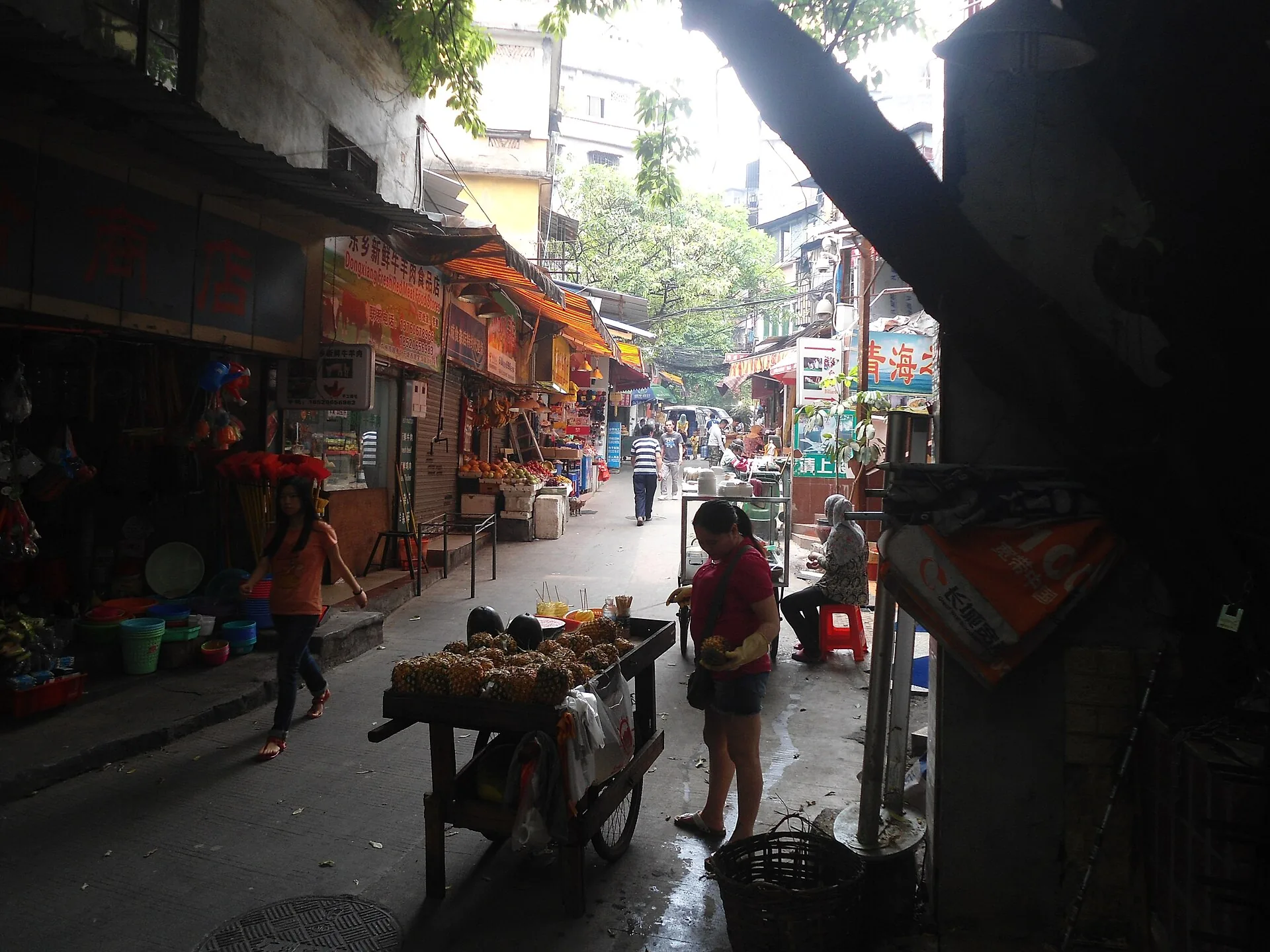
This is a lived-in neighbourhood as well as an attraction, so you will pass residents’ doors, drying laundry and morning markets alongside the boutiques. Weekday mornings are the quietest; weekends and evenings bring crowds and street performers. Entry is free, and individual museums and shops keep their own hours, with many opening around 10:00.
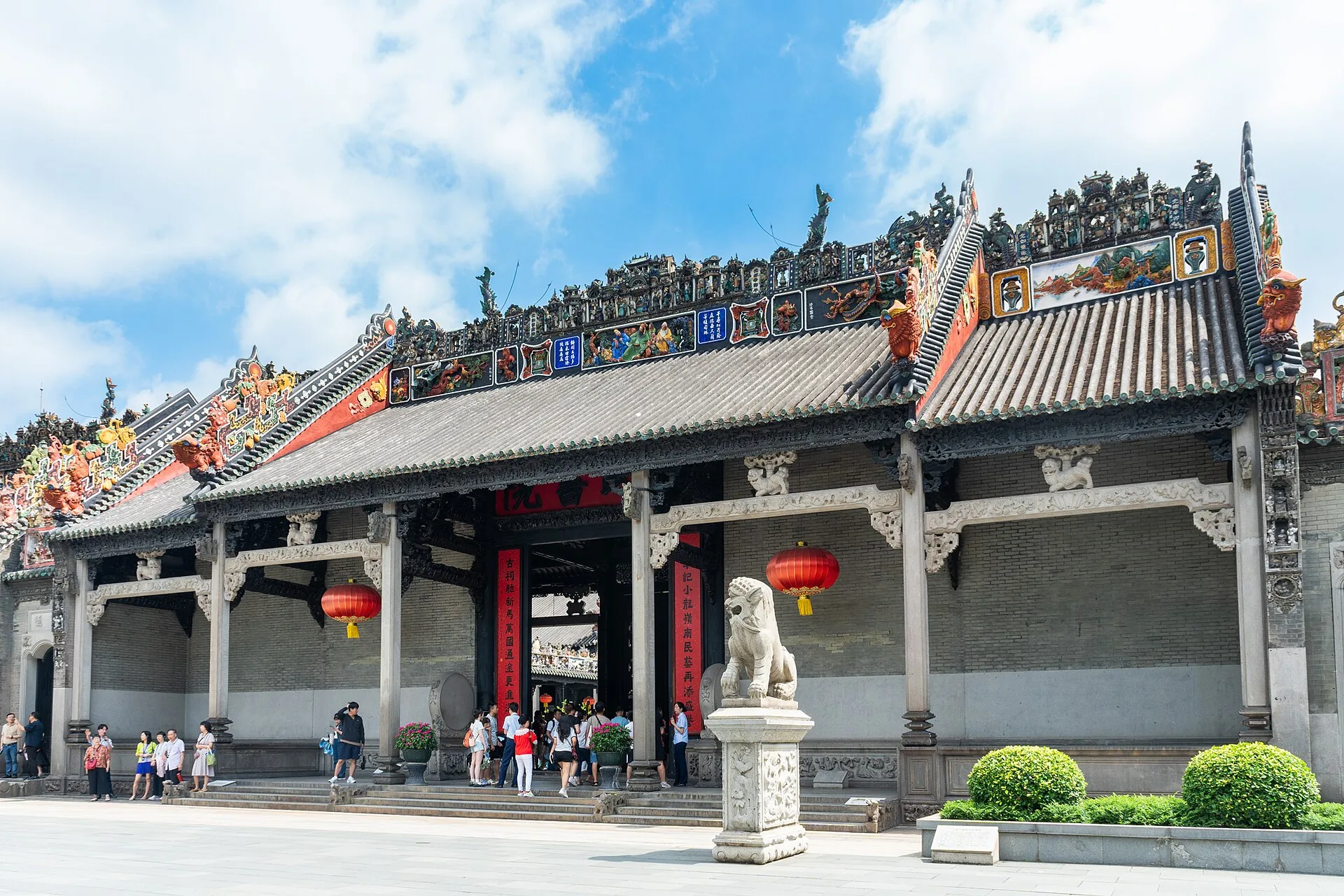
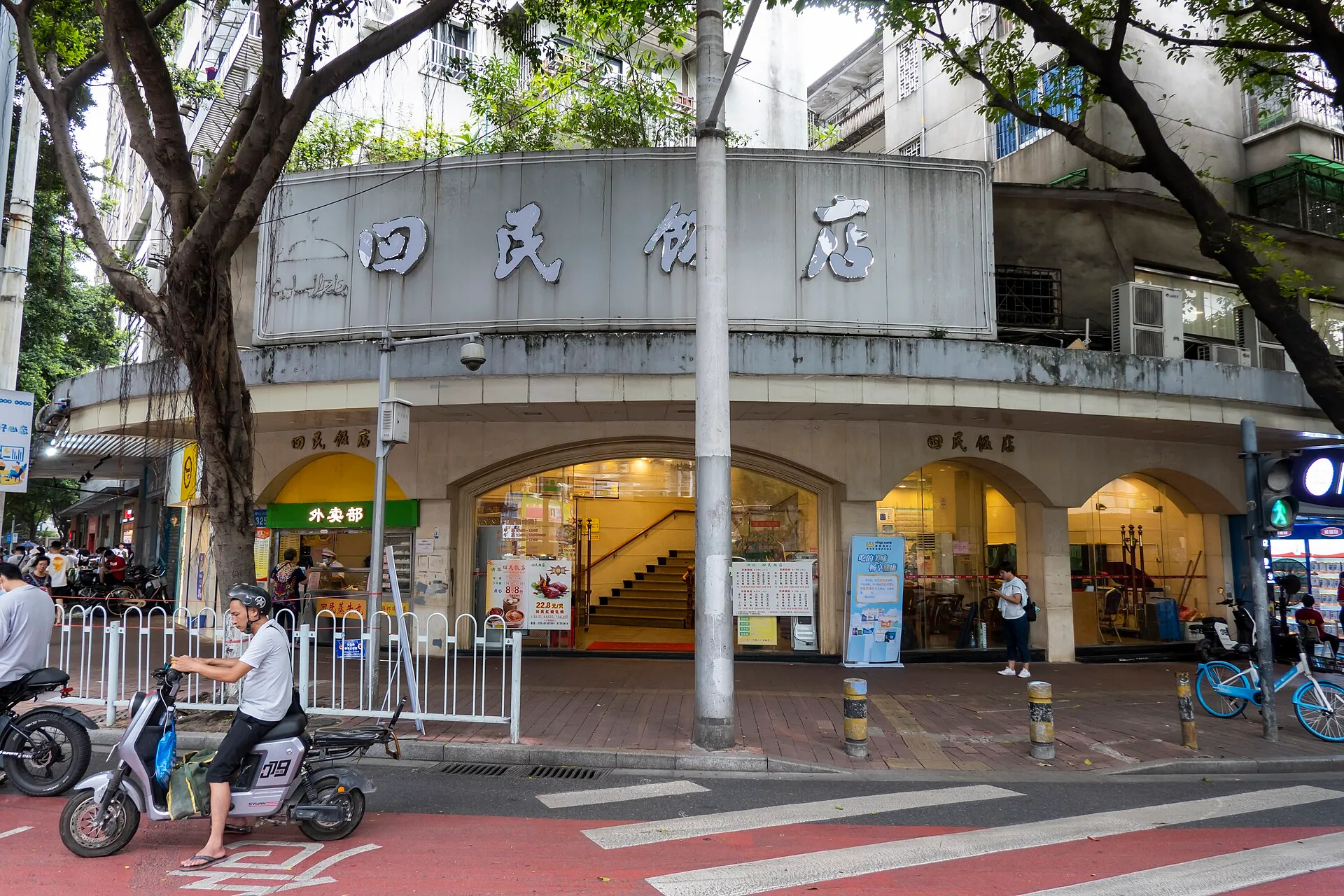
Food here leans towards Cantonese snacks and non-halal teahouses. For a halal lunch, Zitona in Liwan is a short taxi ride away, or head on to Hui Min Restaurant on Zhongshan 6th Road. The nearest metro stations are Changshou Lu and Huangsha on Line 1. Lanes are flat but some have uneven paving; strollers manage well. Pair Yongqingfang with the Cantonese Opera Art Museum next door, Chen Clan Ancestral Hall and an afternoon on Shamian Island.